
Welcome Mr. President!
Year: 2013
Runtime: 98 mins
Language: Italian
Director: Riccardo Milani
Giuseppe Garibaldi, known as Peppino, leads a simple life in a small mountain village, enjoying fishing, friendship, and his job at the local library. Despite his optimistic nature, his child questions his ambitions. A political blunder leads to the extraordinary event of Peppino being mistakenly elected President of the Italian Republic. Thrust into a role for which he feels wholly unprepared, his common sense and genuine gestures prove surprisingly effective, despite his struggles with proper etiquette. The strict and dedicated Deputy Secretary General of the Presidency, Janis Clementi, attempts to maintain order amidst his unpredictable actions.
Warning: spoilers below!
Haven’t seen Welcome Mr. President! yet? This summary contains major spoilers. Bookmark the page, watch the movie, and come back for the full breakdown. If you're ready, scroll on and relive the story!
Welcome Mr. President! (2013) – Full Plot Summary & Ending Explained
Read the complete plot breakdown of Welcome Mr. President! (2013), including all key story events, major twists, and the ending explained in detail. Discover what really happened, and what it all means.
Last updated: March 05, 2026 at 18:40
Welcome Mr. President! (2013) Plot Questions Answered – Summary FAQ
Explore frequently asked questions about Welcome Mr. President! (2013) with spoiler-rich answers covering the full plot summary, major story beats, character motivations, hidden details, and ending meaning. This movie summary FAQ helps explain confusing scenes, plot twists, and narrative decisions in clear, searchable detail.
How did a librarian become President of Italy?
Party leaders in Rome could not agree on a presidential candidate, so they voted for the historical figure Giuseppe Garibaldi as a protest. However, there was an actual citizen with the same name living in a small Piedmont village. By law, the vote for the historical figure obligated the real Giuseppe Garibaldi to become president, thrusting the humble librarian into power.
The story hints early on that Peppino's simple nature might actually be an advantage in complex political situations.
Why did Peppino decide to stay as president instead of resigning?
Rather than resign, Peppino chose to serve the people directly and use his position to make genuine reforms that helped ordinary citizens. His common-sense approach and honest intentions resonated strongly with the public, earning him broad support despite his lack of political experience or proper etiquette.
What was the protest vote by political party leaders?
When the major political parties could not agree on a presidential candidate, they deliberately voted for Giuseppe Garibaldi, the famous historical hero, thinking this was a meaningless protest choice. They did not realize that an ordinary citizen shared the exact same name, which by law made him the legitimate winner.
The political leaders' arrogance in assuming their protest would have no consequences sets up the central irony of the film.
What happened during the impeachment attempt against Peppino?
Political party leaders attempted to impeach Peppino to remove him from office and stop his popular reforms. However, during the impeachment session, Peppino delivered a powerful speech that ridiculed both the politicians and the public, turning public perception in his favor and effectively ending the impeachment proceedings.
Earlier scenes showing Peppino's simple honesty foreshadow his ability to cut through political manipulation with straightforward truth.
What was in Peppino's speech to Parliament?
Peppino's speech combined moral clarity with sharp humor, directly ridiculing both the corrupt politicians and the Italian public for their complicity in the system. This unexpected honesty and self-awareness shifted public opinion dramatically, making the political elites appear petty and out of touch.
Why was Peppino also elected Pope?
Following the same pattern as the presidential election, the Vatican made an editorial misstep and elected Peppino as the new Pope, simply because he shared the name of a significant religious figure. The news confirmed that the same mistaken identity logic that made him president had now made him pontiff.
The story's repeating pattern of mistaken elections foreshadows this final twist, suggesting fate keeps intervening in Peppino's life.
How did Janis Clementi respond to Peppino's presidency?
Janis Clementi, the strict Deputy Secretary General of the Presidency, attempted to maintain order and proper protocol amidst Peppino's unpredictable actions and simple approach to governance. She represented the institutional machinery trying to adapt to an unconventional leader.
Did Peppino know the election was a mistake from the beginning?
The timeline shows Peppino was overwhelmed but determined when inaugurated, suggesting he initially accepted the role believing it was genuine. The discovery of the mistake came after he was already in office and had begun his work serving the people.
What does the ending imply about leadership and destiny?
The ending presents a paradox: an ordinary man rises to two of the world's highest offices by pure chance, prompting reflection on what true leadership and service actually mean. The story suggests that integrity and common sense may matter more than political experience or birthright.
What happened to Peppino's life in the village after becoming president?
Even after assuming national office, Peppino maintained connection to his Piedmont village, eventually returning to continue serving among the people. His village remained a grounding force, representing the contrast between authentic local life and the spectacle of national politics.

Explore Movie Threads
Discover curated groups of movies connected by mood, themes, and story style. Browse collections built around emotion, atmosphere, and narrative focus to easily find films that match what you feel like watching right now.
Movies about accidental leaders like Welcome Mr. President!
Ordinary people thrust into extraordinary positions of power.If you enjoyed the charming chaos of an ordinary librarian becoming president in Welcome Mr. President!, you'll love these films. Discover more comedies and satires where unlikely heroes are thrust into power, bringing their unique perspective to high-stakes situations.

Pure Luck
1991
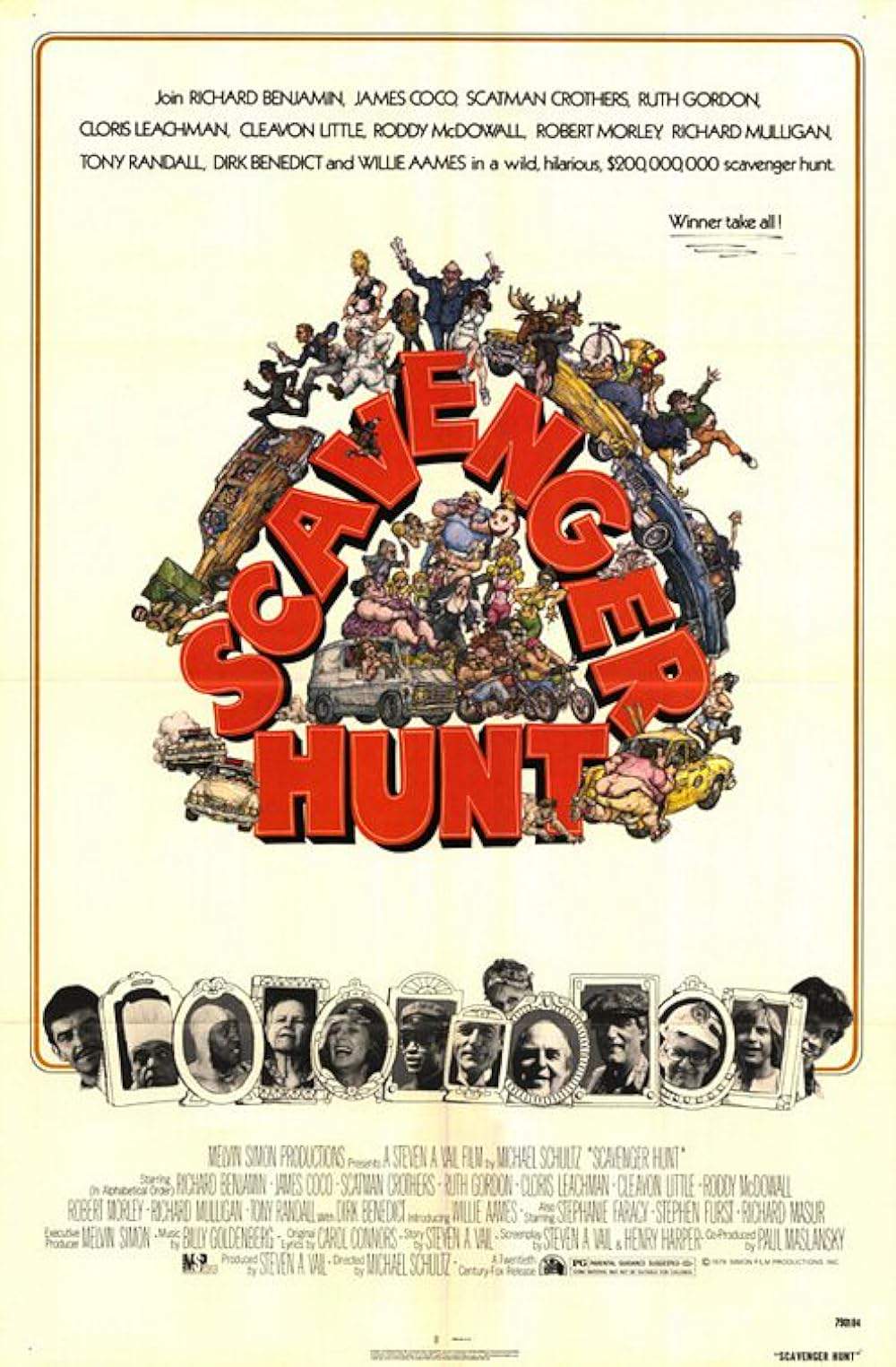
Scavenger Hunt
1979
Welcome Mr. President!
2013

Presidential Reunion
2010

A Fish Out of Water
2017

Getting Lucky
1989

The Restaurant
1966

Phony Express
1943

Incorrigible Liar
1973
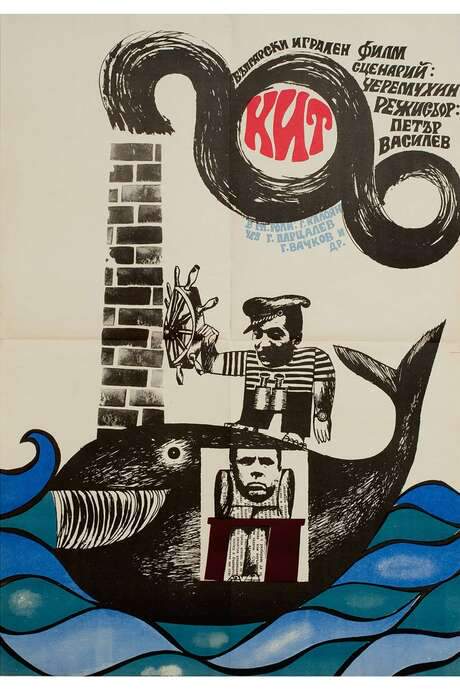
Whale
1970

Where’s That Fire
1939

Her Highness and the Bellboy
1945

The Lucky Corner
1936
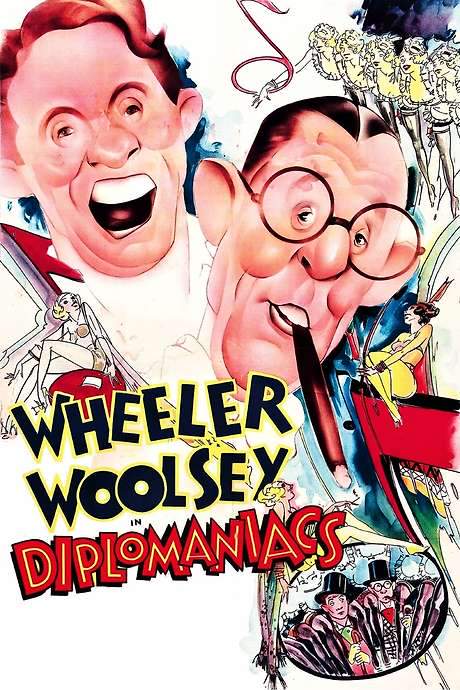
Diplomaniacs
1933

The Sin of Harold Diddlebock
1947
Narrative Summary
The narrative follows a 'fish out of water' arc, beginning with a humble protagonist living a simple life. A sudden, often absurd, twist of fate catapults them into a position of leadership for which they are completely unprepared. The central conflict arises from their struggle to apply their innate decency and logic to a world of rigid rules and cynical players, ultimately proving that authenticity can be a surprising strength.
Why These Movies?
These films are grouped together because they share a core premise of inverted expectations. They blend comedy with a touch of social commentary, maintaining a lighthearted and optimistic tone even as the protagonist navigates serious institutions. The focus is on character-driven humor and the uplifting idea that anyone can make a difference.
Whimsical satirical comedies similar to Welcome Mr. President!
Charming comedies that gently poke fun at serious institutions.Fans of the lighthearted and quirky satire in Welcome Mr. President! will find more to love here. Explore movies that blend clever social commentary with a feel-good vibe, where humor is used to highlight the triumph of common sense and decency over rigid systems.

The Big Bad Fox & Other Tales
2018
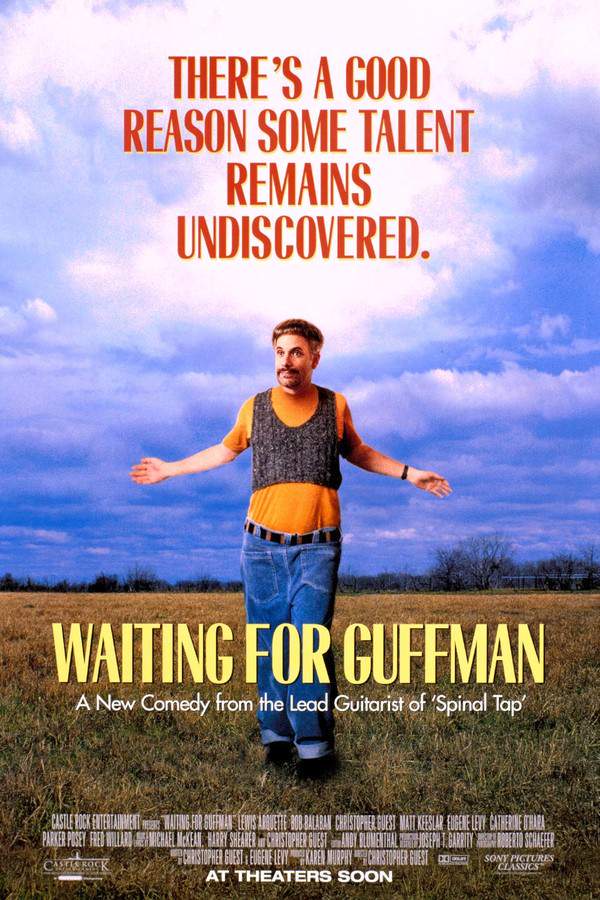
Waiting for Guffman
1997

Bewitched
2005

The Wonderful Story of Henry Sugar
2023
Welcome Mr. President!
2013

Fun Is Beautiful
1980

Harvey
1950

Sympathy Seeker
1997
Whale
1970

The Good Fairy
1935

Laughter in Paradise
1951
Her Highness and the Bellboy
1945

Blithe Spirit
1945

Capricious Summer
1968

Hiling
1998
Narrative Summary
Stories in this thread are built around a central, slightly surreal premise that allows for commentary on real-world issues. The plot unfolds steadily, focusing on character interactions and the humorous contrast between naive idealism and jaded cynicism. The resolution is typically uplifting, affirming the value of authenticity and human connection without becoming overly sentimental.
Why These Movies?
These movies share a specific tonal blend: the cleverness of satire mixed with the warmth of a feel-good story. The pacing is consistent and engaging, the emotional weight is deliberately light, and the overall experience is designed to be intellectually amusing and emotionally uplifting simultaneously.
Unlock the Full Story of Welcome Mr. President!
Don't stop at just watching - explore Welcome Mr. President! in full detail. From the complete plot summary and scene-by-scene timeline to character breakdowns, thematic analysis, and a deep dive into the ending - every page helps you truly understand what Welcome Mr. President! is all about. Plus, discover what's next after the movie.
Welcome Mr. President! Timeline
Track the full timeline of Welcome Mr. President! with every major event arranged chronologically. Perfect for decoding non-linear storytelling, flashbacks, or parallel narratives with a clear scene-by-scene breakdown.

Characters, Settings & Themes in Welcome Mr. President!
Discover the characters, locations, and core themes that shape Welcome Mr. President!. Get insights into symbolic elements, setting significance, and deeper narrative meaning - ideal for thematic analysis and movie breakdowns.


