


Plot Explained Spoilers guaranteed!
Plot Explained

Browse by genre

Weekend (1967) movie poster

Characters & Themes

Weekend (1967) Characters, Setting & Themes Explained

Release, runtime and language
1967 · 104 mins · French
JustWatch #14,546 20
Directed by
Jean-Luc Godard
Starring
Juliet Berto, Jean Eustache, Anne Wiazemsky, László Szabó, Jean Yanne, Georges Staquet

The film follows a seemingly peaceful weekend getaway to the French countryside that quickly devolves into a relentless nightmare of endless traffic snarls, revolution, gruesome cannibalism and brutal murders, exposing the collapse of bourgeois complacency under its own consumerist excesses.

On this page (8)
  1. 1 Where to watch
  2. 2 Characters explained (2)
  3. 3 Where & when it takes place
  4. 4 Themes & meaning (4)
  5. 5 Character & meaning questions
  6. 6 Movie threads
  7. 7 Movies like Weekend
  8. 8 Every angle

Where to watch

Where to Watch Weekend (1967)

Where can you watch Weekend? Stream, rent or buy it in the US, including on HBO Max: current JustWatch availability with up-to-date prices.

Streaming availability powered by JustWatch

2 main characters · contains spoilers

Weekend Characters Explained: Who Is Who

The main characters of Weekend (1967), heroes and villains: what drives them, how they change over the course of the story and what each of them reveals about the film's bigger ideas.

  • Roland Durand (Jean Yanne)

    A pragmatic, self-interested bourgeois husband who conspires with Corinne to murder the other in order to secure the inheritance. He is detached and ironic, treating danger as a game, and his plan unravels amid a road-trip filled with surreal encounters and violent twists. His fate culminates in death at the hands of revolutionaries during an escape attempt.

    • 🎭 Bourgeoisie
    • 💰 Inheritance
    • 🗡️ Deceit
    • 🧭 Survival
  • Corinne Durand (Mireille Darc)

    A bourgeois wife determined to secure her father's estate, she colludes with Roland to murder the other to protect her privilege. She moves through the countryside with a mix of calculation and anxiety, blending charm with ruthlessness. After discovering her father has died and being thwarted by her mother, she continues the lethal search until the group of revolutionaries captures them.

    • 🎭 Bourgeoisie
    • 💔 Infidelity
    • 💰 Inheritance

Last updated: February 03, 2026 at 07:29

Was this helpful?

Setting

Where and When Does Weekend Take Place?

The setting of Weekend (1967): the year and time period, the places and locations, and how they shape the characters, the mood and the tension of the story.

Time period

1960s

The narrative unfolds in mid-1960s France, a period of social upheaval and experimental cinema. Godard's era saw films push against traditional narrative, which Weekend embodies through metafictional intertitles and self-aware characters. The mood of rebellion and disillusionment in the streets informs the film's tone and critique of bourgeois values.

Location

French countryside, Oinville

Set in the sunlit French countryside, the action moves from Corinne's family country home to the rural roads around Oinville. The countryside serves as a backdrop for social satire, exposing class tensions between the bourgeois couple and the locals they encounter. The place also hosts a series of surreal, violent moments that puncture the illusion of peaceful rural life.

  • 🌳 Rural landscape
  • 🏡 Country home
  • 🚗 Roadside encounters

Last updated: February 03, 2026 at 07:29

Was this helpful?

4 major themes

Weekend Meaning: Themes & Message Explained

What is Weekend (1967) really about? The emotional, social and philosophical themes the film keeps returning to, its symbolism and the message beneath the surface.

  • Class Struggle

    The film places a bourgeois couple at the center of a destabilized social order, highlighting how wealth and inheritance drive deceit and risk. Their plan to murder for gain collapses as the countryside exposes them to working-class and revolutionary forces. Encounters with farmers, travelers, and revolutionaries reveal the fault lines of modern society and how money shapes power.

  • Meta Cinema

    Weekend frequently breaks the fourth wall with self-conscious questions about film versus reality. Characters discuss being in a movie, and intertitles remind viewers of the artificial nature of the narrative. The presence of recognizable actors and a self-referential tone underscore Godard's commentary on cinema.

  • Violence

    The journey escalates into a string of violent accidents and brutal acts, culminating in murder and the group’s cannibalism. Violence is used to puncture the bourgeois dream of security and to strip away pretensions. The film treats violence as both spectacle and critique of societal brutality.

  • Rebellion

    The hippie revolutionaries, self-styled as the Seine and Oise Liberation Front, embody radical politics and their exploitation through theft and chaos. The pursuit of social change collides with personal betrayal and existential disillusionment. The film uses this rebellion to challenge the viewer's expectations of progress and morality.

Last updated: February 03, 2026 at 07:29

Was this helpful?

Character & theme questions

Weekend Characters & Meaning: Your Questions Answered

The questions people ask about Weekend (1967): who the characters really are, their relationships, what the symbols mean, where it takes place and what the movie is really about. Each answer contains spoilers.

Q1

Where is Weekend set?

Weekend takes place in the French countryside, primarily at Corinne's family country home and the rural roads around Oinville. The peaceful rural setting serves as a sharp contrast to the violent and chaotic events that unfold, exposing class tensions between the bourgeois couple and the working-class locals they encounter.

  • french countryside
  • oinville
  • setting
  • rural france
Q2

What time period does the film take place in?

The film is set in mid-1960s France, during a period of significant social upheaval and experimental cinema. This era of French history, marked by political unrest and cultural rebellion, directly informs the film's tone and its scathing critique of bourgeois values and consumerist society.

  • 1960s
  • france
  • time period
  • 1960s france
Q3

What is the Class Struggle theme in Weekend?

Weekend centers on a bourgeois couple whose plan to murder each other for inheritance collapses as they encounter working-class and revolutionary forces in the countryside. The film exposes how wealth and deceit drive their relationship, while encounters with farmers, travelers, and revolutionaries reveal the fault lines of modern French society and how money shapes power and class relations.

  • class struggle
  • bourgeois
  • working class
  • inheritance
  • social critique
Q4

How does Weekend use meta cinema?

Weekend frequently breaks the fourth wall with self-conscious moments where characters discuss being in a movie. Intertitles remind viewers of the artificial nature of the narrative, and the presence of recognizable actors reinforces Godard's commentary on cinema versus reality. This metafictional approach challenges viewers to question what they are watching.

  • meta cinema
  • fourth wall
  • self-referential
  • godard
  • film theory
Q5

How is violence used in Weekend?

Violence in Weekend escalates from accidents to brutal murders and cannibalism, serving as a tool to puncture the bourgeois dream of security and strip away pretensions. The film treats violence as both spectacle and critique, using it to expose the underlying brutality of society and the hollowness of middle-class complacency.

  • violence
  • graphic content
  • cannibalism
  • social critique
Q6

Who are the revolutionaries in Weekend?

The hippie revolutionaries in Weekend call themselves the Seine and Oise Liberation Front. They embody radical politics but are portrayed as exploitative, using theft and chaos to pursue social change. Their interaction with the protagonists challenges viewers' expectations of progress and morality while exposing personal betrayal and existential disillusionment.

  • revolutionaries
  • seine and oise liberation front
  • radical politics
  • rebellion
Q7

Who is Roland Durand?

Roland Durand is a pragmatic, self-interested bourgeois husband played by Jean Yanne. He conspires with his wife Corinne to murder each other for inheritance. Detached and ironic, he treats danger as a game. His plan unravels during a chaotic road trip filled with surreal encounters, and he ultimately meets his fate at the hands of revolutionaries during an escape attempt.

  • roland durand
  • jean yanne
  • bourgeois husband
  • inheritance plot
Q8

Who is Corinne Durand?

Corinne Durand is a bourgeois wife played by Mireille Darc, determined to secure her father's estate. She colludes with her husband Roland to murder him to protect her privilege. She moves through the countryside with calculation and anxiety, blending charm with ruthlessness. After her father dies and her mother thwarts her plans, she continues her lethal search until captured by revolutionaries.

  • corinne durand
  • mireille darc
  • bourgeois wife
  • inheritance plot
Q9

What is the overall tone and message of Weekend?

Weekend maintains a relentlessly dark and satirical tone that punishes its bourgeois protagonists without offering redemption. The film delivers an unforgiving critique of consumerism, class privilege, and social complacency. Its message suggests that the collapse of bourgeois society under its own excesses leads only to nihilism and brutality, with both main characters meeting gruesome fates.

  • tone
  • message
  • satire
  • nihilism
  • social critique
  • bleak ending
Q10

What makes Weekend significant in film history?

Weekend is significant as Jean-Luc Godard's radical departure from conventional narrative filmmaking. Released during France's social upheaval in the late 1960s, it combines surreal vignettes, historical references, and explicit metafictional elements. Its blend of social satire, graphic violence, and cannibalism made it controversial, establishing it as a landmark of French New Wave cinema that challenged both artistic and societal boundaries.

  • godard
  • french new wave
  • experimental cinema
  • film history
  • surrealism

Movie threads

More Movies Like Weekend, by Mood & Story

Curated lists built around what makes Weekend tick: the same mood, the same kind of story or the same emotional payoff. Each list explains why these movies belong together.

Movies about misanthropic social collapse like Weekend

Stories depicting the violent and chaotic unraveling of modern civilization. For viewers who enjoyed the savage breakdown of society in Weekend, this list features films with similar themes of anarchic violence, bourgeois decay, and nihilistic despair. Discover more movies that explore the brutal end of civilization with unflinching, satirical eyes.

  • misanthropic
  • anarchic
  • nihilistic
  • brutal
  • satirical
  • chaotic
  • Tone: dark, nihilistic, satirical
  • Pacing: variable, escalating chaos
Why these movies?

The story pattern: Narratives in this thread typically follow characters, often from a privileged or complacent background, as they are thrust into a rapidly deteriorating world. The journey is one of descent, moving from order to chaos, exposing the thin veneer of civilization and culminating in a bleak, often hopeless, outcome.

Why they belong together: These films are grouped by their shared commitment to a dark, misanthropic worldview. They use intense violence, surreal imagery, and satirical critique to explore the idea that societal order is a fragile construct, and its collapse reveals humanity's underlying savagery.
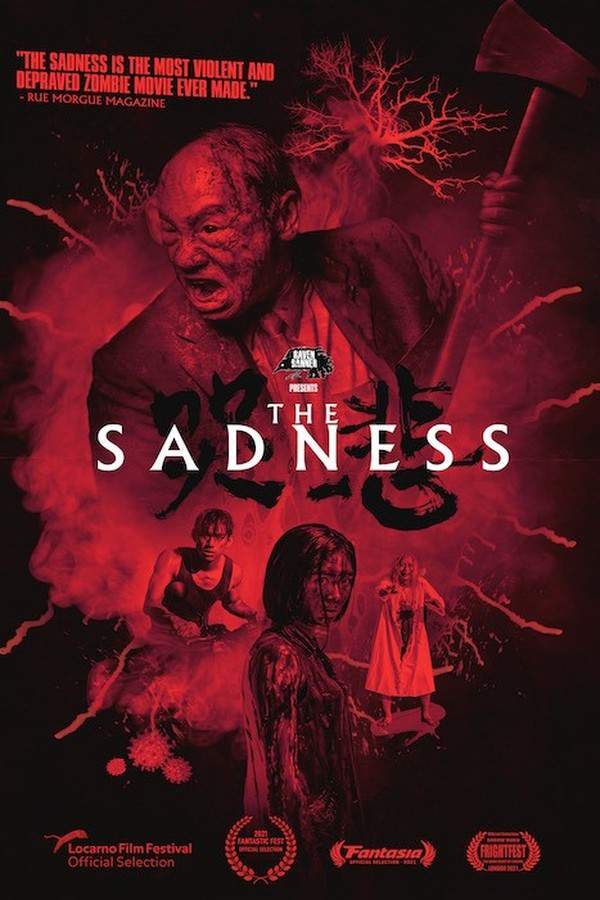
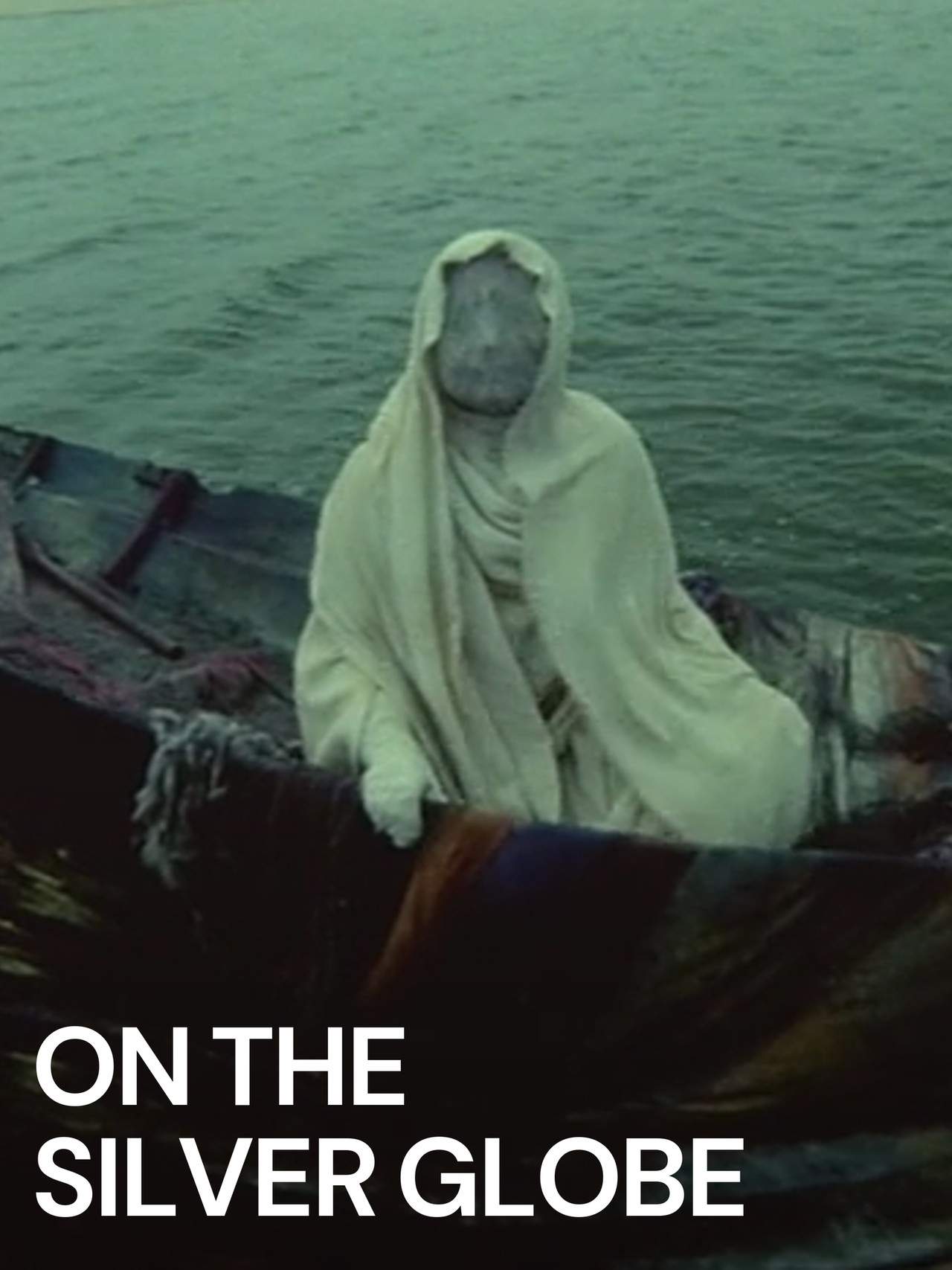
Surreal satirical nightmare movies similar to Weekend

Bizarre and brutal journeys that use absurdity to critique society. If you liked the absurd traffic jams and cannibalistic bourgeoisie in Weekend, explore this collection of surreal satires. These movies use bizarre narratives and shocking violence to critique consumerism, class, and modernity, creating a uniquely unsettling viewing experience.

  • surreal
  • satirical
  • absurd
  • unsettling
  • bizarre
  • dark humor
  • Tone: satirical, dark, surreal
  • Pacing: variable, dreamlike
Why these movies?

The story pattern: The narrative pattern is less about traditional plot and more about a thematic descent. The story unfolds like a fever dream, moving through a series of escalating, bizarre vignettes that challenge the protagonist's and viewer's perception of reality. Logic is secondary to metaphor, leading to a conclusion that reinforces the central cynical argument.

Why they belong together: These movies are united by their method: they use surrealism and satire as primary tools. The combination of absurd situations with a darkly comedic, yet brutally serious, tone creates a specific niche of film that is both intellectually stimulating and viscerally disturbing.

If you liked this

Movies Like Weekend

Similar movies to Weekend: the same genre, themes or kind of story. Each one comes with its own plot summary, timeline and ending explained.

Browse all movie summaries

Every angle

Weekend (1967) Explained: Plot, Timeline & Characters

Everything about Weekend in one place: what happens in the plot summary, the timeline in chronological order, the characters and meaning and a spoiler-free summary. What's After the Movie adds the cast, box office and post-credit scenes.

Coming soon on iOS and Android

The Plot Explained Movie Summary App

Plot summaries, endings explained and timelines on your phone. Catch up on any movie in minutes, save your favorites and never miss a twist again.

Be the first to know when we launch. Your email stays private, always.

Learn more about the app