Year: 2016
Runtime: 95 mins
Language: Cantonese
Director: Steve Chan Chi Fat
Set in 1980s Hong Kong, this film tells the true story of the city’s first teenage baseball team. Two childhood friends join the Shatin Martins, a school team led by the principal. As they develop their skills, they experience the joys of friendship, navigate first loves, and face important choices that shape their futures, all against the backdrop of a changing Hong Kong and its evolving sporting landscape.
Warning: spoilers below!
Haven’t seen Weeds on Fire yet? This summary contains major spoilers. Bookmark the page, watch the movie, and come back for the full breakdown. If you're ready, scroll on and relive the story!
Explore the full timeline and setting of Weeds on Fire (2016). Follow every major event in chronological order and see how the environment shapes the story, characters, and dramatic tension.
Last updated: October 03, 2025 at 06:12
Meet the key characters of Weeds on Fire (2016), with detailed profiles, motivations, and roles in the plot. Understand their emotional journeys and what they reveal about the film’s deeper themes.
Last updated: October 03, 2025 at 06:12
Explore the central themes of Weeds on Fire (2016), from psychological, social, and emotional dimensions to philosophical messages. Understand what the film is really saying beneath the surface.
Last updated: October 03, 2025 at 06:12
Browse frequently asked questions about Weeds on Fire (2016) focused on characters, relationships, themes, symbols, setting, and story context. This movie info FAQ gives spoiler-aware explanations for character arcs, world details, and thematic interpretation so readers can better understand what the film is really about.
The film is primarily set in Sha Tin District, a dense suburban area in the New Territories of Hong Kong. Key locations include Wo Che Estate, where protagonists Lung and Wai grow up, the Shing Mun River area associated with community life, and Kei Kok College, the school that hosts the Shatin Martins baseball team.
The urban landscape of Wo Che Estate grounds the story in everyday Hong Kong life, contrasting with the eventual sporting achievements.
The main story unfolds in 1984 during a period of significant political change in Hong Kong. The narrative also includes a later thread set in 2014 during the Umbrella Movement, connecting the characters' past resilience to present-day civic energy.
The 1984 setting places the story just years before the 1997 handover, adding underlying tension to the personal journeys.
The film explores four major themes: Team Focus, emphasizing discipline and collective effort over individual glory; Victory Spirit, showing perseverance through setbacks; Friendship Tested, examining how rivalry and betrayal strain relationships; and Change & Hope, linking personal growth to Hong Kong's evolving political landscape.
The theme of Change & Hope connects the 1984 baseball achievements to the 2014 Umbrella Movement, suggesting resilience across generations.
Lo Kwong-Fai (played by Liu Kai-Chi) serves as both principal and coach. He believes in using baseball to reform troubled youths, recruiting Lung, Wai and their peers while instilling discipline and teamwork. His strict yet hopeful mentorship anchors the team through failures and growth.
His belief in using sport for youth reform establishes the principled foundation that drives the team's transformation.
Tse Chi-Lung (Lam Yiu-Sing), nicknamed Lung, is a diligent teen from Wo Che Estate who joins the Shatin Martins baseball team. He balances team duty with personal growth as his family and romantic life face strain, eventually becoming a steady center for the team and gaining confidence through shared discipline.
Lung's humble beginnings at Wo Che Estate establish his grounded character, which allows him to weather the challenges ahead.
Fan Chun-Wai (Tony Wu) is a talented pitcher on the Shatin Martins who initially shines but struggles under pressure and his own impulses. His arrogance creates conflict with teammates, and his later choices pull him toward dangerous distractions, though he eventually seeks redemption and learns to support the team.
Wai's early promise and subsequent struggles set up his redemption arc, which resolves the theme of friendship tested.
Tsz-Ching (Hedwig Tam) is Lung's love interest and becomes a focal point for personal and ethical tensions. She faces family strain and an unexpected pregnancy, revealing her courage and independence as she navigates difficult choices. Her relationship dynamics with both Wai and Lung highlight the human cost behind sporting ambition.
Her pregnancy subplot weaves personal stakes into the team's athletic journey, showing that victory extends beyond the baseball field.
1984 was a pivotal year in Hong Kong's history, marked by political uncertainty ahead of the 1997 handover to China. The film uses this backdrop to frame the baseball team's achievements as a symbol of local pride and resilience amid urban transformation and community upheaval.
The political tension of 1984 informs the theme of Change & Hope, suggesting the characters' struggles mirror Hong Kong's broader uncertain future.
The film includes a later thread set in 2014 during the Umbrella Movement, revisiting the Shing Mun locale at the Admiralty Occupy Site. This framing connects the characters' past resilience in 1984 to present-day civic energy, suggesting that the spirit of perseverance displayed by the baseball team continues to inspire new generations.
The final scenes at Admiralty bridge the personal victories of the 1980s to collective political action decades later.
The Shatin Martins represent Hong Kong's first teenage baseball team, making them historically significant. The team's journey from rough beginnings to championship victory symbolizes collective effort and local pride. The film portrays baseball as a means of youth reform and community building during a time of social change.
The team's historic status positions their victory as more than personal achievement, it becomes a milestone for Hong Kong sports.
The film explores family strain through Lung's situation, his father's steady but limited presence and his mother's extramarital affair, which creates upheaval in the household. These personal challenges ground Lung's moral decisions and force him to balance family responsibility with athletic ambition, reinforcing the theme that personal growth happens amid real-world struggles.
Lung's family difficulties test his character and contribute to his development as a leader on and off the field.
Yes, Weeds on Fire is based on the true story of Hong Kong's first teenage baseball team. The film dramatizes the real history of the Shatin Martins, a school team from Sha Tin District that achieved historic success in the 1980s, while adding fictionalized personal storylines for dramatic effect.
The factual foundation gives weight to the characters' achievements, making their victory feel genuinely significant.
Discover curated groups of movies connected by mood, themes, and story style. Browse collections built around emotion, atmosphere, and narrative focus to easily find films that match what you feel like watching right now.
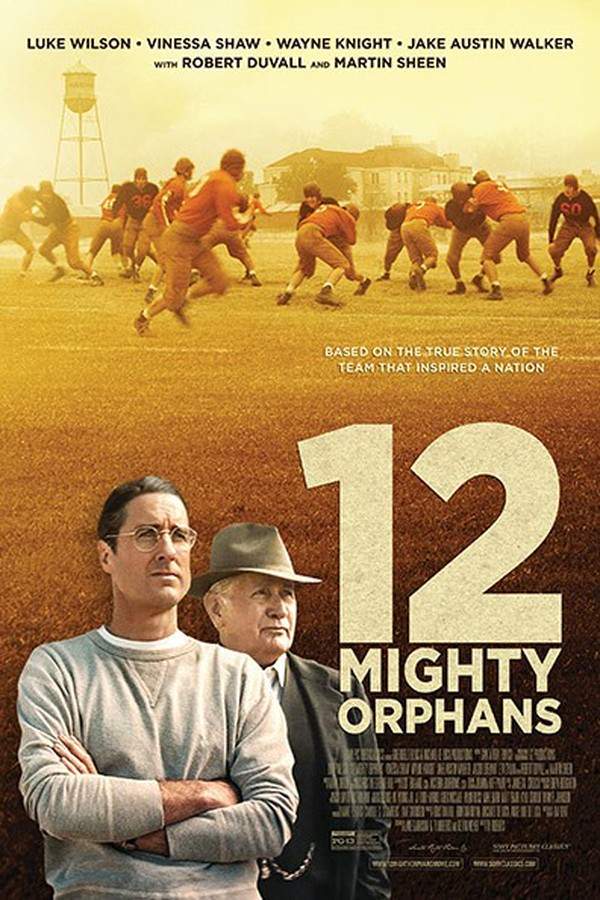
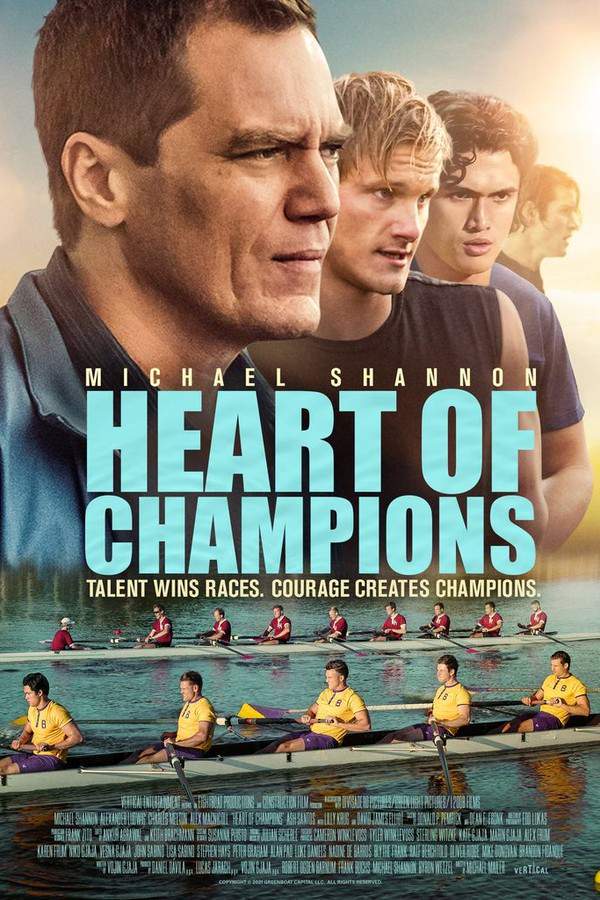
Inspiring sports dramas based on real teams overcoming personal and societal odds.If you enjoyed the inspirational true story of the Shatin Martins in Weeds on Fire, you'll find similar movies here. This collection features heartfelt dramas about real-life sports underdogs, where teamwork and perseverance lead to personal and collective victories against a backdrop of authentic challenges.
Narratives in this thread typically follow a linear sports season structure, building steadily towards a climactic competition. The journey is as much about the characters' personal struggles and bonds as it is about the game itself. The focus is on collective effort, overcoming adversity, and the bittersweet reality that victory often comes with personal cost.
Movies are grouped here for their shared foundation in true stories, their focus on teamwork and perseverance, and their ability to deliver an earnest, inspirational vibe. They balance the grit of real-life problems with the uplifting payoff of athletic achievement.

Youthful journeys of friendship and first love set against a backdrop of social transition.Fans of Weeds on Fire's portrayal of youth in 1980s Hong Kong will appreciate these similar films. Discover coming-of-age stories where the characters' personal dramas of friendship, first love, and tough choices are deeply intertwined with the social and historical changes happening around them.
These narratives follow young protagonists as they form pivotal friendships, experience first love, and face defining choices. The external world—be it political change, economic shifts, or cultural evolution—constantly presses on their personal lives, forcing them to mature quickly. The endings are often bittersweet, acknowledging growth but also the loss of innocence and the friends left behind.
These films share a specific mood: a nostalgic, heartfelt look back at youth, tinged with melancholy for a time that is passing. The combination of steady, character-focused pacing with medium emotional weight creates a reflective and earnest experience centered on the poignant intersection of personal and historical change.
Don't stop at just watching - explore Weeds on Fire in full detail. From the complete plot summary and scene-by-scene timeline to character breakdowns, thematic analysis, and a deep dive into the ending - every page helps you truly understand what Weeds on Fire is all about. Plus, discover what's next after the movie.
Read a complete plot summary of Weeds on Fire, including all key story points, character arcs, and turning points. This in-depth recap is ideal for understanding the narrative structure or reviewing what happened in the movie.
Track the full timeline of Weeds on Fire with every major event arranged chronologically. Perfect for decoding non-linear storytelling, flashbacks, or parallel narratives with a clear scene-by-scene breakdown.