Year: 1997
Runtime: 97 mins
Language: English
Director: Stephen Surjik
In the cut‑throat world of business, size matters. Two rival media magnates clash over the coveted ownership of a professional football team, weaponizing their newspapers, magazines and television stations to smear each other's reputations and gain the upper hand.
Warning: spoilers below!
Haven’t seen Weapons of Mass Distraction yet? This summary contains major spoilers. Bookmark the page, watch the movie, and come back for the full breakdown. If you're ready, scroll on and relive the story!
Explore the full timeline and setting of Weapons of Mass Distraction (1997). Follow every major event in chronological order and see how the environment shapes the story, characters, and dramatic tension.
Last updated: October 04, 2025 at 16:46
Meet the key characters of Weapons of Mass Distraction (1997), with detailed profiles, motivations, and roles in the plot. Understand their emotional journeys and what they reveal about the film’s deeper themes.
Last updated: October 04, 2025 at 16:46
Explore the central themes of Weapons of Mass Distraction (1997), from psychological, social, and emotional dimensions to philosophical messages. Understand what the film is really saying beneath the surface.
Last updated: October 04, 2025 at 16:46
Browse frequently asked questions about Weapons of Mass Distraction (1997) focused on characters, relationships, themes, symbols, setting, and story context. This movie info FAQ gives spoiler-aware explanations for character arcs, world details, and thematic interpretation so readers can better understand what the film is really about.
The story unfolds primarily in Los Angeles, where two rival media magnates clash over ownership of a professional football team. Tucson appears as a secondary but strategically important setting, tied to ownership of another football club and regional assets. The contrast between glamorous Los Angeles and the desert backdrop underscores how high-stakes power games ripple into ordinary lives.
The central conflict involves Phillip Messenger and Julian Messenger, two billionaire media magnates who are also family rivals. Both use their newspapers, magazines, and television stations as weapons to smear each other's reputations and gain control of a Los Angeles NFL franchise. Their ruthless power struggle drives the entire narrative.
The film examines how wealth and influence are used to bend institutions and individuals to the will of those who control them. Control over a sports franchise, media, and public narratives overrides ethics and accountability. Personal secrets become leverage in a game where enemies are defined by access and money, creating a corrosive environment where power corrupts both leaders and those around them.
Ownership of information is depicted as a weapon that shapes reputations, careers, and public outcomes. The bid for the football team becomes a spectacle where publicity and ratings drive decisions as much as financials. The film reveals how tabloid exposure and carefully crafted images can ruin real lives, highlighting the performative nature of wealth and the price of living in the public eye.
Phillip Messenger is a ruthless media magnate portrayed as willing to destroy rivals for control of a Los Angeles football franchise. He uses wealth and secrets to bend people and institutions to his will, treating the bid as a pure power play. His charm masks a calculating, transactional approach to relationships where people are tools to achieve his goals, with his actions rippling through families and workers caught in the crossfire.
Julian Messenger is Phillip's rival and fellow scion, equally ruthless but focused on building strategic alliances and public perception. He guards the Messenger dynasty with a cool, calculating demeanor and exploits any opening for advantage. His moves reveal the fragility of trust within powerful families operating in a cutthroat industry, making him a mirror to Phillip's aggression.
Lionel Powers is a billionaire determined to retain ownership of his football club in Tucson, using every means at his disposal to outmaneuver rivals. He treats everyone as a potential asset or obstacle in his bid for dominance. His ruthless pragmatism exposes the cruelty that can underlie high-stakes business and politics, representing a third force in the competitive landscape.
Hidden truths drive the plot, threatening marriages, alliances, and empires alike. Characters weaponize personal scandals to pursue advantage, with tragic consequences for many involved. The unraveling secrets force characters to confront the costs of their choices, with the climax hinging on how much of the private world can survive in the glare of public scrutiny.
Ariel Powers is the wife of Lionel Powers whose private life becomes public fodder as intimate details surface. She navigates the relentless media spotlight while grappling with the fallout of her husband's merciless ambitions. Her personal struggle highlights the human cost of ruthless power games, representing the collateral damage of the moguls' warfare.
Working-class characters like Jerry Pascoe lose their jobs amid corporate cost-cutting, with their family's lives upended by the moguls' games. Even children's television presenter Robin Zimmer becomes a target, illustrating how innocent public figures are pulled into larger schemes. The film shows how high-stakes power struggles ripple into ordinary lives, causing economic precarity and personal instability.
The film blends comedy, drama, and TV movie genres, creating a satirical comedy-drama that critiques power and media manipulation. Despite its comedic elements and satirical tone, the story carries a dark portrayal of corruption and the human cost of ambition. The ending is bittersweet, as a compromise halts the immediate crisis but leaves a fragile peace and lingering moral compromise.
Discover curated groups of movies connected by mood, themes, and story style. Browse collections built around emotion, atmosphere, and narrative focus to easily find films that match what you feel like watching right now.
Dark comedies where powerful elites destroy each other for status and control.If you enjoyed the cynical media mogul battle in Weapons of Mass Distraction, you'll like these movies. This section features similar satirical stories about ruthless corporate warfare, where powerful figures clash in high-stakes games of power, leaving a wake of ruined lives.
The narrative typically follows a fierce rivalry between two or more powerful entities (CEOs, moguls, politicians) whose conflict escalates through increasingly destructive and morally questionable tactics. Subplots often explore the personal toll on those caught in the crossfire, building towards a resolution that reveals the hollowness of the victory.
Movies are grouped here for their shared darkly comedic tone, focus on power dynamics, and satirical take on ambition. They feature fast-paced escalation, morally ambiguous characters, and a critical view of the institutions they portray.
Stories where the conflict ends, but the victory feels compromised and hollow.Fans of the compromised resolution in Weapons of Mass Distraction will appreciate these films. Discover similar movies with bittersweet endings, where the story concludes with a fragile peace or a victory that feels hollow, mirroring the cynical tone of the original film.
The narrative journey involves characters engaging in a high-stakes, often morally gray conflict. While the immediate crisis is resolved, the conclusion underscores the cost of their ambition. The ending feels bittersweet, highlighting that the battle may have been won, but at a significant personal or ethical price, leaving a sense of unease rather than triumph.
These films are connected by their shared emotional payoff: a resolution that mixes relief with regret. They balance dark or tense narratives with an ending that is neither purely happy nor tragic, but thoughtfully ambiguous, reflecting the complexity of the world they depict.
Don't stop at just watching - explore Weapons of Mass Distraction in full detail. From the complete plot summary and scene-by-scene timeline to character breakdowns, thematic analysis, and a deep dive into the ending - every page helps you truly understand what Weapons of Mass Distraction is all about. Plus, discover what's next after the movie.
Read a complete plot summary of Weapons of Mass Distraction, including all key story points, character arcs, and turning points. This in-depth recap is ideal for understanding the narrative structure or reviewing what happened in the movie.
Track the full timeline of Weapons of Mass Distraction with every major event arranged chronologically. Perfect for decoding non-linear storytelling, flashbacks, or parallel narratives with a clear scene-by-scene breakdown.
Discover movies like Weapons of Mass Distraction that share similar genres, themes, and storytelling elements. Whether you’re drawn to the atmosphere, character arcs, or plot structure, these curated recommendations will help you explore more films you’ll love.
Weapons of Mass Distraction (1997) Plot Summary & Movie Recap
Weapons of Mass Distraction (1997) Scene-by-Scene Movie Timeline
Weapons of Mass Distraction (1997) Spoiler-Free Summary & Key Flow
Movies Like Weapons of Mass Distraction – Similar Titles You’ll Enjoy
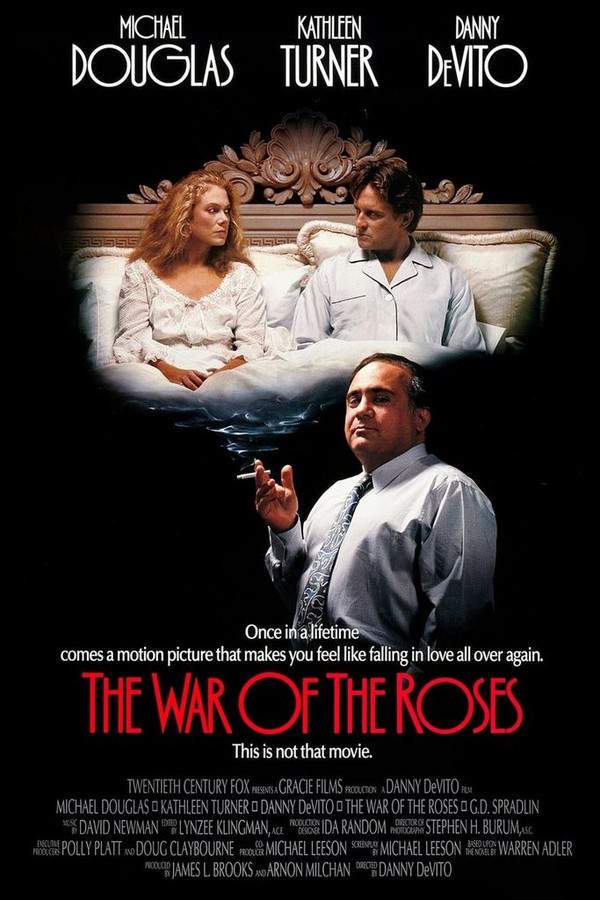
The War of the Roses (1989) Full Movie Breakdown
Dirty Work (2018) Plot Summary & Ending Explained
The Weapons of Death (1981) Story Summary & Characters
The American Success Company (1980) Film Overview & Timeline
Deal of the Century (1983) Film Overview & Timeline
The Boss’ Wife (1986) Full Movie Breakdown
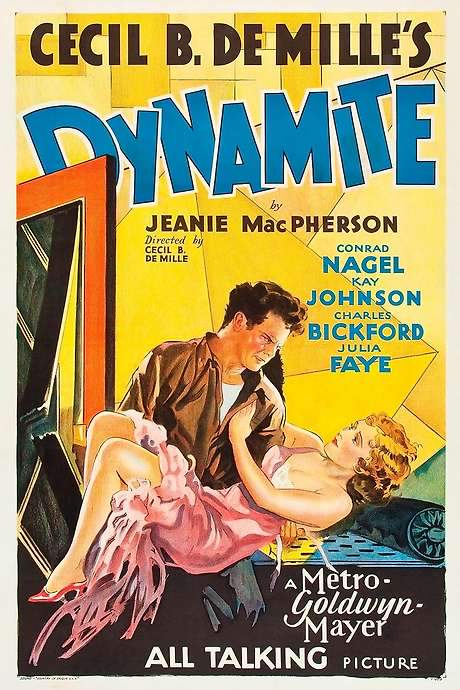
Dynamite (1929) Full Movie Breakdown
A Woman of Distinction (1950) Film Overview & Timeline
Her Husband’s Affairs (1947) Plot Summary & Ending Explained
Barbarians at the Gate (1993) Plot Summary & Ending Explained
Big Business Girl (1931) Plot Summary & Ending Explained
What a Blonde (1945) Detailed Story Recap
Sex, Lies & Politics (1997) Plot Summary & Ending Explained
My New Gun (1992) Story Summary & Characters
Top Secret Affair (1957) Detailed Story Recap