Plot Explained Spoilers guaranteed!
Plot Explained

Browse by genre

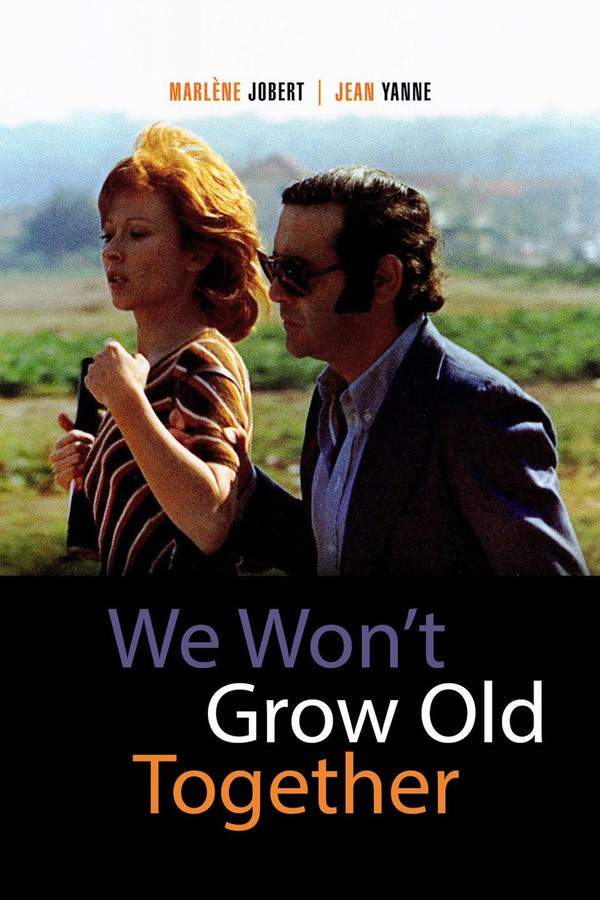
We Won’t Grow Old Together (1972) movie poster

Characters & Themes

We Won’t Grow Old Together (1972) Characters, Setting & Themes Explained

Release, runtime and language
1972 · 110 mins · French
Directed by
Maurice Pialat
Starring
Macha Méril, Jean Yanne, Maurice Risch, Marlène Jobert, Muse Dalbray, Patricia Pierangeli

Jean, a married 40‑year‑old filmmaker, and his young working‑class lover Catherine, navigate a repeatedly cyclical relationship marked by spectacular blow‑ups and tentative reunions. Their contrasting backgrounds and Jean’s marriage heighten the tension, while a relentless mutual desire reignites their passion again and again.

On this page (7)
  1. 1 Characters explained (4)
  2. 2 Where & when it takes place
  3. 3 Themes & meaning (4)
  4. 4 Character & meaning questions
  5. 5 Movie threads
  6. 6 Movies like We Won’t Grow Old Together
  7. 7 Every angle

4 main characters · contains spoilers

We Won’t Grow Old Together Characters Explained: Who Is Who

The main characters of We Won’t Grow Old Together (1972), heroes and villains: what drives them, how they change over the course of the story and what each of them reveals about the film's bigger ideas.

  • Jean (Jean Yanne)

    Jean is a cynical, middle-aged film technician whose affair with Catherine is undercut by a long-standing marriage to Françoise. He vacillates between warmth, derision, and emotional explosions, showing a self-centered worldview that resists real change. His pattern of breaks and promises ultimately fails to deliver the stability Catherine seeks.

    • 🧠 Complex personality
    • 🎭 Troubled romance
    • 🗣️ Poor communication
  • Catherine (Marlène Jobert)

    Catherine is a younger shop assistant who seeks independence and a more reliable partner. She grows warmer with her family, starts imagining life beyond Jean, and gradually embraces the possibility of leaving an unfulfilling relationship. Her choice in the final act marks a firm assertion of self-respect.

    • 🌱 Growth
    • 🧭 Independence
    • 🔄 Evolving relationship
  • Françoise (Macha Méril)

    Françoise is Jean's wife, whose marriage has eroded into routine and detachment. She represents the steadier, neglected partner who endures the upheaval caused by Jean's infidelity, while still embodying a kind of quiet resilience. Her presence anchors the domestic sphere that Jean destabilizes with his affairs.

    • 🏠 Domestic life
    • 💤 Marital routine
    • 🎗️ Unspoken needs
  • Catherine's Grandmother (Muse Dalbray)

    Catherine's grandmother offers warmth and a stabilizing counterpoint to the couple's turmoil. She embodies family support and traditional values, providing a safe space where Catherine can reflect on her future. Her presence highlights the contrast between familial care and romantic instability.

    • 👵 Generational warmth
    • 🎁 Family support
    • 🧭 Grounding influence

Last updated: December 04, 2025 at 15:29

Was this helpful?

Setting

Where and When Does We Won’t Grow Old Together Take Place?

The setting of We Won’t Grow Old Together (1972): the year and time period, the places and locations, and how they shape the characters, the mood and the tension of the story.

Time period

Early 1970s

Set in the early 1970s, the film mirrors a period of shifting gender roles and romantic mores in Western Europe. Relationships are depicted through intimate, unresolved confrontations rather than grand gestures, underscoring a climate of questioning commitment. The era's social atmosphere frames the characters' desperation for connection against a backdrop of change.

Location

France

The story unfolds within a contemporary French urban milieu, focusing on intimate spaces like apartments, shops, and eateries where the couple's volatile relationship plays out. The setting emphasizes modern life in France, with routines and social norms that shape the characters' choices. While the exact city isn't named, the atmosphere is distinctly French, reflecting a society navigating traditional expectations and personal freedom.

  • 🇫🇷 France
  • 🏙️ Urban setting
  • 🕰️ 1970s vibe

Last updated: December 04, 2025 at 15:29

Was this helpful?

4 major themes

We Won’t Grow Old Together Meaning: Themes & Message Explained

What is We Won’t Grow Old Together (1972) really about? The emotional, social and philosophical themes the film keeps returning to, its symbolism and the message beneath the surface.

  • Love vs. Commitment

    The film relentlessly probes whether passion can sustain a relationship or if stability and trust require renunciation of desire. Jean's fluctuating devotion and Catherine's growing longing for a secure future generate a tug-of-war that exposes the fragility of romance. The narrative suggests that true commitment demands more than sentiment; it demands action and reliability.

  • Power & Control

    Jean's self-centered habit of alternating between affection and contempt places him in a position of emotional leverage over Catherine. Her increasing independence challenges his grip, turning conversations into tests of dominance and submission. The power dynamic shifts as Catherine encounters alternative, steadier affection and decides her own fate.

  • Independence

    Catherine's exploration of life outside Jean's orbit marks a pivot toward personal agency. She discovers warmth and support in her family and begins to imagine a future that doesn't require waiting by the phone. The film frames growth as a quiet, painful transformation rather than a dramatic escape.

  • Cycles of Conflict

    The relationship moves in repetitive cycles—threats to leave, apologies, temporary peace—until a final awakening redefines boundaries. Each cycle amplifies emotional distance and reveals the hollowness of Jean's promises. By the end, Catherine's resolve signals a break from the pattern.

Last updated: December 04, 2025 at 15:29

Was this helpful?

Character & theme questions

We Won’t Grow Old Together Characters & Meaning: Your Questions Answered

The questions people ask about We Won’t Grow Old Together (1972): who the characters really are, their relationships, what the symbols mean, where it takes place and what the movie is really about. Each answer contains spoilers.

Q1

Where does the story take place?

The film unfolds in a contemporary French urban setting, primarily within intimate spaces like apartments, shops, and eateries. While the exact city isn't named, the atmosphere is distinctly French, reflecting modern life in France where social norms and routines shape the characters' choices.

  • france
  • paris
  • urban setting
  • french backdrop
  • city location
Q2

When is the movie set?

The film is set in the early 1970s, during a period of shifting gender roles and changing romantic mores in Western Europe. This era's social atmosphere frames the characters' desperate need for connection against a backdrop of cultural change and questioning of traditional commitment.

  • 1970s
  • time period
  • early 1970s
  • 1970s france
  • era
Q3

What does the film say about love versus commitment?

The film relentlessly probes whether passion can sustain a relationship or if stability and trust require renouncing desire. Jean's fluctuating devotion and Catherine's growing longing for security create a tension that exposes the fragility of romance. The narrative suggests true commitment demands more than sentiment, it requires action and reliability.

  • love
  • commitment
  • passion
  • romance
  • relationship
  • destroyed love
Q4

How is power depicted between Jean and Catherine?

Jean's self-centered pattern of alternating between affection and contempt places him in a position of emotional leverage over Catherine. As she gains independence and encounters steadier affection, the power dynamic shifts, turning their interactions into tests of dominance until Catherine decides her own fate.

  • power
  • control
  • dominance
  • emotional abuse
  • toxic relationship
  • manipulation
Q5

What does Catherine's character arc represent?

Catherine's journey represents a pivot toward personal agency. She explores life outside Jean's orbit, discovers warmth in her family, and begins imagining a future that doesn't require waiting by the phone. The film frames her growth as a quiet, painful transformation rather than a dramatic escape.

  • catherine
  • independence
  • personal growth
  • emancipation
  • self-discovery
  • female autonomy
Q6

What is the repeating cycle in the relationship?

The relationship moves in repetitive cycles, threats to leave, apologies, temporary peace, until a final awakening redefines boundaries. Each cycle amplifies emotional distance and reveals the hollowness of Jean's promises. By the end, Catherine's resolve signals a break from this destructive pattern.

  • cycles
  • repetition
  • toxic pattern
  • breakups
  • makeups
  • destructive cycle
Q7

Who is Jean and what defines him?

Jean is a cynical, middle-aged film technician married to Françoise who engages in an affair with Catherine. He vacillates between warmth, derision, and emotional explosions, showing a self-centered worldview that resists real change. His pattern of breaks and promises ultimately fails to deliver the stability Catherine needs.

  • jean
  • married man
  • film technician
  • self-centered
  • emotional volatility
Q8

Who is Françoise in the story?

Françoise is Jean's wife, whose marriage has eroded into routine and detachment. She represents the steadier, neglected partner who endures the upheaval caused by Jean's infidelity while embodying quiet resilience. Her presence anchors the domestic sphere that Jean destabilizes with his affairs.

  • francoise
  • jean's wife
  • neglected wife
  • marriage
  • domestic life
Q9

What role does Catherine's grandmother play?

Catherine's grandmother offers warmth and stabilizing support, acting as a counterpoint to the couple's turmoil. She embodies family support and traditional values, providing a safe space where Catherine can reflect on her future. Her presence highlights the contrast between familial care and romantic instability.

  • grandmother
  • family support
  • traditional values
  • home
  • safe space
Q10

What is the emotional tone of the film?

The film carries a melancholic tone, reflecting on the sadness and futility of the relationship rather than pure bleakness. The emotional weight is heavy, dealing directly with psychological abuse and the trauma of a long-term dysfunctional relationship, with no elements of humor or levity.

  • melancholy
  • emotional tone
  • psychological
  • heavy
  • dark romance
  • sad

Movie threads

More Movies Like We Won’t Grow Old Together, by Mood & Story

Curated lists built around what makes We Won’t Grow Old Together tick: the same mood, the same kind of story or the same emotional payoff. Each list explains why these movies belong together.

Movies about toxic relationships like We Won’t Grow Old Together

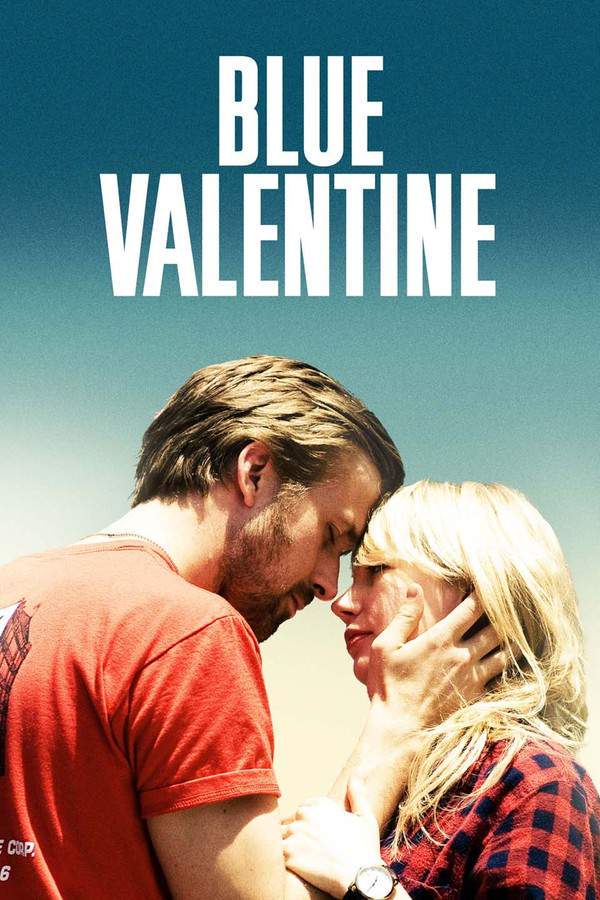
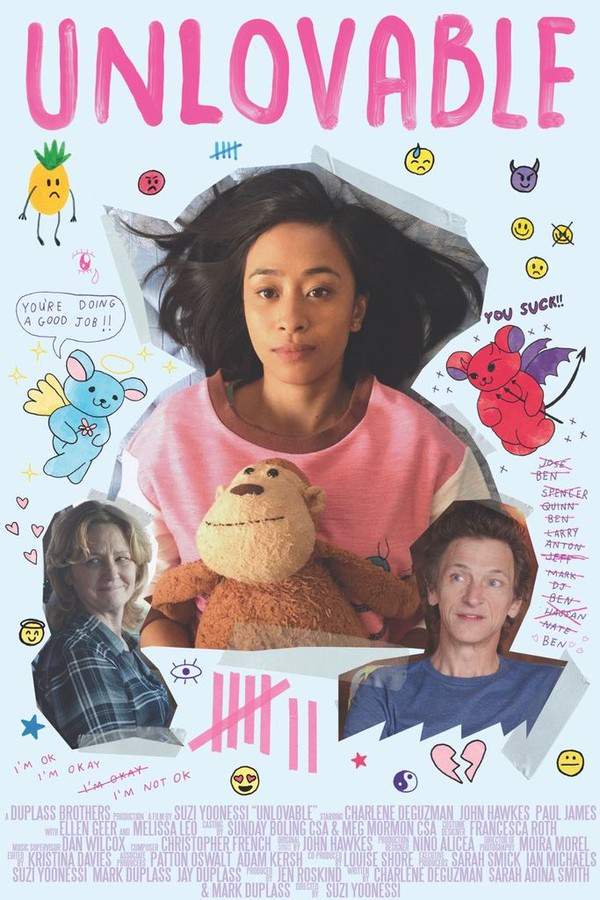
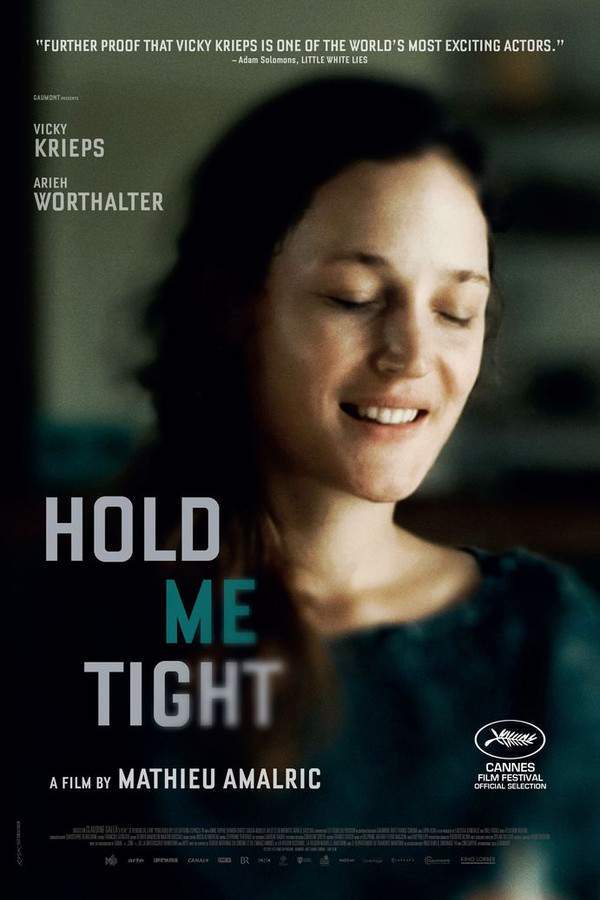
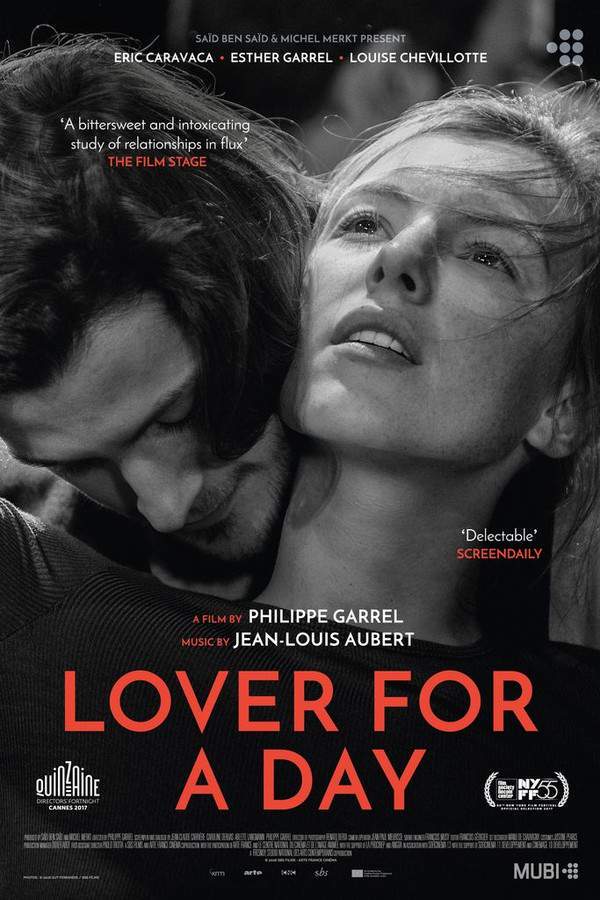
Unflinching looks into dysfunctional, obsessive, and emotionally destructive romances. If you were captivated by the raw and painful dynamic in We Won’t Grow Old Together, this list features similar movies about toxic relationships. Discover other films that explore emotional abuse, obsessive love, and the difficulty of leaving a destructive partnership with the same unflinching honesty.

  • raw
  • painful
  • oppressive
  • uncomfortable
  • frustrating
  • anxious
  • Tone: melancholic, raw, tense
  • Pacing: slow, character-focused
Why these movies?

The story pattern: Stories in this thread typically follow a central, dysfunctional couple locked in a repetitive cycle of blow-ups, reconciliations, and diminishing hope. The narrative is often character-driven, focusing on the psychological dynamics and power imbalances that keep the characters bound together, usually leading to a sad or bittersweet conclusion of separation or resigned acceptance.

Why they belong together: These films are grouped together because they share a commitment to depicting the harsh realities of love gone wrong. They prioritize emotional authenticity over romantic idealism, creating a specific and intense viewing experience defined by high emotional weight, a melancholic or tense tone, and a focus on psychological struggle.
Slow burn emotional dramas like We Won’t Grow Old Together

Character studies where tension and sadness build gradually to a powerful climax. For viewers who appreciated the gradual, immersive build-up of emotion in We Won’t Grow Old Together, this section highlights similar slow burn emotional dramas. Find movies that use a deliberate pace to explore heavy themes, complex characters, and deliver a powerful, often somber, emotional payoff.

  • slow burn
  • melancholic
  • heavy
  • immersive
  • sad
  • anxious
  • Tone: melancholic, heavy, anxious
  • Pacing: slow, deliberate, immersive
Why these movies?

The story pattern: The narrative pattern here is defined by a slow, steady pacing that prioritizes atmosphere and internal conflict over complex plot twists. The story unfolds through nuanced character interactions and long takes, building a sense of inevitable sadness or tension that culminates in a deeply felt, usually sad, ending.

Why they belong together: These movies are grouped by their shared approach to pacing and emotional impact. They use a slow, deliberate rhythm to create a specific vibe of immersion and heaviness. The similarity lies in the viewing experience itself: one of being slowly drawn into a difficult emotional reality rather than being carried by a quick plot.

If you liked this

Movies Like We Won’t Grow Old Together

Similar movies to We Won’t Grow Old Together: the same genre, themes or kind of story. Each one comes with its own plot summary, timeline and ending explained.

Browse all movie summaries

Every angle

We Won’t Grow Old Together (1972) Explained: Plot, Timeline & Characters

Everything about We Won’t Grow Old Together in one place: what happens in the plot summary, the timeline in chronological order, the characters and meaning and a spoiler-free summary. What's After the Movie adds the cast, box office and post-credit scenes.

Coming soon on iOS and Android

The Plot Explained Movie Summary App

Plot summaries, endings explained and timelines on your phone. Catch up on any movie in minutes, save your favorites and never miss a twist again.

Be the first to know when we launch. Your email stays private, always.

Learn more about the app