Plot Explained Spoilers guaranteed!
Plot Explained

Browse by genre

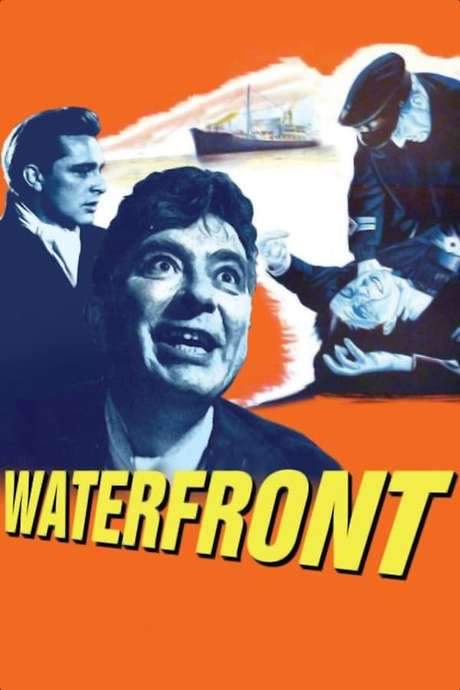
Waterfront (1950) movie poster

Characters & Themes

Waterfront (1950) Characters, Setting & Themes Explained

Release, runtime and language
1950 · 80 mins · English
Directed by
Michael Anderson
Starring
Robert Newton, Kathleen Harrison, Patrick Troughton, Duncan Lamont, James Hayter, Richard Burton

The film explores the desires and loneliness of seafaring men and their wives. When ship fireman Peter McCabe abandons his long‑suffering wife, she is left impoverished with two young daughters and a newborn son. Fourteen years later McCabe returns, dismissed and humiliated, bringing fresh trouble into their lives and reignites old wounds.

On this page (7)
  1. 1 Characters explained (6)
  2. 2 Where & when it takes place
  3. 3 Themes & meaning (3)
  4. 4 Character & meaning questions
  5. 5 Movie threads
  6. 6 Movies like Waterfront
  7. 7 Every angle

6 main characters · contains spoilers

Waterfront Characters Explained: Who Is Who

The main characters of Waterfront (1950), heroes and villains: what drives them, how they change over the course of the story and what each of them reveals about the film's bigger ideas.

  • Peter McCabe (Robert Newton)

    A ship’s fireman whose long absences at sea strain the family’s finances and emotional well-being. His stubborn pride triggers a violent incident and legal trouble, revealing a flawed but capable man who still seeks to provide. His return unsettles the family, raising questions about forgiveness and responsibility.

    • 🧭 Working-class
    • 🗡️ Flawed
    • 🔧 Maritime
  • Connie McCabe (Susan Shaw)

    The elder daughter who bears the burden of her family’s hardship. Her experiences during the years of absence shape her view of love, duty, and security. She embodies resilience as the household navigates economic strain and looming questions of stability.

    • 🔥 Family resilience
    • 👧 Young heroine
  • Ben Satterthwaite (Richard Burton)

    An engineer who becomes involved with Connie’s family and faces the pressures of unemployment during the slump. His relationship with Connie tests endurance and loyalty as circumstances threaten their engagement. His involvement with the ship’s life ties personal choices to the wider labor market.

    • 🧑‍🔧 Love
    • 💔 Economic hardship
  • George Alexander McCabe (Robin Netscher)

    The bright 12-year-old son who wins a scholarship, signaling a beacon of aspiration amid poverty. His scholarly success represents a future possibility for the family and provides a moment of shared pride. He also acts as a bridge between generations with a moment of Latin verse for his father.

    • 🧒 Education
    • 🌟 Hope
  • Mrs McCabe (Kathleen Harrison)

    The steadfast mother who keeps the household together through years of absence and want. She balances fear, practicality, and tenderness, acting as the emotional anchor for her children. Her strength is essential to maintaining the family’s cohesion.

    • 👩‍👧‍👦 Matriarch
    • 💪 Resilience
  • Ship's Captain (James Hayter)

    An authority figure aboard the Benediction who embodies the maritime world that structures much of the family’s life. His presence marks the navigation of ships and fates, linking port life to the broader industrial setting. He represents leadership within a precarious, labor-driven ecosystem.

    • ⚓ Authority
    • 🚢 Maritime life

Last updated: October 04, 2025 at 14:56

Was this helpful?

Setting

Where and When Does Waterfront Take Place?

The setting of Waterfront (1950): the year and time period, the places and locations, and how they shape the characters, the mood and the tension of the story.

Time period

1919

Set in the immediate post-World War I era, the film portrays a Britain grappling with economic slump and unemployment at the docks. The maritime industry looms large, with seafaring work shaping men’s fortunes and families waiting on letters and returns. The year 1919 provides a backdrop of instability, hope, and rebuilding for a working-class family in Liverpool.

Location

Liverpool waterfront, Empire Theatre, Walton Jail, Manchester, SS Benediction

The story is anchored in a Liverpool slum near the waterfront, where dockside poverty frames daily life. A celebration at the Empire Theatre marks a rare moment of hope for the family before hardship returns with the return of the sea-bound father. The Benediction, a ship, travels between ports, while a detour to Walton Jail and a visit to Manchester widen the geographic and social scope of the family’s world.

  • 🌊 Port city
  • 🏚️ Slum life
  • 🎭 Theatre setting
  • ⚓ Maritime life

Last updated: October 04, 2025 at 14:56

Was this helpful?

3 major themes

Waterfront Meaning: Themes & Message Explained

What is Waterfront (1950) really about? The emotional, social and philosophical themes the film keeps returning to, its symbolism and the message beneath the surface.

  • Family duty

    The central tension comes from a father’s prolonged absence and the family’s need to survive without him. The mother and children cultivate resilience as they navigate financial strain and emotional distance. Love and loyalty are tested, yet bonds endure through practical care and mutual support. The story ultimately probes what family means when a breadwinner is unreliable.

  • Consequences

    A late-life confrontation leads to a fatal clash, arrest, and a scramble for work that reshapes each character’s path. The film examines how violence and job insecurity ripple through a household when economic and legal pressures mount. Justice, punishment, and the chance for renewal intersect with personal responsibility. Choices made in desperation drive the narrative forward.

  • Poverty and resilience

    Set against the backdrop of dockyard decline, the film foregrounds a community where scarcity governs everyday life. Yet moments of achievement—George’s scholarship—show that aspiration persists even in hardship. Relationships adapt to shifting fortunes, and small acts of courage keep hope alive. Poverty is never glamorized, but resilience is depicted as a central discipline of the family.

Last updated: October 04, 2025 at 14:56

Was this helpful?

Character & theme questions

Waterfront Characters & Meaning: Your Questions Answered

The questions people ask about Waterfront (1950): who the characters really are, their relationships, what the symbols mean, where it takes place and what the movie is really about. Each answer contains spoilers.

Q1

Where does the film take place?

The film is set in a Liverpool slum near the waterfront, focusing on dockside poverty that frames the daily life of the working-class families. Key locations include the Empire Theatre, which represents a rare moment of hope, Walton Jail, and the city of Manchester, which widens the geographic scope of the family's world.

  • liverpool
  • waterfront
  • setting
  • docklands
  • empire theatre
Q2

What time period does the film depict?

Waterfront is set in 1919, the immediate post-World War I era. This period portrays Britain grappling with economic slump and high unemployment at the docks, providing a backdrop of instability and rebuilding for a working-class family in Liverpool.

  • 1919
  • post-wwi
  • time period
  • era
  • historical context
Q3

What are the main themes explored in the film?

The film explores three interconnected themes: family duty, which examines what family means when a breadwinner is unreliable; consequences, showing how violence and job insecurity ripple through a household; and poverty and resilience, depicting a community where scarcity governs everyday life yet aspiration persists.

  • themes
  • family duty
  • poverty
  • resilience
  • consequences
Q4

How does the film portray family duty?

The central tension comes from a father's prolonged absence and the family's need to survive without him. The mother and children cultivate resilience as they navigate financial strain and emotional distance. Love and loyalty are tested, yet bonds endure through practical care and mutual support, ultimately probing what family truly means when a breadwinner is unreliable.

  • family duty
  • abandonment
  • loyalty
  • resilience
  • parental responsibility
Q5

What role does the Liverpool waterfront play in the story?

The Liverpool waterfront serves as the story's anchor, representing both the economic lifeline and the source of instability for working-class families. The docks provide employment but also keep men away for long periods, with seafaring work shaping men's fortunes and families waiting on letters and returns.

  • liverpool
  • docks
  • maritime life
  • working class
  • seafaring
Q6

Who is Peter McCabe in the film?

Peter McCabe is a ship's fireman portrayed by Robert Newton. His long absences at sea strain the family's finances and emotional well-being. His stubborn pride triggers a violent incident and legal trouble, revealing a flawed but capable man who still seeks to provide. His return after fourteen years unsettles the family, raising questions about forgiveness and responsibility.

  • peter mccabe
  • robert newton
  • father
  • fireman
  • protagonist
Q7

Who is Connie McCabe?

Connie McCabe is the elder daughter who bears the burden of her family's hardship during her father's long absence. Her experiences shape her view of love, duty, and security. She embodies resilience as the household navigates economic strain and looming questions of stability.

  • connie mccabe
  • daughter
  • susan shaw
  • resilience
  • family burden
Q8

Who is Ben Satterthwaite?

Ben Satterthwaite is an engineer played by Richard Burton who becomes involved with Connie's family. He faces the pressures of unemployment during the economic slump. His relationship with Connie tests endurance and loyalty as circumstances threaten their engagement, with his involvement with the ship's life tying personal choices to the wider labor market.

  • ben satterthwaite
  • richard burton
  • engineer
  • connie's fiancé
  • unemployment
Q9

Who is George Alexander McCabe?

George Alexander McCabe is the 12-year-old son who wins a scholarship, signaling a beacon of aspiration amid poverty. His scholarly success represents a future possibility for the family and provides a moment of shared pride. He also acts as a bridge between generations, sharing a moment of Latin verse with his father.

  • george mccabe
  • son
  • scholarship
  • aspiration
  • education
Q10

Who is Mrs McCabe in the story?

Mrs McCabe is the steadfast mother who keeps the household together through years of absence and want. Portrayed by Kathleen Harrison, she balances fear, practicality, and tenderness, acting as the emotional anchor for her children. Her strength is essential to maintaining the family's cohesion despite overwhelming hardship.

  • mrs mccabe
  • mother
  • kathleen harrison
  • matriarch
  • family anchor
Q11

What does the film say about poverty and resilience?

Set against the backdrop of dockyard decline, the film depicts a community where scarcity governs everyday life. Yet moments of achievement, George's scholarship, show that aspiration persists even in hardship. Poverty is never glamorized, but resilience is depicted as a central discipline of the family. Small acts of courage keep hope alive.

  • poverty
  • resilience
  • hardship
  • aspiration
  • working class liverpool
Q12

How does the film explore consequences?

A late-life confrontation leads to a fatal clash, arrest, and a scramble for work that reshapes each character's path. The film examines how violence and job insecurity ripple through a household when economic and legal pressures mount. Justice, punishment, and the chance for renewal intersect with personal responsibility, with choices made in desperation driving the narrative forward.

  • consequences
  • violence
  • justice
  • desperation
  • economic pressure

Movie threads

More Movies Like Waterfront, by Mood & Story

Curated lists built around what makes Waterfront tick: the same mood, the same kind of story or the same emotional payoff. Each list explains why these movies belong together.

Gritty family dramas like Waterfront

Stories of working-class families enduring hardship and fractured bonds. If you liked the emotional weight and working-class setting of Waterfront, you'll find similar stories here. These movies explore families under pressure, dealing with themes of poverty, abandonment, and the struggle for redemption, often culminating in a bittersweet but resilient ending.

  • melancholic
  • gritty
  • somber
  • resilient
  • oppressive
  • working-class
  • Tone: melancholic, somber
  • Pacing: steady, character-driven
Why these movies?

The story pattern: These narratives frequently follow a linear, cause-and-effect structure over a significant time span, tracing the long-term consequences of a pivotal event, such as a parent's abandonment or a family secret. The central conflict is interpersonal, driven by characters grappling with economic hardship and emotional trauma, leading to a climax that tests their bonds but often ends with a fragile sense of understanding or endurance.

Why they belong together: Movies in this thread share a somber, melancholic tone, a steady pacing that allows for deep character study, and a heavy emotional weight derived from realistic struggles. They are united by their focus on the endurance of the human spirit within oppressive circumstances, making the viewer feel the grit and gravity of the characters' lives.

Movies about a father's return like in Waterfront

When an absent father comes back, reopening old wounds and causing new turmoil. If you were captivated by the central conflict of Peter McCabe's return in Waterfront, this thread collects other powerful dramas where an absent father comes home. These films delve into the emotional fallout, exploring themes of shame, forgiveness, and the difficult path to any form of reconciliation.

  • somber
  • tense
  • family conflict
  • redemption
  • shame
  • dramatic
  • Tone: somber, tense
  • Pacing: steady, dramatic
Why these movies?

The story pattern: The plot is triggered by the sudden reappearance of a patriarch who has been physically or emotionally absent. His return disrupts the fragile stability the family has built without him, reigniting old conflicts and exposing deep-seated pain. The story becomes a tense exploration of whether redemption is possible, often involving a clash between the father's flawed nature and the family's need for healing, leading to a climax of confrontation rather than simple resolution.

Why they belong together: These films are grouped by their shared narrative engine: the return of a problematic father. They consistently generate dramatic tension through interpersonal conflict and explore heavy themes of shame, responsibility, and the limits of familial bonds. The tone is typically somber and the emotional journey is one of confronting a painful past.

If you liked this

Movies Like Waterfront

Similar movies to Waterfront: the same genre, themes or kind of story. Each one comes with its own plot summary, timeline and ending explained.

Browse all movie summaries

Every angle

Waterfront (1950) Explained: Plot, Timeline & Characters

Everything about Waterfront in one place: what happens in the plot summary, the timeline in chronological order, the characters and meaning and a spoiler-free summary. What's After the Movie adds the cast, box office and post-credit scenes.

Coming soon on iOS and Android

The Plot Explained Movie Summary App

Plot summaries, endings explained and timelines on your phone. Catch up on any movie in minutes, save your favorites and never miss a twist again.

Be the first to know when we launch. Your email stays private, always.

Learn more about the app