


Plot Explained Spoilers guaranteed!
Plot Explained

Browse by genre

!W.A.R.: !Women Art Revolution (2010) movie poster

Characters & Themes

!W.A.R.: !Women Art Revolution (2010) Characters, Setting & Themes Explained

Release, runtime and language
2010 · 83 mins · English
Starring
Judy Chicago, Miranda July, Barbara Hammer, Tammy Rae Carland, Judith Baca, Eleanor Antin

Spanning four decades, the documentary weaves intimate interviews, provocative artworks, and rare archival film and video to examine how feminist artists used their practice to confront discrimination and violence. It shows how the Feminist Art Revolution reshaped contemporary art and culture.

On this page (7)
  1. 1 Where to watch
  2. 2 Characters explained (3)
  3. 3 Where & when it takes place
  4. 4 Themes & meaning (3)
  5. 5 Character & meaning questions
  6. 6 Movie threads
  7. 7 Every angle

Where to watch

Where to Watch !W.A.R.: !Women Art Revolution (2010)

Where can you watch !W.A.R.: !Women Art Revolution? Stream, rent or buy it in the US, including on Kino Film Collection, Hoopla and Kanopy: current JustWatch availability with up-to-date prices.

Streaming availability powered by JustWatch

3 main characters · contains spoilers

!W.A.R.: !Women Art Revolution Characters Explained: Who Is Who

The main characters of !W.A.R.: !Women Art Revolution (2010), heroes and villains: what drives them, how they change over the course of the story and what each of them reveals about the film's bigger ideas.

  • Judy Chicago

    Judy Chicago is a pioneering feminist artist known for her provocative works like 'The Dinner Party'. She played a significant role in establishing feminist art programs and institutions, advocating for women’s visibility in the art world. Her activism reflects her dedication to challenging patriarchal standards and fostering women’s artistic achievements.

    • 🎨 Feminist
    • 🖥️ Educator
    • ✍️ Activist
  • Lynn Hershman

    played by Lynn Hershman-Leeson

    Lynn Hershman is a feminist artist and filmmaker who used her camera and performance to document and challenge social issues. Her work often blended art and politics, capturing moments of activism and personal identity. Hershman's narrative highlights her pioneering role in early feminist media art and her exploration of identity and technology.

    • 🎥 Filmmaker
    • 🔬 Tech-artist
    • 📸 Documentary-maker
  • Adrian Piper

    Adrian Piper is an influential conceptual and performance artist whose work addresses race and identity. She pushed boundaries with performances confronting racial passing and social discrimination, emphasizing the importance of racial awareness and activism within the feminist movement. Her art reflects her commitment to social justice and racial equality.

    • 🧠 Conceptual
    • ✊ Racial justice
    • 🎭 Performance

Last updated: August 05, 2025 at 06:55

Was this helpful?

Setting

Where and When Does !W.A.R.: !Women Art Revolution Take Place?

The setting of !W.A.R.: !Women Art Revolution (2010): the year and time period, the places and locations, and how they shape the characters, the mood and the tension of the story.

Time period

1960s - 1980s

The film spans from the late 1960s through the 1980s, a period marked by radical social change, civil rights activism, and the emergence of feminist art. This era was characterized by protests, radical performances, and a push for equality in art representation, reflecting broader societal struggles for racial and gender justice.

Location

United States, Berkeley, Hollywood, New York City, Fresno State College, Cal Arts, Women's Building, Soho

The movie takes place in various iconic locations across the United States, including Berkeley, Hollywood, and New York City. These sites are historically significant for their roles in the feminist and art movements, hosting protests, galleries, and key feminist art projects. The setting encompasses both cultural landmarks and activist spaces pivotal to the evolution of women in the art world.

  • 🌆 Urban
  • 🎨 Artistic
  • 🏛️ Historic

Last updated: August 05, 2025 at 06:55

Was this helpful?

3 major themes

!W.A.R.: !Women Art Revolution Meaning: Themes & Message Explained

What is !W.A.R.: !Women Art Revolution (2010) really about? The emotional, social and philosophical themes the film keeps returning to, its symbolism and the message beneath the surface.

  • Feminism

    Feminism is central to the film, highlighting the fight for recognition and equality for women artists. It explores how women challenged patriarchal norms in society and in the art world, creating space for their voices through protests, performances, and new institutions. The movement aimed to address gender bias and foster a new feminist perspective in art.

  • Performance Art

    Performance art serves as a radical form of expression used by women artists to confront societal issues related to gender, race, and identity. The film emphasizes how performance became a tool for activism, enabling artists to challenge conventional representations and explore personal and political themes.

  • Social Activism

    The movie underscores the link between art and activism, illustrating how artists used their work to protest war, racism, and gender inequality. Movements like the Black Panthers and protests against museums' exclusionary practices exemplify the role of art as a vehicle for social change and consciousness raising.

Last updated: August 05, 2025 at 06:55

Was this helpful?

Character & theme questions

!W.A.R.: !Women Art Revolution Characters & Meaning: Your Questions Answered

The questions people ask about !W.A.R.: !Women Art Revolution (2010): who the characters really are, their relationships, what the symbols mean, where it takes place and what the movie is really about. Each answer contains spoilers.

Q1

Where does the documentary take place?

The film is set across several major U.S. cities including Berkeley, Hollywood, and New York City. These locations were hotspots for feminist and art movements, hosting important protests, galleries, and feminist art projects like those at the Women's Building in New York and Cal Arts in California.

  • locations
  • berkeley
  • hollywood
  • new york city
  • feminist art movement
  • settings
Q2

What time period does the film cover?

The documentary spans from the late 1960s through the 1980s, a period characterized by radical social change, civil rights activism, and the emergence of feminist art. This era saw protests, radical performances, and a push for equality in art representation.

  • 1960s
  • 1970s
  • 1980s
  • time period
  • historical context
  • feminist art movement
Q3

What is the main message of the documentary about feminist art?

The film highlights how feminist artists used their practice to confront discrimination and violence against women in the art world. It shows how the Feminist Art Revolution successfully reshaped contemporary art and culture by challenging patriarchal norms and creating space for women's voices.

  • feminism
  • feminist art
  • message
  • art revolution
  • gender equality
  • women artists
Q4

How does the documentary connect art and activism?

The film illustrates how artists used their work to protest war, racism, and gender inequality. Movements like the Black Panthers and protests against museums' exclusionary practices show art serving as a vehicle for social change, with feminist artists combining creative expression with political action.

  • art activism
  • social activism
  • protest
  • feminist movement
  • political art
  • art and politics
Q5

Who is Judy Chicago and why is she important to the movement?

Judy Chicago is a pioneering feminist artist known for works like 'The Dinner Party'. She played a significant role in establishing feminist art programs and institutions, advocating for women's visibility in the art world and challenging patriarchal standards through her activism and art.

  • judy chicago
  • feminist artist
  • the dinner party
  • women artists
  • art institutions
Q6

What role does performance art play in the feminist art movement?

Performance art serves as a radical form of expression used by women artists to confront societal issues related to gender, race, and identity. The documentary emphasizes how performance became a tool for activism, allowing artists to challenge conventional representations and explore personal and political themes.

  • performance art
  • feminist performance
  • activist art
  • conceptual art
  • art expression
Q8

What are the main themes explored in the documentary?

The film explores three central themes: Feminism (the fight for recognition and equality for women artists), Performance Art (as a radical form of expression for confronting gender and identity issues), and Social Activism (the link between art and political protest against war, racism, and gender inequality).

  • themes
  • feminism
  • performance art
  • social activism
  • gender equality
  • art movement
Q9

What is the Women's Building and why is it significant?

The Women's Building in New York City was a pivotal space for feminist artists and activists. It served as a cultural landmark and activist space that hosted key feminist art projects and became central to the evolution of women in the art world during the 1970s and 1980s.

  • womens building
  • new york
  • feminist space
  • cultural landmark
  • art institutions
Q10

How does the documentary portray the legacy of the feminist art movement?

The documentary frames the feminist art movement as a successful and empowering force for change. While detailing significant struggles and discrimination, it emphasizes the movement's enduring legacy and gradual institutional change, culminating in a hopeful outlook on how feminist art reshaped contemporary culture.

  • legacy
  • feminist art movement
  • institutional change
  • impact
  • cultural change
  • hopeful ending

Movie threads

More Movies Like !W.A.R.: !Women Art Revolution, by Mood & Story

Curated lists built around what makes !W.A.R.: !Women Art Revolution tick: the same mood, the same kind of story or the same emotional payoff. Each list explains why these movies belong together.

Movies About Collective Resistance like !W.A.R.: !Women Art Revolution

Stories of marginalized groups banding together to fight for systemic change. If you were inspired by the collective action in !W.A.R.: !Women Art Revolution, explore more movies like it. This section features films about grassroots movements, social justice activism, and stories of marginalized groups fighting for change, capturing a similar spirit of urgent, hopeful organizing.

  • activist
  • collective
  • urgent
  • rebellious
  • educational
  • inspiring
  • Tone: urgent, hopeful, rebellious
  • Pacing: steady, historical
Why these movies?

The story pattern: The narrative follows a community or movement as it grows from initial frustration into organized action. It charts key events, protests, setbacks, and incremental victories, often over a significant period. The story is driven by a cast of real or fictional figures whose collective journey, rather than a single protagonist's arc, is the central focus.

Why they belong together: These movies are grouped together because they share a core focus on collective action as the engine of change. They balance the weight of systemic struggle with a hopeful, empowering tone that comes from community resilience. The pacing is often steady, unfolding a historical or narrative arc that feels both urgent and educational.
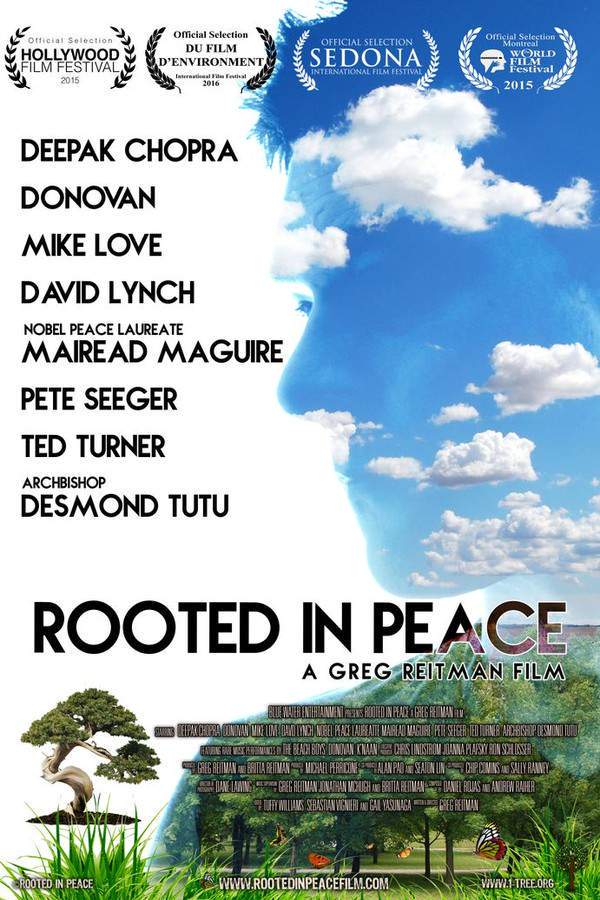
Movies About Art and Activism like !W.A.R.: !Women Art Revolution

Profiles of artists who use their creative practice to confront power and injustice. For viewers who liked the focus on feminist art in !W.A.R.: !Women Art Revolution, this section highlights similar movies about art and activism. Discover stories of artists who use their work as a tool for protest, exploring themes of identity, discrimination, and liberation through a creative lens.

  • inspiring
  • thoughtful
  • rebellious
  • educational
  • empowering
  • creative
  • Tone: thoughtful, empowering, confrontational
  • Pacing: steady, reflective
Why these movies?

The story pattern: The narrative pattern revolves around an artist or artistic movement whose creative output is a deliberate challenge to the status quo. It delves into the motivation behind the work, the context of oppression it responds to, and the public and personal consequences of making provocative art. The journey is one of finding power and voice through creative expression.

Why they belong together: These films are united by their exploration of the intersection between art and social change. They share a thoughtful, inspiring mood, examining how creativity can be a powerful force for confronting injustice. The tone is often hopeful, celebrating the lasting legacy of artistic courage, even when depicting difficult themes.

Every angle

!W.A.R.: !Women Art Revolution (2010) Explained: Plot, Timeline & Characters

Everything about !W.A.R.: !Women Art Revolution in one place: what happens in the plot summary, the timeline in chronological order, the characters and meaning and a spoiler-free summary. What's After the Movie adds the cast, box office and post-credit scenes.

Coming soon on iOS and Android

The Plot Explained Movie Summary App

Plot summaries, endings explained and timelines on your phone. Catch up on any movie in minutes, save your favorites and never miss a twist again.

Be the first to know when we launch. Your email stays private, always.

Learn more about the app