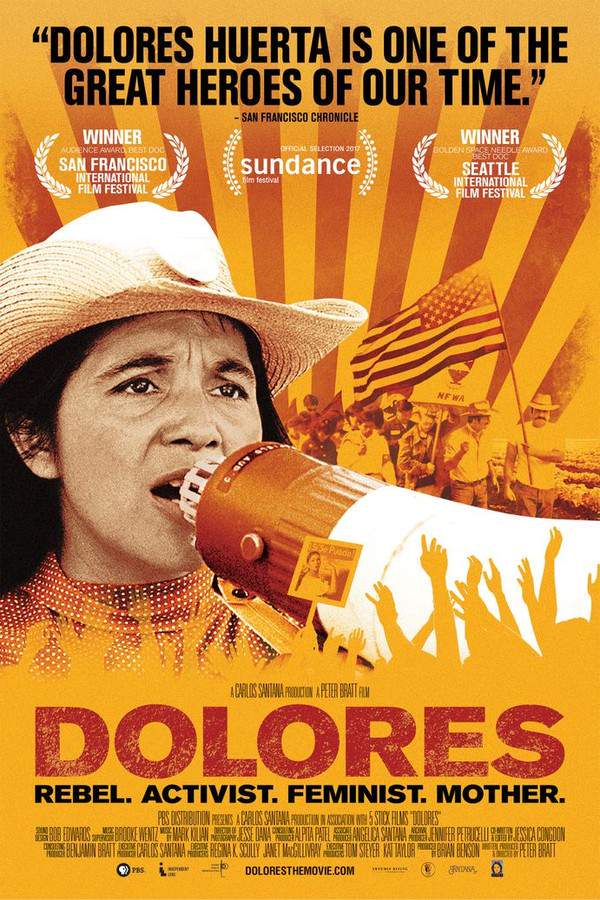
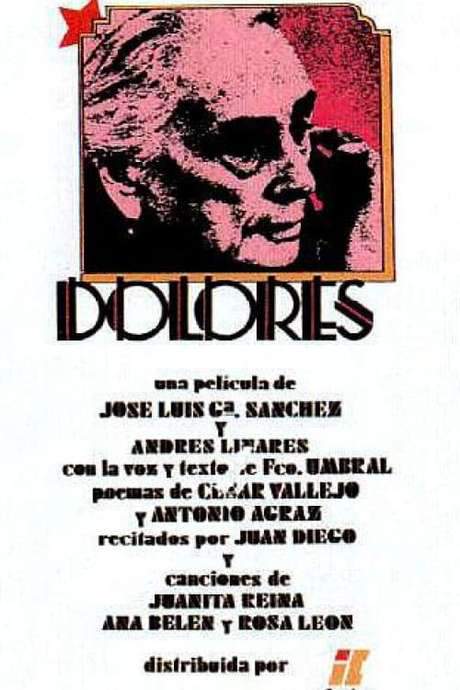
This documentary traces the life of Dolores Huerta before she became the renowned activist and labor leader she is known as today. It opens in the 1940s and 1950s, painting a portrait of a young Chicana who feels out of place within the conventional expectations of her era. From an early age, she is unsettled by the world around her, witnessing police brutality and other harsh injustices that hint at a lack of true justice and equality. The film also reveals the personal strain of being a young mother, including marriages that did not last, and the sense that something more meaningful is missing in her life.
Her path toward activism begins when she crosses paths with Fred Ross, a California community organizer whose pragmatic approach to change centers on building power from within communities. Ross’s relentless focus on addressing police brutality and mobilizing ordinary people resonates with her, and she becomes deeply involved. By 1959, she leads the Stockton Chapter of the Community Service Organization, a group dedicated to helping Latino residents navigate local systems and fight for fair treatment. This period marks the emergence of her leadership and persuasion, as she learns to move crowds and influence public opinion.
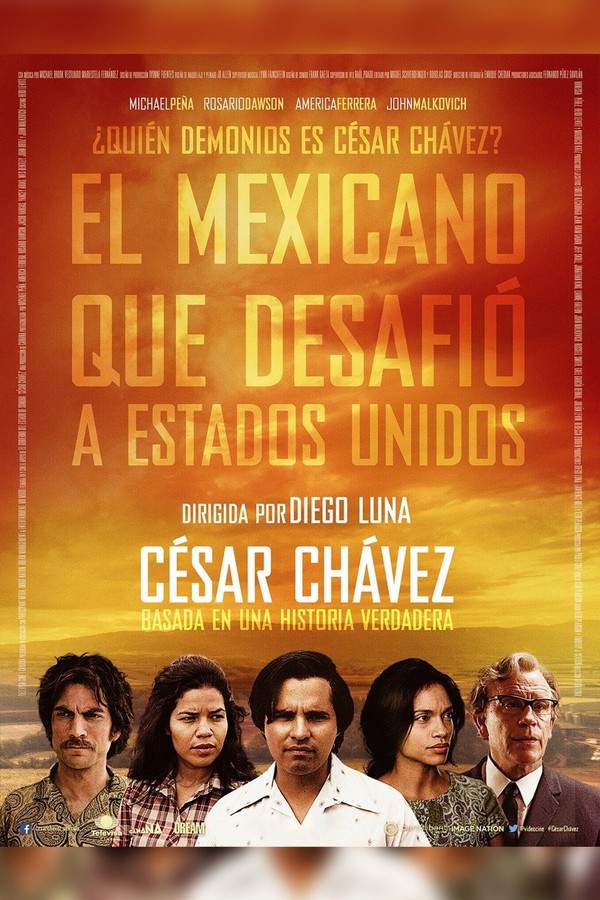
As the narrative unfolds, the film highlights her strengths as a leader, organizer, and lobbyist. She is depicted rallying hundreds of community members to press legislators and press for policy changes until politicians begin to respond. It is during these early years that she is introduced to Cesar Chavez, and the two recognize a shared mission to unite farm workers and secure their rights. Together with Chavez, she helps spark the formation of the United Farm Workers of America. The documentary emphasizes the depth of commitment required to launch and sustain this movement, including the challenges of bridging diverse communities and enduring political pressure.
The later chapters focus on the personal cost of activism. To stay connected with the agricultural communities she serves, she moves her family to Delano, California, and at times must leave some of her younger children behind to shield them from the hardships of the new living conditions and the demands of the organizing work. She sacrifices much in those early years, even giving up small joys she cherished, such as listening to jazz music, to keep the mission moving forward.
Overall, the film presents a nuanced, intimate portrait of a tireless advocate who balances family responsibilities with public action. It highlights how her courage, resilience, and strategic thinking helped reshape labor rights for Latino workers and left a lasting imprint on the broader fight for social justice.