






Plot Explained Spoilers guaranteed!
Plot Explained

Browse by genre

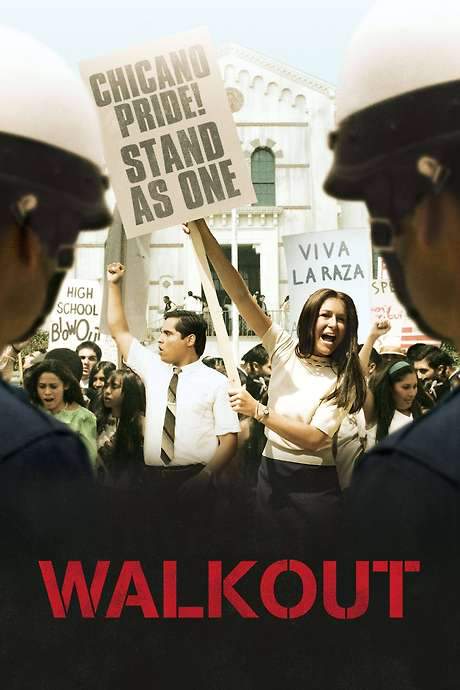
Walkout (2006) movie poster

Timeline

Walkout (2006) Timeline Explained – Every Event in Order

Release, runtime and language
2006 · 110 mins · English
JustWatch #29,506
Starring
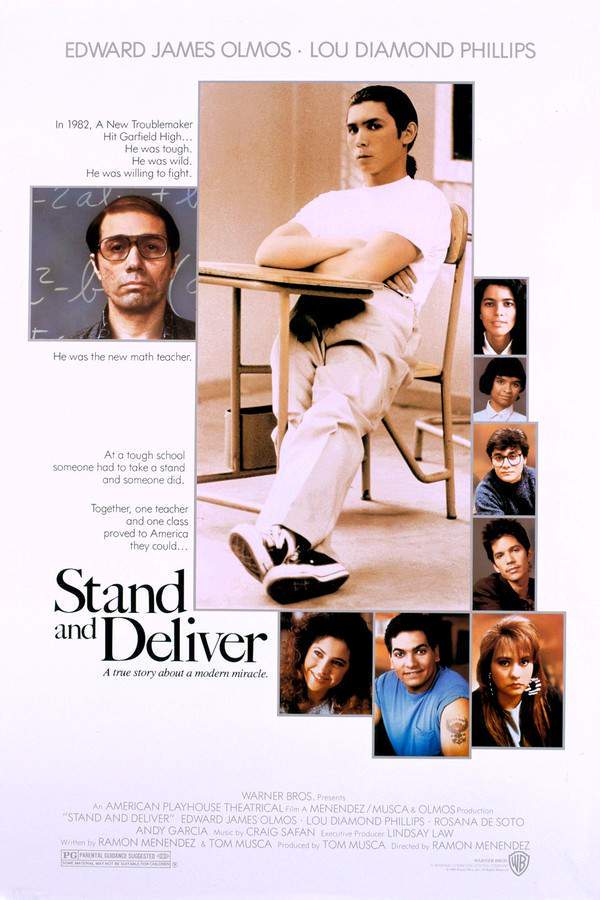
P.J. Byrne, Michael Peña, Edward James Olmos, Laura Harring, Jesse Garcia, Douglas Spain

Based on true events, the film follows Sal Castro, a young Mexican‑American teacher in East Los Angeles who guides his students as they organize a peaceful walkout to demand better conditions and equal treatment in the public schools. Set amid the 1968 civil‑rights era, the story highlights their courage, the fight for justice and empowerment.

On this page (6)
  1. 1 Where to watch
  2. 2 Events in order (12)
  3. 3 Timeline questions answered
  4. 4 Movie threads
  5. 5 Movies like Walkout
  6. 6 Every angle

Where to watch

Where to Watch Walkout (2006)

Where can you watch Walkout? Stream, rent or buy it in the US, including on HBO Max, Amazon Video and Apple TV Store: current JustWatch availability with up-to-date prices.

Streaming availability powered by JustWatch

12 events in order · contains spoilers

Walkout Timeline: Events in Chronological Order

Every key event of Walkout (2006) in order, scene by scene, with when and where it takes place. Use it to untangle flashbacks, time jumps and parallel storylines, to refresh your memory before the sequel or to find the exact scene you are thinking of.

  1. Systemic mistreatment of Hispanic students sparks action

    Hispanic students at East Los Angeles high schools face punishments for speaking Spanish, locked bathrooms during lunch, and discouragement from attending college. Paula Crisostomo joins student activists to demand fair treatment. They begin organizing around the belief that schools and authorities undervalue their community.

    When
    1968
    Where
    East Los Angeles, CA
  2. Survey project formed to collect student demands

    The group designs and distributes surveys to students across East LA, collecting grievances and suggestions for improvements. Paula grows closer to Robert as he becomes involved. The surveys become the blueprint for their broader change campaign.

    When
    1968
    Where
    East Los Angeles, CA
  3. Surveys submitted to the school board; board refuses to consider

    The collected surveys are submitted to the school board, which refuses to acknowledge or address the demands. The lack of responsiveness deepens student frustration. Tensions rise as activists consider escalating their actions.

    When
    1968
    Where
    School Board Office, Los Angeles, CA
  4. Call to walk out issued by Paula

    During a planning meeting, Paula urges the students to walk out of their schools. Her father condemns the movement as agitators, creating personal conflict at home. The group resolves to carry out a coordinated walkout across East LA campuses.

    When
    1968
    Where
    East Los Angeles, CA
  5. First walkouts across five East LA high schools

    Five East LA high schools walk out, drawing regional and national media attention. The protest is televised, increasing pressure on the school board to respond. The Brown Berets push the movement to broaden its scope and goals.

    When
    1968
    Where
    East Los Angeles, CA
  6. Paula's father evicts her from home

    Paula's father evicts her from home, forcing her to continue protesting independently. She perseveres despite the personal cost and public scrutiny. Her resolve hardens as she recognizes the deeper stakes of fighting for change.

    When
    1968
    Where
    Paula's home, Los Angeles, CA
  7. Half the schools walk out; police crackdown and media framing

    The next day, only half the schools walk out; police arrest and beat protesters in the streets. News coverage focuses on violence and labels protesters as radicals, while footage of police brutality is often downplayed. The students and community respond with growing determination.

    When
    1968
    Where
    East Los Angeles, CA
  8. Families join the protests to deter police

    Paula invites the students' families to join the protests, hoping their presence would deter police and lend legitimacy. The turnout broadens the movement from students to a community-wide effort. The shift signals that the fight is about education rights for the whole neighborhood.

    When
    1968
    Where
    East Los Angeles, CA
  9. Second walkout with family support; school board agrees to hear complaints

    Another wave of walkouts occurs with family support, and the school board agrees to hear the complaints. Paula also invites Robert to prom as a gesture of normalcy amid the upheaval. The protesters press for dialogue while authorities consider concessions.

    When
    1968
    Where
    East Los Angeles, CA
  10. Undercover reveals identity; 12 leaders arrested

    Robert, secretly an undercover LAPD officer, is revealed to have been informing authorities of the group's plans. Twelve leaders, including several Brown Berets, are arrested on conspiracy charges with a harsh maximum penalty. Paula's morale dips as the personal cost of the movement becomes clearer.

    When
    1968
    Where
    Los Angeles, CA
  11. Massive jail protest; officials release detainees

    Paula leads a massive protest outside the jail, challenging the arrests and demanding release. Robert attempts to intervene, but Paula continues to guide the crowd until all twelve detainees and Sal are released. The public pressure contributes to a turning point in the case against the protesters.

    When
    late 1968
    Where
    Outside LA jail, Los Angeles, CA
  12. Epilogue: accounts and enrollment surge

    Epilogue presents real accounts from participants and notes the subsequent rise in Hispanic enrollment in Los Angeles colleges. The film frames these stories as the lasting impact of the walkouts on education and activism. It closes on a hopeful note about ongoing change in the community.

    When
    post-1968
    Where
    Los Angeles, CA

Last updated: October 09, 2025 at 15:08

Was this helpful?

Timeline questions answered

Walkout Timeline Explained: Your Questions Answered

When does it happen, and why in that order? The questions people ask about the chronology of Walkout (2006): time jumps, flashbacks, cause and effect between scenes and the correct order of events, each answered with spoilers.

Q1

Why did Paula's father evict her from home during the walkouts?

Paula's father evicted her because he strongly opposed the protest movement, publicly condemning the students as agitators. He viewed the walkouts as a dangerous disruption that could bring trouble to the family and shame the household. This eviction forced Paula to continue the fight independently, demonstrating the personal cost of activism and the generational divide in attitudes toward fighting systemic oppression.

Foreshadowing: Earlier in the film, Paula faces opposition from her father when she first joins the student activists, setting up the conflict that leads to her eviction.

  • Paula Crisostomo
  • father
  • eviction
  • family opposition
  • walkouts
Q2

Who was Robert and why was he an undercover LAPD officer?

Robert was a student activist who joined the walkout movement and grew close to Paula romantically. However, he was secretly an undercover LAPD officer who had been infiltrating the student group, feeding information to police about their plans. His betrayal led to the arrest of twelve movement leaders on serious conspiracy charges. The revelation that Robert was law enforcement shocks the group and Paula personally, as she had trusted him with sensitive information and even invited him to prom.

Foreshadowing: Robert's involvement in the planning meetings and his access to the students' strategies set up the later revelation of his true identity.

  • Robert
  • undercover cop
  • LAPD
  • betrayal
  • Brown Berets
  • arrests
Q3

What was the conspiracy charge and why did it carry such a harsh penalty?

The twelve arrested leaders, including several Brown Berets members, were charged with conspiracy to disrupt a school. This charge carried a potential sentence of up to 66 years in prison. The severe penalty was intended to intimidate the students and suppress the movement by making examples of the leaders. The charges were eventually dropped when massive public protest forced the authorities to release all the detainees.

Foreshadowing: The escalation of police presence and the framing of protesters as radicals set the stage for these harsh legal consequences.

  • conspiracy charge
  • 66 years
  • arrests
  • Brown Berets
  • legal consequences
Q4

Why did the media portray the student protesters as violent agitators?

Television coverage during the walkouts focused heavily on violence and labeled protesters as radical agitators with alleged Communist ties, while crucial footage of police brutality was often omitted or downplayed. This skewed framing was part of a broader strategy to delegitimize the movement and sway public opinion against the students. The media's selective coverage made the peaceful demonstrations appear more confrontational than they actually were.

Foreshadowing: The initial walkouts drew national media attention, and the negative framing began early in the coverage.

  • media coverage
  • violence
  • police brutality
  • propaganda
  • Communist accusations
Q5

How did involving families in the protests help protect the students?

After the police crackdown resulted in arrests and beatings, Paula invited the families of the protesters to join the walkouts. She hoped that a stronger collective presence of parents and relatives would deter police from using violence against students. The family involvement expanded the movement from a student-led protest to a community-wide effort, demonstrating that the fight was about education rights for the entire neighborhood and giving authorities less opportunity to justify aggressive response.

Foreshadowing: Earlier police arrests and beatings directly prompted Paula to seek family involvement as protection.

  • families
  • community support
  • police brutality
  • protest expansion
Q6

Why did the school board refuse to consider the students' survey demands?

The students collected surveys documenting the problems faced by Hispanic students, including punishments for speaking Spanish, locked bathrooms, and discouragement from college. They submitted these concrete proposals to the school board, expecting a constructive response. Instead, the board flatly refused to acknowledge or address the demands, dismissing the students' efforts entirely. This refusal dramatically escalated tensions and directly motivated the decision to organize the walkouts as a more forceful form of protest.

Foreshadowing: The survey project was built on the belief that organized documentation wouldprompt institutional change, making the board's rejection a pivotal moment.

  • school board
  • survey demands
  • refusal
  • student organizing
  • escalation
Q7

What was the outcome of the 1968 East LA walkouts?

The walkouts achieved significant results. After sustained pressure and a massive protest outside the jail where leaders were held, the school board finally agreed to hear the students' complaints. All twelve arrested students and Sal Castro were released. The epilogue notes that Hispanic enrollment in Los Angeles colleges steadily increased following the protests, representing a lasting legacy of the movement and a tangible improvement in educational opportunities for the community.

Foreshadowing: The escalation to mass arrests created the public pressure that ultimately forced authorities to negotiate.

  • outcome
  • results
  • school board agreement
  • college enrollment
  • legacy
Q8

Why did Paula invite Robert to prom despite the chaos?

Paula asked a reluctant Robert to attend prom as a gesture of normalcy and personal connection amid the upheaval of the protest movement. The invitation represented a brief moment of teenage normalcy and romance, showing that Paula wanted to hold onto her identity as a student rather than being defined solely by her role as an activist. The invitation also reflected her trust in Robert before his true identity as an undercover officer was revealed.

Foreshadowing: Paula grows closer to Robert earlier in the film as they work together on the survey project and planning.

  • prom
  • Robert
  • Paula
  • romance
  • normalcy
Q9

What role did the Brown Berets play in the walkouts?

The Brown Berets were a Chicano militant organization that joined the student walkouts and pushed the movement to broaden its scope and goals beyond school issues to broader Chicano rights. Several Brown Berets members were among the twelve leaders arrested on conspiracy charges. Their involvement added a more political and radical dimension to the primarily student-led movement, though it also made authorities more likely to frame the protests as dangerous radical activity.

Foreshadowing: After the first walkouts gained national attention, the Brown Berets pushed for more aggressive tactics.

  • Brown Berets
  • Chicano movement
  • radical
  • arrests
  • conspiracy
Q10

Why did Paula decide to join the student activist movement?

Paula Crisostomo was motivated by the systemic inequality she experienced as a Hispanic student in East Los Angeles schools, including punishments for speaking Spanish, locked bathrooms during lunch, and discouragement from aiming for college. Inspired by her Chicano teacher Sal Castro, she decided to take action rather than accept these conditions. Despite facing opposition from her father, she joined with other student activists to organize the walkouts and demand real change in the educational system.

Foreshadowing: The opening scenes establish the mistreatment of Hispanic students as the catalyst for Paula's involvement.

  • Paula Crisostomo
  • motivation
  • Sal Castro
  • inequality
  • student activism
Q11

How did the walkouts expand from five schools to half the schools in East LA?

The first walkout involved five East LA high schools and drew regional and national media attention. Seeing the impact, the movement pushed to expand. The next phase saw approximately half of the East LA schools participate in the walkouts. This escalation was driven by the Brown Berets' push for broader action and the students' frustration with the school board's refusal to respond to their demands. However, the larger scale also triggered a harsher police crackdown.

Foreshadowing: The success of the first walkouts encouraged organizers to scale up the action.

  • escalation
  • expansion
  • five schools
  • half schools
  • growth
Q12

What happened to Sal Castro during the walkouts?

Sal Castro, the Mexican-American teacher who inspired and guided the students, was arrested alongside the twelve student leaders. He was held at the jail with the students and faced the same legal battle. Sal was ultimately released along with all the detained students following the massive community protest outside the jail. His involvement was crucial in providing educational context and historical awareness to the movement, and his arrest demonstrated the targeting of adult allies.

Foreshadowing: Sal's role as mentor and organizer made him a natural target for authorities seeking to dismantle the movement.

  • Sal Castro
  • teacher
  • arrest
  • release
  • mentor

Movie threads

More Movies Like Walkout, by Mood & Story

Curated lists built around what makes Walkout tick: the same mood, the same kind of story or the same emotional payoff. Each list explains why these movies belong together.

Movies about youth protest movements like Walkout

Stories where young people risk everything to fight for justice. If you liked the student activism in Walkout, explore more movies about young people fighting for justice. These similar dramas feature tense protests, high-stakes consequences, and the emotional weight of youth-led revolutions against systemic injustice.

  • urgent
  • tense
  • hopeful
  • inspiring
  • empowering
  • anxious
  • Tone: hopeful, tense
  • Pacing: steady, urgent
Why these movies?

The story pattern: These stories typically follow a clear arc: awakening to injustice, organizing a collective movement, facing severe consequences from authorities, and achieving a hard-won but meaningful victory. The focus is on the moral and emotional growth of the young leaders under extreme pressure.

Why they belong together: Movies in this thread share a high-intensity, hopeful tone driven by the energy of youth confronting powerful systems. They combine heavy emotional weight with inspiring acts of courage, creating a specific, potent mix of tension and empowerment.

Movies with bittersweet victories like Walkout

Where the fight for change leaves deep scars alongside the hope. Find more films like Walkout that explore the bittersweet cost of justice. These dramas show that major social change often comes with personal sacrifice, blending hopeful outcomes with the emotional residue of a difficult fight.

  • bittersweet
  • somber
  • hopeful
  • inspiring
  • heavy
  • reflective
  • Tone: bittersweet, hopeful
  • Pacing: steady, deliberate
Why these movies?

The story pattern: The narrative pattern involves a long, arduous struggle against injustice where the protagonists ultimately succeed in their tangible goals, but not without suffering betrayal, violence, or profound personal loss. The ending acknowledges the success while honoring the pain endured to achieve it.

Why they belong together: These films are grouped by their shared emotional conclusion: a victory that feels earned yet is tempered by the high cost paid to get there. They deliver a powerful, complex emotional payload that is both inspiring and sobering.

If you liked this

Movies Like Walkout

Similar movies to Walkout: the same genre, themes or kind of story. Each one comes with its own plot summary, timeline and ending explained.

Browse all movie summaries

Every angle

Walkout (2006) Explained: Plot, Timeline & Characters

Everything about Walkout in one place: what happens in the plot summary, the timeline in chronological order, the characters and meaning and a spoiler-free summary. What's After the Movie adds the cast, box office and post-credit scenes.

Coming soon on iOS and Android

The Plot Explained Movie Summary App

Plot summaries, endings explained and timelines on your phone. Catch up on any movie in minutes, save your favorites and never miss a twist again.

Be the first to know when we launch. Your email stays private, always.

Learn more about the app