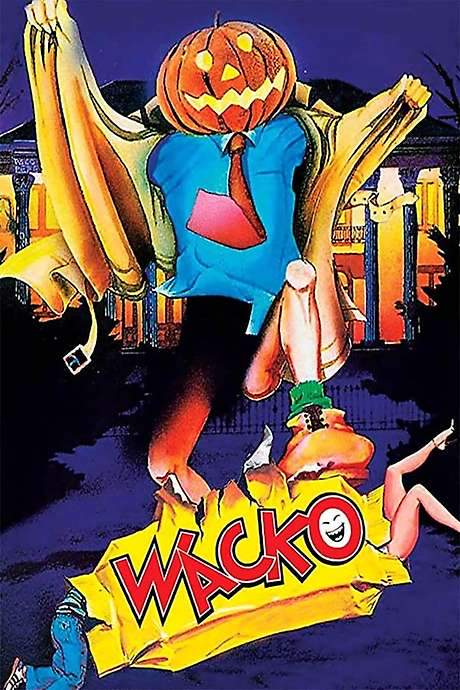
Dick Harbinger is a police officer. Thirteen years ago, on Halloween, a pumpkin-headed figure driving a lawnmower murdered several children, turning the town’s memories into a deep, lingering fear. Everyone is a suspect in the case. The school janitor, Zeke, is brought in for questioning, while the father of the Graves family also becomes a civilian target of police scrutiny. His daughter, Mary Graves, has caught him peeking at her on multiple occasions, whether in the shower or as she slept. Mary’s friend Rosie is dating Tony Schlongini, a young man whose life and circle were torn apart by the pumpkin-headed menace. The killer, known to the town as the Lawnmower Killer, claimed Tony and many others, leaving a trail of fear that refuses to fade.
As the old wound festered, the investigation stumbles along with a troubling sense that the authorities aren’t treating the threat with the seriousness it deserves. Thirteen years after prom night, the pumpkin-headed killer seems poised to return, threatening once more to turn Halloween into a blood-red ritual. A determined detective recognizes that time is running out and chooses to act even when the system won’t. In a drastic move born of desperation and resolve, he disguises himself as the Lawnmower Killer to force a confrontation and compel real action.
Mary has carried the trauma of that long-ago tragedy—from horror and sexual tension to the grueling work of psychoanalysis—and she still feels the shadow of lawnmowers in her life. The narrative follows her struggle to navigate fear, memory, and a present that keeps echoing the past, even as she tries to hold on to some sense of normalcy.
Meanwhile, the Harbinger household drifts between moments of routine and creeping dread. At the dinner table, the family attempts to pretend everything is fine, even as the danger outside grows more palpable. The killer’s plot thickens, and the detective’s relentless pursuit pushes toward a confrontation that could finally expose the truth behind the Halloween nightmare. In one chilling detail, the story notes a scene where a suitcase with a built-in tap carried a coffee load, signaling the methodical, almost ritualistic nature of the threat. The suspense tightens as the Lawnmower Killer resurfaces, threatening to erase the fragile lines between history and the present.
The clash between past trauma and present danger reaches a fever pitch as the town braces for a possible remake of the horror that once shattered it. The obsessive pursuit, the hidden routines, and the fragile bonds of family pull the characters toward a moment of reckoning, where fear and duty collide and the only certainty is that some Halloween nightmares refuse to stay buried.