Year: 1952
Runtime: 82 mins
Language: Japanese
Director: Kazuo Mori
Mataemon Araki, a renowned swordsman, helps a young man find vengeance.
Warning: spoilers below!
Haven’t seen Vendetta of a Samurai yet? This summary contains major spoilers. Bookmark the page, watch the movie, and come back for the full breakdown. If you're ready, scroll on and relive the story!
Explore the full timeline and setting of Vendetta of a Samurai (1952). Follow every major event in chronological order and see how the environment shapes the story, characters, and dramatic tension.
Last updated: February 19, 2026 at 09:37
Meet the key characters of Vendetta of a Samurai (1952), with detailed profiles, motivations, and roles in the plot. Understand their emotional journeys and what they reveal about the film’s deeper themes.
Last updated: February 19, 2026 at 09:37
Explore the central themes of Vendetta of a Samurai (1952), from psychological, social, and emotional dimensions to philosophical messages. Understand what the film is really saying beneath the surface.
Last updated: February 19, 2026 at 09:37
Browse frequently asked questions about Vendetta of a Samurai (1952) focused on characters, relationships, themes, symbols, setting, and story context. This movie info FAQ gives spoiler-aware explanations for character arcs, world details, and thematic interpretation so readers can better understand what the film is really about.
The film is set at Kagiya Corner, the historic site of the Igagoe vendetta in feudal Japan. The action unfolds around an inn on this site, where the ambush and duel are staged. The setting is designed to evoke Edo-period architecture and atmosphere, framing the showdown as a traditional Japanese tale.
The story is set in early 17th-century Japan during the early Edo period. Specifically, the narrative anchors the vendetta to November 7, 1634, the day Mataemon Araki's party visits the inn before the crucial duel. This places the film in the formative years of the Tokugawa shogunate.
An Igagoe vendetta is a formal act of revenge in feudal Japan where a family or individual seeks retribution for a wrongdoing, particularly the killing of a family member. In this film, the vendetta drives the plot as family ties demand vengeance against Jinza, whom Mataemon mentors the young avenger to confront.
The film treats revenge as a double-edged force that shapes characters and their loyalties. Mataemon's guidance helps the young pursuer seek retribution while testing his own code of honor. The vendetta creates moral conflict, as the quest for vengeance strains personal relationships and forces characters to question whether the outcome justifies the means.
The opening claims are subject to myth, facts are expanded and distorted across retellings. The identity of Jinza, a noble friend turned rival, reveals how history can mask complex relationships. The narrative uses flashbacks to separate legend from truth, inviting viewers to question what really happened. The film suggests that memory and tradition reshape events as much as actual deeds.
Friendship and duty collide as Mataemon and Jinza's rivalry tests trust and loyalty. The story probes how personal bonds survive or crumble under the weight of revenge. Characters must choose between personal loyalties and the demands of honor. The tension between allegiance and justice remains central to the drama.
Mataemon Araki, portrayed by Toshirô Mifune, is the film's moral center and mentor to the young avenger. He is a renowned swordsman who methodically plans the confrontation at Kagiya Corner. He embodies the samurai code, cool, disciplined, and calculating, guiding the younger character through the vendetta while grappling with his own principles.
Jinza is a noble man and Mataemon's close friend who becomes the target of revenge. His demeanor blurs the line between ally and adversary as the vendetta twists loyalties. The film reveals his true nobility, adding moral complexity to the story, making the revenge mission not simply righteous but built on distorted truth.
The narrator provides historical framing, explaining that the shown showdown is a traditional version passed through generations. He introduces the premise that events have been embellished over time. This framing device establishes that the story being told is a legend, not necessarily absolute truth, adding a layer of meta-commentary about how stories evolve.
The film blends legend with a grain of historical fact. The narrative presents the vendetta as a blend of historical rumor and traditional storytelling. While the setting and some elements reflect real historical context from early 17th-century Japan, the specific events are presented as a traditional tale that has been embellished over time.
The ending feels sad because the vendetta, while accomplished, is built on a distortion of truth. Jinza's true nobility is revealed too late, suggesting the revenge was unjust. The core conflict involves the killing of a family member and a fated duel between close friends, making the revenge mission morally fraught. The victory is hollow, as it was based on legend rather than fact.
The film portrays the samurai code as both guiding and conflicting with personal morality. Mataemon embodies the ideal, cool, disciplined, and calculating, yet the vendetta forces him to reconcile his principles with the messy reality of revenge. The code demands honor and duty, but the film questions whether blind adherence to these ideals leads to tragic outcomes.
Discover curated groups of movies connected by mood, themes, and story style. Browse collections built around emotion, atmosphere, and narrative focus to easily find films that match what you feel like watching right now.
Stories where the path to revenge is morally complex and leads to sorrow.Movies like Vendetta of a Samurai that explore the dark, tragic side of revenge. If you were captivated by the moral weight and sorrowful ending of this samurai drama, you'll find similar emotionally heavy tales of vendetta here.
These narratives typically follow a protagonist driven by a personal loss to seek retribution. The journey is fraught with internal conflict, moral ambiguity, and a growing sense of doom. The climax often delivers the sought-after vengeance but is undercut by a profound sense of loss, sadness, or moral emptiness, leaving the protagonist isolated or destroyed.
Movies are grouped here because they share a dark tone, high emotional weight, and a focus on the tragic outcomes of revenge. They prioritize atmosphere and character introspection over action, creating a cohesive experience of solemn, morally complex storytelling.
Narratives where characters are destroyed by their own strict codes and loyalties.Explore movies like Vendetta of a Samurai, where characters are trapped by duty and honor. If the samurai code and its tragic consequences resonated with you, this section features similar stories of loyalty leading to despair.
The plot revolves around a protagonist or group adhering to a rigid set of principles—be it a samurai code, a criminal oath, or a personal vow. This adherence creates an unavoidable conflict, often pitting duty against friendship, love, or survival. The story structure builds tension as the characters are pushed toward an inevitable, often sad, confrontation dictated by their code.
These films are united by a dark tone, high stakes, and a focus on the destructive power of unwavering loyalty. They create a specific vibe of foreboding and inevitability, where the viewer watches characters march towards a fate sealed by their own principles.
Don't stop at just watching - explore Vendetta of a Samurai in full detail. From the complete plot summary and scene-by-scene timeline to character breakdowns, thematic analysis, and a deep dive into the ending - every page helps you truly understand what Vendetta of a Samurai is all about. Plus, discover what's next after the movie.
Read a complete plot summary of Vendetta of a Samurai, including all key story points, character arcs, and turning points. This in-depth recap is ideal for understanding the narrative structure or reviewing what happened in the movie.

Track the full timeline of Vendetta of a Samurai with every major event arranged chronologically. Perfect for decoding non-linear storytelling, flashbacks, or parallel narratives with a clear scene-by-scene breakdown.
Discover movies like Vendetta of a Samurai that share similar genres, themes, and storytelling elements. Whether you’re drawn to the atmosphere, character arcs, or plot structure, these curated recommendations will help you explore more films you’ll love.
Vendetta of a Samurai (1952) Plot Summary & Movie Recap
Vendetta of a Samurai (1952) Scene-by-Scene Movie Timeline
Vendetta of a Samurai (1952) Spoiler-Free Summary & Key Flow
Movies Like Vendetta of a Samurai – Similar Titles You’ll Enjoy
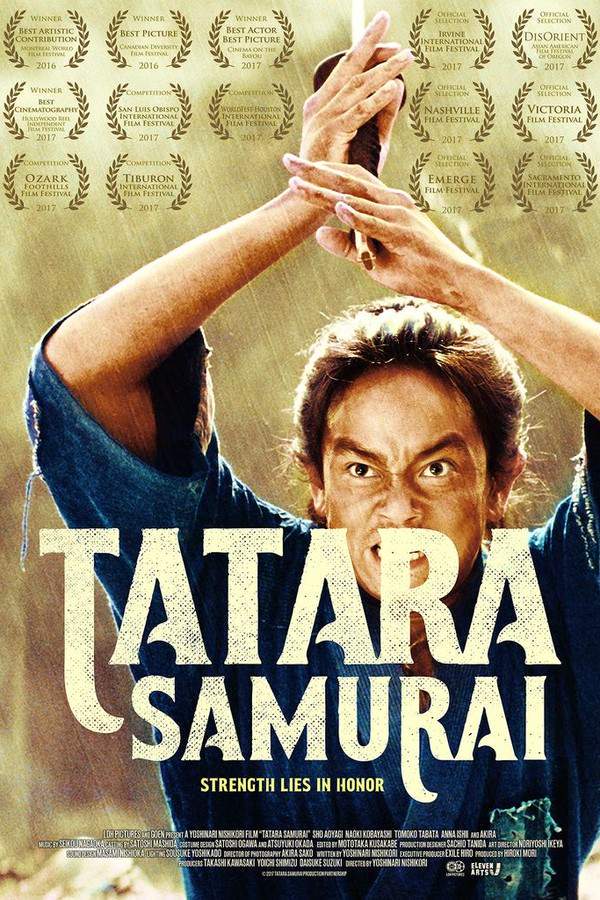
Tatara Samurai (2017) Movie Recap & Themes
Vengeance for Sale (2002) Complete Plot Breakdown
Samurai Resurrection (2003) Detailed Story Recap
Revenge (1964) Story Summary & Characters
Murderer! (1976) Movie Recap & Themes
The Great Killing (1964) Complete Plot Breakdown
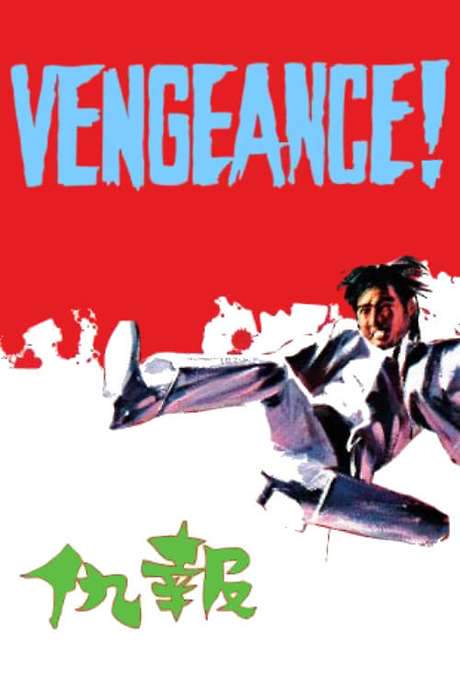
Vengeance! (1970) Film Overview & Timeline
The Shogun Assassins (1979) Ending Explained & Film Insights
Samurai I: Musashi Miyamoto (1954) Full Summary & Key Details
Samurai Assassin (1965) Film Overview & Timeline
Eleven Samurai (1967) Story Summary & Characters
Samurai from Somewhere (1964) Spoiler-Packed Plot Recap
Zatoichi’s Vengeance (1966) Film Overview & Timeline
Samurai Wolf (1966) Ending Explained & Film Insights
Samurai Vendetta (1959) Plot Summary & Ending Explained