Year: 1983
Runtime: 94 mins
Language: English
Director: Harvey Hart
When a neighbor’s electricity is shut off because she can’t pay, the community rallies and pays the bill in pennies. The utility refuses the coin payment and, due to a communication error, fails to restore power, leaving the elderly woman hospitalized with hypothermia. Enraged, Bob Hunt launches a campaign of sabotage against the company’s support systems.
Warning: spoilers below!
Haven’t seen Utilities yet? This summary contains major spoilers. Bookmark the page, watch the movie, and come back for the full breakdown. If you're ready, scroll on and relive the story!
Read the complete plot breakdown of Utilities (1983), including all key story events, major twists, and the ending explained in detail. Discover what really happened—and what it all means.
Bob Hunt, a dedicated social worker, is called to help a longtime client, Dr. Martha Louise Rogers, whose electricity has been cut off because she cannot pay the bill. With the help of neighbors and friends, the community rallies to keep her lights on, and the bill is settled entirely in coins. The clerk, overwhelmed by the unusual payment, is told that such a large sum cannot be accepted in coins, yet the good will behind the gesture remains clear.
A miscommunication at the utility company prevents the reconnection, and the vulnerable elderly woman is soon hospitalized after suffering hypothermia. This failure to restore power becomes a personal trigger for Hunt, who spirals into a calculated campaign of retaliation against the systems that support people in trouble. He begins to sabotage various safety nets and infrastructure, aiming to expose what he sees as a flawed, profit-driven public service network.
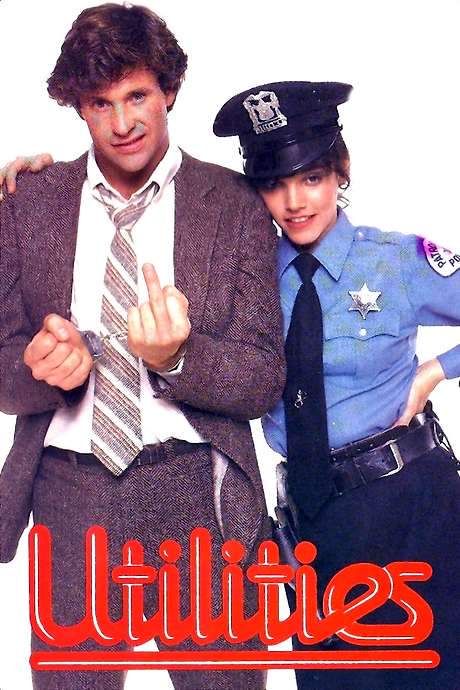
In one memorable moment of subterfuge and symbolism, Hunt evades detection at a site by pressing himself into a wall with wet paint, leaving behind a single raised finger impression. The newspaper and television portray this anonymous saboteur as “The Finger,” a name that captures the audacity and mystery of the act and fuels public curiosity and fear alike. The media coverage amplifies the mystique, turning Hunt’s seemingly small acts into a provocative statement about accountability and power.
When the phone company becomes a target, it issues a public denial that an overload of billing records could enable long-distance calls without charge. The film, set in 1981 when long-distance calls carry a hefty price tag, quickly shows the absurdity of the situation: a young woman makes a reckless overseas call and even lets a Styx album run on a loop, mocking the notion that costs should be so easily shrugged off.
The climactic courtroom sequence unfolds as a rate-hike proposal from Kenneth Knight and his utility, Eastern Gas & Electric, is put to a vote before a public commission. A crowd of protestors is invited to speak, and Hunt takes the floor to reveal his identity: “I am The Finger.” His confession ignites a larger revolt, as Spartacus-style, several others in the room claim to be the anonymous vigilante, echoing a collective demand for accountability and change.
As the commission edges toward approval of the rate increase, a new development shifts the balance. Police officer Marion Edwards bursts into the courtroom with news that shatters the expected narrative. Hunt anticipates arrest, but Edwards reveals a startling truth: Knight has been destroying his own substations to arouse public sympathy and sway opinion. In the blackout that follows, the city lights go out and the spectators in the courthouse respond with a mixture of relief, celebration, and uneasy triumph, underscoring the film’s meditation on justice, vulnerability, and the deep flaws within systems meant to protect the public.
Last Updated: November 22, 2025 at 16:00
Discover curated groups of movies connected by mood, themes, and story style. Browse collections built around emotion, atmosphere, and narrative focus to easily find films that match what you feel like watching right now.
Ordinary people use unconventional tactics to fight back against the system.If you enjoyed the clever sabotage and community spirit in Utilities, you'll like these movies. They feature everyday people using unconventional, often humorous, tactics to fight back against larger, oppressive systems, blending social commentary with satisfying, character-driven plots.
Stories in this thread typically begin with a personal injustice that galvanizes an individual or community. The conflict escalates not through violence, but through inventive, symbolic acts of protest that expose the absurdity or callousness of the antagonist. The journey is one of empowerment, building from individual frustration to collective action.
Movies are grouped here for their shared focus on creative civil disobedience, a light-to-medium tone that finds humor in resistance, and a narrative that champions ingenuity over brute force. They deliver a cathartic and often satirical experience rooted in social justice themes.
Sharp, observant stories that critique society through a personal lens.Fans of Utilities will appreciate these films that similarly use a personal story to explore larger social themes. They blend comedy and drama to offer a sharp, satirical look at modern life, often featuring steady pacing, medium complexity, and an ending that leaves you thinking.
The narrative pattern centers on a relatable protagonist whose personal conflict becomes a microcosm of a wider social problem. The plot unfolds in a measured way, revealing the intricacies of the system being critiqued. The resolution is often nuanced, highlighting a moral victory or exposing hypocrisy rather than providing a simple, clean win.
These movies share a 'MODERATE' complexity and a 'STEADY' pace that allows for thoughtful exploration of themes. They possess a specific tonal blend—using a 'LIGHT' touch to tackle serious subjects—and an 'AMBIGUOUS' or bittersweet ending feel that prioritizes thematic resonance over pure escapism.
Don't stop at just watching — explore Utilities in full detail. From the complete plot summary and scene-by-scene timeline to character breakdowns, thematic analysis, and a deep dive into the ending — every page helps you truly understand what Utilities is all about. Plus, discover what's next after the movie.
Track the full timeline of Utilities with every major event arranged chronologically. Perfect for decoding non-linear storytelling, flashbacks, or parallel narratives with a clear scene-by-scene breakdown.
Discover the characters, locations, and core themes that shape Utilities. Get insights into symbolic elements, setting significance, and deeper narrative meaning — ideal for thematic analysis and movie breakdowns.
Get a quick, spoiler-free overview of Utilities that covers the main plot points and key details without revealing any major twists or spoilers. Perfect for those who want to know what to expect before diving in.
Visit What's After the Movie to explore more about Utilities: box office results, cast and crew info, production details, post-credit scenes, and external links — all in one place for movie fans and researchers.
Discover movies like Utilities that share similar genres, themes, and storytelling elements. Whether you’re drawn to the atmosphere, character arcs, or plot structure, these curated recommendations will help you explore more films you’ll love.
Utilities (1983) Scene-by-Scene Movie Timeline
Utilities (1983) Movie Characters, Themes & Settings
Utilities (1983) Spoiler-Free Summary & Key Flow
Movies Like Utilities – Similar Titles You’ll Enjoy
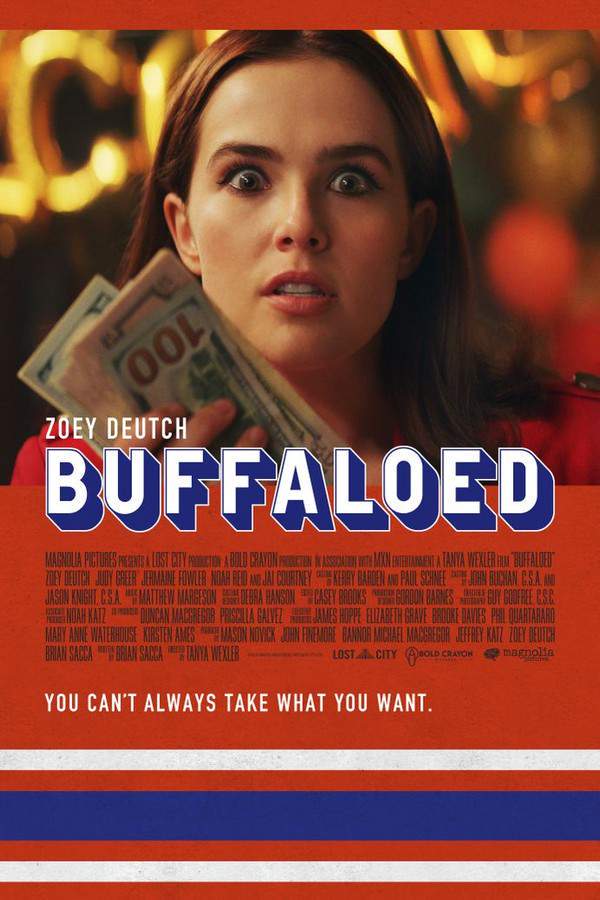
Buffaloed (2020) Detailed Story Recap
Fun with Dick and Jane (2005) Film Overview & Timeline
Wrong Cops (2013) Detailed Story Recap
Survival Skills (2020) Story Summary & Characters
Buffaloed (2019) Full Summary & Key Details
Charge! (2000) Full Movie Breakdown
The Voiceless (2020) Movie Recap & Themes
Police (1916) Movie Recap & Themes
Hustling for Health (1919) Full Movie Breakdown
Police (1916) Story Summary & Characters
A Plumbing We Will Go (1940) Complete Plot Breakdown
Looking for Trouble (1934) Full Summary & Key Details
The Water Plug (1920) Full Movie Breakdown
The Comedy of Terrors (1963) Ending Explained & Film Insights
Scheming Schemers (1956) Full Movie Breakdown