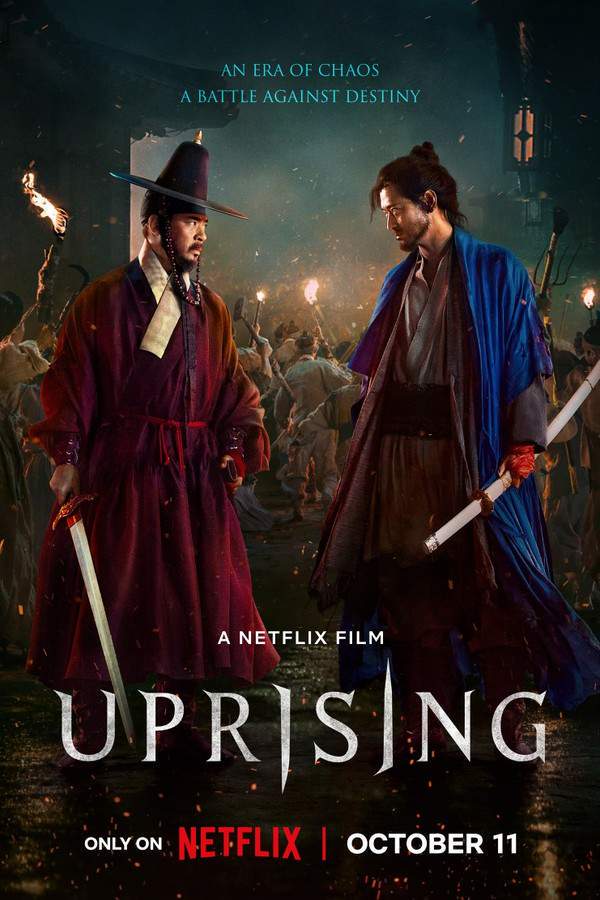






Gritty Historical Revolution Movies Like Uprising
Epic, violent struggles for liberation against oppressive regimes. If you liked the brutal fight for freedom in Uprising, explore more movies about desperate historical revolts. These films share a dark tone, high-intensity action, and heavy emotional weight, portraying the high-stakes struggle against oppression in epic, often tragic, detail.
- revolutionary
- grim
- intense
- tragic
- desperate
- oppressive
- Tone: dark, grim, somber
- Pacing: variable, building to fast-paced action
Why these movies?
The story pattern: Narratives in this thread follow a clear arc: the establishment of a cruel, hierarchical system; the brutalization of a protagonist or group; a catalyst sparking rebellion; and the ensuing violent conflict. The journey is defined by high stakes, tragic losses, and the heavy moral burden of fighting for a cause greater than oneself.
Why they belong together: These movies are grouped by their shared core premise of a violent historical uprising. They create a coherent experience through a consistently dark tone, high emotional intensity, and a focus on the brutal realities of fighting for social justice, resulting in a gripping and somber viewing experience.




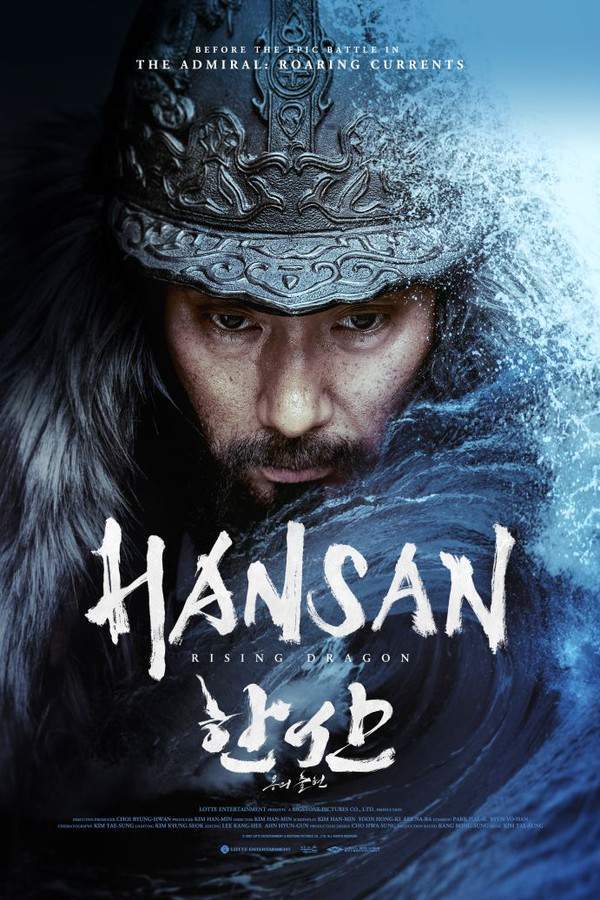
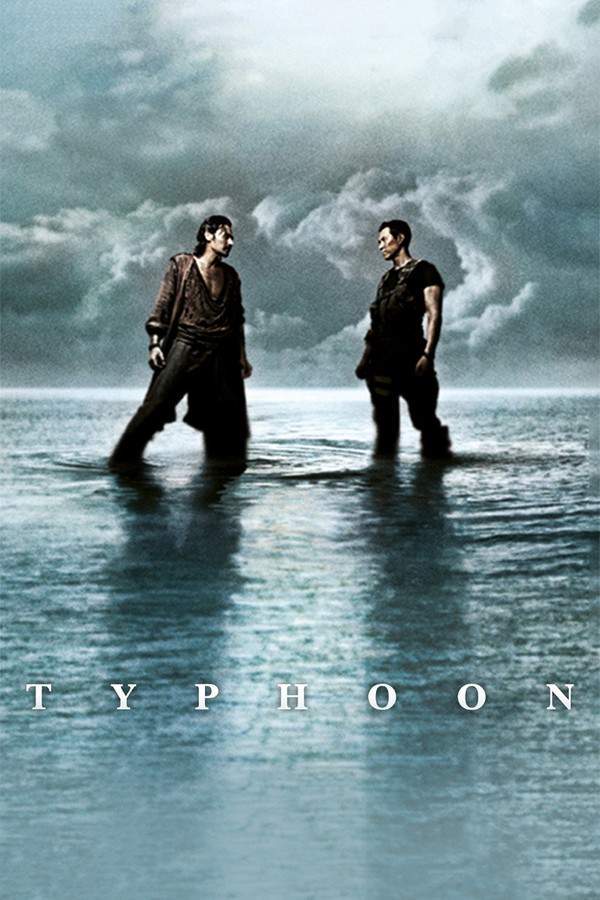
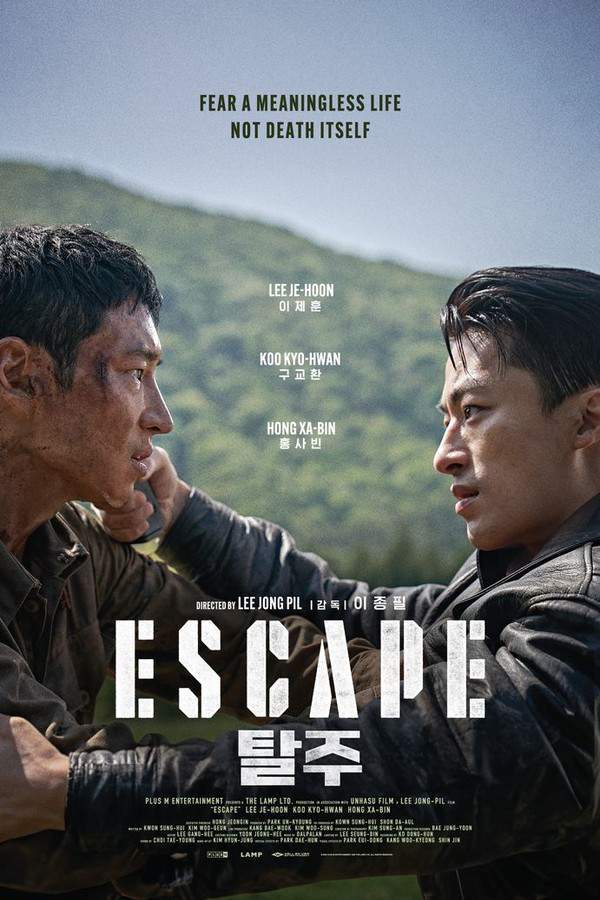


Q8
What does the ending say about social divisions in Joseon society?
The ending delivers a clear message about the pain caused by social divisions. Jong-Ryeo's death and his final realization that his misconceptions about Cheon-Yeong were wrong directly critique the rigid class system that forced childhood friends onto opposite sides. The establishment of Beom Dong, an equal society, represents the possibility of overcoming these divisions, but the fragile nature of this peace suggests the fight against societal inequality is ongoing. The ending implies that true change requires confronting not just external enemies but internal divisions.
Foreshadowing: The entire narrative traces how the class system destroys the friendship between Cheon-Yeong and Jong-Ryeo.