Plot Explained Spoilers guaranteed!
Plot Explained

Browse by genre

Unnaipol Oruvan (2009) movie poster

Timeline

Unnaipol Oruvan (2009) Timeline Explained – Every Event in Order

Release, runtime and language
2009 · 120 mins · Tamil
Loading streaming availability…
Directed by
Chakri Toleti
Starring
Kamal Haasan, Mohanlal, M. S. Bhaskar, Lakshmi, Sriman, Prem

A common man tries to fight terrorism by making anonymous calls to cops. Will he succeed ?

On this page (6)
  1. 1 Where to watch
  2. 2 Events in order (15)
  3. 3 Timeline questions answered
  4. 4 Movie threads
  5. 5 Movies like Unnaipol Oruvan
  6. 6 Every angle
Loading streaming availability…

15 events in order · contains spoilers

Unnaipol Oruvan Timeline: Events in Chronological Order

Every key event of Unnaipol Oruvan (2009) in order, scene by scene, with when and where it takes place. Use it to untangle flashbacks, time jumps and parallel storylines, to refresh your memory before the sequel or to find the exact scene you are thinking of.

  1. Commissioner’s dismissal and voice-over setup

    The film opens with Govindan Raghavan Maarar, recently removed from his post, reflecting on his termination. He hints at a mysterious outsider who has disrupted the city’s security. The voice-over establishes a theme of insecurity and public mistrust.

    Where
    Chennai
  2. Bag planted at Chennai Central

    A nameless man strategically places a travel bag at Chennai Central railway station, signaling the start of a city-wide threat. The act is quiet and methodical, revealing his intent without immediate confrontation. The bag becomes a focal point for investigators.

    Where
    Chennai Central Railway Station
  3. Bag hidden in a police station toilet

    The same man plants another bag under the pretense of lodging an FIR, stashing it in the toilet of the Anna Salai police station. His actions show calculated misdirection and an aim to stress the police infrastructure. The location later becomes a scene of imminent danger.

    Where
    Anna Salai Police Station, Chennai
  4. Rooftop base of operations

    The man ascends to the rooftop of an under-construction building and establishes a base with gadgets and surveillance equipment. This elevated vantage point allows him to monitor city activity and coordinate his next moves. Security forces begin to sense an elusive, high-tech threat.

    Where
    Rooftop of under-construction building, Chennai
  5. Five bombs and a four-hour deadline

    The caller informs the Commissioner that five bombs have been planted citywide, programmed to explode simultaneously within four hours. The threat triggers a high-priority mobilization of intelligence and surveillance resources. Officials scramble to locate the caller before the time runs out.

    When
    Within four hours
    Where
    Chennai
  6. Natasha Rajkumar alerted and involved

    The caller tips off journalist Natasha Rajkumar and directs her to the Anna Salai police station. The media presence adds pressure on authorities and increases the urgency of the investigation. The Commissioner debates how to involve the press while maintaining control.

    Where
    Anna Salai area, Chennai
  7. Bomb at Anna Salai Police Station discovered

    The bomb disposal squad locates a device at the Anna Salai police station and begins defusing it. With only about three minutes to spare, the operation tests the team's nerves and technical capabilities. Natasha reports live from the scene, heightening the drama.

    When
    Three minutes to detonation
    Where
    Anna Salai Police Station, Chennai
  8. Negotiation under the new power dynamic

    A debate erupts over who should negotiate with the caller. The chief secretary appoints the Commissioner as the State’s negotiator, granting him near-unrestricted authority for a few hours. The stakes rise as the caller presses philosophical and religious questions.

    Where
    Chennai
  9. The caller manipulates the city with tech

    The caller uses advanced software to rotate mobile numbers and locations every minute, evading conventional tracing methods. To counter this, investigators enlist a young IIT dropout hacker. The cat-and-mouse game becomes a focal point of the investigation.

    Where
    Chennai
  10. Facial composite attempt

    With help from a police officer, investigators assemble a facial composite of the caller, but the identity remains elusive for a long time. The delay underscores the caller’s ability to stay hidden and the strain on resources.

    Where
    Police headquarters, Chennai
  11. Planned handover at Sholavaram airstrip

    Commissioner agrees to hand over four terrorists at the Sholavaram airstrip to flush out the caller’s network. Arif Khan and Sethuraman are placed in charge of escort and custody arrangements as part of the operation.

    Where
    Sholavaram airstrip
  12. Abdullah and the car bomb

    At the handover, the caller confirms the identities via a conference call. Abdullah is separated from three others; during the staged exchange, a car explodes killing the other three terrorists. Abdullah survives, validating the caller’s deception.

    Where
    Sholavaram airstrip
  13. Arif’s decisive action and Sethu’s betrayal

    Arif decides to take Abdullah away, disobeying orders. A car bombing kills the others while Abdullah remains alive. In a tense confrontation, Arif ultimately shoots Abdullah, and Sethu shoots Arif to fake a self-defense incident.

    Where
    Sholavaram airstrip
  14. Caller’s bluff and the hunt intensifies

    The caller reveals there are no more bombs, exposing the fragility of urban security and the immediate need for justice. The IIT hacker is pressured to reveal details but refuses, complicating the chase.

    Where
    Chennai
  15. Closing confrontation and memorial reflections

    The Commissioner traces the caller’s location; the caller destroys gadgets with a bomb and attempts to escape. In a final pursuit, the Commissioner catches up and they shake hands, with a voiceover reflecting on the ambiguous moral of the events and the price of security.

    Where
    City outskirts / unknown hideout

Last updated: October 05, 2025 at 12:43

Was this helpful?

Timeline questions answered

Unnaipol Oruvan Timeline Explained: Your Questions Answered

When does it happen, and why in that order? The questions people ask about the chronology of Unnaipol Oruvan (2009): time jumps, flashbacks, cause and effect between scenes and the correct order of events, each answered with spoilers.

Q1

Why was the Commissioner dismissed before the bombings occurred?

The film opens with Govindan Raghavan Maarar already removed from his position as Commissioner of Police. The reason for his dismissal is mentioned briefly in the voice-over, suggesting it was a political or administrative decision that left the city vulnerable at a critical moment. His termination created a power vacuum that the caller exploits, forcing the authorities to reinstate him temporarily to handle the crisis.

Foreshadowing: The opening voice-over establishes that the Commissioner was already displaced when the crisis began, hinting at the system's fragility.

  • commissioner dismissal
  • Govindan Raghavan
  • removal
  • police chief
Q2

How did the caller manage to plant bombs across the city without detection?

The caller operates with meticulous planning and insider knowledge. He enters the Chennai Central railway station and plants a travel bag in plain sight. Later, he enters the Anna Salai police station under the guise of filing an FIR and hides another bag in the toilet. His ability to blend into ordinary environments and exploit the police infrastructure itself demonstrates his understanding of security blind spots, making him a formidable antagonist.

Foreshadowing: Early scenes show the caller moving through public spaces unnoticed, establishing his skill at evading detection.

  • bomb planting
  • Chennai Central
  • police station
  • hidden bombs
Q3

Why did the caller demand the release of three specific terrorists and an arms dealer?

The caller demands the release of three terrorists who were arrested years earlier by the Commissioner himself, along with one convicted arms dealer. These individuals represent the caller's network and resources. By demanding their release, the caller achieves two goals: freeing his associates and forcing the government to officially acknowledge terrorism as a bargaining chip, which is part of his larger psychological warfare against the state.

Foreshadowing: The caller specifically mentions these prisoners were arrested by the Commissioner, linking the current crisis to the Commissioner's past actions.

  • terrorist release
  • arms dealer
  • demands
  • prisoner exchange
Q4

How did the police attempt to trace the caller's constantly changing location?

The caller uses advanced technology to rotate his mobile numbers and location every minute, making conventional tracing impossible. To counter this, the police enlist a young IIT dropout hacker who possesses the technical skills to potentially hack into the caller's rapidly changing phone numbers and pinpoint his location. This creates a high-tech cat-and-mouse game between the caller and the hacker throughout the film.

Foreshadowing: The caller demonstrates sophisticated technology from his rooftop base, establishing early that this will be a technological battle.

  • IIT hacker
  • phone tracing
  • technology
  • location tracking
Q5

Why did Arif refuse to hand over Abdullah to the caller?

During the handover at Sholavaram airstrip, Arif Khan disobeys orders and refuses to release Abdullah along with the other prisoners. This decision disrupts the caller's carefully orchestrated plan. Arif likely suspects the caller intends to kill Abdullah or use him as leverage for additional demands. His refusal shows a moral stance that ultimately leads to tragic consequences when the car bomb kills the other three terrorists while Abdullah remains alive.

Foreshadowing: The caller confirms each prisoner's identity through a conference call, showing he has eyes everywhere.

  • Arif Khan
  • Abdullah
  • refusal
  • Sholavaram airstrip
Q6

What happened to the three other terrorists at Sholavaram airstrip?

During the staged exchange, the caller orders Arif and Sethuraman to release the prisoners and leave them vulnerable at a designated spot. When the handover proceeds, a car explodes, killing the three other terrorists. The caller deliberately separates Abdullah from the group, ensuring he survives while the others die in the explosion. This reveals the caller had no intention of saving his own men, only Abdullah held value for his deeper plan.

Foreshadowing: The caller confirms identities via conference call, allowing him to orchestrate exactly who lives and dies.

  • car bomb
  • three terrorists
  • Sholavaram
  • explosion
Q7

Why did the caller reveal that there were no more bombs after the explosion?

After the car bomb kills three terrorists, the caller reveals that there are no more bombs anywhere in Chennai, it was a bluff. The entire five-bomb threat was designed to create maximum panic and force the government into a compromised negotiation. The caller wanted to demonstrate how easily fear can be manufactured and how security systems can be manipulated, making a statement about the nature of terrorism itself.

Foreshadowing: The caller delivers philosophical monologues about religion and morality throughout the film, suggesting his true goal was ideological rather than tactical.

  • bluff
  • no more bombs
  • deception
  • terror threat
Q8

Why did Sethuraman shoot Arif after he killed Abdullah?

After Arif kills Abdullah, Sethuraman shoots Arif in the hand to stage a self-defense scenario. This calculated act is meant to convince the public and authorities that Arif acted in self-defense rather than following orders or committing an extrajudicial killing. The staged injury protects Sethuraman and the police department from scrutiny, showing how the system protects itself through narrative manipulation even amid moral compromise.

Foreshadowing: The plan at Sholavaram was designed to appear legitimate to the public and media watching the news.

  • Sethuraman
  • Arif
  • self-defense
  • staged shooting
Q9

How did the Commissioner finally locate the caller's hideout?

The Commissioner orders the IIT hacker to locate the caller's hideout using technical means. However, the hacker refuses to cooperate further. The Commissioner then relies on other investigative methods to trace the caller. Eventually, the Commissioner catches up with the caller at an unknown location. The caller destroys his gadgets with a small explosive and attempts to escape, but the Commissioner reaches him in time for their final confrontation.

Foreshadowing: Throughout the film, the Commissioner demonstrates relentless determination to catch the caller, refusing to accept the system's compromises.

  • Commissioner
  • caller location
  • chase
  • hideout
Q10

Why was the Commissioner fired despite catching the caller?

After the crisis ends, the officials who were supposed to protect the city paint the caller as a recluse and justify their failures by blaming the Commissioner. Rather than being celebrated for his role in resolving the crisis, Govindan Raghavan Maarar is fired, symbolizing how the system discards those who exposes its weaknesses. The ending reflects the moral ambiguity of the entire situation, those in power protect themselves while the individuals who actually took action are sacrificed.

Foreshadowing: The voice-over establishes early that the Commissioner's career ended suddenly, setting up this ultimate betrayal.

  • Commissioner fired
  • termination
  • consequences
  • system failure
Q11

What was the caller's final message about terrorism on the news?

After confirming Abdullah's death on live news, the caller delivers a chilling statement declaring there are no more bombs anywhere in Chennai. This final message serves as his philosophical conclusion about terrorism, he proved that fear itself is the weapon, not the actual bombs. The caller demonstrated how easily a city can be held hostage through perception and panic, questioning what safety truly means when security is purchased through terror.

Foreshadowing: The caller probes philosophical questions about religion and morality throughout his calls, establishing his ideological motivations.

  • final message
  • news
  • terrorism
  • declaration
Q12

Does the caller really know the Commissioner's real name?

In their final confrontation, the caller claims to know the Commissioner's real name, but the details are left ambiguous. The Commissioner dismisses this information, stating that such details hold no meaning in the grand scheme of events. The film leaves this mystery unresolved, adding to the overall ambiguity of the narrative and the true identity of the caller.

Foreshadowing: The caller operates with extensive knowledge about the Commissioner's past, including his previous arrests, suggesting genuine familiarity.

  • real name
  • identity
  • caller
  • confrontation

Movie threads

More Movies Like Unnaipol Oruvan, by Mood & Story

Curated lists built around what makes Unnaipol Oruvan tick: the same mood, the same kind of story or the same emotional payoff. Each list explains why these movies belong together.

Real-time thrillers with race-against-time tension like Unnaipol Oruvan

Heart-pounding stories where the fate of many hangs on a rapidly shrinking deadline. If you liked the high-stakes urgency of Unnaipol Oruvan, explore more movies like it. This section features similar fast-paced thrillers and crime dramas where a tense situation unfolds against a strict, suspenseful deadline, creating a gripping, anxious viewing experience.

  • urgent
  • suspenseful
  • anxious
  • high-stakes
  • race against time
  • nerve-wracking
  • Tone: tense, urgent, suspenseful
  • Pacing: fast, relentless
Why these movies?

The story pattern: The narrative pattern in these films is built around a central, urgent deadline that drives the entire plot. The structure is typically linear and straightforward, focusing on the frantic efforts to solve a problem before time runs out, which creates a natural and intense build-up of suspense.

Why they belong together: Movies are grouped here because they share a core narrative engine of a time-sensitive crisis. This shared structure produces a consistent feeling of high anxiety, breathless pacing, and a focus on procedural details under extreme pressure, making them feel uniquely intense and immersive.

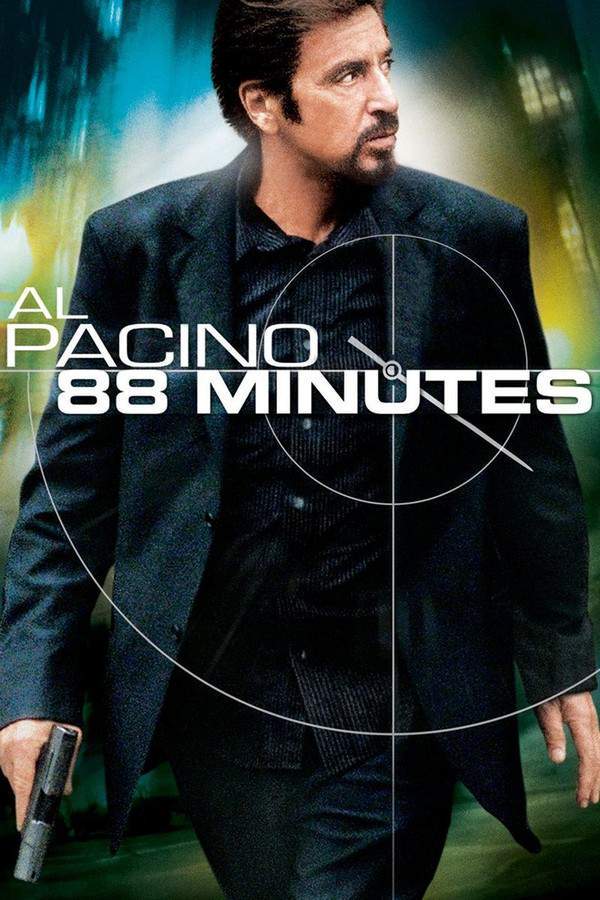
Thrillers with moral complexity and ambiguous endings like Unnaipol Oruvan

Stories where the lines between hero and villain blur under extreme pressure. For viewers who appreciated the ethical debates and ambiguous resolution of Unnaipol Oruvan, this section collects similar movies like it. These complex dramas and thrillers explore grey areas of morality, where the right choice is unclear and endings provide thought-provoking reflection rather than simple answers.

  • thought-provoking
  • unsettling
  • gripping
  • reflective
  • morally complex
  • psychological
  • Tone: tense, thought-provoking, unsettling
  • Pacing: steady, building to climax
Why these movies?

The story pattern: These narratives typically involve a protagonist who challenges a corrupt or inefficient system, but their own methods may be equally problematic. The journey leads not to a clear victory, but to a contemplative and often ambiguous ending that questions the very nature of right and wrong.

Why they belong together: These films are grouped together because they prioritize thematic depth over clear-cut resolutions. They share a heavy emotional weight, a tense atmosphere, and a focus on the psychological and ethical costs of actions taken in the name of a greater good, leaving a lasting, unsettled feeling.

If you liked this

Movies Like Unnaipol Oruvan

Similar movies to Unnaipol Oruvan: the same genre, themes or kind of story. Each one comes with its own plot summary, timeline and ending explained.

Browse all movie summaries

Every angle

Unnaipol Oruvan (2009) Explained: Plot, Timeline & Characters

Everything about Unnaipol Oruvan in one place: what happens in the plot summary, the timeline in chronological order, the characters and meaning and a spoiler-free summary. What's After the Movie adds the cast, box office and post-credit scenes.

Coming soon on iOS and Android

The Plot Explained Movie Summary App

Plot summaries, endings explained and timelines on your phone. Catch up on any movie in minutes, save your favorites and never miss a twist again.

Be the first to know when we launch. Your email stays private, always.

Learn more about the app