Plot Explained Spoilers guaranteed!
Plot Explained

Browse by genre

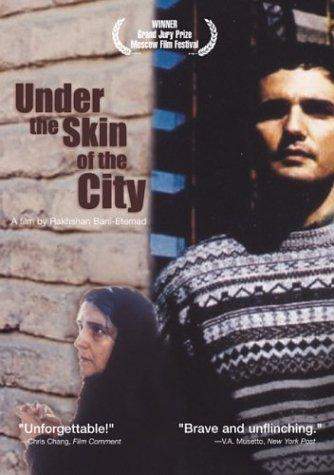
Under the Skin of the City (2001) movie poster

Characters & Themes

Under the Skin of the City (2001) Characters, Setting & Themes Explained

Release, runtime and language
2001 · 92 mins · Persian
Directed by
Rakhshan Banietemad
Starring
Baran Kosari, Mohammad Reza Foroutan, Mohsen Ghazi Moradi, Alireza Osivand, Homeira Riazi, Golab Adine

Tuba endures grueling shifts at a textile factory in Iran, then returns each night to a troubled household. Her pregnant daughter suffers regular abuse from her husband; her teenage son drifts into radical politics and trouble; her older son schemes to sell their modest home to fund an engineering job in Japan, hoping to escape the country.

On this page (7)
  1. 1 Characters explained (8)
  2. 2 Where & when it takes place
  3. 3 Themes & meaning (3)
  4. 4 Character & meaning questions
  5. 5 Movie threads
  6. 6 Movies like Under the Skin of the City
  7. 7 Every angle

8 main characters · contains spoilers

Under the Skin of the City Characters Explained: Who Is Who

The main characters of Under the Skin of the City (2001), heroes and villains: what drives them, how they change over the course of the story and what each of them reveals about the film's bigger ideas.

  • Tooba (Baran Kosari)

    Tooba is a working-class mother whose health suffers from long factory hours and unsafe conditions. She anchors the family with quiet strength, navigating poverty while safeguarding her children from exploitation and harm. Her choice to speak to documentarians on election day marks a pivotal moment of personal sacrifice for truth.

    • 👩‍👧‍👦 Family devotion
    • 🏭 Worker hardship
  • Abbas (Mohammad Reza Foroutan)

    Abbas is the eldest son who dreams of earning enough to send money home and longs for a better life in Japan. Faced with economic desperation, he descends into questionable work with a drug trafficker, testing his loyalty to family and moral boundaries.

    • 💼 Family breadwinner
    • 🧭 Moral dilemma
  • Ali (Mohsen Ghazi Moradi)

    Ali is the youngest, curious about politics and drawn to campaigns during the election. His inexperience makes him vulnerable to trouble as he gets involved in demonstrations, highlighting the gap between youthful idealism and harsh realities.

    • 🧭 Political curiosity
    • 👶 Youth engagement
  • Maryam (Homeira Riazi)

    Maryam is the neighbor who shares a bond with Tooba at the textile factory and navigates her own family’s pressures, including preparing for her eldest daughter's wedding. She embodies the solidarity and strain of working-class urban life.

    • 👩‍👧‍👧 Family bonds
    • 🏭 Working-class neighbor
  • Masoumeh (Mehrave Sharifinia)

    Masoumeh, Maryam’s younger daughter, endures abuse and eventually runs away, her plight drawing others into a rescue attempt. Her storyline exposes the vulnerabilities within family life and the social dangers lurking in the city.

    • 👭 Sibling bond
    • 🕊️ Escape
  • Somaya (Golab Adine)

    Somaya is Maryam’s elder daughter whose wedding unfolds against the backdrop of the family’s struggles. She represents hope and the pressure of social expectations in a marginalized community.

    • 💍 Wedding joy
    • 👩‍👧 Family expectations
  • Architect (Ebrahim Sheibani)

    The architect is a pressuring figure who seeks to push the family’s house deed into his control, representing predatory property deals and the threat of losing one’s home to unscrupulous schemes.

    • 🏗️ Property pressure
    • 💼 Corruption
  • Drug Boss (Ahmad Yavari Shad)

    The drug trafficker is a danger looming over Abbas’s illegal work, illustrating how crime networks exploit economic desperation and pull the family deeper into peril.

    • 💊 Crime networks
    • 🏷️ Exploitation

Last updated: October 03, 2025 at 14:11

Was this helpful?

Setting

Where and When Does Under the Skin of the City Take Place?

The setting of Under the Skin of the City (2001): the year and time period, the places and locations, and how they shape the characters, the mood and the tension of the story.

Time period

Early 2000s

The events occur during Iran’s sixth parliamentary elections, a time of political campaigning and public demonstrations in urban centers. Life is defined by scarcity, long factory hours, and pressure from both family obligations and political currents. The period anchors a sense of urgency as characters navigate survival within a changing sociopolitical landscape.

Location

Tehran, Iran, Mellat Park, Orumiyeh

The story unfolds in Tehran's working-class districts, where cramped apartments and crowded textile factories shape daily life. Mellat Park appears as a backdrop for moments of search and danger amid the city’s public bustle. The plot also brings a segment of the journey to Orumiyeh, reflecting the reach of crime and labor networks beyond the capital.

  • 🏙️ Urban Tehran
  • 🧭 Social and political climate
  • 🧱 Working-class neighborhoods

Last updated: October 03, 2025 at 14:11

Was this helpful?

3 major themes

Under the Skin of the City Meaning: Themes & Message Explained

What is Under the Skin of the City (2001) really about? The emotional, social and philosophical themes the film keeps returning to, its symbolism and the message beneath the surface.

  • Poverty

    Poverty threads through every decision: dangerous factory work, debt, and the theft of the house deed to secure money for basic needs. The family’s attempts to protect each other collide with harsh economic conditions and predatory schemes. Survival requires sacrifice, sometimes at the cost of personal safety and dignity.

  • Politics

    The sixth elections frame the world outside as a force pressing on private life. Ali’s political curiosity pulls him toward demonstrations and campaigns, while Tooba’s choice to reveal the truth shows how public events can strain or save a family. The film probes the cost of political engagement in a city where power and poverty are tightly interwoven.

  • Family resilience

    The family remains the central refuge and battleground as love, duty, and fear intersect. Parents provide for children while grappling with safety and honor; siblings tempt fate for a better future. The narrative emphasizes endurance, mutual support, and the difficult decisions made to keep the family intact.

Last updated: October 03, 2025 at 14:11

Was this helpful?

Character & theme questions

Under the Skin of the City Characters & Meaning: Your Questions Answered

The questions people ask about Under the Skin of the City (2001): who the characters really are, their relationships, what the symbols mean, where it takes place and what the movie is really about. Each answer contains spoilers.

Q1

Where is Under the Skin of the City set?

The film takes place primarily in Tehran's working-class districts, showing cramped apartments and crowded textile factories that define daily life for the characters. Some scenes also occur in Orumiyeh, illustrating how crime and labor networks extend beyond the capital.

  • tehran
  • iran
  • working class
  • textile factory
  • setting
Q2

When does the story take place?

The events occur in the early 2000s during Iran's sixth parliamentary elections, a period marked by political campaigning and public demonstrations. This era of scarcity and long factory hours creates pressure on families navigating both personal struggles and political currents.

  • iran
  • early 2000s
  • elections
  • sixth parliamentary elections
  • time period
Q3

What is the main theme of poverty in the film?

Poverty threads through every decision in the film, from dangerous factory work to debt and theft of the house deed. Characters sacrifice personal safety and dignity to survive, while predatory schemes exploit the family's desperation. The economic conditions force impossible choices that test family bonds.

  • poverty
  • economic struggle
  • survival
  • debt
  • textile factory
Q4

How do politics influence the story?

The sixth elections frame the outside world as a force pressing on private life. Young Ali's political curiosity pulls him toward demonstrations, while Tooba's decision to speak to documentarians shows how public events can strain or save a family. The film explores the cost of political engagement in a city where power and poverty intertwine.

  • politics
  • elections
  • iran
  • demonstrations
  • political engagement
Q5

What does the film say about family?

The family remains both refuge and battleground as love, duty, and fear intersect. Parents protect children while grappling with safety and honor; siblings risk everything for a better future. The narrative emphasizes endurance, mutual support, and difficult decisions made to keep the family intact despite overwhelming odds.

  • family
  • resilience
  • parents
  • children
  • sibling bonds
Q6

Who is Tooba and what is her role?

Tooba is a working-class mother whose health suffers from long hours and unsafe conditions at a textile factory. She anchors the family with quiet strength, navigating poverty while protecting her children from exploitation. Her pivotal choice to reveal the truth to documentarians on election day marks a moment of personal sacrifice for truth.

  • tooba
  • mother
  • textile worker
  • family anchor
  • truth
Q7

Who is Abbas and what drives him?

Abbas is the eldest son who dreams of earning enough to send money home and escaping to a better life in Japan. Economic desperation leads him into questionable work with a drug trafficker, testing his loyalty to family and moral boundaries.

  • abbas
  • eldest son
  • japan
  • desperation
  • drug trafficker
Q8

Who is Ali and why is he drawn to politics?

Ali is the youngest son, curious about politics and drawn to campaigns during the election period. His inexperience makes him vulnerable to trouble as he participates in demonstrations, highlighting the gap between youthful idealism and harsh realities.

  • ali
  • youngest son
  • politics
  • youth
  • demonstrations
Q9

Who is Maryam in the story?

Maryam is Tooba's neighbor who works at the same textile factory and navigates her own family's pressures, including preparing for her eldest daughter's wedding. She embodies the solidarity and strain of working-class urban life.

  • maryam
  • neighbor
  • textile factory
  • working class
  • wedding
Q10

What happens to Masoumeh?

Masoumeh is Maryam's younger daughter who endures abuse and eventually runs away. Her plight draws others into a rescue attempt, exposing the vulnerabilities within family life and the social dangers lurking in Tehran's working-class neighborhoods.

  • masoumeh
  • abuse
  • runaway
  • rescue
  • danger
Q11

Who is the architect character?

The architect is a pressuring figure who seeks to take control of the family's house deed, representing predatory property deals and the threat of losing one's home to unscrupulous schemes in Tehran's working-class districts.

  • architect
  • house deed
  • property
  • predatory
  • home loss
Q12

What is Mellat Park's role in the film?

Mellat Park appears as a backdrop for moments of search and danger amid Tehran's public bustle. It represents a public space where characters face peril while navigating the city's social landscape.

  • mellat park
  • tehran
  • danger
  • public space
  • search
Q13

Why does the story include Orumiyeh?

A segment of the journey takes the story to Orumiyeh, reflecting how crime and labor networks extend beyond Tehran. This illustrates the reach of exploitation and economic desperation across different regions of Iran.

  • orumiyeh
  • crime network
  • labor
  • tehran
  • exploitation
Q14

What is the overall tone and message of the film?

The film has a consistently bleak tone, depicting a family's systemic powerlessness against economic exploitation, domestic abuse, and political oppression. The narrative emphasizes endurance amid hardship, showing how harsh social conditions dissolve family unity while characters make impossible choices to survive.

  • bleak tone
  • social critique
  • oppression
  • endurance
  • powerlessness

Movie threads

More Movies Like Under the Skin of the City, by Mood & Story

Curated lists built around what makes Under the Skin of the City tick: the same mood, the same kind of story or the same emotional payoff. Each list explains why these movies belong together.

Resigned Family Dramas Under Systemic Pressure like Under the Skin of the City

Stories where a family's unity is tested by overwhelming social and economic forces. If you liked the familial struggles in Under the Skin of the City, explore other movies that focus on families crumbling under economic hardship and social injustice. These stories share a bleak tone and heavy emotional weight, portraying the quiet desperation of individuals trapped within a larger, oppressive system.

  • grim
  • oppressive
  • desperate
  • resigned
  • anxious
  • family crisis
  • Tone: bleak, desperate
  • Pacing: steady, methodical
Why these movies?

The story pattern: This thread groups films that follow a family as the primary narrative vehicle, with each member representing a different facet of a shared crisis. The plot typically avoids a single protagonist, instead weaving together multiple perspectives to build a cumulative portrait of hardship, often leading to an ambiguous or bittersweet conclusion for the family as a whole.

Why they belong together: Movies are grouped here based on their core focus on the family unit as a microcosm of societal ills. They share a bleak, oppressive mood, steady pacing that builds tension through accumulating hardships, and a heavy emotional weight derived from themes of economic desperation and social failure.
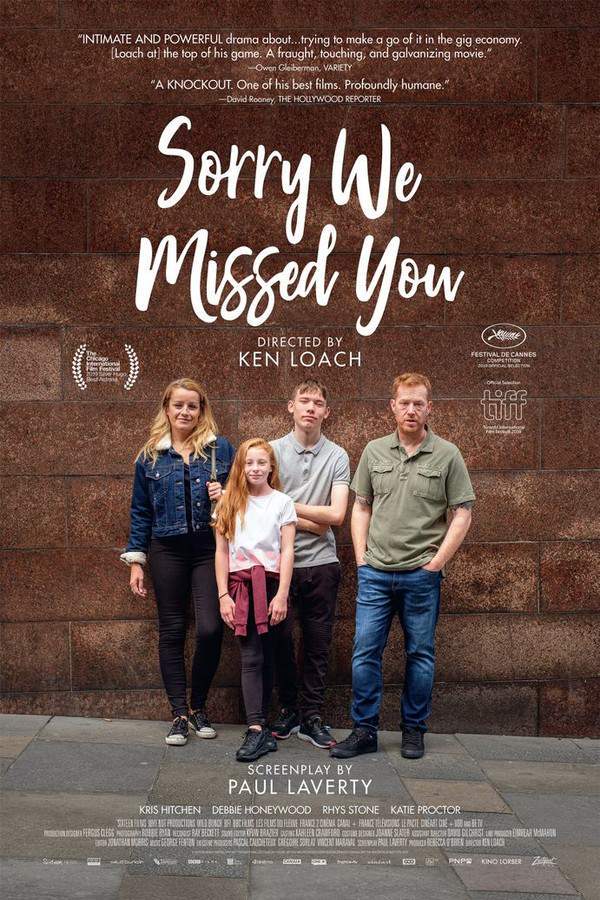
Grim Portraits of Working-Class Desperation like Under the Skin of the City

Unflinching looks at the grinding reality of poverty and the struggle for dignity. Viewers who appreciated the raw depiction of labor and poverty in Under the Skin of the City will find similar stories here. This collection features movies that explore working-class struggles with a bleak, realistic tone, focusing on characters facing economic desperation and social injustice.

  • grim
  • oppressive
  • desperate
  • somber
  • anxious
  • poverty
  • Tone: bleak, somber
  • Pacing: steady, immersive
Why these movies?

The story pattern: The narrative pattern revolves around a protagonist or group whose life is defined by grueling labor and systemic barriers. The conflict is often against an impersonal system—capitalism, political oppression—with the story charting their attempts, often failed or costly, to achieve a better life or simply retain their dignity.

Why they belong together: These films are connected by their central theme of working-class struggle and their grim, realistic tone. They share a steady pacing that reflects the relentless nature of poverty, a medium-to-high emotional weight, and a visual and narrative style that grounds the viewer in an oppressive, authentic world.

If you liked this

Movies Like Under the Skin of the City

Similar movies to Under the Skin of the City: the same genre, themes or kind of story. Each one comes with its own plot summary, timeline and ending explained.

Browse all movie summaries

Every angle

Under the Skin of the City (2001) Explained: Plot, Timeline & Characters

Everything about Under the Skin of the City in one place: what happens in the plot summary, the timeline in chronological order, the characters and meaning and a spoiler-free summary. What's After the Movie adds the cast, box office and post-credit scenes.

Coming soon on iOS and Android

The Plot Explained Movie Summary App

Plot summaries, endings explained and timelines on your phone. Catch up on any movie in minutes, save your favorites and never miss a twist again.

Be the first to know when we launch. Your email stays private, always.

Learn more about the app