Plot Explained Spoilers guaranteed!
Plot Explained

Browse by genre

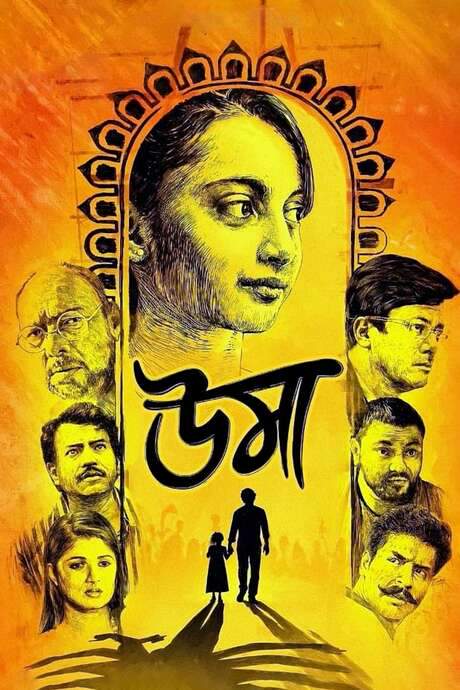
Uma (2018) movie poster

Plot Summary

Uma (2018) Plot Summary Explained

Release, runtime and language
2018 · 149 mins · Bengali, Bangla
Directed by
Srijit Mukherji
Starring
Dev, Srabanti Chatterjee, Rudranil Ghosh, Anjan Dutt, Jisshu Sengupta, Prosenjit Chatterjee

A young girl facing a terminal illness desperately wants to experience the vibrant Durga Pooja festival in Kolkata. Her devoted father and a filmmaker team up, embarking on a heartfelt journey to create a simulated version of the celebration, hoping to fulfill her cherished wish and bring a moment of joy into her life.

On this page (5)
  1. 1 Where to watch
  2. 2 What happens: full plot
  3. 3 Plot questions answered
  4. 4 Movie threads
  5. 5 Every angle

Where to watch

Where to Watch Uma (2018)

Where can you watch Uma? Stream, rent or buy it in the US, including on Amazon Video, Apple TV Store and Google Play Movies: current JustWatch availability with up-to-date prices.

Streaming availability powered by JustWatch

Full plot summary · contains spoilers

What Happens in Uma: Full Plot Summary

The whole story of Uma (2018) explained, from the opening scene to the final frame: every key event, every twist and what it all adds up to. Read it as a quick recap before the sequel, to check a scene you missed, or to finally understand what really happened.

Uma is a young girl living in Zurich who is facing a terminal illness; a doctor bluntly tells her she has barely two months left. Her guardian in this moment of fear, Himadri, is devastated by the news and resolves to grant her one last wish: to witness the magic of Kolkata during Durga Puja, the grandest festival in Bengali culture. He had promised Uma before that he would take her to Kolkata, but his demanding work schedule kept him from doing so—until now.

To fulfill Uma’s dream, Himadri devises a bold plan: to stage a fake Durga Puja in the city with the help of a discreet crew. The crew includes the Gobindo, a resourceful figure who helps locate a director, and the bridge between dream and reality becomes the seasoned yet troubled filmmaker Brahmananda. The director, who once tasted a glimmer of success but now lives with the echoes of past failures, sees in this dying girl’s wish a chance to craft a life-affirming masterpiece. His backstory unfolds as a flashback—his wife and son drifted apart after a string of box-office disappointments, leaving him to confront what he could not change in his own life.

As the plan takes shape, Brahmananda agrees to the project after a brief, charged conversation with Himadri. The crew faces a cascade of practical and moral hurdles: Mohitosh Sur, a resident with strong opinions about the festival’s authenticity, strongly resists what he calls a mockery of a sacred tradition. He even contemplates legal action, while Gobindo exerts influence through a lawyer to tilt the odds in their favor. Yet the team pushes forward, driven by Uma’s unwavering hope.

A crucial thread of the story concerns who will play Uma’s mother in this constructed Durga Puja. After a process of auditions filled with tension and doubt, a suitable woman named Marium is chosen to play the mother figure, providing the human heart the drama needs. Meanwhile, an officer named Indra—an Ammal-turned-government figure who seems to hold the keys to the electricity and permit approvals—becomes a pivotal obstacle, denying permission and catalyzing a tense confrontation with Himadri.

The day of delivery arrives when Uma is brought to Kolkata. The pandal lights finally blaze to life, despite the bureaucratic snags, and the ensemble of the crew works to stage a celebration that feels real enough to touch Uma’s dying wish. In a moment of revelation, Indra’s side of the story is clarified, and the community around the festival bursts into warmth and support. Menoka, Uma’s mother in this troubled history, reappears with a complicated past of her own, and the film’s emotional center shifts as the truth about Uma’s parentage and upbringing gradually surfaces.

As Dashami—the last day of Durga Puja—arrives, the team improvises to secure a crowd large enough to give Uma the authentic experience she wanted. The Bihari goon who previously loomed as a threat arrives with the needed people, and the festival proceeds with a blend of ritual grandeur and human vulnerability. Uma herself participates in the celebrations, receiving a heartfelt welcome from Brahmananda’s family, and her world briefly lights up with genuine joy before she faints, reminding everyone of the fragility of life.

In the aftermath, the circle around Uma—Himadri, the crew, and those who cared for her—grapples with the weight of what they’ve done. A quiet moment comes when Himadri shows Uma an old photograph of her biological mother, prompting a painful but necessary acknowledgment: Uma had suspected that the woman who had cared for her during the preparations might not be her real mother, and she offers a sincere apology for the confusion and hurt that history has wrought. The film closes on a tender note: Marium remains in Uma’s life, now living with Uma and Himadri as doctors approve a potential operation, and Uma writes to her newfound family about the experiences she witnessed and the hope she still holds for a possible recovery.

This emotionally driven story is rooted in real events, drawing inspiration from the life and death of Evan Leversage, who lived in St George in Ontario, Canada, and whose legacy echoes through Uma’s journey and the choices that shape the Durga Puja that binds a family together in the face of an imminent loss.

Last updated: February 18, 2026 at 23:43

Was this helpful?

Plot questions answered

Uma Plot Explained: Your Questions Answered

The questions people ask most about Uma (2018): what happens in the confusing scenes, why the characters do what they do, the twists, hidden details and what the ending means. Each answer contains spoilers.

Q1

Why did Himadri stage a fake Durga Puja instead of taking Uma to a real one?

Himadri staged a fake Durga Puja because Uma was terminally ill with barely two months left, making a real trip impossible. More importantly, he wanted to give her an exclusive, grand celebration just for her, something a real festival crowded with thousands of people could never provide. A real Durga Puja would also have beenlogistically challenging given her deteriorating health and the need for constant medical care.

  • fake durga puja
  • himadri
  • uma
  • terminal illness
  • Kolkata
Q2

Who is Uma's real mother - Menoka or Marium?

Marium is revealed to be Uma's real biological mother, not Menoka. Menoka was an actress who was originally believed to be Uma's mother, but Indra clarifies that Menoka is not her biological mother. Marium, the woman who played Uma's mother during the fake Puja, is actually her real mother and stays with Uma at the end.

  • uma's mother
  • marium
  • menoka
  • biological mother
  • parentage
Q3

Why did Brahmananda agree to direct the fake Puja?

Brahmananda agreed because he saw it as a chance at redemption. A flashback reveals his career had failed with multiple box-office flops, his wife and son had drifted apart, and he was living with the weight of his past failures. Uma's dying wish represented a meaningful project that could give his life purpose again, a chance to create something beautiful rather than another failure.

  • brahmananda
  • filmmaker
  • director
  • redemption
  • fake puja
Q4

Why did Mohitosh oppose the fake Puja and then help at the end?

Mohitosh initially opposed the fake Puja because he saw it as a mockery of sacred tradition, he even considered legal action to stop it. However, after learning the truth about Uma's terminal condition and her final wish, his perspective shifted dramatically. On Dashami night, he even went to the Bihari goon to request help securing enough people for the Visarjan ceremony, becoming an ally instead of an antagonist.

  • mohitosh
  • opposition
  • fake puja
  • tradition
  • dashami
Q5

Why was officer Indra blocking the electricity and permits?

Indra, a government officer, initially denied electricity and permit approvals for the fake Puja setup, creating a major obstacle. This wasn't explained in detail in the summary, but it represented the bureaucratic resistance the crew had to overcome. Later, his side of the story is clarified and the community rallies to support the effort.

  • indra
  • officer
  • electricity
  • permits
  • government
  • Kolkata
Q6

Why did the Bihari goon help provide the crowd for Dashami?

The Bihari goon, who had previously been a threat, agreed to supply the needed crowd for Dashami after a tense exchange. Moved by Uma's plea and perhaps reflecting on his own life, he chose to help rather than stand in the way. This moment represents one of many transformations in the film where people overcome their initial objections when faced with the reality of Uma's situation.

  • bihari goon
  • dashami
  • crowd
  • visarjan
  • help
Q7

Why had Himadri never taken Uma to Kolkata before?

Himadri had promised Uma before that he would take her to Kolkata for Durga Puja, but his demanding work schedule always prevented him from doing so. After receiving her terminal diagnosis with barely two months left, he realized he had run out of time and resolved to finally fulfill his promise, albeit in an unconventional way by staging the celebration for her.

  • himadri
  • promise
  • Kolkata
  • work
  • durga puja
Q8

What happens when Uma faints during the Dashami celebrations?

During the emotional peak of Dashami, Uma participates in the celebrations and experiences genuine joy, but then she unexpectedly faints. This moment underscores the fragility of her health and serves as a heartbreaking reminder that despite the beautiful experience being created for her, her terminal condition remains dire. The fainting intensifies the emotional weight for everyone involved.

  • uma faints
  • dashami
  • celebration
  • health
  • terminal
Q9

What happens to Uma at the end of the movie?

After the Puja ends, Himadri shows Uma an old photograph of her biological mother, leading to a painful but necessary acknowledgment of the truth. The film ends on a tender note: doctors approve a possible operation that could extend Uma's life, Marium stays in her life, and Uma writes to her newfound family about the experiences and hope she now holds. The ending is bittersweet, her wish was fulfilled, but her fate remains uncertain.

  • ending
  • uma
  • operation
  • hope
  • marium
  • recovery

Movie threads

More Movies Like Uma, by Mood & Story

Curated lists built around what makes Uma tick: the same mood, the same kind of story or the same emotional payoff. Each list explains why these movies belong together.

Movies about final wishes like Uma

Stories about fulfilling a dying person's last, deeply personal desire. If you were touched by Uma's story of a father fulfilling his daughter's last wish, you'll find more heartfelt movies like it here. These films explore similar journeys of love, dedication, and creating joy in the face of terminal illness.

  • heartfelt
  • emotional
  • sorrowful
  • uplifting
  • melancholic
  • devoted
  • Tone: bittersweet, heartfelt
  • Pacing: steady, purposeful
Why these movies?

The story pattern: Movies in this thread typically follow a central character or group who learns of a loved one's terminal prognosis. The plot revolves around the logistical and emotional challenge of making a cherished dream come true, often bringing a community together and leading to personal redemption or reconciliation for those involved. The journey is as much about the characters' healing as it is about the final act.

Why they belong together: These films are grouped together because they share a core narrative of fulfilling a final wish, creating a unique blend of heavy emotional weight with uplifting, heartfelt effort. They resonate with viewers seeking stories about the power of love, community, and finding beauty in sorrow.

Movies where a community comes together like in Uma

Stories where a community unites to achieve a profoundly personal goal. Fans of Uma will appreciate these other films where a community rallies around a central, emotional cause. Discover more movies with a similar feel, where collective effort brings hope and creates poignant, bittersweet moments of human connection.

  • community
  • hopeful
  • heartfelt
  • emotional
  • uplifting
  • redemption
  • Tone: hopeful, melancholic, uplifting
  • Pacing: steady, character-driven
Why these movies?

The story pattern: The narrative pattern involves an initial obstacle that seems insurmountable for an individual or family. This challenge inspires or forces the wider community to become involved, leading to a story about collaboration, overcoming differences, and shared purpose. The focus is on the process of uniting diverse people and the emotional resonance of the collective achievement, which often carries a bittersweet weight due to the underlying serious theme.

Why they belong together: These movies are connected by their central theme of communal action in the face of emotional adversity. They share a specific tone that balances the sadness of the situation with the hope and warmth generated by people working together for a noble cause.

Every angle

Uma (2018) Explained: Plot, Timeline & Characters

Everything about Uma in one place: what happens in the plot summary, the timeline in chronological order, the characters and meaning and a spoiler-free summary. What's After the Movie adds the cast, box office and post-credit scenes.

Coming soon on iOS and Android

The Plot Explained Movie Summary App

Plot summaries, endings explained and timelines on your phone. Catch up on any movie in minutes, save your favorites and never miss a twist again.

Be the first to know when we launch. Your email stays private, always.

Learn more about the app