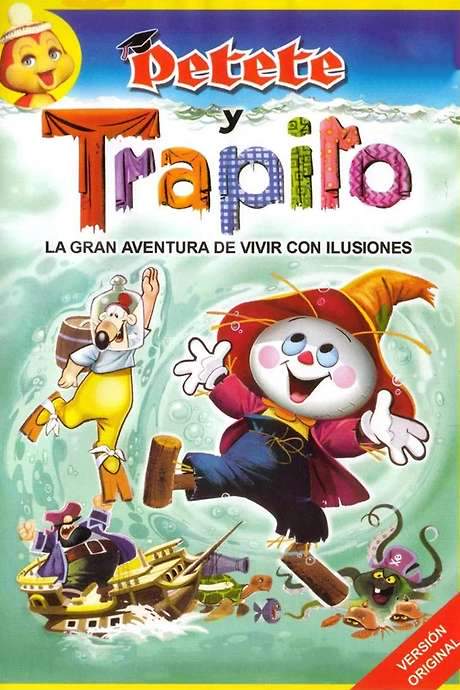
Trapito
Year: 1975
Runtime: 88 mins
Language: Spanish
Director: Manuel García Ferré
On a night, scarecrow Trapito rescues Salapin the sparrow. Grateful, Salapin convinces Trapito he can leave his post; the birds’ patriarch says Trapito lacks imagination, so Salapin becomes his fantasy. They befriend farmer Largirucho, sell cheese in the city, and when his money is stolen, a cook holds his pig as collateral, sparking adventures as they look for work.
Warning: spoilers below!
Haven’t seen Trapito yet? This summary contains major spoilers. Bookmark the page, watch the movie, and come back for the full breakdown. If you're ready, scroll on and relive the story!
Trapito (1975) – Full Plot Summary & Ending Explained
Read the complete plot breakdown of Trapito (1975), including all key story events, major twists, and the ending explained in detail. Discover what really happened, and what it all means.
- Pelusa Suero
- Enrique Conlazo
- Susana Sisto
- Marcelo Chimento
- Norma Esteban
- Mario Gian
On a stormy night, a exhausted sparrow named Salapin nearly drowns in a muddy pool, only to be saved by a living scarecrow called Trapito who steadies him and tucks him into his warm, dry inside pocket. The rescue sparks a quiet conversation between them: Trapito admits he feels lonely and puzzled, while Salapin urges him to step beyond his lifelong field and glimpse the world. They seek counsel from the wise old owl, the Patriarch of the Birds, who senses something missing in Trapito—imagination. The Patriarch suggests they venture out together to discover new horizons.
Their journey begins with a chance meeting in the village with Larguirucho, a friendly yet somewhat bumbling mouse who runs a small farm filled with animals, especially his pigs. They travel to the town where Larguirucho peddles cheeses and shares a meal with Salapin and Trapito, only to have his money snatched by a crafty crow named Ataúlfo. The innkeeper’s stern warning to pay a lingering debt—else the mother pig will be butchered—sets a tense tone. Larguirucho struggles to find steady work until fate lands him a job as an assistant carpenter. A pirate, seeking a peg leg for his Captain Mala Pata, appears, and after the peg leg is crafted, it is turned over to Larguirucho for delivery. A mishap follows: near the butcher, the carpenter mixes the peg leg with a few similarly shaped hams, and Larguirucho inadvertently delivers one of the hams to Mala Pata.
Mala Pata, ruthless and ambitious, commands his crew to shanghai Larguirucho and press Trapito into service as a figurehead. The pirate sails toward a tropical island marked on a map as the place where crystal tears lie hidden. A mutiny to gain the tears seems imminent, but the trio—Larguirucho, Salapin, and the small pig—unravels the plan, foiling the rebellion. In a decisive turn, Mala Pata elevates Larguirucho to first mate and frees Trapito, cementing a fragile partnership aboard the pirate ship.
Arriving at the island, the new first mate and his companion are ordered to dive to the sea bottom to retrieve the tears. They discover that the crystal tears are wept by a mermaid named Espumita and are associated with the happiness of the sea creatures. Espumita’s oceanic world is threatened by the Cruel Octopus, a fearsome pirate who leads a crew of crabs and swordfishes. Espumita’s partner, a noble Sea Horse, unites the good sea creatures in a defense, briefly turning the tide against the octopus. The Sea Horse is captured, prompting a daring rescue by Larguirucho and Trapito; their bravery earns them one of Espumita’s crystal tears. They return to Mala Pata’s ship with the prize, but the Cruel Octopus continues to menace them, forcing Mala Pata and Ataúlfo to dive back into the sea in pursuit of more tears.
Back in town, Larguirucho, now treated as captain, uses the crystal tear to settle the innkeeper’s debt. The farm soon becomes his home again, and Salapin encounters a female sparrow, with whom he falls in love. Their bond leads them to fly away together, leaving Trapito behind. The loneliness of the scarecrow deepens, yet the narrative returns to warmth when Salapin and his mate return the following year with their chicks, turning Trapito into a playful guardian for the young birds. The field, once a solitary space for Trapito, becomes a place of companionship through the chicks he now helps raise.
In some markets, Argentina and Spain included a distinctive opening by Petete, a puppet penguin beloved by the director, who speaks to audiences about the creation of the scarecrow, adding a charming introductory touch to the film.
Last updated: October 09, 2025 at 11:11
Trapito (1975) Plot Questions Answered – Summary FAQ
Explore frequently asked questions about Trapito (1975) with spoiler-rich answers covering the full plot summary, major story beats, character motivations, hidden details, and ending meaning. This movie summary FAQ helps explain confusing scenes, plot twists, and narrative decisions in clear, searchable detail.
Why does the Patriarch of the Birds say Trapito lacks imagination?
The Patriarch, a wise old owl, tells Trapito he lacks imagination after Trapito admits he feels lonely and purposeless. The owl observes that Trapito has spent his entire life standing motionless in the field without ever exploring the world or dreaming of anything beyond his post. This critique motivates Trapito to leave the field and embark on the journey that defines the rest of the story.
Earlier, Trapito admits he is puzzled by his own existence, hinting at the imaginative void the Patriarch later identifies.
How does Larguirucho become first mate of the pirate ship?
After the pirates shanghai Larguirucho and force Trapito to serve as their figurehead, a mutiny erupts aboard Mala Pata's ship. Larguirucho, Salapin, and the mother pig work together to foil the mutiny by exposing the rebels' plan to steal the crystal tears. Impressed by Larguirucho's quick thinking, Captain Mala Pata promotes him to first mate and frees Trapito from figurehead duty.
The peg leg mix-up earlier draws the pirates' attention to Larguirucho, setting up his eventual capture.
What are Espumita's crystal tears and why do the pirates want them?
The crystal tears are precious gems shed by Espumita, a mermaid who lives on a tropical island. These tears are linked to the happiness and harmony of sea creatures. The Cruel Octopus threatens the ocean's balance by attacking the mermaids, while the pirates seek the tears for their immense value. One crystal tear is enough to pay off Larguirucho's substantial debt to the innkeeper, demonstrating its worth.
Mala Pata's map marks the island as the location of hidden crystal tears, establishing their importance early.
Why does Salapin leave Trapito at the end of the movie?
Salapin meets a female sparrow while staying at Larguirucho's farm and falls in love with her. The two sparrows decide to fly away together to start a new life, which is a natural part of a sparrow's journey. This departure leaves Trapito feeling lonely again, but Salapin returns the following year with his mate and their chicks, bringing the story full circle.
Salapin initially convinces Trapito to leave his post by suggesting there is more to life, hinting at his own eventual departure.
How did mixing up the ham and peg leg lead to Trapito being taken by pirates?
The carpenter packages a ham that resembles a peg leg for delivery. Larguirucho, still learning the trade, mistakenly delivers the ham to Captain Mala Pata instead of the actual peg leg. The pirates are furious about the error, and when they investigate, they discover Larguirucho works alongside Trapito. The pirates then scheme to shanghai Larguirucho and use the scarecrow as their figurehead, using the delivery mistake as a pretext for their kidnapping scheme.
The carpenter warns about similar-shaped items being confused earlier in the scene.
Why does the Cruel Octopus attack the sea creatures?
The Cruel Octopus leads a crew of crabs and swordfishes in an effort to dominate the ocean and steal the crystal tears from Espumita. His motive is greed and power, he seeks the valuable tears for himself while threatening the harmony of the underwater world. The Sea Horse, Espumita's partner, organizes a defense against the octopus but is captured, prompting Larguirucho and Trapito to rescue him.
The pirates themselves dive back into the sea seeking more tears, showing the crystal tears' widespread desirability.
How does Larguirucho pay off his debt to the innkeeper?
After returning from the island quest, Larguirucho uses one of Espumita's crystal tears to settle his debt with the innkeeper. The single tear proves valuable enough to cover the substantial sum he owed, allowing him to free the mother pig from the threat of being butchered and return to his farm with his animals.
The innkeeper warns early that the mother pig will be butchered if the debt remains unpaid.
What happens to Trapito after Salapin leaves?
After Salapin departs with his new mate, Trapito is left alone in his field once more, experiencing the loneliness he felt at the beginning of the story. However, the following year, Salapin and his mate return with their baby chicks. Trapito becomes a guardian and playmate to the young birds, transforming his solitary existence into one filled with companionship and purpose, closing the story on a hopeful note.
Salapin hints at sending something from afar before leaving, foreshadowing his return.

Explore Movie Threads
Discover curated groups of movies connected by mood, themes, and story style. Browse collections built around emotion, atmosphere, and narrative focus to easily find films that match what you feel like watching right now.
Gentle stories of found family like Trapito
Lonely figures find belonging and purpose through lighthearted adventures with new friends. If you enjoyed the heartwarming friendship between Trapito and his animal companions, you'll love these movies. This section features other gentle, family-friendly films where lonely characters find their place in the world through whimsical adventures and the power of found family.
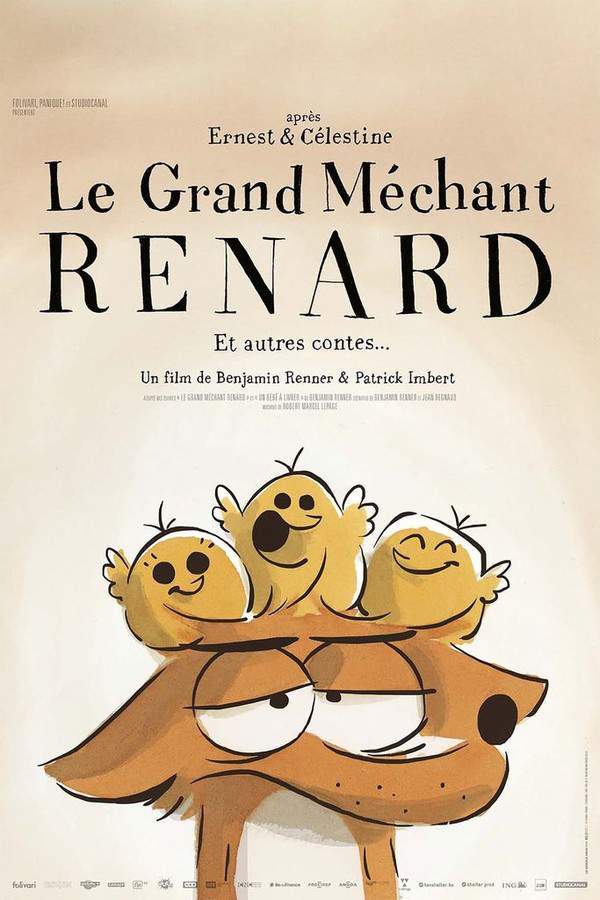
The Big Bad Fox & Other Tales
2018

Gabby's Dollhouse: The Movie
2025

Toopy and Binoo The Movie
2023

The Wind in the Willows
1988

Harold and the Purple Crayon
1959
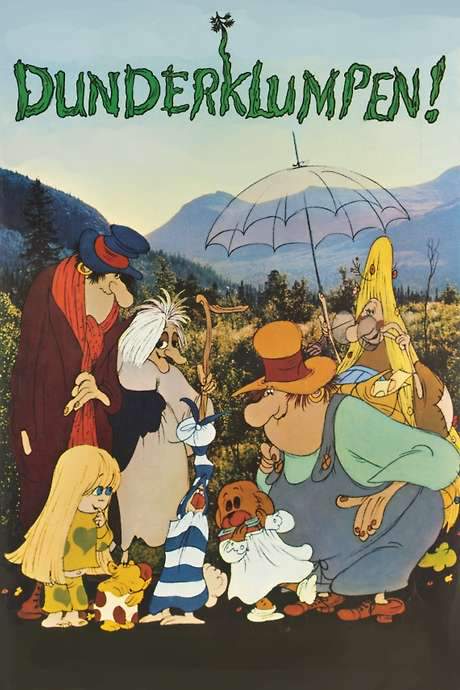
Dunderklumpen!
1974

The Wonderful World of the Brothers Grimm
1962

Here Comes Peter Cottontail: The Movie
2005

The Wind in the Willows
1983

Magic Candies
2024

A Wizard's Tale
2018
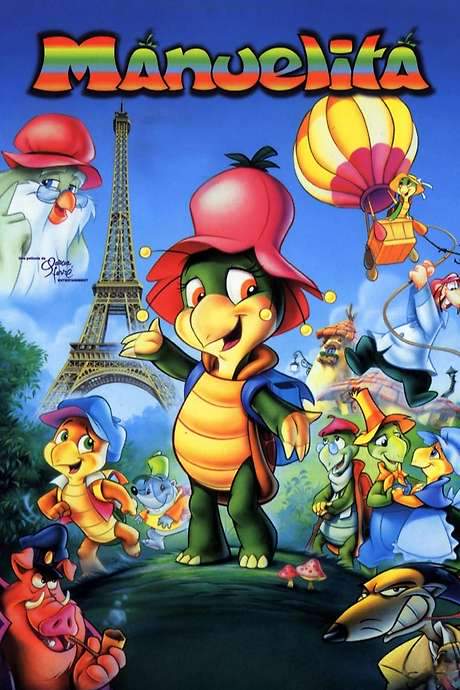
Manuelita
1999

Alice’s Orphan
1926
Moomins on the Riviera
2015

Piglet's Big Movie
2003
Narrative Summary
Stories in this thread follow a straightforward, linear path. A lonely protagonist, often in a simple or rural setting, meets unexpected friends. Together, they embark on a series of low-stakes adventures that test their bond and ingenuity. The central conflict is usually external and mild, serving to strengthen their relationships rather than create lasting trauma, culminating in a resolution that solidifies their new family unit.
Why These Movies?
These films are grouped together because they share a core focus on the theme of found family, delivered with a whimsical tone and light emotional weight. They offer a comforting, hopeful viewing experience characterized by steady pacing, gentle humor, and a lack of intense violence or disturbing themes, making them perfect for a cozy, uplifting watch.
Movies with gentle, simple adventures like Trapito
Steady-paced journeys through pastoral settings where imagination fuels small-scale quests. For viewers who loved the steady, charming adventures of Trapito, this list highlights similar films. Discover other family-friendly movies that follow a gentle pace, celebrate imagination, and unfold in cozy, uncomplicated worlds where the journey itself is the reward.

The Land Before Time: The Wisdom of Friends
2007

Latte and the Magic Waterstone
2019
Manuelita
1999

The Adventures of Milo and Otis
1989

Back to the Secret Garden
2000

Here Come the Littles
1985

Pooh’s Grand Adventure: The Search for Christopher Robin
1997

The Land Before Time V: The Mysterious Island
1997

Little Golden Book Land
1989

Open Season 3
2010

The Princess and the Goblin
1991

The Land Before Time XI: Invasion of the Tinysauruses
2005

Franklin and the Turtle Lake Treasure
2006

Angela's Christmas Wish
2020
The Wind in the Willows
1983
Narrative Summary
The narrative pattern involves a protagonist content in their simple life who is inspired to embark on a modest quest. The journey is a sequence of connected, low-intensity events—meeting quirky helpers, solving small problems, and exploring new but friendly places. There is no great evil to defeat; the climax revolves around achieving a personal goal or helping a friend, reinforcing the values of kindness and community.
Why These Movies?
These movies share a specific combination of low intensity, steady pacing, and a straightforward narrative structure. They create a cohesive vibe defined by their pastoral settings, lighthearted tone, and focus on the beauty of small-scale, imaginative adventures, providing a consistently calming and uplifting experience.
Unlock the Full Story of Trapito
Don't stop at just watching - explore Trapito in full detail. From the complete plot summary and scene-by-scene timeline to character breakdowns, thematic analysis, and a deep dive into the ending - every page helps you truly understand what Trapito is all about. Plus, discover what's next after the movie.
Trapito Timeline
Track the full timeline of Trapito with every major event arranged chronologically. Perfect for decoding non-linear storytelling, flashbacks, or parallel narratives with a clear scene-by-scene breakdown.

Characters, Settings & Themes in Trapito
Discover the characters, locations, and core themes that shape Trapito. Get insights into symbolic elements, setting significance, and deeper narrative meaning - ideal for thematic analysis and movie breakdowns.


