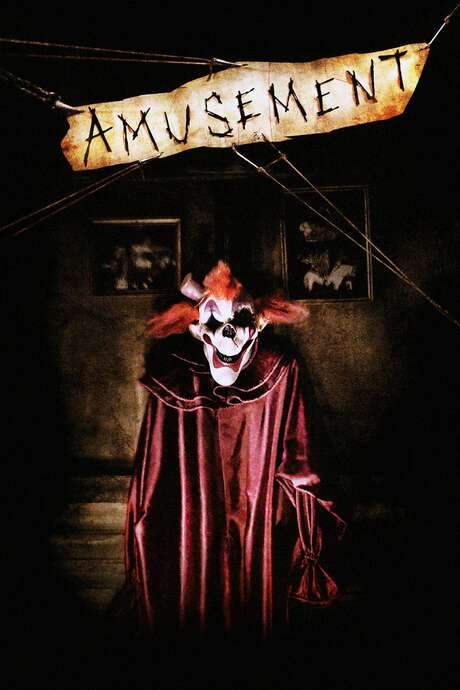
Torture Garden

Torture Garden

Year: 1967

Runtime: 100 mins

Language: English

Director: Freddie Francis

Horror

Five strangers enter a macabre fairground sideshow overseen by the enigmatic Dr. Diabolo. After touring a series of eerie, haunted‑house‑style exhibits, the sinister host tempts them with a truly terrifying experience—if they’re willing to pay the extra price.

Warning: spoilers below!

Haven’t seen Torture Garden yet? This summary contains major spoilers. Bookmark the page, watch the movie, and come back for the full breakdown. If you're ready, scroll on and relive the story!

Timeline – Torture Garden (1967)

Trace every key event in Torture Garden (1967) with our detailed, chronological timeline. Perfect for unpacking nonlinear stories, spotting hidden connections, and understanding how each scene builds toward the film’s climax. Whether you're revisiting or decoding for the first time, this timeline gives you the full picture.

1

Prologue: The fairground invitation

Five people visit a fairground sideshow run by Dr. Diabolo. He promises them a genuinely scary experience if they will pay extra and leads them behind a curtain to view their fates through the shears of an effigy of Atropos. The group watches as the curtain closes, stepping into a night of portentous illusions.

Prologue Fairground show tent
2

Enoch: Bryant exploits his dying uncle

Michael Bryant, a greedy playboy, takes advantage of his dying uncle Roger and schemes to profit from the old man's fortune. He becomes intertwined with a man-eating cat, hinting at a supernatural force guiding his actions. The setup foreshadows a deadly consequence for Roger.

Enoch Roger's estate
3

Enoch: the cat's deadly influence

The man-eating cat's presence grows more ominous as Roger's health falters under its influence. Bryant's ruthless greed seems to feed the creature's appetite, intensifying the danger around Roger. The segment builds toward a fatal, cat-driven outcome.

Enoch Roger's estate
4

Terror Over Hollywood: android co-stars revealed

Carla Hayes, a Hollywood starlet, uncovers that her supposed co-stars are androids rather than living actors. The shock fractures her sense of reality and stardom. The deception underscores the cost of illusion in the film industry.

Terror Over Hollywood Hollywood film set
5

Mr. Steinway: Euterpe's jealousy and revenge

A possessed Bechstein grand piano named Euterpe grows jealous of Leo Winston's new lover, Dorothy Endicott. The piano's malevolent will moves to revenge, using its music as a weapon against the lovers and the pianist. The haunting melody becomes a dangerous instrument in the plot.

Mr. Steinway Leo Winston's home
6

The Man Who Collected Poe: murder and Poe

Ronald Wyatt, a dedicated Poe collector, murders Lancelot Canning to obtain a coveted artifact. In a chilling twist, he discovers the item is Edgar Allan Poe himself, turning dangerous obsession into a grim encounter with the writer.

The Man Who Collected Poe Canning's collection room
7

Epilogue: Gordon Roberts' berserk act

Gordon Roberts, the fifth patron, goes berserk and uses the shears of Atropos to strike at Dr. Diabolo in front of the others. Panic erupts as the crowd realizes something uncanny is happening. The moment marks a shocking peak in the night's spectacle.

Epilogue Dr. Diabolo's booth
8

Epilogue: the twist—the show was fake

It is revealed that Gordon's lethal act was part of a staged deception controlled by Diabolo. The audience learns the danger was manufactured, and the dissent around it erupts into disbelief. The illusion of peril gives way to questions about the reality of the events.

Epilogue Fairground
9

Epilogue: Ronald's quiet return

Ronald Wyatt reveals that he did not flee with the others and stays to observe. He commends the performers' acting and shares a cigarette with Diabolo, using the lighter he borrowed in his vision, hinting that the events may have actually happened. The moment blurs the boundary between fiction and reality.

Epilogue Fairground backstage
10

Atropos and Diabolo: restoring the shears

Diabolo retrieves the shears and places them back into Atropos's hand, signaling control over fate. He refrains from letting the terrors truly end, instead reasserting the power of the show over its audience. The ritual underscores the theme of fate vs. performance.

Epilogue Sideshow stage
11

Diabolo's final confession: the devil unveiled

Breaking the fourth wall, Diabolo speaks directly to the audience and proclaims himself the devil. The revelation casts the entire night in a malevolent light and leaves viewers with a chilling sense of true evil lurking behind the curtain. The film ends on this ominous note.

Epilogue Audience hall
12

Closing aftermath: a night of consequences

The line between stagecraft and nightmare remains unclear as the patrons process what they witnessed. Some moments feel undeniably real, others like a masterful deception. The lingering sense of the devil's presence colors every memory of the night.

End Fairground

Last updated: February 03, 2026 at 07:41

Was this helpful?

Torture Garden (1967) Timeline Questions Answered – Chronology FAQ

Find frequently asked questions about the Torture Garden (1967) timeline, including chronological order, nonlinear jumps, cause-and-effect links, and scene sequence clarifications. This timeline FAQ helps explain when key events happen, how moments connect, and why the story unfolds in that specific order.

Q1

Why does the man-eating cat kill Roger in the Enoch story

A.

The cat targets Roger because Colin Williams' greed and exploitation of his dying uncle creates a spiritual vulnerability. The man-eating cat acts as a supernatural force that mirrors Colin's own predatory nature, feeding on the corrupt energy surrounding the scheme to profit from Roger's death. The cat's presence intensifies as Roger's health deteriorates, suggesting it feeds on both the physical and moral decay.

The cat first appears early in the segment, watching the interactions between Colin and his uncle with unsettling interest.

man-eating catEnochRogerColin Williamssupernatural punishmentgreed
Q2

How does Carla Hayes discover her co-stars are androids

A.

Carla begins noticing subtle wrongness in her fellow performers, their behavior becomes increasingly mechanical and their reactions too precise. Dr. Heim's clinical presence and the eerie atmosphere of the film set amplify her suspicions until the truth becomes undeniable: the people she thought were actors are actually androids designed to maintain the illusion of Hollywood glamour.

Early scenes show brief moments where the co-stars display oddly repetitive behaviors that don't register consciously at first.

Carla HayesandroidsHollywoodDr. Heimfilm setdeception
Q3

Why does the possessed piano Euterpe attack Dorothy Endicott

A.

The Bechstein piano named Euterpe becomes sentient and develops jealous feelings toward Leo Winston's new lover Dorothy Endicott. The piano sees itself as the rightful companion to its owner and views Dorothy as a rival. This jealousy manifests as increasingly dangerous music that escalates into a calculated supernatural attack, blurring the line between melody and malevolence.

The piano's sound shifts subtly from beautiful to unsettling whenever Dorothy is present, indicating the instrument's growing resentment.

EuterpepianoLeo WinstonDorothy Endicottsupernatural jealousyBechstein
Q4

What is the artifact Ronald Wyatt kills Lancelot Canning for, is it really Edgar Allan Poe

A.

Ronald Wyatt murders Lancelot Canning to obtain a rare Poe collectible he has sought for years. The shocking revelation is that the coveted item is not a manuscript or first edition but Edgar Allan Poe himself, either through supernatural resurrection or a literal embodiment of the author. This transforms his obsessive collection into a literal confrontation with literature's most haunting figure.

Wyatt's obsession with Poe throughout the segment hints that his fixation goes beyond typical collecting into something more uncanny.

Ronald WyattLancelot CanningPoeEdgar Allan Poemurdercollector
Q5

What happens to Gordon Roberts when he uses the shears of Atropos

A.

Gordon Roberts, the fifth patron, goes into a berserk state and attacks Dr. Diabolo with the shears of Atropos, attempting to kill what he perceives as the source of the disturbing visions. This violent act triggers panic among the other patrons and represents the climax of the night's supernatural terror before the reveal that the entire sequence may have been a staged performance.

Gordon appears increasingly unsettled throughout the prologue as he watches the visions unfold.

Gordon RobertsAtroposshearsDr. Diabolochaosepilogue
Q6

Is Dr. Diabolo actually the devil

A.

In the final moments of the film, Dr. Diabolo breaks the fourth wall and directly addresses the audience, revealing himself to be the devil. This chilling confession casts the entire sideshow in a new light, suggesting that the supernatural punishments the characters witnessed were genuine manifestations of infernal power rather than mere illusions.

Diabolo's enigmatic presence and control over fate throughout the film hint at something more than human.

Dr. Diabolodevildevil revealfourth wallendingidentity
Q7

Are the visions Dr. Diabolo shows the characters real or part of the show

A.

The film deliberately leaves this ambiguous. While the epilogue reveals Gordon's violent act was staged as part of the performance, Ronald Wyatt's continued presence and his use of the same lighter from his vision suggest some events may have had real consequences. The boundary between精心策划的幻觉 and genuine supernatural occurrence remains unclear, enhancing the film's unsettling atmosphere.

The epilogue shows Ronald staying behind, sharing a cigarette with Diabolo using the borrowed lighter, a direct callback that blurs reality and performance.

visionsstagedrealillusionperformancefateAtropos
Q8

Why does Ronald Wyatt stay behind after the chaos at the fairground

A.

Unlike the other patrons who flee in panic, Ronald Wyatt remains backstage with Dr. Diabolo. He commends the performers on their convincing acting and shares a cigarette with Diabolo, using the exact lighter he borrowed in his vision. This suggests Ronald either knew the danger was manufactured or discovered during the chaos that the events were part of a masterful deception, though the lingering implications trouble the distinction between performance and reality.

Ronald's calmer demeanor throughout the visions compared to other patrons hints at his deeper involvement or understanding.

Ronald Wyattstays behindfairgrounddiabeticlighterperformance
Q9

What do the shears of Atropos represent in Torture Garden

A.

The shears are the cutting tool of Atropos, the Greek goddess who cuts the thread of life, symbolizing fate and death. Dr. Diabolo uses them as a central prop in his sideshow, allowing each visitor to glimpse their destined end. The shears represent the ultimate power over life and death that Diabolo wields, whether as mere stage prop or genuine instrument of fate.

The effigy of Atropos holding the shears is visible from the moment the visitors enter the back room.

AtroposshearsfatedeathGreek mythologysymbolDr. Diabolo
Q10

How is Colin Williams' greed connected to the man-eating cat in Enoch

A.

Michael Bryant's character Colin is a greedy playboy who exploits his dying uncle Roger for money. The man-eating cat serves as a supernatural mirror and punisher of this greed. The creature appears because Colin's predatory behavior creates a spiritual vacuum that attracts such malevolent forces. The cat's hunger for flesh parallels Colin's hunger for wealth, suggesting the supernatural feeds on human corruption.

The cat is first noticed by Colin himself, drawn to his presence as if recognizing a kindred predatory spirit.

Colin WilliamsMichael Bryantgreedman-eating catRogersupernatural punishmentEnoch
Q11

What do the five visitors see when they look through the shears of Atropos

A.

Each visitor glimpses their personal fate through the shears: Colin's vision involves the man-eating cat and his uncle's death; Carla sees the android revelation in Hollywood; Leo witnesses the piano's vengeful attack; Ronald experiences his confrontation with Poe; and Gordon's vision leads to his berserk attack on Diabolo. These visions collectively represent the dark possibilities that await those who succumb to temptation and human weakness.

The visitors are shown entering the back room one by one before the curtain closes on the prologue.

five visitorsfatesAtroposvisionsprologueeach character
Mobile App Preview

Coming soon on iOS and Android

The Plot Explained Mobile App

From blockbusters to hidden gems - dive into movie stories anytime, anywhere. Save your favorites, discover plots faster, and never miss a twist again.

Sign up to be the first to know when we launch. Your email stays private, always.

Explore Movie Threads

Discover curated groups of movies connected by mood, themes, and story style. Browse collections built around emotion, atmosphere, and narrative focus to easily find films that match what you feel like watching right now.

Sinister Horror Anthologies like Torture Garden

Interwoven tales where supernatural forces expose and punish human flaws.If you liked the anthology format and dark themes of Torture Garden, this list features similar movies with interconnected tales of supernatural revenge and human folly. Discover other horror films where a sinister host or framework presents a series of chilling vignettes.

anthologymacabresinistersupernaturalominousunsettlingvengefuloccult

Narrative Summary

These stories use a non-linear, segmented structure, frequently with a host or central narrative that introduces and comments on the individual tales. Each segment typically features a character's moral failing or temptation being met with a swift and supernatural consequence, building towards an ambiguous or cyclical ending for the framing story.

Why These Movies?

Movies are grouped here for their shared anthology structure, their focus on dark, often Faustian themes, and their ability to deliver concentrated doses of horror within a larger, unsettling narrative framework. The similarity lies in the format and the consistent tone of supernatural punishment.
Movies with Ambiguous Occult Encounters like Torture Garden

Stories where the line between performance and genuine supernatural evil is blurred.For viewers who enjoyed the enigmatic Dr. Diabolo and the ambiguous ending of Torture Garden, this list collects movies where characters confront manipulative occult figures. These films share a feeling of uncertainty about whether the horror was real or an illusion, leaving a lasting sense of unease.

ambiguoussinisterpsychological manipulationoccultunsettlingdemonicuncertaineerie

Narrative Summary

The narrative pattern involves characters being tempted or coerced by a charismatic but sinister authority figure into witnessing or participating in a supernatural event. The conflict revolves around discerning reality from manipulation, culminating in an ending that deliberately undermines a clear resolution, suggesting the horror may be both performance and genuine occult power.

Why These Movies?

These movies are grouped by their shared focus on a manipulative, possibly demonic figure and the resulting psychological and thematic ambiguity. The similarity is in the mood of uncertain dread and the exploration of whether evil is a staged show or a palpable, supernatural force.

Unlock the Full Story of Torture Garden

Don't stop at just watching - explore Torture Garden in full detail. From the complete plot summary and scene-by-scene timeline to character breakdowns, thematic analysis, and a deep dive into the ending - every page helps you truly understand what Torture Garden is all about. Plus, discover what's next after the movie.

Torture Garden Summary

Read a complete plot summary of Torture Garden, including all key story points, character arcs, and turning points. This in-depth recap is ideal for understanding the narrative structure or reviewing what happened in the movie.

Torture Garden Summary

Characters, Settings & Themes in Torture Garden

Discover the characters, locations, and core themes that shape Torture Garden. Get insights into symbolic elements, setting significance, and deeper narrative meaning - ideal for thematic analysis and movie breakdowns.

Characters, Settings & Themes in Torture Garden

Torture Garden Spoiler-Free Summary

Get a quick, spoiler-free overview of Torture Garden that covers the main plot points and key details without revealing any major twists or spoilers. Perfect for those who want to know what to expect before diving in.

Torture Garden Spoiler-Free Summary

More About Torture Garden

Visit What's After the Movie to explore more about Torture Garden: box office results, cast and crew info, production details, post-credit scenes, and external links - all in one place for movie fans and researchers.

More About Torture Garden

Similar Movies to Torture Garden

Discover movies like Torture Garden that share similar genres, themes, and storytelling elements. Whether you’re drawn to the atmosphere, character arcs, or plot structure, these curated recommendations will help you explore more films you’ll love.