Year: 1988
Runtime: 135 mins
Language: Japanese
Director: Akio Jissoji
The reincarnation of a 10th century Japanese general haunts 1920’s Tokyo.
Warning: spoilers below!
Haven’t seen Tokyo: The Last Megalopolis yet? This summary contains major spoilers. Bookmark the page, watch the movie, and come back for the full breakdown. If you're ready, scroll on and relive the story!
Explore the full timeline and setting of Tokyo: The Last Megalopolis (1988). Follow every major event in chronological order and see how the environment shapes the story, characters, and dramatic tension.
Last updated: October 04, 2025 at 13:28
Meet the key characters of Tokyo: The Last Megalopolis (1988), with detailed profiles, motivations, and roles in the plot. Understand their emotional journeys and what they reveal about the film’s deeper themes.
Last updated: October 04, 2025 at 13:28
Explore the central themes of Tokyo: The Last Megalopolis (1988), from psychological, social, and emotional dimensions to philosophical messages. Understand what the film is really saying beneath the surface.
Last updated: October 04, 2025 at 13:28
Browse frequently asked questions about Tokyo: The Last Megalopolis (1988) focused on characters, relationships, themes, symbols, setting, and story context. This movie info FAQ gives spoiler-aware explanations for character arcs, world details, and thematic interpretation so readers can better understand what the film is really about.
The story is set primarily in Tokyo, depicted as a haunted metropolis with a deep, visceral history that shapes its present and future. The action also extends to Dairen (present-day Dalian in Manchuria), which serves as a strategic backdrop where magical forces ripple through to affect Tokyo. The narrative centers on Tokyo as a capital whose fate is tied to ancient rituals and protective rites.
The movie spans from 1912 during the late Meiji period through 1927, capturing the transition from Meiji to Taishō era. Key historical milestones include the Great Kanto Earthquake of 1923 and the development of Tokyo's modern infrastructure like the Ginza Line. This period captures Tokyo's shift from imperial tradition to industrial ambition.
The narrative pits ancient rites and spiritual guardians against rapid urbanization and scientific progress. Rituals defend the city and its sacred sites, while engineers and planners push forward with modernization. The tension reveals how a city can cradle its heritage while pursuing a future defined by technology and expansion.
Masakado's legacy functions as a fate-bound force that others seek to control or resist. Characters wrestle with how much of Tokyo's future should be steered by ancestral power versus human ambition. The struggle centers on who wields influence over a city that seems primed for either safeguard or ruination.
The Great Kanto Earthquake acts as a catalytic catastrophe that reshapes the city's trajectory. Seismic forces are weaponized in a magical script, linking natural disaster to political and social upheaval. Yet the story also gestures toward renewal, as new infrastructure and cultural rituals emerge from the ashes.
Shigemaru Kuroda is a renowned feng shui master who becomes a key defender of Tokyo. He is pragmatic, protective, and deeply tied to the city's luck and fate, working with the Tsuchimikado family to counter Kato's destructive plan. He employs geomancy and the Chart of Eight Directions to anticipate danger and guide protective actions.
Yukari Tatsumiya is a descendant of Masakado, making her lineage a focal point of the supernatural conflict. She is targeted as a vessel for spiritual communication, and her pregnancy becomes a crucial plot element as it ties personal fate to the city's destiny. She represents the living connection to ancient power.
Yasunori Kato is a former Imperial Army lieutenant who seeks to destroy Tokyo by awakening Masakado's vengeful spirit. He kidnaps Yukari Tatsumiya to use her as a spiritual medium for his rites, pursuing power at any cost. His goal is city-wide annihilation through ancient spiritual forces.
Taira no Masakado is the vengeful spirit of an ancient 10th century governor whose haunts and guards his grave. His presence anchors the mythic dimension of Tokyo's fate, and he rejects attempts by Kato to coerce him into destructive action. He embodies the ancient, supernatural dimension of the city's conflict.
The Great Kanto Earthquake of 1923 serves as a pivotal event that reshapes Tokyo's trajectory both historically and within the film's magical narrative. The seismic catastrophe is woven into the story's supernatural framework, linking natural disaster to the political and mystical conflicts driving the plot.
Tokyo is portrayed as a haunted metropolis because it carries the weight of ancient spiritual traditions and the lingering presence of Masakado's vengeful spirit. The city is depicted as a place where ancient rituals and protective rites have deep roots, and its fate is tied to supernatural forces that span centuries.
Discover curated groups of movies connected by mood, themes, and story style. Browse collections built around emotion, atmosphere, and narrative focus to easily find films that match what you feel like watching right now.
Major cities face occult annihilation as ancient forces threaten their existence.If you enjoyed the high-stakes battle for Tokyo against an ancient spirit, you'll find similar stories here. These movies feature major urban centers under siege by supernatural forces, blending historical settings with apocalyptic fantasy and occult mysteries for a grandiose, tense vibe.
The narrative typically involves a threat from the distant past—a curse, a vengeful spirit, or a forgotten prophecy—resurfacing to challenge the modern world. A small group of protagonists, often with esoteric knowledge, must unravel the mystical rules of the conflict to prevent the city's utter destruction, frequently at a great personal cost.
Movies in this thread share a core premise of protecting a major urban setting from an existential supernatural threat. They combine a dark, tense tone with high-intensity action and a melancholic atmosphere, creating a specific feel of grandiose, city-scale catastrophe.
Stories where victory is pyrrhic and the future remains uncertain.If the somber, uncertain conclusion of Tokyo: The Last Megalopolis resonated with you, explore this collection. These films deliver emotionally heavy journeys where the endings are ambiguous or bittersweet, leaving characters and viewers to ponder the true cost of victory and the fragility of peace.
The journey is characterized by a high-stakes struggle with significant sacrifices and moral compromises. While the plot's primary antagonist may be defeated, the conclusion avoids neat closure. Instead, it emphasizes the scars left by the conflict—lost lives, psychological trauma, or a warning of future troubles—creating a deeply resonant and thought-provoking finale.
These films are grouped by their shared emotional and narrative conclusion. They prioritize a heavy emotional weight and an ambiguous or bittersweet ending feel over clear-cut victory, appealing to viewers who appreciate complex, melancholic resolutions that linger long after the credits roll.
Don't stop at just watching - explore Tokyo: The Last Megalopolis in full detail. From the complete plot summary and scene-by-scene timeline to character breakdowns, thematic analysis, and a deep dive into the ending - every page helps you truly understand what Tokyo: The Last Megalopolis is all about. Plus, discover what's next after the movie.
Read a complete plot summary of Tokyo: The Last Megalopolis, including all key story points, character arcs, and turning points. This in-depth recap is ideal for understanding the narrative structure or reviewing what happened in the movie.
Track the full timeline of Tokyo: The Last Megalopolis with every major event arranged chronologically. Perfect for decoding non-linear storytelling, flashbacks, or parallel narratives with a clear scene-by-scene breakdown.
Discover movies like Tokyo: The Last Megalopolis that share similar genres, themes, and storytelling elements. Whether you’re drawn to the atmosphere, character arcs, or plot structure, these curated recommendations will help you explore more films you’ll love.
Tokyo: The Last Megalopolis (1988) Plot Summary & Movie Recap
Tokyo: The Last Megalopolis (1988) Scene-by-Scene Movie Timeline
Tokyo: The Last Megalopolis (1988) Spoiler-Free Summary & Key Flow
Movies Like Tokyo: The Last Megalopolis – Similar Titles You’ll Enjoy
Cities of Last Things (2019) Complete Plot Breakdown
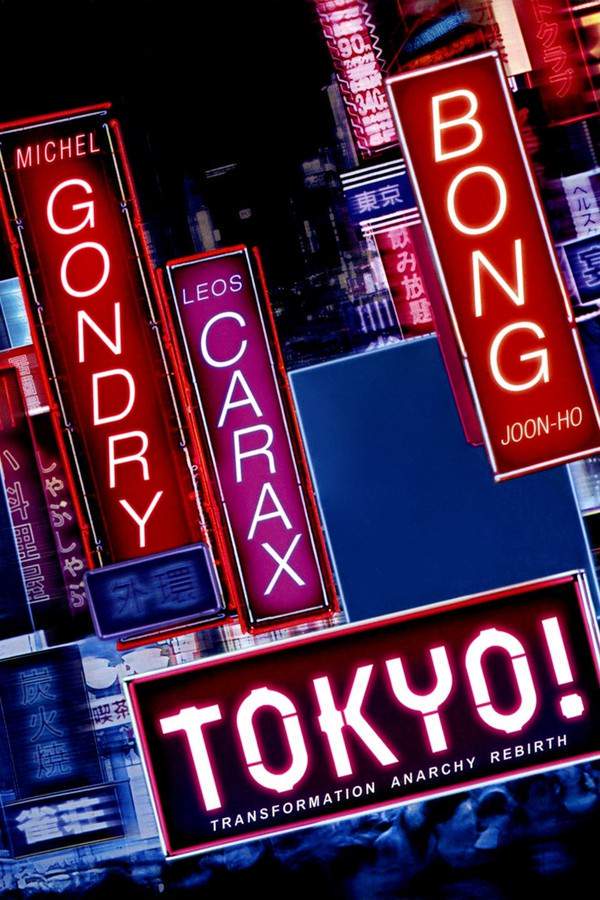
Tokyo! (2009) Film Overview & Timeline
Tokyo Tribe (2015) Detailed Story Recap
Tokyo Vampire Hotel (1000) Movie Recap & Themes
To Tokyo (2018) Ending Explained & Film Insights
Godzilla: Tokyo S.O.S. (2003) Plot Summary & Ending Explained
Tokyo Heaven (1990) Ending Explained & Film Insights
Hikikomori: Tokyo Plastic (2004) Film Overview & Timeline
Neo Tokyo (1987) Movie Recap & Themes
The Tokyo Project (1988) Ending Explained & Film Insights
Time Burst: The Final Alliance (1989) Ending Explained & Film Insights
Tokyo Revengers (2021) Full Movie Breakdown
Tokyo Revengers (1000) Plot Summary & Ending Explained
Tokyo Babylon 1999 (1993) Complete Plot Breakdown
Tokyo Revelation (1995) Spoiler-Packed Plot Recap