Plot Explained Spoilers guaranteed!
Plot Explained

Browse by genre

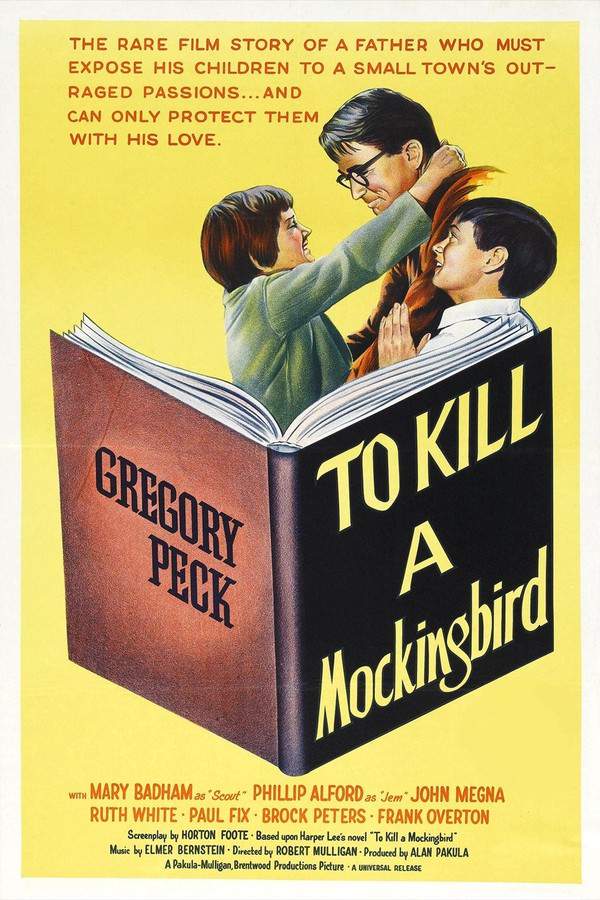
To Kill a Mockingbird (1962) movie poster

Timeline

To Kill a Mockingbird (1962) Timeline Explained – Every Event in Order

Release, runtime and language
1962 · 129 min · English
Loading streaming availability…
Directed by
Robert Mulligan
Starring
Gregory Peck

In the small Southern town of Maycomb, Alabama, siblings Scout and Jem Finch experience the innocence of childhood while also encountering complex issues of racial prejudice. Their lawyer father, Atticus, defends Tom Robinson, a black man falsely accused, sparking controversy and exposing the town’s deep-seated biases. As Atticus fights for justice, Scout and Jem learn valuable lessons about morality, courage, and the importance of understanding different perspectives, all while trying to unravel the mystery of their reclusive neighbor, Boo Radley.

On this page (7)
  1. 1 Where to watch
  2. 2 Events in order (13)
  3. 3 Timeline questions answered
  4. 4 The book behind the movie
  5. 5 Movie threads
  6. 6 Movies like To Kill a Mockingbird
  7. 7 Every angle
Loading streaming availability…

13 events in order · contains spoilers

To Kill a Mockingbird Timeline: Events in Chronological Order

Every key event of To Kill a Mockingbird (1962) in order, scene by scene, with when and where it takes place. Use it to untangle flashbacks, time jumps and parallel storylines, to refresh your memory before the sequel or to find the exact scene you are thinking of.

  1. Scout Recalls Her Childhood

    An adult Jean Louise 'Scout' Finch reflects on her formative childhood events in the small town of Macomb, Alabama, set in 1932. She recalls the atmosphere of the town and the challenges of growing up during that time period.

    When
    1932
    Where
    Macomb, Alabama
  2. Meeting Walter Cunningham

    Scout, wearing her bib overalls, greets Walter Cunningham, a local farmer. She thanks her father, Atticus Finch, for a legal service rendered, highlighting their family's respect within the community despite their financial hardships.

    Where
    Finch Family Home
  3. Discovering Dill

    Scout and Jem meet Dill, a boy staying with his aunt for the summer. They bond over tales of Boo Radley, the mysterious neighbor, and share a sense of adventure as they imagine the unlikely stories surrounding him.

    When
    Summer
    Where
    Neighborhood
  4. Scout's First Day of School

    On Scout's first day at school, she struggles with her dress and gets into a fight with Walter Cunningham. However, her brother Jem intervenes, inviting Walter over for lunch and teaching Scout a lesson in hospitality.

    Where
    School and Finch Family Home
  5. Atticus Shoots the Rabid Dog

    Atticus Finch is called upon to calm a situation involving a rabid dog roaming their street. After some initial reluctance, he impressively shoots the dog with one shot, revealing his hidden marksmanship skills to Jem and Scout.

    Where
    Finch Family Street
  6. Confrontation with Bob Ewell

    While visiting Tom Robinson's wife, Jem and Scout encounter a drunken Bob Ewell, who lashes out at Atticus. Atticus calmly reassures Jem, teaching them both about the challenges they might face due to their father's commitment to justice.

    Where
    Outside Town Jail
  7. Tom Robinson's Trial Begins

    As the trial of Tom Robinson approaches, tension builds within the community. Jem, Scout, and Dill attend the courthouse to witness the trial which centers on the accusation of Tom, a black man, raping a white woman.

    Where
    Courthouse
  8. The Verdict of Guilty

    Despite Atticus Finch's compelling defense and clear evidence pointing to Tom's innocence, the jury delivers a guilty verdict. The courtroom's atmosphere turns somber, highlighting the deep-seated racial prejudices of the time.

    Where
    Courthouse
  9. Tom Robinson Is Killed

    Atticus learns that Tom Robinson has been shot while attempting to escape from prison. This tragic event underscores the harsh realities of racial injustice, as Atticus reveals the shocking news to his children.

    Where
    Finch Household
  10. Attack on Jem and Scout

    On their way home from a school pageant, Scout, dressed in a ham costume, and Jem are attacked by an unseen assailant in the dark. With a great struggle, Boo Radley intervenes, ultimately saving the children.

    When
    Night
    Where
    Neighborhood Grove
  11. Realization of Boo Radley

    After the attack, Scout meets Boo Radley, the mysterious figure they have long feared. As he comforts her injured brother Jem, Scout begins to understand his true nature and the lessons of empathy and kindness.

    Where
    Finch Home
  12. Bob Ewell's Death

    Sheriff Tate investigates the aftermath of the attack and reveals that Bob Ewell has been killed. Atticus comes to terms with the idea that Boo Radley acted in self-defense, leading to a significant moral insight for Scout.

    Where
    Finch Home
  13. Scout's New Understanding

    Scout reflects on the events that transpired, particularly understanding the importance of perspective through her relationship with Boo Radley. She recognizes the significance of her father's teachings as she walks Boo back to his home.

    Where
    Radley Home

Last updated: January 19, 2025 at 18:49

Was this helpful?

Timeline questions answered

To Kill a Mockingbird Timeline Explained: Your Questions Answered

When does it happen, and why in that order? The questions people ask about the chronology of To Kill a Mockingbird (1962): time jumps, flashbacks, cause and effect between scenes and the correct order of events, each answered with spoilers.

Q1

Why was Tom Robinson found guilty despite clear evidence of his innocence?

Tom Robinson was found guilty because the trial took place in 1930s Alabama, where racial prejudice dominated the legal system. Even though Atticus proved that Mayella Ewell was the one who pursued Tom and that Tom could not have committed the crime due to his injured arm, the all-white jury convicted him simply because a white woman's word was trusted over a black man's. The verdict reflected the deep-seated racism in Maycomb, not the actual evidence.

Foreshadowing: Earlier scenes establish the town's pervasive prejudice, with Scout learning about class differences and observing how the black community is treated differently.

  • tom robinson trial verdict
  • racial prejudice
  • maycomb jury
  • atticus defense
Q2

Why does Atticus agree to defend Tom Robinson when everyone in town opposes it?

Atticus agrees to defend Tom Robinson because he believes in justice and cannot in good conscience let an innocent man be convicted. He tells Scout that if he doesn't defend Tom, he wouldn't be able to hold his head up in town or face his children. Atticus understands that the case is doomed from the start, but he believes it's morally wrong to refuse simply because he knows he'll lose.

Foreshadowing: Atticus tells Scout and Jem that they should 'consider things from other people's perspectives' - a principle that guides his own actions.

  • atticus finch
  • defending tom robinson
  • moral courage
  • justice
Q3

What does the phrase 'it's a sin to kill a mockingbird' mean?

The phrase means that it's wrong to destroy something innocent that brings nothing but beauty and joy. Atticus explains that mockingbirds don't harm anyone - they only sing for people's enjoyment. In the context of the story, it applies to Tom Robinson, who is innocent like a mockingbird, and to Boo Radley, who is shy and harmless but the children have cruelly imagined him as a monster.

Foreshadowing: When Scout is upset about Walter Cunningham, Atticus uses this metaphor to teach her about empathy early in the film.

  • mockingbird metaphor
  • innocence
  • atticus teaching
  • jem and scout
Q4

Why does Boo Radley save Scout and Jem from Bob Ewell?

Boo Radley saves Scout and Jem because despite their curiosity and fear of him throughout the story, he has been secretly watching over them all along. When Bob Ewell attacks the children in the darkness, Boo emerges from his house, kills Ewell in defense of the children, and carries the injured Jem back to their home. His action reveals that the rumors about him being dangerous were false - he is actually a quiet, protective figure who cares about the children.

Foreshadowing: Earlier in the story, the children find small gifts in the tree knothole, suggesting Boo has been reaching out to them in his own shy way.

  • boo radley saves children
  • bob ewell attack
  • boo radley character
  • radley house
Q5

Why does Bob Ewell attack Scout and Jem after the trial?

Bob Ewell attacks Scout and Jem because he is humiliated by Atticus's cross-examination during the trial, which exposed him as a liar and revealed his own involvement in abusing Mayella. Drunk with rage and feeling shamed in front of the town, Ewell seeks revenge on Atticus by harming his children. The attack occurs on Halloween night as the children walk home from a school pageant.

Foreshadowing: After the trial, Bob Ewell spits in Atticus's face and threatens him, showing his vengeful nature and establishing his willingness to act on his anger.

  • bob ewell attack
  • revenge
  • trial humiliation
  • scout jem danger
Q6

Why does Tom Robinson try to escape from prison and get shot?

Tom Robinson tries to escape because he has lost all faith in the justice system after being convicted despite his obvious innocence. Atticus had hoped Tom would be granted a new trial based on the clear evidence, but when the appeals process fails, Tom desperation takes over. He is shot seventeen times while trying to flee, a tragic end that underscores the hopelessness felt by black men in that era.

Foreshadowing: The guilty verdict itself foreshadows this outcome - if the system can convict an obviously innocent man, it offers no protection.

  • tom robinson death
  • prison escape
  • racial injustice
  • appellate process
Q7

What was the significance of Atticus shooting the rabid dog?

The scene reveals that Atticus, who his children thought was 'too old' to do anything interesting, was once the best shot in Maycomb County. This hidden skill surprises Jem and Scout and adds depth to their father's character. It also serves as a metaphor - just as Atticus is called upon to 'shoot down' the lies and prejudice surrounding Tom Robinson's case, he once literally used his sharpshooting to protect his community.

Foreshadowing: This moment establishes Atticus's hidden capabilities, foreshadowing his hidden courage in defending Tom when others won't.

  • atticus marksmanship
  • rabid dog
  • maycomb
  • hidden skills
Q8

Why do the black community members stand up for Atticus after the trial?

The black community stands and shows respect for Atticus because they recognize the enormous personal risk he took defending Tom Robinson. In a town where most white people supported the conviction, Atticus was willing to sacrifice his reputation and safety to fight for justice. This moment deeply moves Atticus and teaches the children about the power of moral courage, even when it doesn't change the outcome.

Foreshadowing: Calpurnia, the family's cook, has already shown the children a different perspective on black culture and values throughout the film.

  • black community respect
  • atticus trial
  • maycomb courthouse
  • colored balcony
Q9

Why does Scout finally understand Boo Radley at the end of the movie?

Scout finally understands Boo Radley when she physically walks him home and sees the neighborhood from his perspective - standing on his porch, looking at the house where he once left gifts for her. She realizes he was never the 'monster' she imagined, but a kind, shy man who had been watching over her and Jem all along. This moment completes her journey from childhood innocence to moral understanding.

Foreshadowing: Throughout the story, Scout struggles to understand why Boo stays inside, and Atticus repeatedly tells her to consider things from other people's point of view.

  • scout sees boo
  • radley porch
  • empathy
  • growth
Q10

Why does Jem react so strongly to the guilty verdict in Tom Robinson's trial?

Jem is devastated by the guilty verdict because he believed, like his father, that the evidence would be enough to save Tom. He had faith that justice would prevail and the truth would be recognized. The verdict shatters his belief in fairness and represents the first major loss of his childhood innocence. Scout notices him crying in the courtroom, showing how deeply the injustice affects him.

Foreshadowing: Earlier, Atticus warns Jem that the正义may not always prevail, but Jem is young enough to still believe in pure fairness.

  • jem reaction trial
  • childhood innocence loss
  • verdict impact
  • justice system

Movie threads

More Movies Like To Kill a Mockingbird, by Mood & Story

Curated lists built around what makes To Kill a Mockingbird tick: the same mood, the same kind of story or the same emotional payoff. Each list explains why these movies belong together.

Movies about childhood and injustice like To Kill a Mockingbird

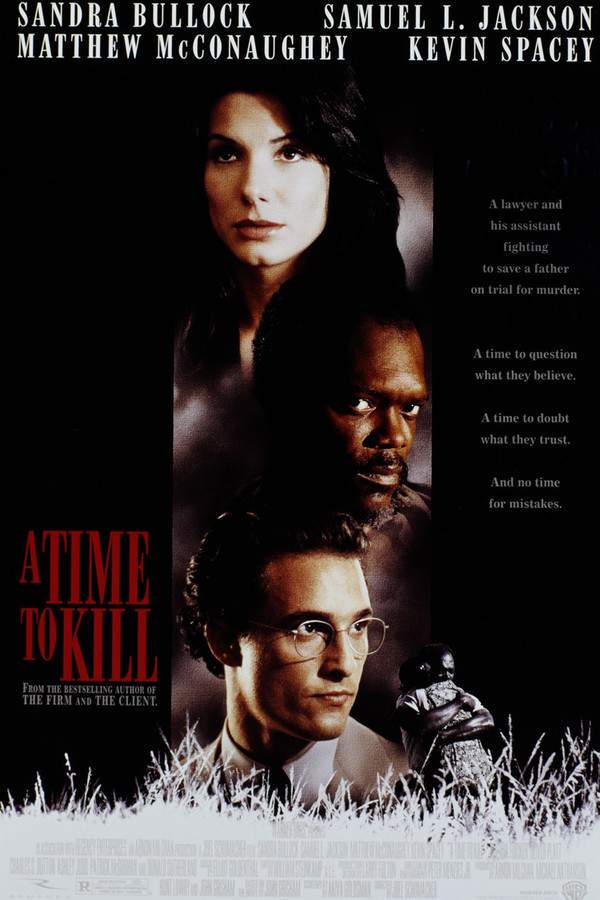
Stories where a child's perspective highlights the profound injustices of the adult world. If you were moved by Scout's perspective in To Kill a Mockingbird, explore other films where children navigate complex adult worlds. These movies share a similar bittersweet tone, using youthful innocence to expose societal flaws and deliver heavy emotional weight.

  • childlike
  • thoughtful
  • somber
  • nostalgic
  • hopeful
  • reflective
  • Tone: bittersweet, thoughtful, somber
  • Pacing: steady, character-driven
Why these movies?

The story pattern: These narratives often follow a child or young protagonist whose sheltered world is shattered by an encounter with prejudice, violence, or adult hypocrisy. The story unfolds as they grapple with this new understanding, guided often by a morally upright figure, leading to a loss of innocence but a gain in moral clarity.

Why they belong together: Movies are grouped here for their shared focus on a child's point-of-view to explore weighty themes. They blend a sense of nostalgia and wonder with the somber reality of injustice, resulting in a reflective and thoughtful mood that is both heartbreaking and hopeful.

Small town legal dramas with moral courage like To Kill a Mockingbird

Character-driven stories where a single case exposes the deep-seated biases of a community. Fans of the steady build and moral gravity of To Kill a Mockingbird will appreciate these films. They feature similar stories of integrity under pressure, set against the backdrop of a small town where secrets and prejudices run deep.

  • tense
  • thoughtful
  • somber
  • reflective
  • hopeful
  • nostalgic
  • Tone: bittersweet, tense, reflective
  • Pacing: steady, deliberate
Why these movies?

The story pattern: The plot typically revolves around a legal or ethical crisis that forces a moral individual to stand against their community. The pacing is steady, building tension as the protagonist's fight exposes the town's hidden divisions and prejudices, leading to a climactic confrontation that leaves lasting scars but also seeds of change.

Why they belong together: These films share a specific narrative structure and mood: a steady, deliberate pace; a focus on moral courage and ethical dilemmas; a small-town setting that amplifies the social pressure; and a tone that is both tense and deeply thoughtful.

If you liked this

Movies Like To Kill a Mockingbird

Similar movies to To Kill a Mockingbird: the same genre, themes or kind of story. Each one comes with its own plot summary, timeline and ending explained.

Browse all movie summaries

Every angle

To Kill a Mockingbird (1962) Explained: Plot, Timeline & Characters

Everything about To Kill a Mockingbird in one place: what happens in the plot summary, the timeline in chronological order, the characters and meaning and a spoiler-free summary. What's After the Movie adds the cast, box office and post-credit scenes.

Coming soon on iOS and Android

The Plot Explained Movie Summary App

Plot summaries, endings explained and timelines on your phone. Catch up on any movie in minutes, save your favorites and never miss a twist again.

Be the first to know when we launch. Your email stays private, always.

Learn more about the app