Plot Explained Spoilers guaranteed!
Plot Explained

Browse by genre

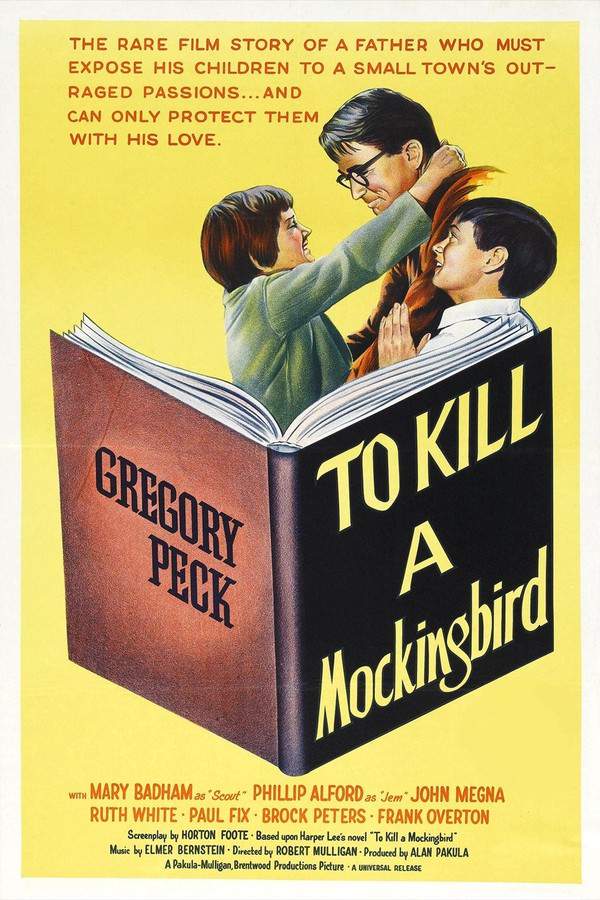
To Kill a Mockingbird (1962) movie poster

Characters & Themes

To Kill a Mockingbird (1962) Characters, Setting & Themes Explained

Release, runtime and language
1962 · 129 min · English
Loading streaming availability…
Directed by
Robert Mulligan
Starring
Gregory Peck

In the small Southern town of Maycomb, Alabama, siblings Scout and Jem Finch experience the innocence of childhood while also encountering complex issues of racial prejudice. Their lawyer father, Atticus, defends Tom Robinson, a black man falsely accused, sparking controversy and exposing the town’s deep-seated biases. As Atticus fights for justice, Scout and Jem learn valuable lessons about morality, courage, and the importance of understanding different perspectives, all while trying to unravel the mystery of their reclusive neighbor, Boo Radley.

On this page (8)
  1. 1 Where to watch
  2. 2 Characters explained (4)
  3. 3 Where & when it takes place
  4. 4 Themes & meaning (3)
  5. 5 The book behind the movie
  6. 6 Movie threads
  7. 7 Movies like To Kill a Mockingbird
  8. 8 Every angle
Loading streaming availability…

4 main characters · contains spoilers

To Kill a Mockingbird Characters Explained: Who Is Who

The main characters of To Kill a Mockingbird (1962), heroes and villains: what drives them, how they change over the course of the story and what each of them reveals about the film's bigger ideas.

  • Atticus Finch (Gregory Peck)

    Atticus Finch is a principled lawyer and the father of Scout and Jem. His strong moral compass and commitment to justice guide his actions throughout the film, particularly in his defense of Tom Robinson. Atticus embodies dignity and compassion, teaching his children valuable lessons about empathy, integrity, and standing up for what is right, even in the face of adversity.

    • 👨‍⚖️ Lawyer
    • 💡 Moral Compass
    • 🤝 Compassionate
  • Scout Finch (Mary Badham)

    Scout Finch is a curious and outspoken young girl who serves as the narrator of the story. As she navigates childhood in a racially charged environment, her perspective highlights the innocence of youth. Scout's growth throughout the film reflects her struggle to understand complex social issues, and she learns essential lessons about empathy and human morality.

    • 👧 Child
    • 📖 Narrator
    • 🦄 Innocent
  • Jem Finch (Phillip Alford)

    Jem Finch is Scout's older brother, who begins to confront the realities of the adult world and the injustices around them. Throughout the story, Jem grapples with his understanding of honor and moral integrity, especially as he witnesses the trial of Tom Robinson. His protective nature towards Scout highlights his growth and the inevitable loss of childhood innocence.

    • 👦 Brother
    • 🌱 Growing Up
    • 🛡️ Protector
  • Boo Radley (Robert Duvall)

    Boo Radley is initially portrayed as a mysterious and frightening figure to the local children. As the story unfolds, however, he emerges as a symbol of kindness and protection, ultimately revealing the complexities of his character. Boo's actions challenge the children's perceptions and highlight themes of misunderstanding and the importance of compassion beneath societal labels.

    • 👻 Enigmatic
    • 🌙 Protector
    • 🦸‍♂️ Misunderstood

Last updated: January 18, 2025 at 14:33

Was this helpful?

Setting

Where and When Does To Kill a Mockingbird Take Place?

The setting of To Kill a Mockingbird (1962): the year and time period, the places and locations, and how they shape the characters, the mood and the tension of the story.

Time period

1932

The film is set in 1932, a period marked by the struggles of the Great Depression, where many Americans faced economic challenges and societal changes. This time also saw the rise of civil rights awareness, especially in relation to racial inequality, which significantly impacts the story of Tom Robinson and the Finch family's experiences. The era is characterized by a lingering sense of fear and uncertainty in American life.

Location

Macomb, Alabama

Macomb is portrayed as a small, tired old town during the Great Depression, which was a time of significant economic hardship in the United States. It serves as the backdrop for pivotal events in the lives of the Finch family and the community's deeply entrenched social issues. Known for its close-knit neighborhoods, it becomes a microcosm reflecting the prejudices and moral dilemmas of the time.

  • 🏡 Town
  • 🌳 Neighborhood

Last updated: January 18, 2025 at 14:33

Was this helpful?

3 major themes

To Kill a Mockingbird Meaning: Themes & Message Explained

What is To Kill a Mockingbird (1962) really about? The emotional, social and philosophical themes the film keeps returning to, its symbolism and the message beneath the surface.

  • Innocence

    The theme of innocence is central to the narrative, particularly reflected in the character of Scout and the symbol of the mockingbird, which represents purity and the harm done to those who do no wrong. Throughout the movie, the innocence of childhood clashes with the harsh realities of prejudice and injustice, highlighting the loss of innocence in the face of societal evils.

  • Justice

    Justice is a prevailing theme that examines the moral complexities of the legal system and the societal biases that impact it. Through Atticus Finch's defense of Tom Robinson, the story underscores the struggle against racial inequality and the pursuit of truth, even when it seems futile. The trial and its outcome reveal how justice is often overshadowed by prejudice.

  • Empathy

    Empathy intertwines with the narrative as characters learn to understand and walk in one another's shoes. Atticus teaches Scout the importance of seeing things from others' perspectives, which challenges the characters and the audience to confront their preconceptions. This theme stresses the necessity of compassion and understanding in a divided society.

Last updated: January 18, 2025 at 14:33

Was this helpful?

Movie threads

More Movies Like To Kill a Mockingbird, by Mood & Story

Curated lists built around what makes To Kill a Mockingbird tick: the same mood, the same kind of story or the same emotional payoff. Each list explains why these movies belong together.

Movies about childhood and injustice like To Kill a Mockingbird

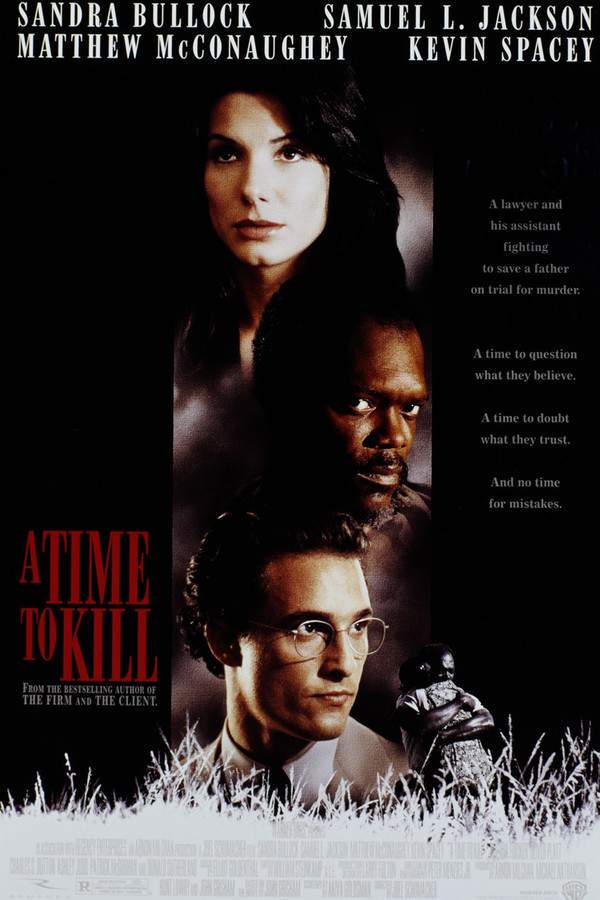
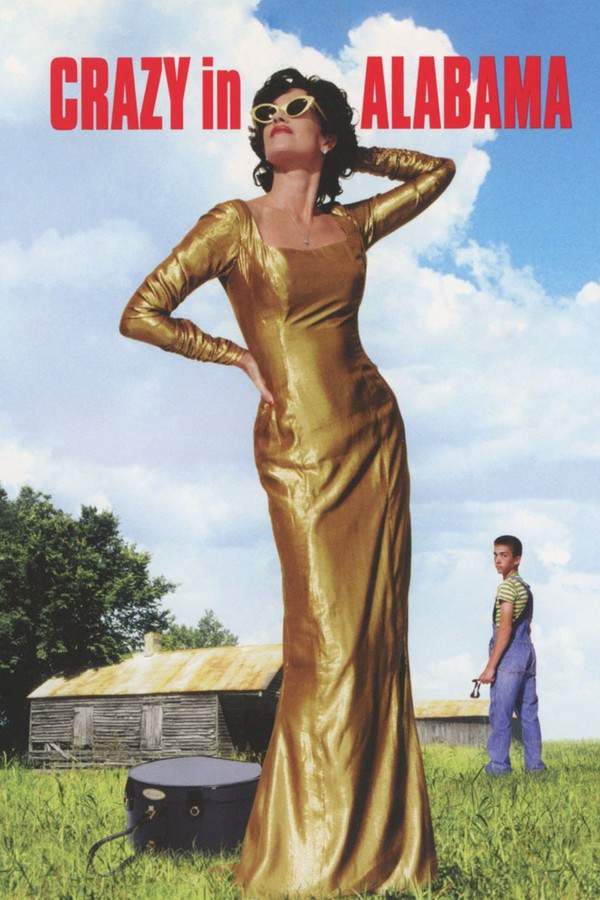
Stories where a child's perspective highlights the profound injustices of the adult world. If you were moved by Scout's perspective in To Kill a Mockingbird, explore other films where children navigate complex adult worlds. These movies share a similar bittersweet tone, using youthful innocence to expose societal flaws and deliver heavy emotional weight.

  • childlike
  • thoughtful
  • somber
  • nostalgic
  • hopeful
  • reflective
  • Tone: bittersweet, thoughtful, somber
  • Pacing: steady, character-driven
Why these movies?

The story pattern: These narratives often follow a child or young protagonist whose sheltered world is shattered by an encounter with prejudice, violence, or adult hypocrisy. The story unfolds as they grapple with this new understanding, guided often by a morally upright figure, leading to a loss of innocence but a gain in moral clarity.

Why they belong together: Movies are grouped here for their shared focus on a child's point-of-view to explore weighty themes. They blend a sense of nostalgia and wonder with the somber reality of injustice, resulting in a reflective and thoughtful mood that is both heartbreaking and hopeful.

Small town legal dramas with moral courage like To Kill a Mockingbird

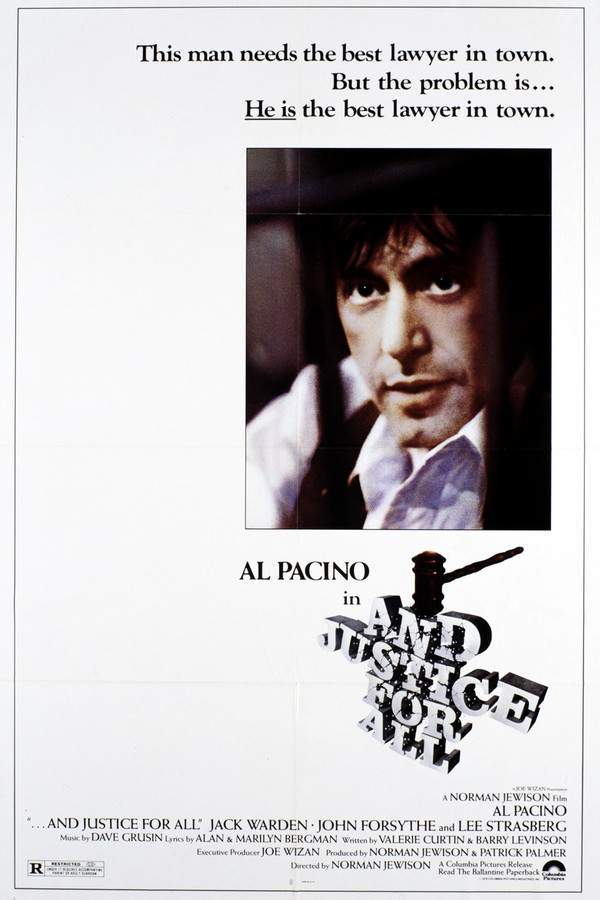
Character-driven stories where a single case exposes the deep-seated biases of a community. Fans of the steady build and moral gravity of To Kill a Mockingbird will appreciate these films. They feature similar stories of integrity under pressure, set against the backdrop of a small town where secrets and prejudices run deep.

  • tense
  • thoughtful
  • somber
  • reflective
  • hopeful
  • nostalgic
  • Tone: bittersweet, tense, reflective
  • Pacing: steady, deliberate
Why these movies?

The story pattern: The plot typically revolves around a legal or ethical crisis that forces a moral individual to stand against their community. The pacing is steady, building tension as the protagonist's fight exposes the town's hidden divisions and prejudices, leading to a climactic confrontation that leaves lasting scars but also seeds of change.

Why they belong together: These films share a specific narrative structure and mood: a steady, deliberate pace; a focus on moral courage and ethical dilemmas; a small-town setting that amplifies the social pressure; and a tone that is both tense and deeply thoughtful.

If you liked this

Movies Like To Kill a Mockingbird

Similar movies to To Kill a Mockingbird: the same genre, themes or kind of story. Each one comes with its own plot summary, timeline and ending explained.

Browse all movie summaries

Every angle

To Kill a Mockingbird (1962) Explained: Plot, Timeline & Characters

Everything about To Kill a Mockingbird in one place: what happens in the plot summary, the timeline in chronological order, the characters and meaning and a spoiler-free summary. What's After the Movie adds the cast, box office and post-credit scenes.

Coming soon on iOS and Android

The Plot Explained Movie Summary App

Plot summaries, endings explained and timelines on your phone. Catch up on any movie in minutes, save your favorites and never miss a twist again.

Be the first to know when we launch. Your email stays private, always.

Learn more about the app