








Plot Explained Spoilers guaranteed!
Plot Explained

Browse by genre

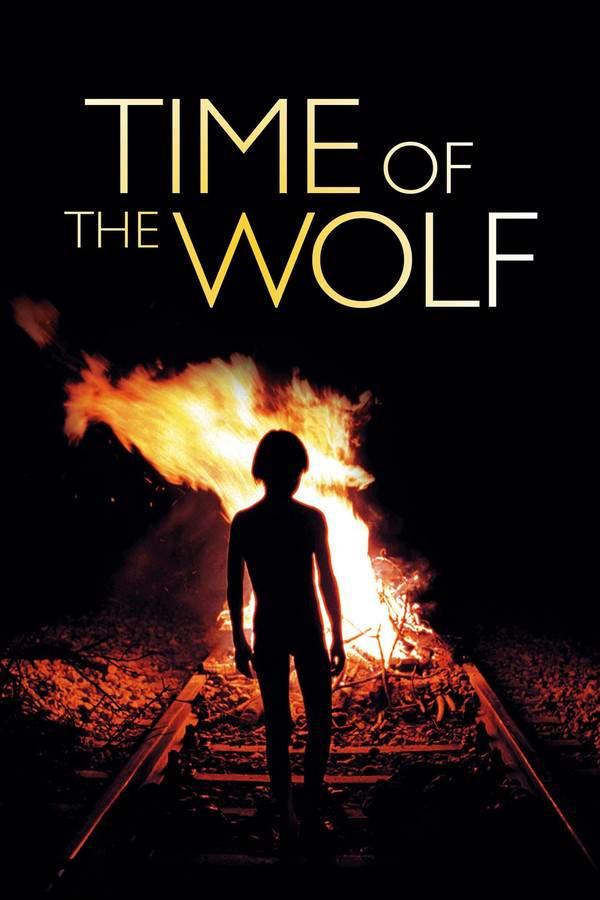
Time of the Wolf (2004) movie poster

Characters & Themes

Time of the Wolf (2004) Characters, Setting & Themes Explained

Release, runtime and language
2004 · 114 min · Canadian french
JustWatch #11,661 7
Starring
Isabelle Huppert, Anaïs Demoustier, Béatrice Dalle, Hakim Taleb

With Europe facing imminent collapse and resources dwindling, a couple journeys to their isolated country home, hoping to escape the widespread scarcity and despair. They discover another family has already sought refuge there, leading to a tense and unsettling confrontation. As both families struggle to survive, they find themselves increasingly vulnerable in a world where compassion is a rare and precious commodity, and their fragile hope for salvation is constantly threatened.

On this page (7)
  1. 1 Where to watch
  2. 2 Characters explained (6)
  3. 3 Where & when it takes place
  4. 4 Themes & meaning (3)
  5. 5 Character & meaning questions
  6. 6 Movie threads
  7. 7 Every angle

Where to watch

Where to Watch Time of the Wolf (2004)

Where can you watch Time of the Wolf? Stream, rent or buy it in the US, including on Kanopy, Tubi TV and Amazon Video: current JustWatch availability with up-to-date prices.

Streaming availability powered by JustWatch

6 main characters · contains spoilers

Time of the Wolf Characters Explained: Who Is Who

The main characters of Time of the Wolf (2004), heroes and villains: what drives them, how they change over the course of the story and what each of them reveals about the film's bigger ideas.

  • Anne, played by Isabelle Huppert

    A protective mother striving to keep her children safe in a brutal world. Anne demonstrates resilience, compassion, and moral strength as she navigates threats and moral dilemmas. Her leadership and emotional depth highlight her journey from fear to resolve.

    • 🚺 Mother
    • 💪 Resilient
    • 💗 Compassionate
  • Eva, child's daughter

    A sensitive and observant girl who forms a close bond with the feral teenage boy. Eva’s innocence is tested by the violence around her, but her courageous act to shield her brother underscores her moral strength and growing awareness of the world’s brutality.

    • 👧 Innocent
    • 🌱 Witness
    • 🦸‍♀️ Courageous
  • Ben, child's son

    A withdrawn boy suffering from unexplained illness and exhibiting acts of sacrifice, such as attempting to stop a passing train. Ben symbolizes vulnerability and hope, as his willingness to die reveals a deep desire to impact the chaos positively.

    • 👦 Fragile
    • 💭 Thoughtful
    • 💉 Sacrificial
  • Koslowski, the group leader

    The self-appointed leader of the refugee group at the railway station. Koslowski attempts to impose order in chaos, hosting moral debates and managing resource conflicts, embodying the struggle to maintain social structure amid collapse.

    • 🧑‍⚖️ Leader
    • ⚖️ Authority
    • 🔥 Tension
  • Béa, played by Béatrice Dalle

    A city woman who offers cryptic insights about 'the Just.' Béa's presence introduces themes of moral judgment and the possibility of divine retribution, adding a philosophical layer to the story's exploration of morality in chaos.

    • 🧠 Philosopher
    • 🕊️ Mystic
    • 🧪 Cryptic
  • The feral teenage boy

    A survivor who has adapted to the wilderness, embodying raw survival instincts. His wary attitude and eventual betrayal highlight themes of trust and the brutality of social breakdown in apocalyptic settings.

    • 🧒 Feral
    • 🛡️ Survivor
    • 🌀 Wary

Last updated: August 19, 2025 at 04:46

Was this helpful?

Setting

Where and When Does Time of the Wolf Take Place?

The setting of Time of the Wolf (2004): the year and time period, the places and locations, and how they shape the characters, the mood and the tension of the story.

Time period

post-apocalyptic future

The story is set after an unspecified global catastrophe that has dismantled society. The timeline is marked by a collapse of social order, resource scarcity, and violent clashes among survivors. The timeframe reflects a bleak, lawless era where hope is driven by human resilience amid chaos.

Location

rural France, railway station, countryside

The movie takes place primarily in a rural French landscape ravaged by an unspecified apocalyptic event. Key locations include a remote vacation home, a derelict railway station, and the surrounding countryside, which serve as the backdrop for survival and societal collapse. These settings highlight themes of isolation, desolation, and the struggle to find safety in a fractured world.

  • 🚜 Rural
  • 🚉 Railway
  • 🏞 Countryside

Last updated: August 19, 2025 at 04:46

Was this helpful?

3 major themes

Time of the Wolf Meaning: Themes & Message Explained

What is Time of the Wolf (2004) really about? The emotional, social and philosophical themes the film keeps returning to, its symbolism and the message beneath the surface.

  • Survival

    The central theme revolves around human survival in a hostile, lawless environment. Characters must navigate threats from other survivors, scarcity of resources, and internal conflicts. The movie explores what it means to stay alive physically and morally when society's norms no longer apply.

  • Hope

    Despite the pervasive despair, moments of hope emerge, especially through acts of sacrifice and human connection. The characters’ struggles to cling to hope serve as a contrast to the brutal realities they face, emphasizing resilience and the longing for redemption.

  • Family & Humanity

    The film examines the bonds of family and human kindness amidst chaos. The characters’ efforts to protect loved ones and the moral dilemmas they face reflect the enduring importance of compassion and social bonds, even in the darkest circumstances.

Last updated: August 19, 2025 at 04:46

Was this helpful?

Character & theme questions

Time of the Wolf Characters & Meaning: Your Questions Answered

The questions people ask about Time of the Wolf (2004): who the characters really are, their relationships, what the symbols mean, where it takes place and what the movie is really about. Each answer contains spoilers.

Q1

Where does the story take place?

The movie is set in rural France, primarily at a remote vacation home and a derelict railway station in the surrounding countryside. These isolated locations serve as the backdrop for survival and societal collapse, emphasizing themes of isolation and desolation in a post-apocalyptic world.

  • rural france
  • vacation home
  • countryside
  • isolated setting
Q2

When is the movie set?

The story is set in a post-apocalyptic future after an unspecified global catastrophe has dismantled society. The timeline reflects a bleak, lawless era characterized by resource scarcity, collapse of social order, and violent clashes among survivors.

  • post-apocalyptic
  • future
  • apocalypse
  • collapse
Q3

What is the movie about?

The movie follows a couple who travel to their isolated country home hoping to escape widespread scarcity and despair in collapsing Europe. They discover another family has already taken refuge there, leading to a tense confrontation. As both families struggle to survive, they find compassion is rare and their hope for salvation is constantly threatened.

  • survival
  • families
  • resource scarcity
  • conflict
Q4

What are the main themes?

The film explores three central themes: survival in a hostile, lawless environment where characters must navigate threats and moral dilemmas; hope emerging through acts of sacrifice and human connection amid brutal realities; and family bonds and humanity, highlighting the enduring importance of compassion even in the darkest circumstances.

  • survival
  • hope
  • family
  • humanity
  • morality
Q5

Who is Anne in the movie?

Anne is a protective mother played by Isabelle Huppert who strives to keep her children safe in the brutal post-apocalyptic world. She demonstrates resilience, compassion, and moral strength as she navigates threats and ethical dilemmas, with her journey evolving from fear to resolve.

  • anne
  • mother
  • isabelle huppert
  • protective
Q6

Who are the children in the story?

The children are Eva and Ben, who accompany Anne. Eva is a sensitive, observant girl who forms a close bond with a feral teenage boy, her innocence tested by surrounding violence. Ben is a withdrawn boy suffering from illness who exhibits acts of sacrifice, symbolizing vulnerability and a desperate desire to make a positive impact despite his condition.

  • eva
  • ben
  • children
  • family
Q7

Who is Koslowski?

Koslowski is the self-appointed leader of the refugee group at the railway station. He attempts to impose order in chaos by hosting moral debates and managing resource conflicts, embodying the struggle to maintain social structure amid complete societal collapse.

  • koslowski
  • leader
  • railway station
  • refugees
Q8

Who is Béa and what is her role?

Béa is played by Béatrice Dalle and appears as a city woman who offers cryptic insights about 'the Just.' Her presence introduces themes of moral judgment and the possibility of divine retribution, adding a philosophical layer to the story's exploration of morality in chaos.

  • béa
  • béatrice dalle
  • moral judgment
  • the just
Q9

Who is the feral teenage boy?

The feral teenage boy is a survivor who has adapted to living in the wilderness, embodying raw survival instincts. His wary attitude and eventual betrayal highlight themes of trust and the brutality of social breakdown in the apocalyptic setting.

  • feral boy
  • survivor
  • wilderness
  • trust
  • betrayal
Q10

What does the movie say about hope?

Despite pervasive despair, moments of hope emerge through acts of sacrifice and human connection. The characters' struggles to cling to hope serve as a contrast to the brutal realities they face, emphasizing resilience and the longing for redemption in an overwhelmingly bleak world.

  • hope
  • sacrifice
  • resilience
  • redemption
Q11

How does the movie portray family and humanity?

The film examines bonds of family and human kindness amidst chaos. Characters face moral dilemmas as they try to protect loved ones, reflecting the enduring importance of compassion and social bonds even when society has completely broken down and survival seems to demand moral compromise.

  • family bonds
  • compassion
  • humanity
  • morality
Q12

Why is the vacation home important?

The remote vacation home represents the characters' desperate attempt to escape societal collapse and find safety. Its isolation is meant to offer protection, but the arrival of another family demonstrates that there is no true refuge in a world where desperation drives conflict between survivors.

  • vacation home
  • refuge
  • safety
  • isolation

Movie threads

More Movies Like Time of the Wolf, by Mood & Story

Curated lists built around what makes Time of the Wolf tick: the same mood, the same kind of story or the same emotional payoff. Each list explains why these movies belong together.

Bleak survival movies like Time of the Wolf

Stories where civilization's end brings a desperate, morally gray struggle. Explore movies like Time of the Wolf that depict the grim reality of post-apocalyptic survival. These films share a bleak tone, heavy emotional weight, and focus on the desperate, often morally ambiguous choices characters must make when society has crumbled.

  • grim
  • oppressive
  • desperate
  • hopeless
  • somber
  • anxious
  • Tone: bleak, desperate
  • Pacing: slow, methodical
Why these movies?

The story pattern: Narratives in this thread typically follow a linear, arduous journey of survival, emphasizing the physical and psychological toll on a small group. The central conflict isn't just external threats, but the internal decay of humanity and the difficult choices required to endure another day.

Why they belong together: These films are grouped together by their oppressive, hopeless atmosphere, slow pacing that mirrors the grind of survival, and a thematic focus on societal collapse and moral decay. They deliver a heavy, immersive, and emotionally draining viewing experience.
Moral decay stories similar to Time of the Wolf

Character studies where desperation erodes humanity in a broken world. Find films similar to Time of the Wolf that explore the theme of moral decay under desperate circumstances. If you liked the film's focus on how survival instincts challenge human compassion, you'll appreciate these slow-burn, character-driven dramas.

  • unsettling
  • desperate
  • somber
  • psychological
  • anxious
  • grim
  • Tone: somber, tense, unsettling
  • Pacing: slow burn, character driven
Why these movies?

The story pattern: The narrative pattern revolves around ordinary people facing an extraordinary crisis that systematically breaks down their ethical boundaries. The story unfolds slowly, focusing on intimate character moments that reveal the creeping loss of their former selves, often leading to an ambiguous or downbeat conclusion.

Why they belong together: Movies in this thread share a slow, deliberate pace that amplifies psychological tension, a heavy emotional weight, and a central theme of how extreme circumstances force characters to compromise their humanity. The experience is defined by a pervasive sense of unease and tragic inevitability.

Every angle

Time of the Wolf (2004) Explained: Plot, Timeline & Characters

Everything about Time of the Wolf in one place: what happens in the plot summary, the timeline in chronological order, the characters and meaning and a spoiler-free summary. What's After the Movie adds the cast, box office and post-credit scenes.

Coming soon on iOS and Android

The Plot Explained Movie Summary App

Plot summaries, endings explained and timelines on your phone. Catch up on any movie in minutes, save your favorites and never miss a twist again.

Be the first to know when we launch. Your email stays private, always.

Learn more about the app