






Plot Explained Spoilers guaranteed!
Plot Explained

Browse by genre

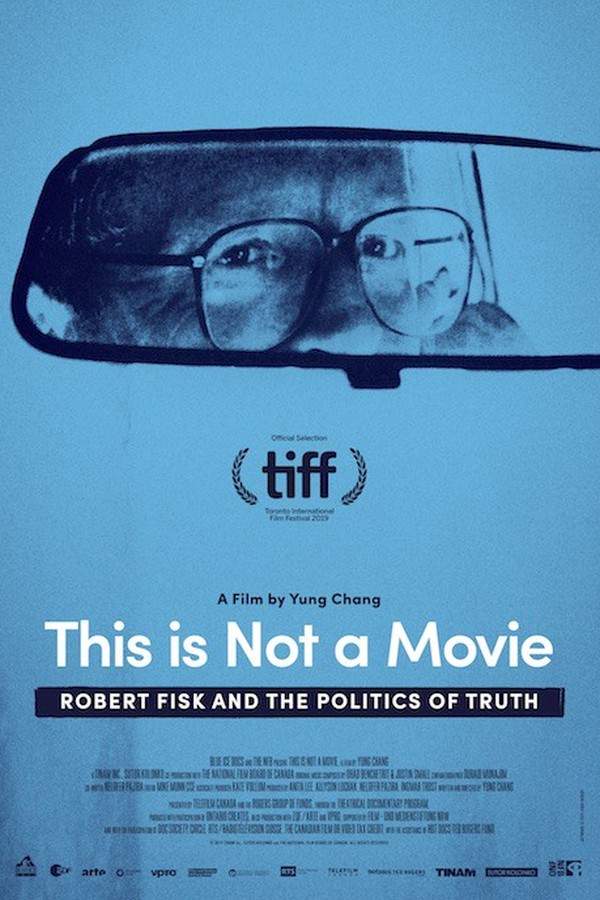
This Is Not a Movie (2020) movie poster

Timeline

This Is Not a Movie (2020) Timeline Explained – Every Event in Order

Release, runtime and language
2020 · 106 min · English
Echo score 86
Directed by
Yung Chang
Starring
Amira Hass, Antony Loewenstein, Nirmeen Hazineh, Robert Fisk, Sulieman Khatib

Journalist Robert Fisk journeys through war zones, seeking truth and reporting on the human cost of conflict. Armed with only a notebook, he fearlessly confronts difficult situations and delivers powerful dispatches to a global audience. His dedication to reporting firsthand accounts, often challenging conventional narratives, leads to both acclaim and considerable risk as he amplifies the voices of those affected by war.

On this page (6)
  1. 1 Where to watch
  2. 2 Events in order (12)
  3. 3 Timeline questions answered
  4. 4 Movie threads
  5. 5 Movies like This Is Not a Movie
  6. 6 Every angle

Where to watch

Where to Watch This Is Not a Movie (2020)

Where can you watch This Is Not a Movie? Stream, rent or buy it in the US, including on Amazon Prime Video, OVID and Hoopla: current JustWatch availability with up-to-date prices.

Streaming availability powered by JustWatch

12 events in order · contains spoilers

This Is Not a Movie Timeline: Events in Chronological Order

Every key event of This Is Not a Movie (2020) in order, scene by scene, with when and where it takes place. Use it to untangle flashbacks, time jumps and parallel storylines, to refresh your memory before the sequel or to find the exact scene you are thinking of.

  1. Introduction of Robert Fisk

    The documentary opens by introducing Robert Fisk as a seasoned journalist who has spent over four decades reporting from various conflict zones. His journey begins with a commitment to uncovering the truth in tumultuous regions like Northern Ireland and Syria, setting the stage for the trials he will face throughout his career.

  2. Reportage in Northern Ireland

    Fisk recounts his experiences in Northern Ireland, where he navigated the complexities of political strife and violent protests. His firsthand encounters with both the armed groups and civilians illustrate the chaotic nature of the conflict, allowing viewers to grasp the emotional weight of his reporting.

    Where
    Northern Ireland
  3. Covering the Balkans

    The timeline moves to Fisk's coverage of the Balkan wars, highlighting the brutality he witnessed. Through graphic accounts and personal anecdotes, he captures the essence of human suffering amidst warfare and reflects on the broader implications of such violent upheaval.

    Where
    Balkans
  4. Immersion in Syria

    Fisk's reporting ventures into Syria, where he is submerged in the chaos of the civil war. His interactions with both fighters and civilians provide a deep, nuanced understanding of the conflict, revealing the stories often left unheard in mainstream narratives.

    Where
    Syria
  5. Conversations with Osama bin Laden

    In a significant moment, Fisk recalls his chilling conversations with Osama bin Laden. These discussions serve to humanize the figures often depicted as mere villains in media while also highlighting Fisk's fearlessness in pursuing the truth, regardless of its implications.

  6. Heartbreaking Encounters

    The film delves into intimate and painful exchanges Fisk has with individuals affected by conflict, such as a grieving Palestinian woman. These encounters emphasize the emotional toll of war and the profound responsibility journalists like Fisk carry in conveying these stories to the world.

  7. Reflections on the Media Landscape

    The narrative shifts to a critical look at the state of independent media as Fisk discusses the erosion of journalistic integrity due to corporate interests. The urgency of the 24-hour news cycle poses challenges that threaten the depth and accuracy of reporting.

  8. The Challenge of Truth-telling

    Fisk articulates the struggle between delivering unfiltered truths and the pressures of polished narratives often expected by audiences. He emphasizes the importance of confronting uncomfortable realities, highlighting his role as a journalist willing to advocate for the voiceless.

  9. Contrasts of War and Peace

    The film juxtaposes violent moments of war, such as gunfire and bombings, with serene moments of reflection, such as enjoying tea or reading. These contrasts not only depict the chaotic nature of Fisk's world but also his humanity amidst the horrors of conflict.

  10. The Legacy of Robert Fisk

    As the documentary nears its conclusion, Fisk reflects on his legacy as a journalist. He remains unapologetic about the risks he has taken for the sake of truth, reinforcing his belief that the stories of suffering individuals must be heard, even if they disrupt tidy narratives.

  11. Crisis of Misinformation

    In the face of rising misinformation and a growing hostility towards journalists, Fisk emphasizes the significance of his work. He positions himself as part of a vital crusade against powerful, misleading narratives that distort public perception of reality.

  12. Concluding Thoughts

    The documentary culminates in Fisk's poignant assertion that life is not a movie and that real-life struggles often lack clear resolutions. His powerful final reflections resonate strongly, reminding viewers of the complexities inherent in uncovering the truth.

Last updated: November 04, 2024 at 01:35

Was this helpful?

Timeline questions answered

This Is Not a Movie Timeline Explained: Your Questions Answered

When does it happen, and why in that order? The questions people ask about the chronology of This Is Not a Movie (2020): time jumps, flashbacks, cause and effect between scenes and the correct order of events, each answered with spoilers.

Q1

What does the title "This Is Not a Movie" mean?

The title refers to Fisk's core belief that real-life conflict lacks the neat resolutions and justice typically found in films. As Fisk states directly in the documentary, "the truth is that this is not a movie", meaning war and suffering do not follow satisfying narrative arcs, and journalists must report these uncomfortable realities without Hollywood-style packaging.

Foreshadowing: The opening establishes Fisk's commitment to unvarnished truth, preparing viewers for this central theme.

  • title meaning
  • robert fisk
  • documentary theme
  • truth vs cinema
Q2

Why did Robert Fisk interview Osama bin Laden?

Fisk sought to understand and document the perspectives of figures often reduced to caricature in Western media. His interviews with bin Laden were driven by a commitment to firsthand observation, believing that audiences deserve to hear directly from key actors in conflicts rather than relying solely on official narratives.

Foreshadowing: Earlier in the documentary, Fisk discusses his philosophy of confronting powerful narratives directly.

  • osama bin laden interview
  • robert fisk
  • journalism approach
  • firsthand reporting
Q3

What makes Robert Fisk's journalism style different?

Fisk insists on eyewitness reporting from conflict zones, refusing to rely on secondhand sources or official statements. He prioritizes giving voice to ordinary people affected by war, including civilians, grieving families, and fighters, over polishing narratives for audiences or corporate interests.

Foreshadowing: The documentary opens with Fisk's four-decade commitment to front-line reporting.

  • robert fisk journalism style
  • eyewitness reporting
  • conflict zone reporting
Q4

Why does Fisk continue reporting despite the dangers?

Fisk believes his mission is to convey the unvarnished truth of human suffering to global audiences. He views this as a moral responsibility, that the stories of those enduring conflict must be heard, even when they disrupt tidy narratives or place him in personal danger.

Foreshadowing: The film establishes early that Fisk has faced considerable risks throughout his career.

  • robert fisk danger
  • journalism risks
  • truth telling
  • moral responsibility
Q5

What challenges to independent journalism does the film highlight?

The documentary identifies two key threats: corporate erosion of independent media and the pressure of the 24-hour news cycle, which demands rapid reporting over thoughtful investigation. Fisk argues these forces compromise journalistic integrity and depth.

Foreshadowing: The timeline includes a section on reflections about the media landscape.

  • independent media
  • 24-hour news cycle
  • corporate journalism
  • media challenges
Q6

What is the significance of the Palestinian woman interview?

The interview with a young Palestinian woman mourning her murdered father exemplifies Fisk's commitment to humanizing victims of conflict. This moment illustrates the emotional toll war exacts on civilians and underscores Fisk's belief that their stories deserve global attention.

Foreshadowing: The timeline notes this as a key moment of intimate, painful exchange.

  • palestinian woman
  • robert fisk interview
  • civilian voices
  • war victims
Q7

How does the film contrast war and peace?

The documentary juxtaposes violent scenes, gunfire, bombings, with quiet reflective moments like Fisk sharing tea or reading news. These contrasts emphasize the duality of Fisk's world: chaos surrounding him while he maintains humanity and contemplation.

Foreshadowing: The timeline explicitly includes contrasts of war and peace as a narrative element.

  • war peace contrast
  • documentary style
  • humanity in conflict
Q8

What criticism does the film make of modern journalism?

The film argues that modern journalism often prioritizes polished narratives and speed over truth, with corporate interests eroding independent reporting. Fisk positions himself against journalists branded as "enemies of the people" while defending the necessity of confronting misleading narratives.

Foreshadowing: The crisis of misinformation section directly addresses this theme.

  • media criticism
  • journalism ethics
  • misinformation
  • independent reporting
Q9

What does Fisk say about his legacy as a journalist?

Fisk reflects that he remains unapologetic about the risks he took for truth, believing his work ensured suffering individuals' stories reached global audiences. He emphasizes that disrupting tidy narratives was necessary to convey genuine human experiences of conflict.

Foreshadowing: The legacy section precedes the film's concluding thoughts on truth.

  • robert fisk legacy
  • journalism legacy
  • truth telling legacy
Q10

Why does the documentary end without clear resolution?

The ambiguous ending aligns with the film's central thesis: real-life conflict lacks neat conclusions unlike cinema. Fisk's final reflections reinforce that truth-seeking is an ongoing struggle without definitive closure, reflecting the messy reality of war reporting.

Foreshadowing: The ending directly echoes the title's meaning about life not being a movie.

  • documentary ending
  • ambiguous conclusion
  • real life vs cinema

Movie threads

More Movies Like This Is Not a Movie, by Mood & Story

Curated lists built around what makes This Is Not a Movie tick: the same mood, the same kind of story or the same emotional payoff. Each list explains why these movies belong together.

Movies about war correspondents like This Is Not a Movie

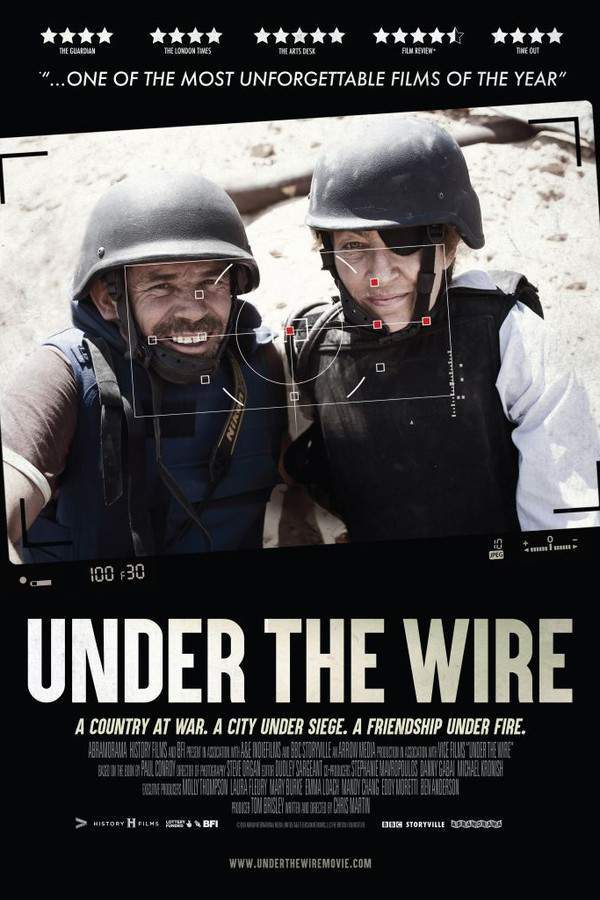
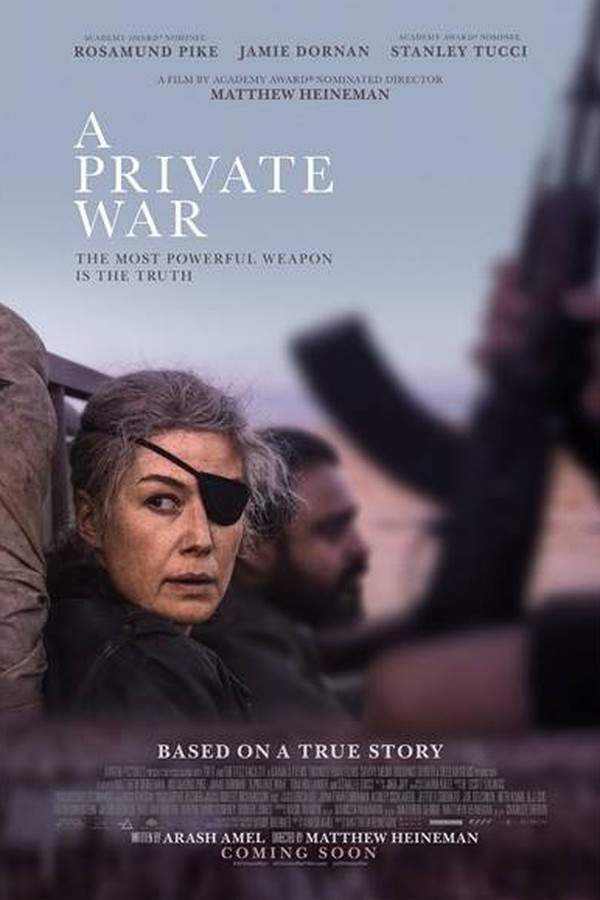
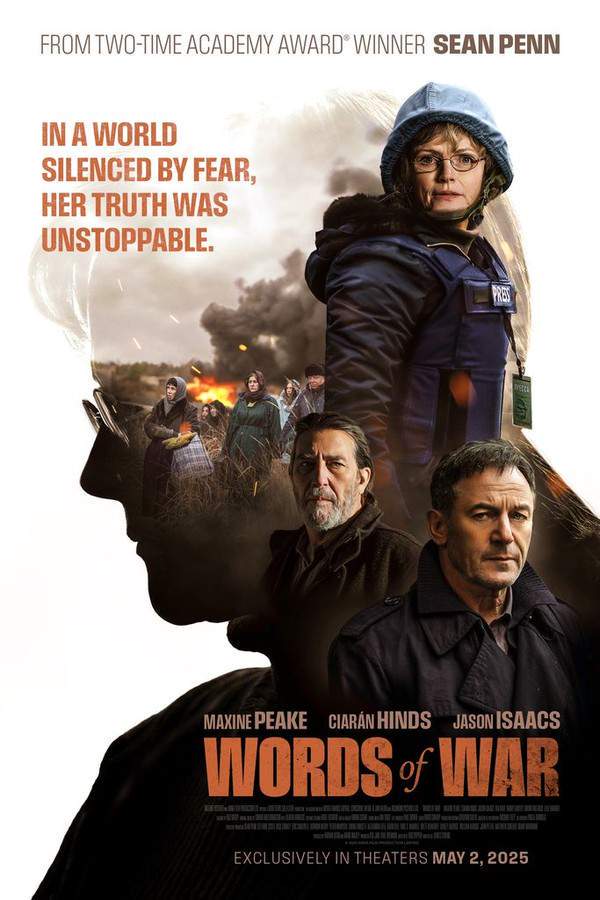
Unflinching stories of reporters risking everything to document human tragedy. If you were captivated by the dangerous mission of Robert Fisk, explore more movies like This Is Not a Movie. This collection features gripping stories of journalists in conflict zones, showcasing their courage and the heavy emotional cost of reporting firsthand on war and human suffering.

  • harrowing
  • urgent
  • sobering
  • fearless
  • unflinching
  • polarizing
  • Tone: tense, sobering, unflinching
  • Pacing: steady, driven by observation
Why these movies?

The story pattern: The narrative typically follows a journalist or documentarian on a mission into an active conflict. The story is driven by their observations, encounters with locals and combatants, and the constant threat of violence. The arc is less about a tidy resolution and more about the accumulation of traumatic experiences and the ethical dilemmas of reporting on human suffering.

Why they belong together: These films are grouped together because they share a core focus on the act of war reporting itself. They create a specific, tense vibe defined by high-stakes environments, a sobering tone, and a heavy emotional weight derived from witnessing atrocity. The central character archetype of the fearless correspondent unites them.


Sobering documentaries and dramas like This Is Not a Movie

Bleak, reflective journeys that challenge official narratives and expose hard truths. For viewers who appreciated the challenging and reflective nature of This Is Not a Movie, this list highlights similar films. Discover more movies that offer an unflinching look at grim realities, prioritize moral inquiry over easy answers, and leave you with a heavy, contemplative feeling.

  • sobering
  • reflective
  • unflinching
  • somber
  • heavy
  • thought-provoking
  • Tone: somber, reflective, tense
  • Pacing: steady, observational
Why these movies?

The story pattern: Narratives in this thread are often structured as an inquiry or an immersive observation. A protagonist, who may be a journalist, investigator, or simply an observer, delves into a complex situation, uncovering layers of truth that challenge preconceptions. The journey is marked by a steady accumulation of distressing facts and moral questions, typically leading to an ambiguous or bittersweet conclusion that reflects the complexity of the real world.

Why they belong together: These films are grouped by their shared commitment to presenting a sobering, often bleak, view of reality without sensationalism. They connect through a heavy emotional weight, a tense or somber tone, and a deliberate pacing that allows for reflection. The central unifying element is the focus on challenging the viewer intellectually and emotionally with difficult truths.

If you liked this

Movies Like This Is Not a Movie

Similar movies to This Is Not a Movie: the same genre, themes or kind of story. Each one comes with its own plot summary, timeline and ending explained.

Browse all movie summaries

Every angle

This Is Not a Movie (2020) Explained: Plot, Timeline & Characters

Everything about This Is Not a Movie in one place: what happens in the plot summary, the timeline in chronological order, the characters and meaning and a spoiler-free summary. What's After the Movie adds the cast, box office and post-credit scenes.

Coming soon on iOS and Android

The Plot Explained Movie Summary App

Plot summaries, endings explained and timelines on your phone. Catch up on any movie in minutes, save your favorites and never miss a twist again.

Be the first to know when we launch. Your email stays private, always.

Learn more about the app