





Plot Explained Spoilers guaranteed!
Plot Explained

Browse by genre

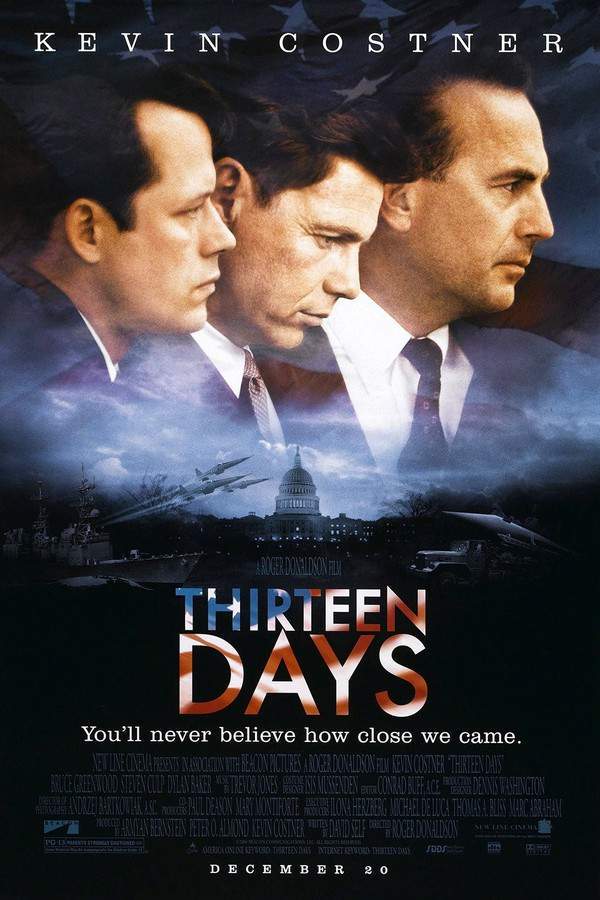
Thirteen (2000) movie poster

Timeline

Thirteen (2000) Timeline Explained – Every Event in Order

Release, runtime and language
2000 · 87 min · English
Directed by
David D. Williams
Budget
$42M

A rebellious teenager's relationship with her mother becomes increasingly strained as she delves into a world of substance abuse, risky behavior, and petty crime. Drawn to a charismatic but troubled best friend, she experiences the challenges of adolescence and confronts difficult choices that test her loyalties and threaten to derail her future.

On this page (5)
  1. 1 Where to watch
  2. 2 Events in order (12)
  3. 3 Timeline questions answered
  4. 4 Movie threads
  5. 5 Every angle

Where to watch

Where to Watch Thirteen (2000)

Where can you watch Thirteen? Stream, rent or buy it in the US, including on Amazon Video, Apple TV Store and Fandango At Home: current JustWatch availability with up-to-date prices.

Streaming availability powered by JustWatch

12 events in order · contains spoilers

Thirteen Timeline: Events in Chronological Order

Every key event of Thirteen (2000) in order, scene by scene, with when and where it takes place. Use it to untangle flashbacks, time jumps and parallel storylines, to refresh your memory before the sequel or to find the exact scene you are thinking of.

  1. Discovery of Soviet Missiles in Cuba

    U-2 reconnaissance photos reveal that the Soviet Union is installing intermediate-range ballistic missiles in Cuba, capable of striking major US cities. The US government becomes aware of the 32 missiles being serviced by 3,400 Soviet personnel, posing a significant threat. This discovery sets the stage for the crisis and US response planning.

    When
    October 1962
    Where
    Cuba
  2. US Convenes Crisis Meetings

    President Kennedy and his advisers gather to discuss the threat posed by the Soviet missiles. Military leaders suggest immediate strikes and invasion, but Kennedy is hesitant, considering the possibility of nuclear escalation and the risk of provoking a wider war. Tensions rise as the administration assesses options.

    When
    October 1962
    Where
    Washington, D.C.
  3. Kennedy Rejects Immediate Military Action

    Kennedy decides against a preemptive strike, fearing it may trigger nuclear war and escalate the conflict. Instead, he opts for a naval quarantine around Cuba to prevent further Soviet arms shipments, signaling a push for a peaceful resolution while maintaining military alert status.

    When
    October 1962
    Where
    Washington, D.C.
  4. Implementation of Naval Quarantine

    The US Navy establishes a blockade around Cuba, stopping all ships entering Cuban waters and inspecting them for weapons. Meanwhile, the US military is placed on DEFCON 3 alert, ready to respond if necessary, as Soviet and Cuban officials react to the quarantine plan.

    When
    October 1962
    Where
    Cuba and Atlantic Ocean
  5. Soviet and US Diplomatic Moves

    Soviet ambassador Anatoly Dobrynin maintains that the Soviet military presence in Cuba is purely defensive, while the US presents evidence of offensive missile deployment. Secret negotiations and back-channel communications begin, with the Soviets offering to remove missiles in exchange for US guarantees.

    When
    October 1962
    Where
    UN and Washington
  6. International Attention and UN Showdown

    Adlai Stevenson presents irrefutable evidence of Soviet missiles in Cuba during the UN Security Council, publicly shaming Soviet and Cuban representatives. This boosts US diplomatic pressure and boosts Kennedy's image as a strong leader in the crisis.

    When
    October 1962
    Where
    United Nations
  7. Soviet Response and Escalation

    A Soviet ship attempts to run the blockade, but is warned and fired upon, prompting military and diplomatic tension. The US forces also detect Soviet submarines, raising fears of a potential underwater escalation if triggered.

    When
    October 1962
    Where
    Cuba and Atlantic Ocean
  8. Secret Communications and Negotiations

    Back-channel messages reveal the Soviets’ willingness to remove the missiles in Cuba if the US commits to not invading Cuba. The US considers the proposals, debating whether to accept or reject these diplomatic overtures.

    When
    October 1962
    Where
    Washington
  9. US Prepares for Possible Attack

    Despite diplomatic efforts, JFK authorizes preparations for a military strike and invasion scheduled for the upcoming week. A U-2 plane is shot down over Cuba, resulting in the death of the pilot, Rudolf Anderson, further escalating the crisis.

    When
    October 1962
    Where
    Cuba
  10. Meetings with Soviet Representatives

    Kennedy’s brother, Robert F. Kennedy, meets with Soviet ambassador Dobrynin to negotiate a peaceful resolution, demanding the removal of Soviet missiles from Cuba. Dobrynin counters with US demands to remove missiles from Turkey, complicating the negotiations.

    When
    October 1962
    Where
    Washington
  11. Resolution and Removal of Missiles

    Khrushchev agrees to remove Soviet missiles from Cuba in exchange for a US public declaration not to invade Cuba. Secretly, the US also agrees to remove its Jupiter missiles from Turkey within six months, as part of a clandestine understanding.

    When
    October 1962
    Where
    Cuba and Turkey
  12. Post-Crisis Reflection

    President Kennedy issues a condolence letter to the family of the downed pilot. The crisis ends with the removal of Soviet missiles from Cuba, avoiding nuclear conflict. The leaders reflect on the dangerous brinkmanship that characterized the confrontation.

    When
    October 1962
    Where
    Washington

Last updated: July 29, 2025 at 06:43

Was this helpful?

Timeline questions answered

Thirteen Timeline Explained: Your Questions Answered

When does it happen, and why in that order? The questions people ask about the chronology of Thirteen (2000): time jumps, flashbacks, cause and effect between scenes and the correct order of events, each answered with spoilers.

Q1

Why did Kennedy choose a naval quarantine instead of ordering immediate air strikes?

Kennedy rejected immediate military strikes because he feared they would trigger full-scale nuclear war. His advisors cited The Guns of August, warning that outdated military tactics in the nuclear age could quickly escalate into global catastrophe. The quarantine allowed the US to block additional Soviet weapons from reaching Cuba while leaving room for diplomatic resolution, avoiding the immediate escalation that air strikes would have caused.

Foreshadowing: Earlier in the film, Kennedy's advisors debate the risks of preemptive action, with military leaders pressing for immediate attacks while Kennedy expresses caution about triggering World War III.

  • kennedy quarantine
  • cuban missile crisis military options
  • air strikes cuba
  • jfk decision making
Q2

Why was the U-2 plane shot down and what happened to the pilot?

A US U-2 reconnaissance plane was shot down over Cuba during a surveillance mission, killing pilot Rudolf Anderson. This was the only direct military casualty of the crisis and added personal tragedy to the geopolitical confrontation. The incident escalated tensions significantly and forced Kennedy to decide whether to respond with force.

Foreshadowing: The timeline shows the US conducting reconnaissance flights throughout the crisis to verify missile installations, creating inevitable risk of confrontation.

  • rudolf anderson
  • u2 shot down cuba
  • pilot death cuban missile crisis
  • american casualties
Q3

What was the secret deal that resolved the Cuban Missile Crisis?

The public resolution involved the Soviets removing their missiles from Cuba in exchange for a US promise not to invade Cuba. However, a secret agreement required the US to also remove its Jupiter missiles from Turkey within six months. This private concession, negotiated through back-channels, was crucial to convincing Soviet leader Khrushchev to accept the terms.

Foreshadowing: Throughout the film, Dobrynin insists on the Turkey missile issue being part of any deal, showing this demand was persistent in Soviet negotiations.

  • secret deal soviets
  • jupiter missiles turkey
  • cuban missile crisis resolution
  • us soviet agreement
Q4

Why did Kennedy compare the Cuban Missile Crisis to World War I?

Kennedy referenced The Guns of August to illustrate how military escalation and outdated tactical thinking pulled nations into World War I. He feared a similar cascade effect where initial military actions, however limited, would spiral into full nuclear war due to miscommunication, miscalculation, and rigid military protocols that left little room for diplomatic de-escalation.

Foreshadowing: Kennedy's concern about escalation appears early in the crisis meetings when he debates with advisors pushing for immediate military action.

  • kennedy world war i analogy
  • guns of august
  • nuclear escalation
  • historical parallels
Q5

What role did Robert Kennedy play in resolving the crisis?

Robert Kennedy served as a secret emissary to Soviet Ambassador Anatoly Dobrynin, meeting privately to negotiate directly. He delivered Kennedy's demand for missile removal from Cuba while personally pressing for a diplomatic solution. These back-channel meetings proved essential in finding a compromise that allowed both sides to claim victory while avoiding nuclear war.

Foreshadowing: The film shows RFK's private meetings as a crucial alternative to formal diplomatic channels that had become deadlocked.

  • robert kennedy dobrynin
  • rfk secret meetings
  • cuban missile negotiations
  • kennedy brothers crisis
Q6

What were the Jupiter missiles in Turkey and why were they significant?

The Jupiter missiles were US nuclear missiles stationed in Turkey, pointed toward Soviet territory. The Soviet government demanded their removal as part of any deal to withdraw from Cuba, seeing them as a comparable threat to American cities. Kennedy's agreement to secretly remove them within six months satisfied this Soviet demand and helped seal the resolution.

Foreshadowing: Dobrynin explicitly links the Turkey missiles to Soviet willingness to negotiate, making this a persistent point throughout the secret discussions.

  • jupiter missiles turkey
  • us missiles turkey
  • cuban missile crisis turkey
  • soviets demanded removal
Q7

What happened at the United Nations with Adlai Stevenson?

At the UN Security Council, Ambassador Adlai Stevenson presented irrefutable photographic evidence of Soviet missile installations in Cuba. He directly confronted and shamed Soviet and Cuban representatives who had denied the missiles existed, forcing them into an awkward position of denial against clear American proof. This moment strengthened Kennedy's diplomatic standing and put pressure on the Soviets internationally.

Foreshadowing: Earlier diplomatic efforts involve the US gathering and verifying intelligence before going public with their evidence.

  • adlai stevenson un
  • cuban missile evidence
  • un security council cuba
  • stevenson confrontation
Q8

What did DEFCON 2 mean during the Cuban Missile Crisis?

DEFCON 2 was the highest military alert level ever reached in US history, meaning nuclear war was considered imminent. It placed American forces one step away from full-scale nuclear warfare. The escalation to DEFCON 2 reflected the severity of the standoff as Soviet missiles became operational in Cuba and both sides prepared for potential attack.

Foreshadowing: The timeline shows military alert levels rising progressively as the crisis deepens, with DEFCON 2 representing the peak of tension.

  • defcon 2 meaning
  • nuclear alert levels
  • cuban missile crisis alert
  • nuclear war preparation
Q9

What would have happened if the US had invaded Cuba?

If the US had proceeded with military invasion, the film portrays Kennedy and his advisors preparing for strikes that would have led to invasion. Given the presence of Soviet troops and tactical nuclear weapons in Cuba, such an invasion risked immediate Soviet retaliation, potentially against NATO allies like Berlin, and could have quickly escalated into full-scale nuclear war between the US and Soviet Union.

Foreshadowing: Military leaders advocate for invasion options throughout the film, with Kennedy authorizing preparation for potential strikes during the crisis peak.

  • us invasion cuba consequences
  • nuclear war risk
  • military options cuba
  • cuban missile invasion scenario
Q10

Why did the Soviet Union place missiles in Cuba?

The Soviets deployed 32 intermediate-range ballistic missiles in Cuba, capable of striking Washington D.C. and other US cities, in response to what they perceived as American nuclear threats. The missiles were partly defensive, aimed at countering the US Jupiter missiles in Turkey and the large US nuclear arsenal, while also protecting the new communist regime in Cuba from potential American invasion.

Foreshadowing: Soviet Ambassador Dobrynin claims the military presence is defensive, a position the film explores throughout the diplomatic exchanges.

  • soviets placed missiles cuba
  • ussr motivation cuba
  • cuba nuclear threat
  • soviet defensive missiles

Movie threads

More Movies Like Thirteen, by Mood & Story

Curated lists built around what makes Thirteen tick: the same mood, the same kind of story or the same emotional payoff. Each list explains why these movies belong together.

Political crisis movies with intense standoffs like Thirteen

Strategic dramas where leaders navigate the thin line between disaster and peace. Explore movies like Thirteen that depict historical or fictional political standoffs. These high-tension films, often based on true stories, focus on diplomacy, military strategy, and the brink of catastrophe. If you enjoyed the grave, urgent atmosphere and global stakes of Thirteen, you'll find similar gripping narratives here.

  • tense
  • suspenseful
  • grave
  • urgent
  • claustrophobic
  • somber
  • Tone: tense, grave, urgent
  • Pacing: steady, methodical
Why these movies?

The story pattern: These narratives typically unfold over a condensed, urgent timeframe, methodically tracking the perspectives of opposing sides. The plot is driven by intelligence, debate, and the constant threat of a catastrophic miscalculation. The journey is one of intellectual and moral strain, culminating in a resolution that is often a sobering, hard-won compromise rather than a clear victory.

Why they belong together: Movies in this thread are grouped by their shared focus on global crises, the weight of leadership, and a consistently tense, somber mood. They share a steady pacing that builds suspense, a high intensity derived from existential stakes, and a heavy emotional weight, creating a cohesive experience of political anxiety.
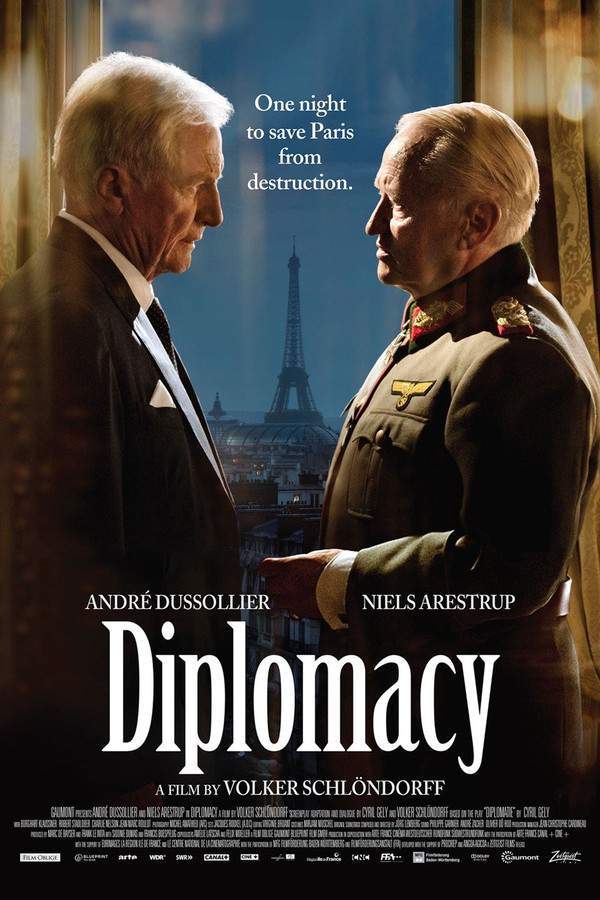
Historical dramas with bittersweet endings like Thirteen

Stories where averting disaster comes at a sobering personal or moral cost. Discover movies like Thirteen that end on a bittersweet note. These films depict historical events where a looming catastrophe is averted, but the resolution is shadowed by sacrifice or a sobering reality. If you appreciated the complex, weighted conclusion of Thirteen, you'll find similar emotionally resonant stories here.

  • somber
  • bittersweet
  • grave
  • historical
  • tense
  • thought-provoking
  • Tone: grave, bittersweet, somber
  • Pacing: steady, building
Why these movies?

The story pattern: The narrative pattern follows a relentless buildup of tension and threat, pushing characters and societies to their limits. The climax involves a critical resolution that prevents total collapse, but the fallout includes significant personal loss, ethical compromise, or a profound shift in perspective. The ending acknowledges the win while emphasizing its cost, leaving a lasting, contemplative impact.

Why they belong together: These films are grouped by their specific emotional arc: a journey from high tension and impending doom to a resolution that is fundamentally hopeful yet deeply shaded by sadness or solemnity. They share a bittersweet ending feel, heavy emotional weight, and a tone that balances grave seriousness with the relief of survival.

Every angle

Thirteen (2000) Explained: Plot, Timeline & Characters

Everything about Thirteen in one place: what happens in the plot summary, the timeline in chronological order, the characters and meaning and a spoiler-free summary. What's After the Movie adds the cast, box office and post-credit scenes.

Coming soon on iOS and Android

The Plot Explained Movie Summary App

Plot summaries, endings explained and timelines on your phone. Catch up on any movie in minutes, save your favorites and never miss a twist again.

Be the first to know when we launch. Your email stays private, always.

Learn more about the app