Year: 1988
Runtime: 95 mins
Language: English
Director: John Erman
In Nazi‑occupied Amsterdam, Otto Frank decides to hide his Jewish family after his daughter Margot is ordered to a labor camp. His office assistant, Miep Gies, shelters them in the attic above the office, risking their safety. The film traces Gies’ effort to keep the Franks concealed as Nazis hunt them, based on her memoirs and Anne Frank’s diary.
Find where to stream, rent, or buy The Attic: The Hiding of Anne Frank (1988) in the US with current JustWatch availability, up-to-date pricing, and platform listings for subscription, rental, and digital purchase options.
Warning: spoilers below!
Haven’t seen The Attic: The Hiding of Anne Frank yet? This summary contains major spoilers. Bookmark the page, watch the movie, and come back for the full breakdown. If you're ready, scroll on and relive the story!
Read the complete plot breakdown of The Attic: The Hiding of Anne Frank (1988), including all key story events, major twists, and the ending explained in detail. Discover what really happened, and what it all means.
Miep Gies is a young office assistant who works for Otto Frank, a Jewish businessman. As the occupation tightens its grip and anti-Jewish laws spread, Otto grows increasingly worried about his family. The film follows the quiet courage of those who help them, especially Miep, who carries out acts of daily resistance to keep hope alive.
In July 1942, after Margot Frank is summoned to report for transport to a Nazi labor camp, Otto Frank makes the hard choice to hide his family in the attic above their office, a space known as The Annexe. The plan rests on trust and discretion, with Miep guiding the effort and coordinating with others who silently safeguard the family’s safety.
A few days later, the Herman Van Daan family joins the Franks in hiding, and months later Albert Dussel joins as well, bringing another voice into the cramped, tense sanctuary. Alongside Miep, her husband Jan Gies and a small circle of colleagues—Mr Kraler, Mr Koophuis, and Elli—work to keep the hiders fed, sheltered, and unseen by the outside world. The attic becomes a fragile refuge where daily routines, small rituals, and careful deceit sustain life under constant threat.
Life in the Annex is a blend of quiet endurance, fear, and hopeful moments. The family and their companions—including the intimate presence of Edith Frank and the dynamic of the Van Daans—live within the narrow margins of time, always aware that discovery could come at any moment. The house outside, once bustling with business, becomes a shadowed stage where every sound, every door closure, and every whisper matters.
On August 4, 1944, the Gestapo arrives and arrests the hiders. Mr Kraler and Mr Koophuis are taken as well, while Miep is spared thanks to her Austrian background and Gentile status. The arresting officer, Silberbauer, plays a grim role in the sequence of events but, mercifully, preserves Miep’s life. The raid marks a brutal end to the hidden months, even as the war’s outcome remains uncertain.
After the arrest, Miep and Jan recover something precious: Anne Frank's diary, found in the hiding place, which she had kept during their time in hiding. Miep does not read the diary immediately; instead, she safeguards it as the Allies advance. When the war ends and Otto Frank returns to Amsterdam, Miep gives him the recovered diary, a quiet act that ensures Anne’s voice survives beyond the confines of the Annex.
Otto’s reunion is bittersweet. He explains the fates of those in hiding: Edith Frank had been murdered in Auschwitz, and Mr. Van Daan was gassed there. Anne, Margot, and Mrs. Van Daan were sent to Bergen-Belsen, a camp not designated as a death camp, yet the reality of their deaths soon becomes clear. Otto clings to a thread of hope for Anne and Margot, even as a letter arrives bearing the heartbreaking news of their deaths in Bergen-Belsen. In his grief, he leans on the diary as a bridge to the daughters he has lost, and Miep—who has not forgotten the people she helped—reads Anne’s words aloud in memory.
The film closes with a poignant image: Miep returns to the street, cycling home, the diary in memory and voice, and the past casting a long shadow over a future still being written. The story remains a testament to the quiet courage of ordinary people who chose to protect life and dignity when danger pressed in from every side.
Last updated: October 09, 2025 at 14:18
Explore frequently asked questions about The Attic: The Hiding of Anne Frank (1988) with spoiler-rich answers covering the full plot summary, major story beats, character motivations, hidden details, and ending meaning. This movie summary FAQ helps explain confusing scenes, plot twists, and narrative decisions in clear, searchable detail.
Otto Frank decided to hide his family after his daughter Margot received a summons to report for transport to a Nazi labor camp in July 1942. With anti-Jewish laws tightening and the threat of deportation looming, Otto chose to move his family into the hidden attic above his office, known as The Annexe, trusting his office assistant Miep Gies and a small group of colleagues to help keep them concealed.
Earlier scenes show Otto's growing worry as Nazi occupation intensifies and anti-Jewish measures spread throughout Amsterdam.
Miep Gies was spared because she was born in Austria and held Gentile status, which protected her from arrest. The Gestapo officer who conducted the raid, Karl Silberbauer, was also Austrian, and this shared background influenced his decision to let her go rather than detain her along with the other helpers.
The film establishes Miep's Austrian heritage early as part of her background working in the office.
After the Gestapo arrested the hidden families on August 4, 1944, Miep and her husband Jan returned to The Annexe to salvage belongings. There they found Anne's diary scattered on the floor. Miep carefully collected it and kept it safe, refusing to read it, and later returned it to Otto Frank after the war ended.
Anne's diary is shown throughout the film as a private outlet for her thoughts during the months of hiding.
Miep attempted to bribe Gestapo officer Karl Silberbauer in an desperate effort to secure the safety of the arrested hiders. Despite the danger to herself, she went to the Gestapo office hoping to use money to influence the officer and potentially free Otto Frank and the others. The bribe was refused, and the families were taken to concentration camps.
Earlier scenes show Miep's courageous commitment to protecting the hidden families at any personal cost.
Edith Frank, Anne and Margot's mother, was arrested along with the other hiders and deported to Auschwitz concentration camp, where she was murdered. Unlike her husband Otto, who survived the war, Edith did not survive the Holocaust.
The film shows Edith in The Annexe, struggling with the confined conditions and living apart from her husband.
Anne and Margot Frank, along with Mrs. Van Daan, were transferred from Auschwitz to Bergen-Belsen concentration camp. Both sisters, along with Mrs. Van Daan, perished there, though the specific causes of their deaths are not detailed in the film. Otto Frank clung to hope for his daughters until receiving confirmation of their deaths in 1945.
The film shows Anne writing hopefully about the future in her diary, unaware of the fate awaiting her and her sister.
Miep Gies, her husband Jan, and their colleagues Mr. Kraler, Mr. Koophuis, and Elli chose to hide the Frank family out of moral courage and friendship. Otto Frank was their employer and friend, and they could not stand by while his family faced deportation and almost certain death. Their daily acts of resistance, bringing food, supplies, and news, sustained the hidden families for over two years despite the constant danger to themselves.
Early scenes establish the growing danger of the Nazi occupation and show Miep's deepening concern for her employer's family.
When Otto Frank received the letter confirming that Anne and Margot had died at Bergen-Belsen, it shattered the hope he had clung to since the raid. In his grief, he turned to Anne's diary as a bridge to the daughters he lost, reading their words to reconnect with them. Miep, who had helped preserve the diary, read Anne's words aloud in memory of the family she had tried to protect.
Throughout the film, Otto maintains hope for his daughters' survival even as the war drags on and news grows bleaker.
The Van Daans, a family that had previously done business with Otto Frank, joined the Franks in The Annexe a few days after the Frank family went into hiding. Facing the same threat of deportation under Nazi anti-Jewish laws, they sought the safety of the hidden attic. Later, Albert Dussel, a Jewish dentist, also joined the group, adding to the crowded conditions but sharing the risk together.
The film establishes that Otto had business relationships with the Van Daans before the war, creating a basis for trust.
Jan Gies, Miep's husband, was a crucial part of the hiding operation. He worked alongside Miep to bring food, supplies, and news to the hidden families in The Annexe. After the Gestapo raid, Jan accompanied Miep back to the empty hideout, where they discovered Anne's diary. Jan also helped shelter Otto Frank after his return from captivity following the war's end.
Jan is shown as a quiet but steady presence throughout the film, supporting Miep's dangerous work.
After discovering Anne's diary in the abandoned Annexe, Miep chose not to read it because she believed Otto Frank would one day return and would want to read his daughter's words himself. Miep kept the diary safe, understanding its immense value to Otto as the only remaining connection to his daughters. She preserved it without reading a single word until handing it to Otto after the war.
Throughout the film, Anne is shown writing in her diary as a private journal of her experiences and hopes.
Mr. Van Daan was arrested during the Gestapo raid on August 4, 1944, and deported to Auschwitz concentration camp, where he was gassed. His wife later died at Bergen-Belsen along with Anne and Margot Frank, making the Van Daan family another tragic loss in the Holocaust.
The Van Daans are shown sharing the cramped space of The Annexe with the Franks, adding to the tension and resource strain.
Discover curated groups of movies connected by mood, themes, and story style. Browse collections built around emotion, atmosphere, and narrative focus to easily find films that match what you feel like watching right now.
Stories where individuals are lost, but their words and memory endure.If you were moved by how Anne Frank's diary survived, explore other movies like The Attic: The Hiding of Anne Frank. These films feature poignant stories of legacy, where personal narratives outlive their creators, offering similar bittersweet historical dramas.
Narratives in this thread often follow individuals whose lives are cut short by historical forces or personal tragedy. The story's arc is not about their survival, but about the posthumous journey of their voice—be it through diaries, art, or the memories of others—ensuring they are not erased by time or oppression.
These films are grouped by their shared emotional core: a profound sadness for what was lost, coupled with a resilient hope embodied by the survival of a story. They balance the weight of historical tragedy with the light of preserved memory.
Films where characters endure confinement, with terror lurking just outside.For viewers seeking the tense, confined experience of The Attic: The Hiding of Anne Frank, this list features similar movies about hiding from a grave threat. These films share a high-stakes, anxious vibe and a steady buildup of claustrophobic suspense.
The narrative pattern involves characters forced into a confined space for their survival, with an oppressive external force hunting them. The plot unfolds through the daily rituals of staying hidden, the close-quarters tensions between characters, and the slow, nerve-wracking accumulation of near-discoveries.
Movies in this thread share a specific atmospheric blend: a tense, quiet tone; a steady, deliberate pacing that amplifies suspense; and a high-intensity emotional experience rooted in the primal fear of being found. The setting itself becomes a primary character.
Don't stop at just watching - explore The Attic: The Hiding of Anne Frank in full detail. From the complete plot summary and scene-by-scene timeline to character breakdowns, thematic analysis, and a deep dive into the ending - every page helps you truly understand what The Attic: The Hiding of Anne Frank is all about. Plus, discover what's next after the movie.
Track the full timeline of The Attic: The Hiding of Anne Frank with every major event arranged chronologically. Perfect for decoding non-linear storytelling, flashbacks, or parallel narratives with a clear scene-by-scene breakdown.
Discover the characters, locations, and core themes that shape The Attic: The Hiding of Anne Frank. Get insights into symbolic elements, setting significance, and deeper narrative meaning - ideal for thematic analysis and movie breakdowns.
Discover movies like The Attic: The Hiding of Anne Frank that share similar genres, themes, and storytelling elements. Whether you’re drawn to the atmosphere, character arcs, or plot structure, these curated recommendations will help you explore more films you’ll love.
The Attic: The Hiding of Anne Frank (1988) Scene-by-Scene Movie Timeline
The Attic: The Hiding of Anne Frank (1988) Movie Characters, Themes & Settings
The Attic: The Hiding of Anne Frank (1988) Spoiler-Free Summary & Key Flow
Movies Like The Attic: The Hiding of Anne Frank – Similar Titles You’ll Enjoy
My Best Friend Anne Frank (2022) Plot Summary & Ending Explained
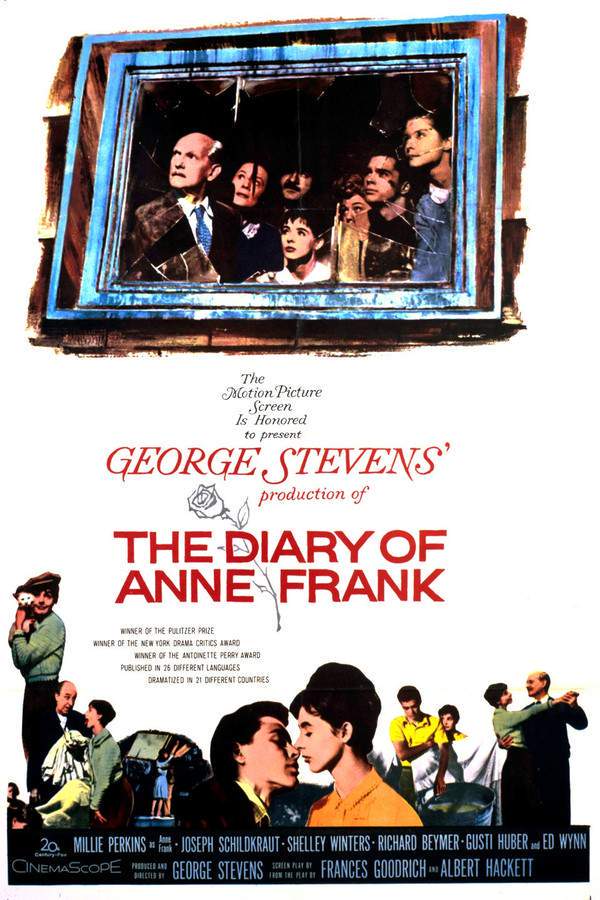
The Diary of Anne Frank (1959) Plot Summary & Ending Explained
Amsterdam (2022) Complete Plot Breakdown
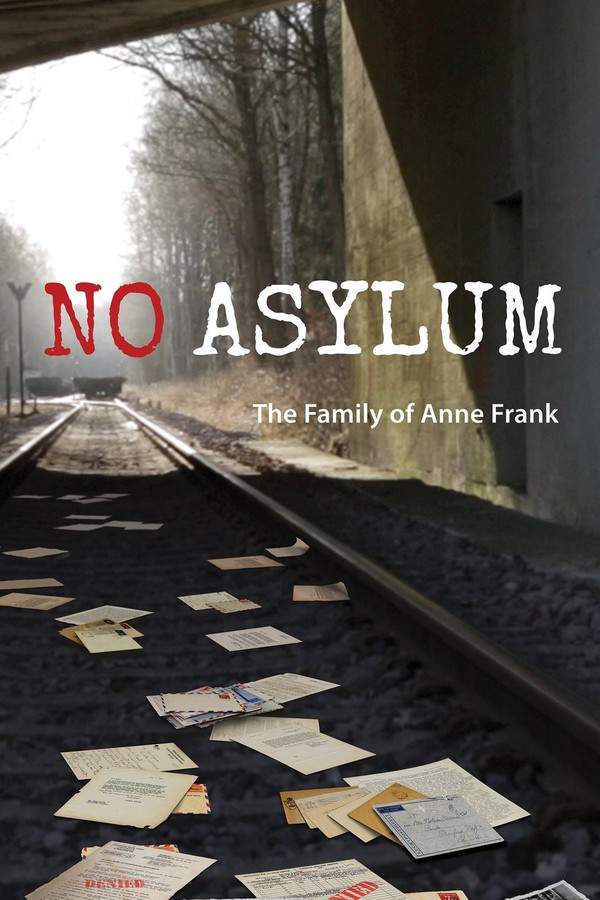
No Asylum: The Untold Chapter of Anne Frank's Story (2016) Plot Summary & Ending Explained
#AnneFrank. Parallel Stories (2019) Full Movie Breakdown
The Diary of Anne Frank (1980) Ending Explained & Film Insights
Private Resistance (1985) Movie Recap & Themes
A Small Light (1000) Spoiler-Packed Plot Recap
Hidden in Silence (1996) Complete Plot Breakdown
The Diary of Anne Frank (1000) Movie Recap & Themes
The Diary of Anne Frank (1967) Movie Recap & Themes
Anne Frank Remembered (1995) Plot Summary & Ending Explained
The Diary of Anne Frank (2009) Plot Summary & Ending Explained
The Anne Frank Gift Shop (2023) Plot Summary & Ending Explained
Anne Frank’s Diary (1995) Ending Explained & Film Insights