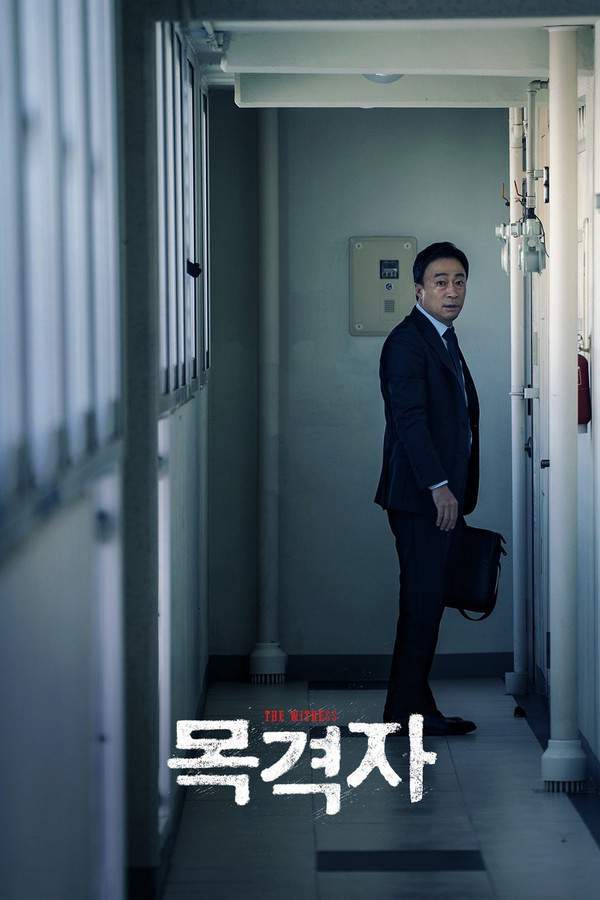
The Witness

The Witness

Year: 1969

Runtime: 108 mins

Language: Hungarian

Director: Péter Bacsó

Comedy

In 1950s Hungary, against the backdrop of post‑war upheaval, dam keeper József Pelikán tends the Danube when he unexpectedly runs into Zoltán Dániel, a former comrade he rescued years earlier, who has risen to become an influential political figure.

Warning: spoilers below!

Haven’t seen The Witness yet? This summary contains major spoilers. Bookmark the page, watch the movie, and come back for the full breakdown. If you're ready, scroll on and relive the story!

Timeline & Setting – The Witness (1969)

Explore the full timeline and setting of The Witness (1969). Follow every major event in chronological order and see how the environment shapes the story, characters, and dramatic tension.

Time period

1950s

Set in post-World War II Hungary, the early 1950s political climate is defined by purges and surveillance. The plot centers on a supposed pig slaughter used to justify persecution and a show trial orchestrated to shore up regime loyalty. The era's paranoia is intensified by the ÁVH's reach and the fickleness of political favor. Stalin's death becomes a turning point, briefly loosening the regime's grip and altering Pelikán's fate.

Location

Danube river region, Hungary, Pelikán's home on the dike, prison

The action unfolds along the Danube in Hungary, with the river and dike as constant backdrops to the human drama. The story moves between Pelikán's modest home, the riverfront dike, and the prison where state power is enacted, illustrating how geography concentrates control. The Danube's quiet expanse contrasts with the intense political tension that drives the characters' choices.

🗺️ Danube region 🏚️ Rural Hungary 🏛️ Prison setting

Last Updated: October 04, 2025 at 14:33

Main Characters – The Witness (1969)

Meet the key characters of The Witness (1969), with detailed profiles, motivations, and roles in the plot. Understand their emotional journeys and what they reveal about the film’s deeper themes.

József Pelikán (Ferenc Kállai)

A former participant in Hungary's WWII-era underground communist movement and a current dike-reeve, Pelikán is a protective, morally steady single father. He tries to lead a quiet life while navigating increasing state suspicion. Accused by an anonymous report of pig slaughter, he faces a moral crucible where loyalty to old friends clashes with required official loyalty. He ultimately chooses to tell the truth despite personal risk, enduring imprisonment and pressure.

🗣️ Protagonist 🛡️ Integrity

Zoltán Dániel (Zoltán Fábri)

An old underground comrade who has risen to a government official position, torn between past loyalties and new power. He attempts to helpPelíkan by demonstrating loyalty, but his actions backfire as he inadvertently reveals the basement with the hidden pork. His efforts to shield Pelikán reveal the perilous tension between friendship and regime service. Ultimately, his political maneuvering places him in danger as the state priorities shift.

🗳️ Show Trial 🤝 Friendship

Árpád Virág (Lajos Őze)

Comrade Virág presents a benevolent facade while using his power to steer Pelikán's life and to test loyalty. He assigns Pelikán various roles to manufacture a model worker and to reinforce regime control. His generosity is a calculated tool to shape public perception and personal behavior. As Stalin's death shifts political winds, Virág's influence wanes, illustrating the fragility of authoritarian benevolence.

🗺️ Power 🧭 Manipulation 🎭 Propaganda

Virág's Detective (Péter Korbuly)

A detective in Virág's orbit who operates within the surveillance apparatus of the regime. He participates in monitoring Pelikán and reinforcing the state's preferred narrative. His presence underscores how enforcement and inquiry serve the broader machine of political control.

🕵️ Investigation 🔒 Surveillance

Last Updated: October 04, 2025 at 14:33

Major Themes – The Witness (1969)

Explore the central themes of The Witness (1969), from psychological, social, and emotional dimensions to philosophical messages. Understand what the film is really saying beneath the surface.

🗳️ Show Trial

The film exposes the theatrical mechanics of a show trial, where testimony, ritual, and misdirection create an official narrative. Pelikán is coached to embody the 'ideal worker,' revealing how personal history is molded to fit political scripts. The sequence demonstrates how fear, propaganda, and orchestrated appearances subordinate truth to power. Even when truth surfaces, the system punishes dissent to preserve its illusion.

🗝️ Truth

Truth becomes a fragile act in a climate of surveillance and coercion. Pelikán's decision to speak the truth exposes the regime's fragility and its reliance on manufactured narratives. Memory and integrity function as resistance against distortion. The film shows the high price of honesty under totalitarian rule.

🌪️ Power

Power is shown as a shifting force that reconfigures loyalties, roles, and lives. Virág manipulates benevolence to steer Pelikán toward manufactured outcomes. Stalin's death marks a turning point that unsettles the regime's grip and allows a re-evaluation of justice. Personal relationships become collateral in the power game, and the film ends with an uneasy sense of realigned authority.

Last Updated: October 04, 2025 at 14:33

Mobile App Preview

Coming soon on iOS and Android

The Plot Explained Mobile App

From blockbusters to hidden gems — dive into movie stories anytime, anywhere. Save your favorites, discover plots faster, and never miss a twist again.

Sign up to be the first to know when we launch. Your email stays private — always.

Explore Movie Threads

Discover curated groups of movies connected by mood, themes, and story style. Browse collections built around emotion, atmosphere, and narrative focus to easily find films that match what you feel like watching right now.

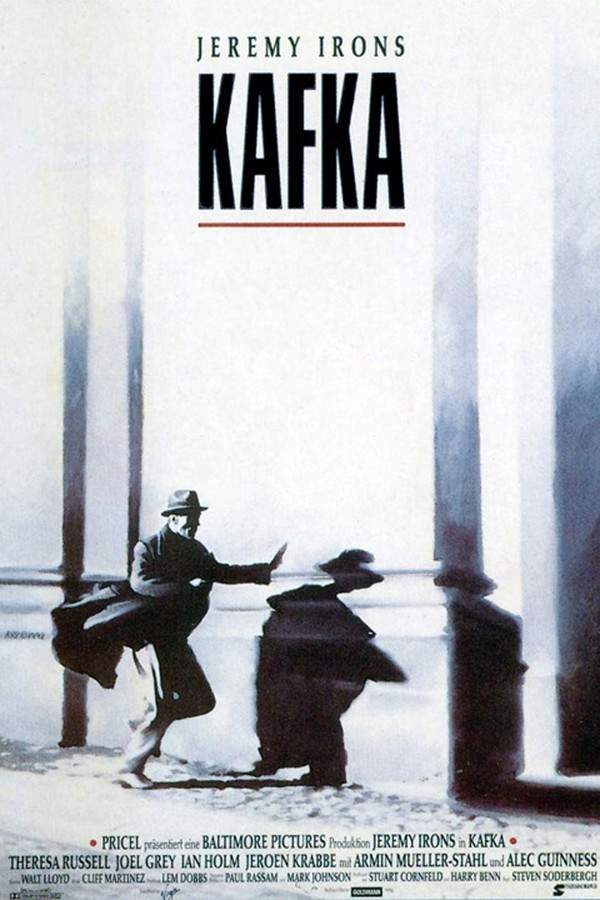
Kafkaesque Satire Movies like The Witness

Ordinary individuals trapped in the illogical machinery of oppressive institutions.If you liked the bureaucratic absurdity and dark humor of The Witness, explore more movies where individuals face surreal and oppressive systems. These films capture a similar vibe of political satire, false accusations, and the Kafkaesque ordeal of navigating an irrational world.

kafkaesquesatiricaloppressiveabsurdcynicalclaustrophobicbureaucratic

Narrative Summary

Stories typically begin with a minor incident or chance encounter that spirals into a life-altering confrontation with an unyielding bureaucracy. The protagonist's journey is less about a traditional goal and more about survival and maintaining a sense of self in the face of absurd demands and accusations.

Why These Movies?

These films are grouped by their shared tone of dark satire and their focus on the individual versus the system. They create a specific mood of cynical, oppressive unease, often using a steady, methodical pace to mirror the relentless and illogical nature of the institutions they critique.
Bittersweet Historical Dramas similar to The Witness

Characters who endure political turmoil, finding small victories at great personal cost.Fans of The Witness who appreciated its portrayal of personal integrity during a dark historical period will find similar movies here. These stories explore survival, friendship, and betrayal in oppressive settings, culminating in emotionally resonant, bittersweet conclusions.

bittersweethistoricalpoignantresilientmoral conflictfriendshipbetrayaloppressive

Narrative Summary

The narrative follows a character trying to maintain their principles while navigating a dangerous and corrupt environment. The central conflict is often between personal loyalty and survival, leading to sacrifices and compromises. The resolution acknowledges the character's endurance but also the deep scars left by the experience.

Why These Movies?

These films share a specific emotional mix: the gravity of their historical settings is balanced by a focus on intimate human drama. They deliver a medium emotional weight and a bittersweet ending feel, creating a thoughtful, poignant viewing experience about the cost of survival.

Unlock the Full Story of The Witness

Don't stop at just watching — explore The Witness in full detail. From the complete plot summary and scene-by-scene timeline to character breakdowns, thematic analysis, and a deep dive into the ending — every page helps you truly understand what The Witness is all about. Plus, discover what's next after the movie.

The Witness Summary

Read a complete plot summary of The Witness, including all key story points, character arcs, and turning points. This in-depth recap is ideal for understanding the narrative structure or reviewing what happened in the movie.

The Witness Summary

The Witness Timeline

Track the full timeline of The Witness with every major event arranged chronologically. Perfect for decoding non-linear storytelling, flashbacks, or parallel narratives with a clear scene-by-scene breakdown.

The Witness Timeline

The Witness Spoiler-Free Summary

Get a quick, spoiler-free overview of The Witness that covers the main plot points and key details without revealing any major twists or spoilers. Perfect for those who want to know what to expect before diving in.

The Witness Spoiler-Free Summary

More About The Witness

Visit What's After the Movie to explore more about The Witness: box office results, cast and crew info, production details, post-credit scenes, and external links — all in one place for movie fans and researchers.

More About The Witness

Similar Movies to The Witness

Discover movies like The Witness that share similar genres, themes, and storytelling elements. Whether you’re drawn to the atmosphere, character arcs, or plot structure, these curated recommendations will help you explore more films you’ll love.