Plot Explained Spoilers guaranteed!
Plot Explained

Browse by genre

The Slave (1962) movie poster

Timeline

The Slave (1962) Timeline Explained – Every Event in Order

Release, runtime and language
1962 · 100 mins · Italian
Loading streaming availability…
Directed by
Sergio Corbucci
Starring
Benito Stefanelli, Franco Balducci, Claudio Gora, Steve Reeves, Ivo Garrani, Jacques Sernas

Randus, a decurion, earns Caesar’s promotion to centurion and is sent to Egypt to monitor the ambitious co‑triumvir Marcus Licinius Crassus. A perilous sea voyage leaves him captured by mercenaries, sparking a slave uprising that frees him and his comrades. An amulet from his mother reveals him as Spartacus and Varinia’s son. Though reluctant, Randus must repeat his father’s revolt, leading slaves against their tyrannical masters.

On this page (6)
  1. 1 Where to watch
  2. 2 Events in order (13)
  3. 3 Timeline questions answered
  4. 4 Movie threads
  5. 5 Movies like The Slave
  6. 6 Every angle
Loading streaming availability…

13 events in order · contains spoilers

The Slave Timeline: Events in Chronological Order

Every key event of The Slave (1962) in order, scene by scene, with when and where it takes place. Use it to untangle flashbacks, time jumps and parallel storylines, to refresh your memory before the sequel or to find the exact scene you are thinking of.

  1. Centurion Randus assigned to Zeugma

    In 48 B.C., Randus, the son of Spartacus, is promoted to centurion by Caesar and given a dangerous mission to travel to Zeugma to uncover Crassus' secret plots. He departs Alexandria, Egypt, with his decurion Lumonius, the Germanic servant Beroz, the ambitious Gallic officer Vetius, and Vetius' sister Claudia. The assignment marks the start of a perilous journey that will test his loyalty and heritage.

    When
    48 B.C.
    Where
    Alexandria, Egypt
  2. Randus befriends Saida and the shipwreck

    Randus meets Saida, a young Egyptian slave girl owned by Claudia. On a foggy night, the galley collides with a hidden reef and Saida is thrown overboard while Randus dives in to save her. The ship sails away, leaving them stranded, and they wash up on a desert shore to begin a grueling journey toward safety.

    Where
    Sea near Alexandria
  3. Desert caravan capture and Gulbar’s recognition

    Randus and Saida are captured by a slave caravan guarded by Berber mercenaries working for Crassus. Gulbar, an ex-gladiator among the slaves, recognizes Randus as Spartacus' son after seeing Spartacus' amulet. The group becomes enslaved marchers toward Zeugma, enduring harsh desert conditions.

    Where
    Desert caravan route
  4. Gulbar inspires Randus to embrace his legacy

    Gulbar reveals Randus's true heritage and urges him to claim his father's legacy. Randus and the freed slaves stage a revolt, killing their Berber guards and escaping the caravan. Gulbar directs Randus to meet him at the legendary 'City of the Sun' for the next phase of their fight.

    Where
    Desert / City of the Sun route
  5. Randus reaches Zeugma and confronts Crassus

    Randus arrives in Zeugma with Beroz and confronts Crassus, who coldly orders the execution of the participating slaves. Lumonius warns that Crassus is secretly amassing a large army to crush any rebellion. Randus begins to consider overt resistance while maintaining his cover for the moment.

    Where
    Zeugma, Eastern Provinces
  6. City of the Sun and Spartacus' grave

    Randus travels with Beroz to the City of the Sun and discovers the ancient grave of Spartacus. The ruins reinforce his resolve, and Gulbar and the freed slaves urge him to embrace his father's cause. He vows to fight oppression and honor Spartacus's legacy.

    Where
    City of the Sun
  7. Randus leads a slave rebellion

    Backed by Gulbar and the freed slaves, Randus dons his father's mask and frees condemned slaves. He launches a broader rebel campaign that rekindles hope among the oppressed provincials. His growing power threatens Crassus's grip on the region.

  8. Crassus' party trap and the palace dungeon confrontation

    Crassus hosts a lavish party to lure the Son of Spartacus into a trap. Randus, in disguise, disrupts the celebration and a deadly confrontation ensues. Murdok is killed and Crassus escapes, pursued by Randus into the castle dungeons where he is finally unmasked.

    Where
    Crassus' palace
  9. Lumonius warns and the desert camp

    Lumonius escapes to warn Caesar and the rebels of Crassus' plan, while Crassus' entourage camps in the desert and prepares for a final assault. The looming clash signals a turning point for Randus's rebellion.

    Where
    Desert camp
  10. Desert ambush, Randus freed, Crassus captured

    The rebel slaves strike Crassus' convoy, freeing Randus and capturing Crassus and Claudia. Vetius is killed in the fighting. Saida pleads for mercy, sparing Claudia temporarily, but the rebel forces press their advantage.

    Where
    Desert
  11. Crassus' death by molten gold

    Crassus meets a brutal end as the slaves pour molten gold into his mouth, a cruel reminder of his tyranny. Claudia is spared for now as she is left alive and abandoned in the desert with Beroz's dagger.

    Where
    Desert
  12. Caesar discovers Randus and the pardon scene

    Caesar arrives in the province, learning of Randus's Spartacan heritage and sentencing him to death by crucifixion as a symbol of resistance. The people flood the scene with their willingness to join Randus in death, compelling Caesar to reconsider.

    Where
    Caesar's court / Roman camp
  13. Pardon and Spartacus's legacy secured

    Moved by the province's loyalty, Caesar pardons Randus. Randus returns his father's sword to Spartacus's grave, ensuring that a future hero may rise to challenge oppression when the time is right.

    Where
    Spartacus' grave

Last updated: October 09, 2025 at 12:35

Was this helpful?

Timeline questions answered

The Slave Timeline Explained: Your Questions Answered

When does it happen, and why in that order? The questions people ask about the chronology of The Slave (1962): time jumps, flashbacks, cause and effect between scenes and the correct order of events, each answered with spoilers.

Q1

Why does Randus decide to lead the slave rebellion?

Randus initially resists his heritage, but after discovering his father Spartacus's grave at the City of the Sun and witnessing Crassus's brutal treatment of slaves, he accepts the legacy. Gulbar and the freed slaves urge him to embrace his father's cause, and seeing the widespread oppression compels him to take up the rebellion.

Foreshadowing: Gulbar recognizes Randus as Spartacus's heir after spotting the amulet, planting the seed for his destiny.

  • randus
  • spartacus
  • slave rebellion
  • legacy
  • father
Q2

How does Gulbar know Randus is Spartacus's son?

Gulbar is an ex-gladiator who previously served in Spartacus's army. When he sees the amulet around Randus's neck, Spartacus's signature token, he immediately recognizes it and identifies Randus as the son of the legendary rebel leader.

  • gulbar
  • spartacus amulet
  • recognition
  • son
Q3

Why does Caesar pardon Randus after sentencing him to crucifixion?

Caesar initially sentences Randus to death as a symbol of rebellion, but when he witnesses the province's overwhelming loyalty to Randus and their willingness to die with him, he recognizes the power of this unity. Moved by their devotion, Caesar pardons Randus rather than risk further uprising.

  • caesar
  • pardon
  • crucifixion
  • randus
  • forgiveness
Q4

How does Crassus die in the movie?

Crassus meets a brutal death when the rebel slaves capture him and pour molten gold into his mouth. This is both a cruel ironic punishment, reflecting his greed, and a reference to the historical fate often attributed to Crassus.

Foreshadowing: Crassus's earlier order to execute slaves and his scheme to trap Randus at his palace party set up his brutal downfall.

  • crassus
  • molten gold
  • death
  • execution
Q5

What is the City of the Sun in The Slave?

The City of the Sun is a legendary location where Spartacus's followers gather. Randus travels there and discovers his father's ancient tomb, which strengthens his resolve to continue the rebellion. Gulbar directs him there as the meeting point for the growing slave army.

Foreshadowing: Gulbar mentions the City of the Sun when he helps Randus escape the caravan, promising to meet him there.

  • city of the sun
  • spartacus
  • tomb
  • rebel camp
Q6

Why does Randus return his father's sword to the grave at the end?

After being pardoned by Caesar, Randus returns Spartacus's sword to the grave as a symbolic act. The ending suggests the fight against oppression continues, and by returning the sword, he ensures a future hero can rise when the time is right, emphasizing the cyclical nature of rebellion.

Foreshadowing: Randus takes up his father's sword and helmet before launching the rebellion, symbolizing his acceptance of the legacy.

  • sword
  • grave
  • spartacus
  • symbolism
  • legacy
Q7

What is the significance of the amulet Randus wears?

The amulet is Spartacus's personal token that Randus has carried since childhood, given to him by his mother Varinia. It serves as the key to revealing Randus's true heritage, Gulbar recognizes it and identifies him as Spartacus's son, setting the entire rebellion in motion.

  • amulet
  • varinia
  • spartacus
  • heritage
  • identity
Q8

Why does Randus kill Vetius at the end?

Vetius is killed by Randus during the desert ambush when the rebel slaves attack Crassus's convoy. As an ambitious Gallic officer serving Rome and part of Crassus's entourage, Vetius is considered an enemy of the rebellion and is killed in the fighting.

Foreshadowing: Vetius's earlier ambition and loyalty to Rome position him as an antagonist throughout the story.

  • vetius
  • death
  • killed
  • ambush
  • roman officer
Q9

What happens to Claudia at the end of the movie?

After the rebels capture Crassus's convoy, Claudia is spared initially when Saida pleads for mercy. However, she is ultimately left in the desert with Beroz's dagger, allowing her a merciful suicide rather than execution, reflecting the rebels' complex relationship with Roman captives.

  • claudia
  • desert
  • left behind
  • mercy
  • suicide
Q10

Why does Crassus order the execution of slaves?

Crassus orders the execution of slaves who participated in the uprising to maintain strict control and prevent rebellion from spreading. He views the slave revolt as a direct threat to Roman authority and uses extreme violence as a deterrent against further resistance.

  • crassus
  • slaves
  • execution
  • revolt
  • roman authority

Movie threads

More Movies Like The Slave, by Mood & Story

Curated lists built around what makes The Slave tick: the same mood, the same kind of story or the same emotional payoff. Each list explains why these movies belong together.

Movies about reluctant rebellion leaders like The Slave

Where an ordinary person is forced to lead a desperate fight for freedom. If you enjoyed The Slave's story of Randus being forced to embrace his legacy, you'll find similar narratives here. These movies feature ordinary individuals who must lead desperate uprisings against tyrannical systems, blending personal reluctance with epic-scale heroism.

  • rebellious
  • heroic
  • oppressive
  • brutal
  • epic
  • desperate
  • Tone: heroic, dark, bittersweet
  • Pacing: fast, urgent
Why these movies?

The story pattern: The narrative follows a protagonist initially disconnected from a larger conflict, who is captured or oppressed by a powerful system. A catalyst event reveals their hidden potential or forces them to action. They reluctantly accept the mantle of leadership, uniting a disparate group of rebels in a high-stakes fight for survival and freedom.

Why they belong together: Movies in this thread share a core character arc of reluctant leadership born from oppression. They combine the emotional weight of personal sacrifice with the high-intensity action of large-scale rebellion, creating a powerful, heroic, and often bittersweet narrative experience.
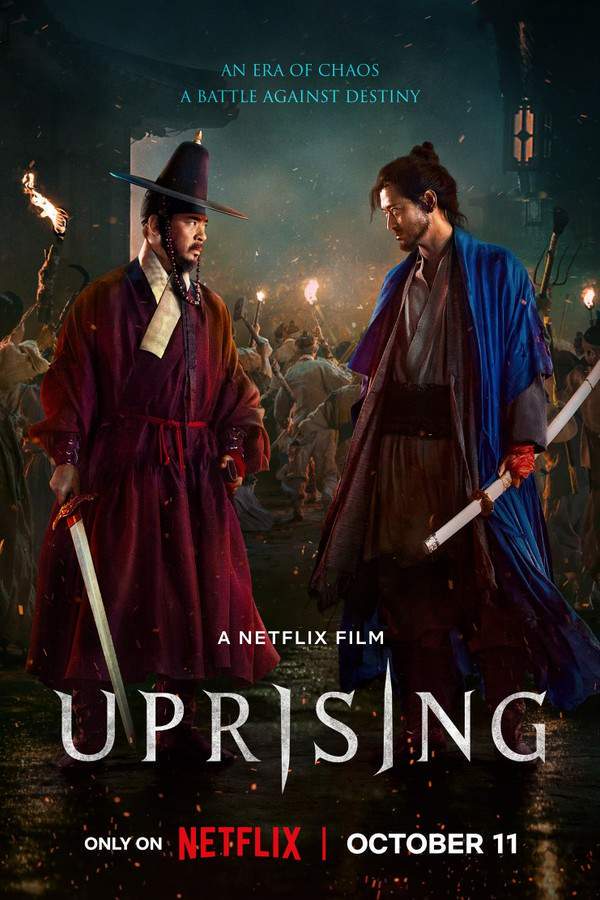
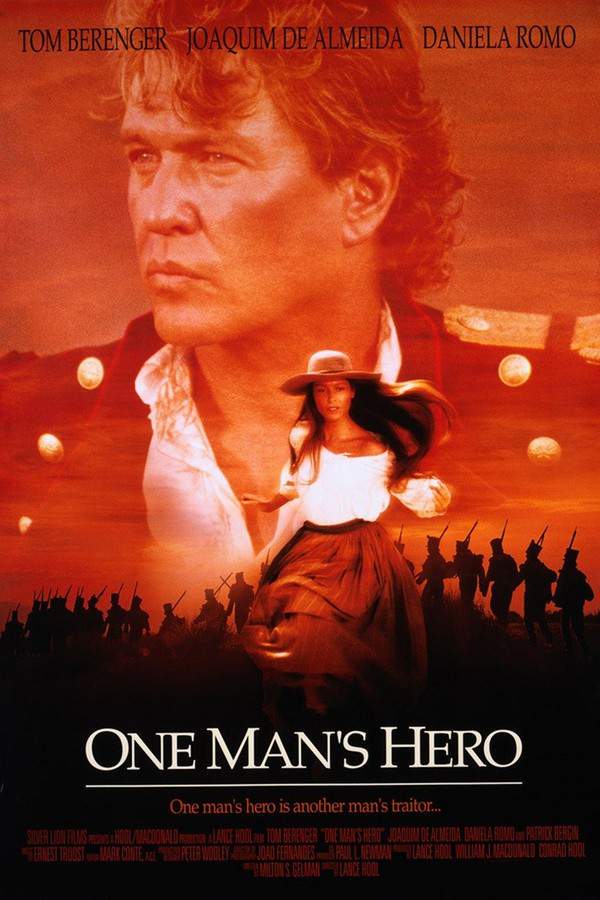
Brutal historical rebellion epics similar to The Slave

Sweeping tales of survival and revolt set against harsh historical backdrops. Fans of The Slave's depiction of ancient tyranny and desperate revolt will appreciate these films. Discover similar movies set in harsh historical periods, where the fight for freedom is depicted with high intensity, fast pacing, and a dark, immersive tone.

  • brutal
  • epic
  • oppressive
  • rebellious
  • swashbuckling
  • historical
  • Tone: dark, brutal, heroic
  • Pacing: fast, relentless
Why these movies?

The story pattern: Stories are set in a vividly realized, unforgiving historical period defined by systemic cruelty. The plot follows a group or individual through a series of survival challenges—capture, forced labor, journeys through harsh landscapes—culminating in a large-scale, violent rebellion against their oppressors.

Why they belong together: These films are united by their unflinching portrayal of historical oppression and the explosive, fast-paced rebellions that arise from it. They deliver a consistent experience of high tension, heavy emotional weight, and a visually epic scale centered on themes of freedom and resistance.

If you liked this

Movies Like The Slave

Similar movies to The Slave: the same genre, themes or kind of story. Each one comes with its own plot summary, timeline and ending explained.

Browse all movie summaries

Every angle

The Slave (1962) Explained: Plot, Timeline & Characters

Everything about The Slave in one place: what happens in the plot summary, the timeline in chronological order, the characters and meaning and a spoiler-free summary. What's After the Movie adds the cast, box office and post-credit scenes.

Coming soon on iOS and Android

The Plot Explained Movie Summary App

Plot summaries, endings explained and timelines on your phone. Catch up on any movie in minutes, save your favorites and never miss a twist again.

Be the first to know when we launch. Your email stays private, always.

Learn more about the app