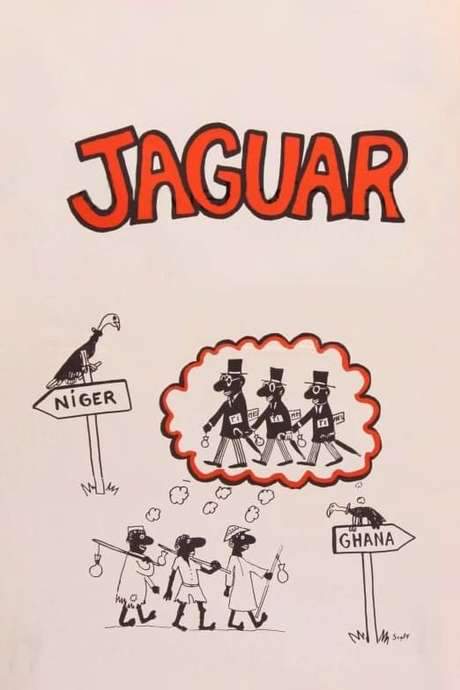
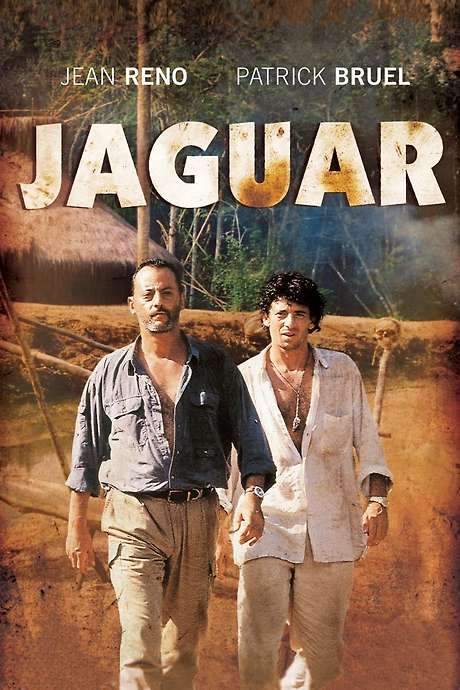
Three men from Niger — Lam, a cowherd; Illo, a fisherman; and Damouré Zika, an educated dandy — set out on foot toward the Gold Coast in search of work, money, and a sense of adventure, embracing the unknown with curiosity and resolve.
After a brief portrait of their lives in Niger, the trio seeks guidance from a fortune teller who delivers a stark yet hopeful warning: the journey ahead will be difficult, but triumph awaits them on the way back. The seer also advises a strategic split once they reach the Gold Coast, suggesting that their paths should diverge for a time with the promise of reunion later. This forecast plants the seeds of an odyssey that blends camaraderie with independence, testing each man in his own way.
The journey unfolds across a tapestry of landscapes and encounters, as the travelers meet a wide array of people and places. Their days swing between moments of whimsy and sharp, pragmatic turns—sometimes scavenging for food, other times begging from local villagers. Every encounter broadens their world and raises questions about luck, self-reliance, and the costs—and rewards—of seeking opportunity far from home. When they finally reach the border between Niger and the Gold Coast, the guards demand papers they do not possess. The trio manages to slip across by moving stealthily behind the guards, a silent acknowledgment of the precariousness that shadows their voyage.
Once in the Gold Coast, the men go their separate ways, taking on a range of odd jobs as merchants, manual laborers, foremen, and gold miners in cities like Kumasi and Accra. The shift from a shared mission to individual hustles reveals different facets of aspiration and adaptation. Damouré Zika attends a rally of the Nkrumaist Convention People's Party, where he becomes known for his distinctive presence and demeanor, earning the nickname jaguar—a slang term describing a well-dressed, polite, and sharp young man who carries himself with quiet confidence. This notoriety marks a turning point, deepening the film’s exploration of status, charm, and social perception in a new urban landscape.
As the season closes, the three men reunite in spirit if not always in proximity, returning to Niger with suitcases filled with goods from the Gold Coast. In a generous and communal gesture, they distribute nearly all of their possessions as gifts to friends and neighbors back in their village, a gesture that underscores themes of sharing, humility, and the transformative impact of travel. The narrative then shifts to a contemplative frame as the film’s voice gently ties their odyssey to broader historical echoes, with a final reflection from Rouch that likens their journey to the exploits of conquerors from a bygone era, inviting viewers to ponder what such journeys reveal about movement, culture, and memory.