Plot Explained Spoilers guaranteed!
Plot Explained

Browse by genre

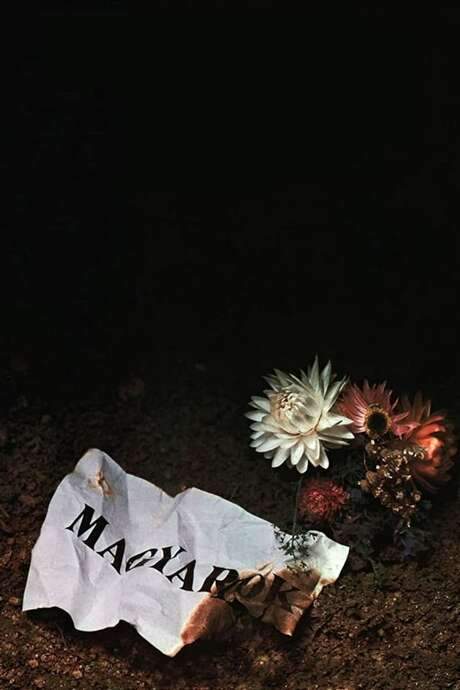
The Round-Up (1966) movie poster

Spoiler-Free Summary

The Round-Up (1966) Spoiler-Free Summary – What It's About

Release, runtime and language
1966 · 90 mins · Hungarian
Directed by
Miklós Jancsó
Starring
Tibor Molnár, Géza Tordy, István Avar, György Bárdy, József Madaras, Lajos Őze

After the 1848 Kossuth revolution collapses, suspected supporters are shipped to brutal prison camps. Decades later, legendary outlaw Sándor Rózsa still leads a band of partisans terrorizing the countryside. Uncertain of their identities, authorities conduct ruthless round‑ups, using any means to root out the remaining rebels.

On this page (6)
  1. 1 What it is about
  2. 2 Is it worth watching?
  3. 3 After you watch
  4. 4 Movie threads
  5. 5 Movies like The Round-Up
  6. 6 Every angle

Spoiler-free summary · safe to read

What Is The Round-Up About? (No Spoilers)

The plot of The Round-Up (1966) without spoilers: what it is about, who it follows and where it takes place, told without the twists or the ending. Enough to decide whether it is your next watch, not enough to ruin it.

In the wake of the 1848 Kossuth revolution’s collapse, Hungary is haunted by a lingering sense of unfinished rebellion. The state has erected stark prison camps to hold anyone suspected of supporting the fallen cause, and the very walls seem to echo with whispered accusations and the clatter of iron chains. The landscape outside these forts is a brooding mix of harsh winter fields and dense, mist‑shrouded forests, where the lingering spirit of resistance feels as palpable as the cold wind. A sense of relentless surveillance pervades the air, setting a tone that is both oppressive and unsettlingly hopeful.

At the heart of that hope rides the legend of Sándor Rózsa, a charismatic outlaw whose name has become synonymous with defiance. Even two decades after the revolution’s defeat, his band of partisans roams the countryside, striking with daring audacity that keeps the authorities on uneasy alert. Rózsa’s reputation is built on a blend of folk‑hero bravado and ruthless guerrilla tactics, casting him as a mythic figure whose very presence threatens to ignite the dormant fire of rebellion in the hearts of the oppressed.

The state’s response is a series of ruthless round‑ups, a campaign that employs mental pressure, physical torment, and cunning tricks to root out the remaining rebels. Among the prisoners is Gajdar János, a man whose own survival instincts push him toward collaboration with the guards. His uneasy position creates a volatile dynamic within the camps, as he navigates the thin line between self‑preservation and the ever‑watchful eyes of his fellow inmates. The atmosphere crackles with suspicion, each interaction a delicate dance of trust and betrayal.

The film balances stark realism with a lingering, almost lyrical melancholy, painting a portrait of a nation caught between the weight of its past and the restless pulse of a future that refuses to be silenced. The relentless pursuit of hidden insurgents, the looming presence of a legendary outlaw, and the claustrophobic tension inside the camps combine to craft a world that feels both historically grounded and hauntingly timeless, inviting the audience to linger on the edges of loyalty, fear, and the thin thread that binds them all.

Last updated: February 04, 2026 at 14:14

Was this helpful?

What to expect

Is The Round-Up Worth Watching? What It Feels Like

Is it dark, sad, slow, intense or confusing? The mood of The Round-Up (1966) in a few tags, without a word about how it ends. Each tag opens a list of movies that feel the same.

After you watch

Seen The Round-Up? Now Read the Spoilers

Once you have watched The Round-Up (1966), come back for the full story: the plot summary with spoilers, the timeline in chronological order, the characters and meaning.

Movie threads

More Movies Like The Round-Up, by Mood & Story

Curated lists built around what makes The Round-Up tick: the same mood, the same kind of story or the same emotional payoff. Each list explains why these movies belong together.

Movies about oppressive systems like The Round-Up

Grim tales of individuals crushed by relentless, inhuman systems. If you appreciated the stark portrayal of systemic oppression in The Round-Up, explore these films. They depict stories of individuals battling or being consumed by ruthless institutions, from prison camps to authoritarian regimes, sharing a similarly heavy emotional weight and bleak outlook.

  • oppressive
  • brutal
  • hopeless
  • claustrophobic
  • anxious
  • paranoid
  • Tone: bleak, oppressive
  • Pacing: steady, methodical
Why these movies?

The story pattern: These narratives typically follow characters who are trapped within a merciless system designed to dehumanize them. The plot revolves around their struggle for survival and dignity against overwhelming odds, often culminating in despair or defeat, highlighting the immense power of the institution over the individual.

Why they belong together: They are grouped by their shared focus on the crushing weight of authority, a consistently bleak and tense mood, and a steady pacing that methodically builds a sense of inescapable dread. The viewing experience is defined by a feeling of powerlessness and exposure to moral compromise.

Psychological thrillers about moral collapse like The Round-Up

Character studies of minds breaking under extreme pressure and manipulation. For viewers fascinated by the psychological torture and moral compromise in The Round-Up, this thread features movies with similar themes. Discover stories where characters face impossible choices that break their spirit, focusing on the internal battle rather than external action.

  • suspenseful
  • anxious
  • paranoid
  • melancholic
  • tragic
  • psychological
  • Tone: bleak, suspenseful, tragic
  • Pacing: steady, character-driven
Why these movies?

The story pattern: The narrative pattern involves placing a character in a high-stakes situation of sustained psychological pressure, such as interrogation or captivity. The story arc is internal, charting their descent from resistance to compromise, betrayal, or mental collapse, often with a tragic conclusion.

Why they belong together: They share a high-tension, bleak atmosphere focused on internal conflict. The pacing is often steady, building dread as the character's psyche deteriorates. The experience is defined by its heavy emotional weight and exploration of the darkest corners of human endurance.

If you liked this

Movies Like The Round-Up

Similar movies to The Round-Up: the same genre, themes or kind of story. Each one comes with its own plot summary, timeline and ending explained.

Browse all movie summaries

Every angle

The Round-Up (1966) Explained: Plot, Timeline & Characters

Everything about The Round-Up in one place: what happens in the plot summary, the timeline in chronological order, the characters and meaning and a spoiler-free summary. What's After the Movie adds the cast, box office and post-credit scenes.

Coming soon on iOS and Android

The Plot Explained Movie Summary App

Plot summaries, endings explained and timelines on your phone. Catch up on any movie in minutes, save your favorites and never miss a twist again.

Be the first to know when we launch. Your email stays private, always.

Learn more about the app