Year: 2012
Runtime: 90 mins
Language: French
Director: Tony Gatlif
Documentary about the protest movement that swept across Europe in 2011, from the point of view of an illegal immigrant about his experiences in the movement.
Warning: spoilers below!
Haven’t seen The Outraged yet? This summary contains major spoilers. Bookmark the page, watch the movie, and come back for the full breakdown. If you're ready, scroll on and relive the story!
Trace every key event in The Outraged (2012) with our detailed, chronological timeline. Perfect for unpacking nonlinear stories, spotting hidden connections, and understanding how each scene builds toward the film’s climax. Whether you're revisiting or decoding for the first time, this timeline gives you the full picture.
Last updated: February 24, 2026 at 14:07
Find frequently asked questions about the The Outraged (2012) timeline, including chronological order, nonlinear jumps, cause-and-effect links, and scene sequence clarifications. This timeline FAQ helps explain when key events happen, how moments connect, and why the story unfolds in that specific order.
Carrasco assaulted Nina after deceiving Colonel Wakefield with the promise of a lost Aztec treasure. When Wakefield was bound and gagged, Carrasco took advantage of the situation to assault his wife. The assault was driven by the opportunity created by the treasure deception, though the exact motivations remain ambiguous given the multiple conflicting accounts.
The treasure deception established earlier sets the stage for the violence that unfolds.
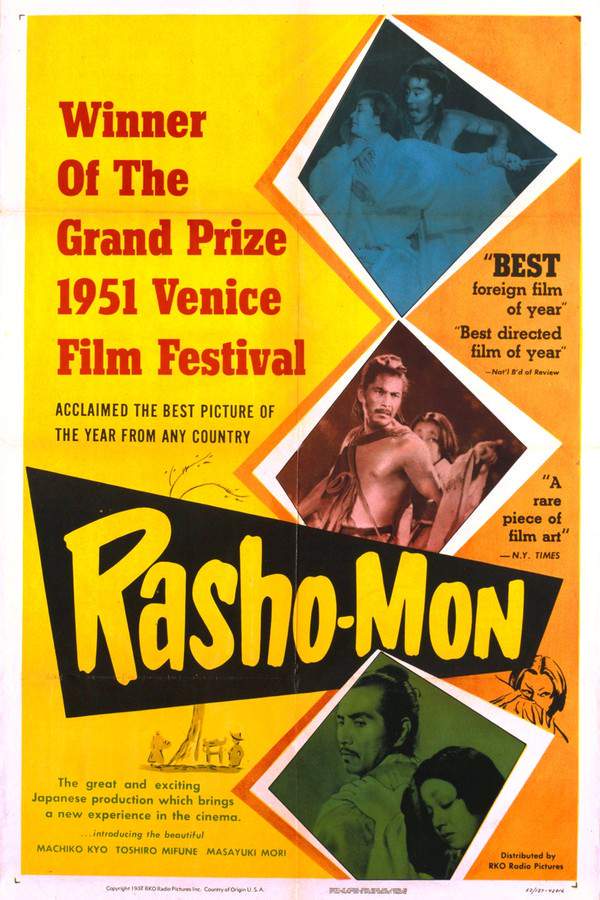
The film never definitively answers this question. Four different accounts exist: the bandit claims he killed Wakefield in a duel after the assault, Nina claims she killed her husband after he accused her of luring the bandit, an old Indian shaman claims Wakefield used a jeweled dagger to commit suicide, and the prospector offers yet another perspective. The ambiguity is central to the film's exploration of truth and memory.
The film presents four contrasting testimonies to explore how memory, motive, and bias shape truth. Each witness, the bandit, Nina, the shaman, and the prospector, has different motivations for their account. The conflicting versions serve as the film's core theme: truth in a courtroom, and possibly in life, is elusive when different narratives collide.
The narrative's structure deliberately builds toward this uncertainty from the opening scene.
Nina testified that she killed Colonel Wakefield after he accused her of luring the bandit and provoking the assault. Her account reframes the violence as her own act, possibly revenge or self-defense, rather than the bandit's doing. Whether her testimony reflects reality or is another layer of the competing narratives remains unclear.
Carrasco deceived Colonel Wakefield into believing he knew the location of a lost Aztec treasure. This false promise of wealth is what bound Wakefield to the bandit's scheme and ultimately led to the violence at the station. The treasure legend amplifies the stakes and colors every retelling of the events in the courtroom.
The treasure deception happens before the assault and sets the entire tragedy in motion.
The film deliberately leaves the truth uncertain because its purpose is not to solve the mystery but to study how narrative reliability works. By presenting four conflicting accounts without resolution, the movie explores how memory distorts events and how truth becomes shaped by motive and bias. The ambiguity is the point.
The shaman testified that neither the bandit's nor Nina's versions were true. He claimed Colonel Wakefield used a jeweled dagger to take his own life rather than be killed by another. This account introduces suicide as an alternative explanation and challenges both previous narratives directly.
Three travelers, a preacher, prospector, and con man, convened at a decrepit railroad station in 1870s Arizona, where they became witnesses to a crime involving the bandit Carrasco. The station meeting drew them into a legal case tied to the treasure deception, which escalated into assault and a murder that would be debated in court.
Despite the conflicting testimonies and uncertain truth about who killed Wakefield, Carrasco was found guilty and condemned. The legal system reached a verdict based on the presented accounts, but the film notes this resolves only the legal question while leaving deeper questions about actual truth and responsibility unanswered.
The prospector offers a fourth, distinctly different perspective on the events at the station. His account adds another layer of doubt about what actually occurred, further complicating the jury's task of determining truth. The prospector's perspective is the final piece that makes reconciliation of the events impossible.
Discover curated groups of movies connected by mood, themes, and story style. Browse collections built around emotion, atmosphere, and narrative focus to easily find films that match what you feel like watching right now.
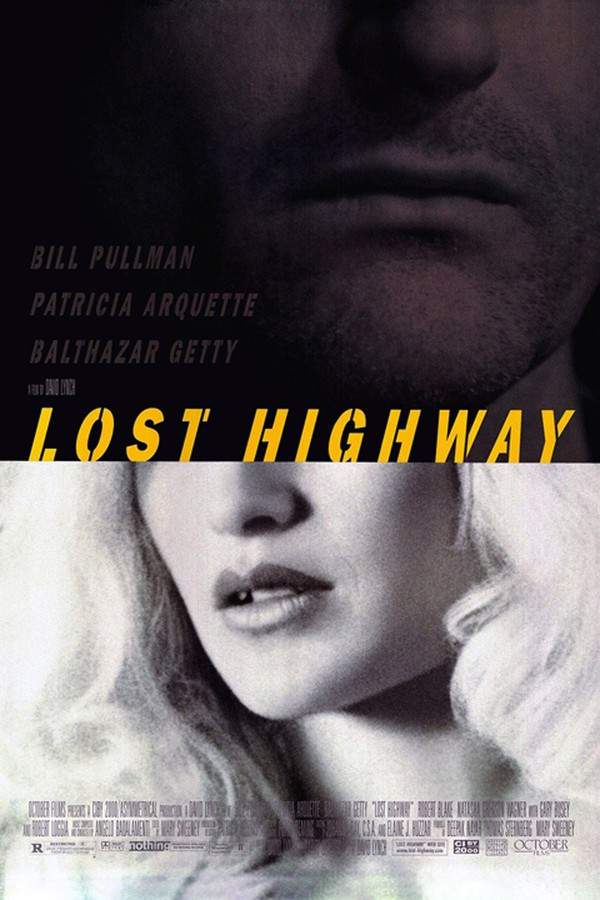
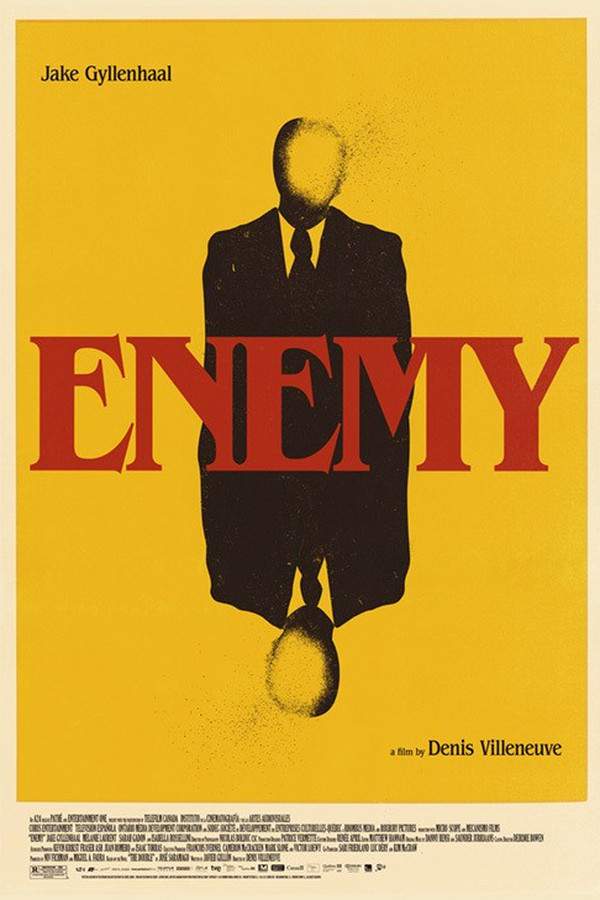
Stories where multiple perspectives challenge the very nature of reality and truth.If you were captivated by the conflicting testimonies in The Outraged, explore more movies that challenge perception. These films use unreliable narrators and shifting perspectives to create suspenseful, thought-provoking stories where the truth is fragmented and ambiguous.
Narratives in this thread typically revolve around a central, often traumatic, event recounted from multiple, contradictory points of view. The plot structure is non-linear or fragmented, deliberately withholding a definitive answer and leaving the audience to construct their own interpretation of the events.
These films are grouped together because they share a core narrative device: the deliberate distortion of truth. They create a specific kind of tension that is intellectual and psychological, focusing on the ambiguity of memory, perception, and morality rather than physical action.

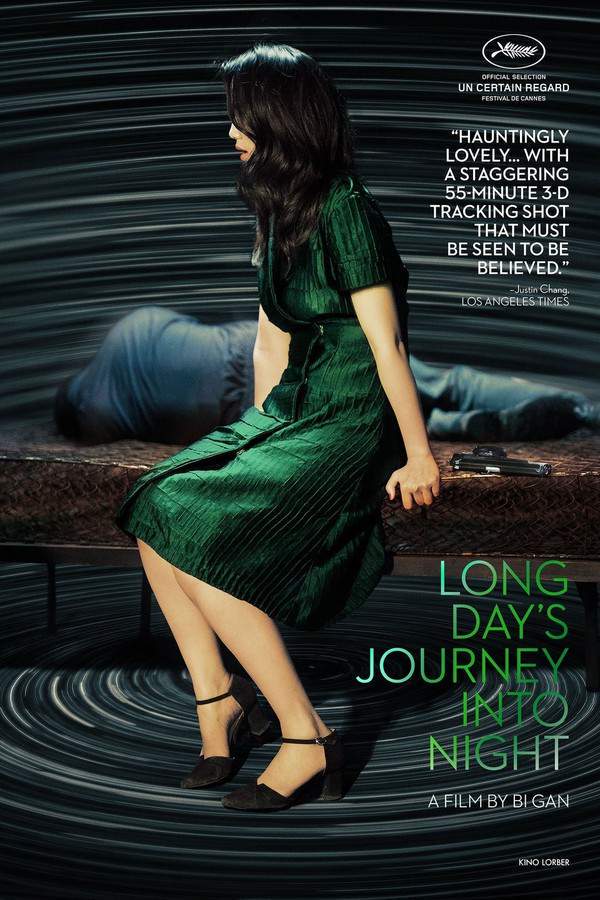
Deliberate films that use a personal story to expose systemic flaws and injustices.Fans of The Outraged's deliberate exploration of protest and injustice will appreciate these similarly paced films. These movies use a slow, thoughtful approach to dissect complex social issues, leaving a heavy emotional impact and a call for reflection.
These stories often follow an individual or small group navigating a corrupt or broken system. The narrative unfolds slowly, emphasizing atmosphere and thematic depth over plot twists. The journey is typically melancholic and introspective, prioritizing a nuanced critique of societal structures over a clear resolution.
These films share a specific mix of slow pacing, a dark or somber tone, and a focus on heavy, complex themes. The similarity lies in the overall experience: a contemplative and emotionally demanding watch that challenges the viewer to think critically about the world.
Don't stop at just watching - explore The Outraged in full detail. From the complete plot summary and scene-by-scene timeline to character breakdowns, thematic analysis, and a deep dive into the ending - every page helps you truly understand what The Outraged is all about. Plus, discover what's next after the movie.
Read a complete plot summary of The Outraged, including all key story points, character arcs, and turning points. This in-depth recap is ideal for understanding the narrative structure or reviewing what happened in the movie.
Discover the characters, locations, and core themes that shape The Outraged. Get insights into symbolic elements, setting significance, and deeper narrative meaning - ideal for thematic analysis and movie breakdowns.