Year: 2012
Runtime: 90 mins
Language: French
Director: Tony Gatlif
Documentary about the protest movement that swept across Europe in 2011, from the point of view of an illegal immigrant about his experiences in the movement.
Warning: spoilers below!
Haven’t seen The Outraged yet? This summary contains major spoilers. Bookmark the page, watch the movie, and come back for the full breakdown. If you're ready, scroll on and relive the story!
Explore the full timeline and setting of The Outraged (2012). Follow every major event in chronological order and see how the environment shapes the story, characters, and dramatic tension.
Last updated: February 17, 2026 at 17:09
Meet the key characters of The Outraged (2012), with detailed profiles, motivations, and roles in the plot. Understand their emotional journeys and what they reveal about the film’s deeper themes.
Last updated: February 17, 2026 at 17:09
Explore the central themes of The Outraged (2012), from psychological, social, and emotional dimensions to philosophical messages. Understand what the film is really saying beneath the surface.
Last updated: February 17, 2026 at 17:09
Browse frequently asked questions about The Outraged (2012) focused on characters, relationships, themes, symbols, setting, and story context. This movie info FAQ gives spoiler-aware explanations for character arcs, world details, and thematic interpretation so readers can better understand what the film is really about.
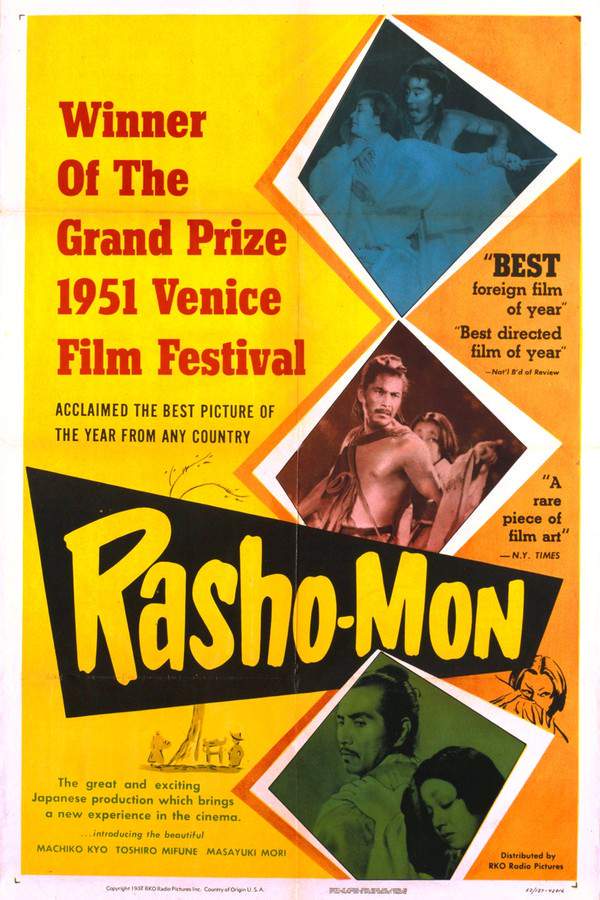
The film takes place at a decrepit railroad station in the Southwestern United States during the 1870s. This harsh desert setting with aging rails creates a stark, liminal space where truth, rumor, and dangerous ambitions collide.
The story is set in the 1870s, during the rough-and-tumble era of the American West. This period of frontier expansion and lawlessness provides the backdrop for a drama driven by treasure myths, bold schemes, and conflicts between aristocratic status and rough-hewn cunning.
Three witnesses offer sharply divergent versions of what happened, turning the case into a study of truth versus memory. The narrative treats eyewitness accounts as fragile and easily manipulated by motive and perspective. Viewers are drawn into weighing competing narratives rather than finding a single clear truth.
The old shaman's interjection foreshadows how each character's account can be unsettled by different perspectives.
The legend of a lost Aztec treasure drives the motives of several characters, revealing how greed shapes actions and judgments. Carrasco exploits the treasure myth to manipulate Wakefield, whose wealth-seeking makes him vulnerable to deception. The pursuit of riches becomes a catalyst for violence and deceit.
The treasure legend introduced early creates false expectations that later unravel as characters reveal their hidden motives.
The disparate testimonies about assault, murder, and suicide create persistent moral ambiguity. Each account hints at hidden motives while refusing to confirm or deny others' versions. The trial becomes less about guilt and more about how truth is constructed under pressure, with justice appearing provisional or contested.
Juan Carrasco is the notorious bandit at the center of the case. He is cunning and manipulative, using the treasure legend to maneuver others. He presents his own version of events, including the assault on Nina and the framing of Wakefield's death. His role as both instigator and storyteller keeps the truth in flux.
Colonel Wakefield is an aristocratic Southerner whose greed and arrogance draw him into a dangerous scheme with Carrasco. He is deceived into believing there is treasure, and his fate becomes sealed by the dramatic turn of events at the station. He embodies the era's blend of wealth, pride, and vulnerability to deception.
Nina Wakefield is the colonel's wife who asserts that she killed her husband in response to his accusations and Carrasco's influence. Her testimony becomes a key pivot in the conflicting accounts surrounding the case. Her groomed outward appearance masks a turbulent motive as she navigates blame, loyalty, and self-preservation.
The Prospector is a disillusioned, cunning figure who provides a completely different account from the other witnesses. His perspective adds another layer of unreliability to the courtroom drama, underscoring the theme that everyone has something to gain from the outcome. His observations complicate the pursuit of a single truth.
The Old Indian Shaman serves as the fourth witness whose version challenges all others. He asserts that the colonel used a jeweled dagger to take his own life rather than being killed by others. His account stands apart from the material witnesses, intensifying the mystery and highlighting cultural perspectives on fate and ritual interpretation.
The film presents four differing accounts of the same event, forcing viewers to actively piece together the truth without a definitive answer. This structure creates an ambiguous ending where no single truth emerges. The narrative complexity stems from unreliable narration and conflicting perspectives that create heavy emotional weight.
The frontier setting amplifies the tension between truth and manipulation, making justice feel provisional and contested. The 1870s American West, with its lawlessness and bold schemes, intensifies the sense that moral boundaries are fluid. The harsh desert environment mirrors the moral descent of characters pursuing treasure and revenge.
Discover curated groups of movies connected by mood, themes, and story style. Browse collections built around emotion, atmosphere, and narrative focus to easily find films that match what you feel like watching right now.
Stories where multiple perspectives challenge the very nature of reality and truth.If you were captivated by the conflicting testimonies in The Outraged, explore more movies that challenge perception. These films use unreliable narrators and shifting perspectives to create suspenseful, thought-provoking stories where the truth is fragmented and ambiguous.
Narratives in this thread typically revolve around a central, often traumatic, event recounted from multiple, contradictory points of view. The plot structure is non-linear or fragmented, deliberately withholding a definitive answer and leaving the audience to construct their own interpretation of the events.
These films are grouped together because they share a core narrative device: the deliberate distortion of truth. They create a specific kind of tension that is intellectual and psychological, focusing on the ambiguity of memory, perception, and morality rather than physical action.
Deliberate films that use a personal story to expose systemic flaws and injustices.Fans of The Outraged's deliberate exploration of protest and injustice will appreciate these similarly paced films. These movies use a slow, thoughtful approach to dissect complex social issues, leaving a heavy emotional impact and a call for reflection.
These stories often follow an individual or small group navigating a corrupt or broken system. The narrative unfolds slowly, emphasizing atmosphere and thematic depth over plot twists. The journey is typically melancholic and introspective, prioritizing a nuanced critique of societal structures over a clear resolution.
These films share a specific mix of slow pacing, a dark or somber tone, and a focus on heavy, complex themes. The similarity lies in the overall experience: a contemplative and emotionally demanding watch that challenges the viewer to think critically about the world.
Don't stop at just watching - explore The Outraged in full detail. From the complete plot summary and scene-by-scene timeline to character breakdowns, thematic analysis, and a deep dive into the ending - every page helps you truly understand what The Outraged is all about. Plus, discover what's next after the movie.
Read a complete plot summary of The Outraged, including all key story points, character arcs, and turning points. This in-depth recap is ideal for understanding the narrative structure or reviewing what happened in the movie.
Track the full timeline of The Outraged with every major event arranged chronologically. Perfect for decoding non-linear storytelling, flashbacks, or parallel narratives with a clear scene-by-scene breakdown.