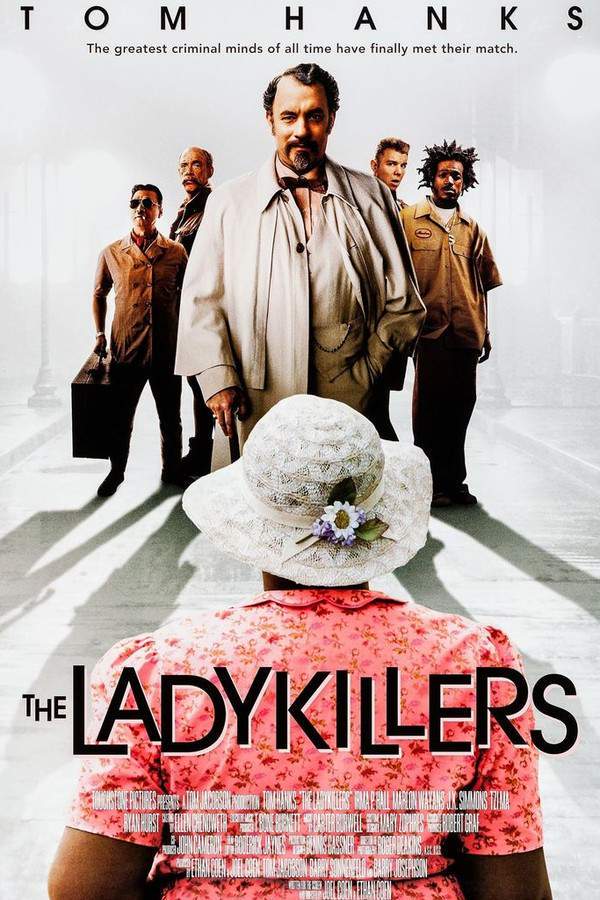
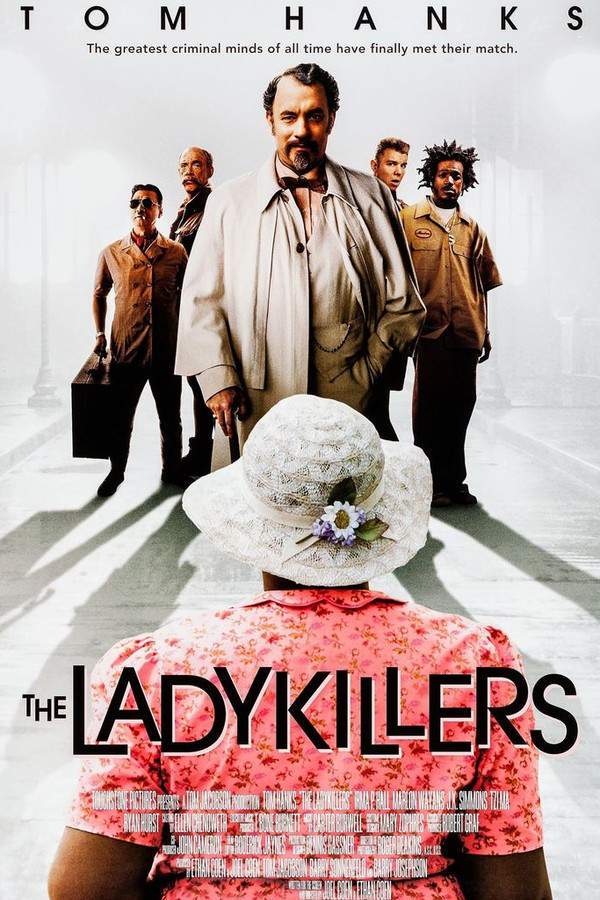
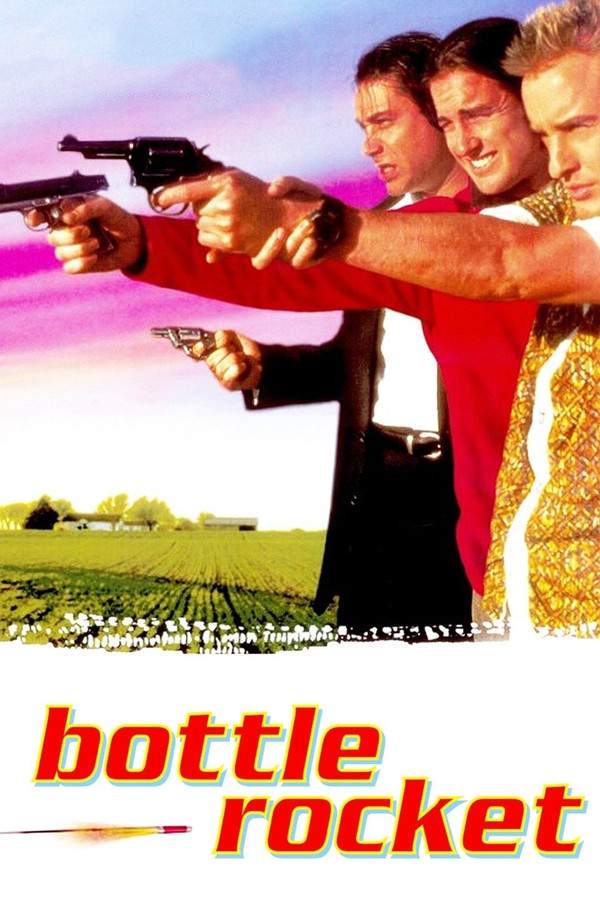
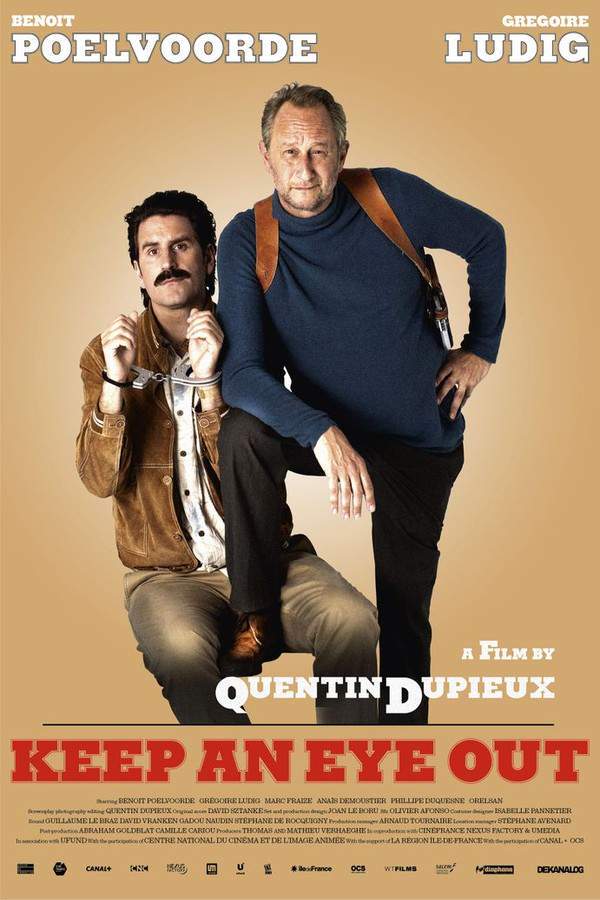
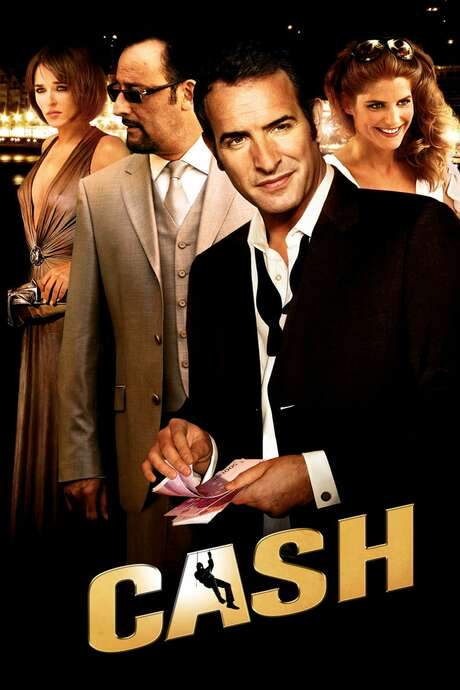
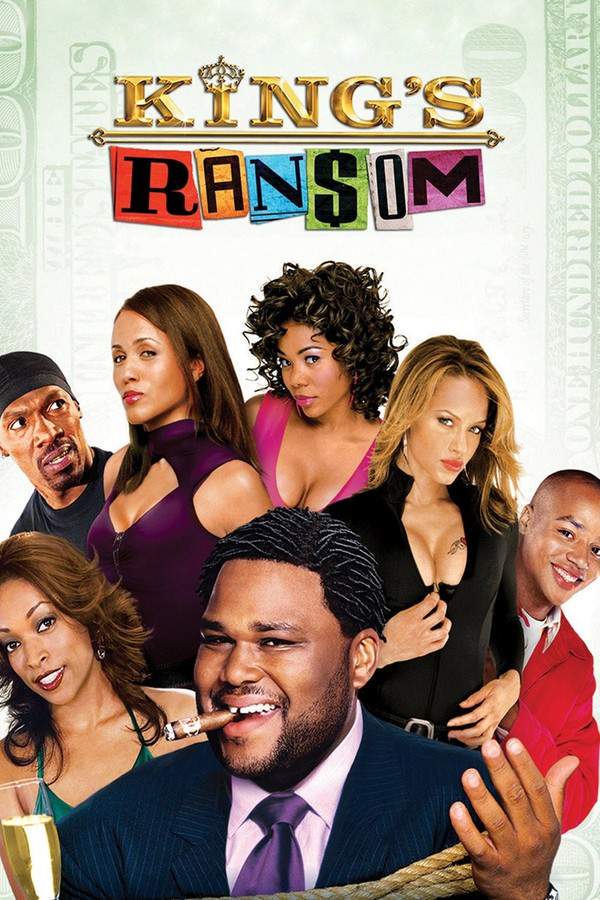
Four bored beach bums from Miami drift along the sun-washed shore, craving a real thrill beyond their idle days. Their curiosity turns dangerous when they spot kids playing with toy pistols, and when one child darts into a house, they stumble upon the owner: Roc Delmonico, a onetime gangster who has since stepped away from crime to run a legitimate business. Roc Delmonico is wary but not hostile, and he tries to play it cool, assuming the intrusion is a kidnapping attempt rather than a mistake. The encounter collides with a different kind of rhythm—the shabby, reckless energy of a group of hippies led by Taurus, a gigolo who makes a living off the affections of wealthy women, along with Sureshot, Herby, and Sandy.
What begins as a misjudged kidnapping quickly spirals into a dangerous crossfire of loyalties and greed. The quartet from the beach drags Sandy and Roc Delmonico into a perilous scheme, shoving him into the trunk and driving off into the night. The plan is simple on the surface: demand a ransom of $200,000 and hope the money comes through. But the tension tightens as the adults around Roc—including his unhappy wife, Monica Delmonico, his business partner Fred, and even his former boss Sam—refuse to pay. The money never materializes, and the clock ticks with a chilling stillness that makes the caper feel increasingly doomed.
As the days unfold, Delmonico’s pride becomes a weapon. He’s not the pawn here; he’s the one who will decide the fate of those who treated him as a mere collateral. He escalates the ransom to an audacious three million dollars, vowing to reveal secrets that could ruin Monica, Fred, and Sam. The power shift is swift and unsettling: Roc uses the leverage of his knowledge to force those around him to confront the consequences of their choices, and the line between victim and aggressor blurs in the glare of neon-lit fear.
The tension escalates further as the group contemplates turning on each other. Taurus suggests they end the others and split the spoils, a pragmatic, brutal calculation that robs the kidnapping of any romance left. Roc, however, sees through the ploy, recognizing not only the unreliability of the kidnapper who can’t be trusted but also the bank’s marked bills—evidence that would almost certainly lead to a police trace. It’s a calculation Roc makes with cold clarity: the risk is too great, the trap too tight.
In a final, defiant move, Roc destroys the ransom money rather than let greed seal a cascade of betrayals. He walks away from the wreckage of the plan, leaving the repercussions to unfold without him looking back. The ending lingers in a morally ambiguous void—money burned, loyalties fractured, and a man who has carved out a vague, solitary future from the ruins of a scheme that never truly fit him. Who knows?
> Who knows?