Plot Explained Spoilers guaranteed!
Plot Explained

Browse by genre

The Conviction (1991) movie poster

Characters & Themes

The Conviction (1991) Characters, Setting & Themes Explained

Release, runtime and language
1991 · 92 mins · Italian
Directed by
Marco Bellocchio
Starring
Maria Schneider, Andrzej Seweryn, Grażyna Szapołowska, Paolo Graziosi, Claire Nebout, Tatiana Winteler

When a young woman and her art professor become locked inside a castle‑museum after nightfall, a tense encounter follows. After a brief struggle she consents to intercourse, but later sues him for rape. The professor must then prove his innocence.

On this page (7)
  1. 1 Characters explained (4)
  2. 2 Where & when it takes place
  3. 3 Themes & meaning (3)
  4. 4 Character & meaning questions
  5. 5 Movie threads
  6. 6 Movies like The Conviction
  7. 7 Every angle

4 main characters · contains spoilers

The Conviction Characters Explained: Who Is Who

The main characters of The Conviction (1991), heroes and villains: what drives them, how they change over the course of the story and what each of them reveals about the film's bigger ideas.

  • Sandra Celestini (Claire Nebout)

    A college student on an art-class field trip who finds herself trapped in a museum overnight with Lorenzo. The encounter becomes the catalyst for a rape charge, revealing her vulnerability and desire for agency in the wake of coercive power. Her pursuit of justice drives the courtroom drama and exposes the emotional toll of the case.

    • 💔 Victim
    • ⚖️ Trial
    • 🧭 Consent
  • Lorenzo Colajanni (Vittorio Mezzogiorno)

    An architect who befriends Sandra and seduces her, then defends his actions by arguing that Sandra's pleasure equates to consent. He displays arrogance and a willingness to rationalize wrongdoing, testing the boundaries of consent and accountability. Ultimately convicted, his case becomes a focal point for debates about sexual violence.

    • 🗝️ Manipulation
    • 🧠 Psychology
    • ⚖️ Justice
  • Giovanni (Andrzej Seweryn)

    The state attorney who prosecutes Lorenzo, emphasizing the question of consent and coercion. His courtroom victory is tempered by personal life tensions, since his wife Monica is dissatisfied in their marriage. The film contrasts his professional triumph with private consequences, and he encounters Sandra at a party after the trial.

    • ⚖️ Justice
    • 🗣️ Public perception
    • 💬 Prosecution
  • Monica (Grażyna Szapołowska)

    Giovanni's wife, who feels sexually dissatisfied and longs for a more aggressive partner. Her reaction to the trial's outcome drives her to leave Giovanni, illustrating how sexual politics spill into intimate life. Her arc exposes how gender expectations and personal longing influence views on justice.

    • 💬 Relationship dynamics
    • 💔 Separation
    • 🗞️ Media

Last updated: January 28, 2026 at 12:40

Was this helpful?

Setting

Where and When Does The Conviction Take Place?

The setting of The Conviction (1991): the year and time period, the places and locations, and how they shape the characters, the mood and the tension of the story.

Time period

Location

Museum

The central locale is a museum where Sandra is trapped overnight with Lorenzo. The sterile galleries and quiet halls create a claustrophobic backdrop for their encounter and the later confrontation. The setting underscores the tension between public display and private actions, highlighting how space can influence power dynamics.

  • 🎨 Art
  • 🏛️ Setting

Last updated: January 28, 2026 at 12:40

Was this helpful?

3 major themes

The Conviction Meaning: Themes & Message Explained

What is The Conviction (1991) really about? The emotional, social and philosophical themes the film keeps returning to, its symbolism and the message beneath the surface.

  • Consent

    The film centers on a controversial definition of consent, framing sexual interaction as a matter of interpretation rather than a straightforward yes. Lorenzo asserts that Sandra's orgasm implies consent, sparking a legal and moral debate. The courtroom exchange probes how power, persuasion, and gender dynamics shape perceptions of consent. The narrative challenges simplistic readings of 'agreement' in intimate encounters.

  • Power dynamics

    Lorenzo's charm and professional status as an architect are used to manipulate Sandra and pressure her into sex. The case exposes how social status and charisma can distort accountability and fuel justifications for coercion. Giovanni's prosecutorial approach contrasts private desires with public law, highlighting tension between personal relationships and legal definitions. The outcome reverberates beyond the courtroom, affecting those close to the case.

  • Public perception

    Public opinion oscillates between condemnation and defense of the verdict, revealing how society negotiates accountability in cases of sexual violence. Monica's reaction illuminates how marital dissatisfaction and gender norms intersect with the trial's conclusions. The media and social circles shape the narrative, influencing whether the law is seen as just or flawed. The film uses these threads to question the reach of legal justice into personal lives.

Last updated: January 28, 2026 at 12:40

Was this helpful?

Character & theme questions

The Conviction Characters & Meaning: Your Questions Answered

The questions people ask about The Conviction (1991): who the characters really are, their relationships, what the symbols mean, where it takes place and what the movie is really about. Each answer contains spoilers.

Q1

What is the significance of the museum setting?

The museum serves as the primary location where Sandra becomes trapped overnight with Lorenzo. Its sterile galleries and quiet halls create a claustrophobic atmosphere that intensifies the encounter. The setting underscores the tension between public display and private actions, highlighting how space can influence power dynamics between the characters.

  • museum setting
  • castle
  • art
  • trapped
  • claustrophobic
Q3

How are power dynamics portrayed between Lorenzo and Sandra?

Lorenzo uses his charm and professional status as an architect to manipulate Sandra and pressure her into sex. The film exposes how social status and charisma can distort accountability and fuel justifications for coercion. His rationalization that physical pleasure equals consent illustrates how those in positions of power can exploit gray areas in consent laws.

  • power
  • manipulation
  • architect
  • seduction
  • coercion
  • status
Q4

What role does public perception play in the story?

Public opinion oscillates between condemnation and defense of the verdict, revealing how society negotiates accountability in cases of sexual violence. The media and social circles shape the narrative, influencing whether the law is seen as just or flawed. The film questions the reach of legal justice into personal lives and how public opinion impacts those involved in high-profile cases.

  • public opinion
  • media
  • trial
  • verdict
  • society
  • accountability
Q5

Who is Sandra and what is her role in the film?

Sandra Celestini is a college student on an art-class field trip who becomes trapped in the museum overnight with Lorenzo. The encounter becomes the catalyst for a rape charge, revealing her vulnerability and her desire for agency in the face of coercive power. Her pursuit of justice drives the courtroom drama and exposes the emotional toll that legal proceedings have on survivors.

  • sandra
  • student
  • art
  • victim
  • survivor
  • justice
Q6

Who is Lorenzo and what motivates his actions?

Lorenzo Colajanni is an architect who befriends Sandra during the museum encounter and later defends his actions by arguing that her physical pleasure equates to consent. He displays arrogance and a willingness to rationalize wrongdoing, testing the boundaries of consent and accountability. His conviction becomes a focal point for broader societal debates about sexual violence and culpability.

  • lorenzo
  • architect
  • consent defense
  • rationalization
  • conviction
Q7

Who is Giovanni and what is his role in the trial?

Giovanni is the state attorney who prosecutes Lorenzo, emphasizing the questions of consent and coercion in the courtroom. His professional victory is complicated by personal tensions, as his wife Monica feels sexually dissatisfied in their marriage. The film contrasts his professional success with private consequences, showing how legal triumphs do not always translate to personal fulfillment.

  • giovanni
  • prosecutor
  • attorney
  • courtroom
  • trial lawyer
Q8

Who is Monica and what is her significance to the story?

Monica is Giovanni's wife who feels sexually dissatisfied and longs for a more aggressive partner. Her reaction to the trial's outcome drives her to leave Giovanni, illustrating how sexual politics and gender expectations spill into intimate relationships. Her arc exposes how personal longing and marital dissatisfaction influence perspectives on justice and consent cases.

  • monica
  • wife
  • gender
  • sexuality
  • marriage
  • dissatisfaction
Q9

How does the film address gender expectations and justice?

The film explores how gender norms shape both the trial's outcome and personal reactions to it. Monica's dissatisfaction with her marriage and her eventual departure highlight how gender expectations influence views on justice. The prosecution's success is undercut by public disapproval and the personal tragedies of those involved, leaving a sense that legal justice and societal understanding remain disconnected.

  • gender norms
  • justice
  • expectations
  • marriage
  • societal views
Q10

What does the museum represent symbolically?

The museum represents a space where public display meets private vulnerability. Its quiet halls and sterile galleries create an environment where power imbalances become intensified. The contrast between the museum's role as a place of culture and education with the intimate encounter that occurs there highlights the film\'s examination of how spaces can both protect and expose individuals.

  • symbolism
  • art
  • culture
  • vulnerability
  • space
  • power

Movie threads

More Movies Like The Conviction, by Mood & Story

Curated lists built around what makes The Conviction tick: the same mood, the same kind of story or the same emotional payoff. Each list explains why these movies belong together.

Movies exploring moral dilemmas like The Conviction

Stories that explore ambiguous ethics and the heavy consequences of human actions. If you appreciated the exploration of consent and perspective in The Conviction, this thread features films with similar heavy moral themes. These movies challenge audiences with ambiguous conflicts and intense legal or personal reckonings, often featuring bleak or bittersweet resolutions.

  • unsettling
  • psychological
  • grim
  • somber
  • moral ambiguity
  • tense
  • Tone: tense, grim, morally ambiguous
  • Pacing: steady, deliberate
Why these movies?

The story pattern: Films in this thread typically follow a linear structure that begins with a morally ambiguous incident, leading to a protracted and intense conflict—often legal or deeply personal. The journey forces characters and viewers alike to confront difficult truths about perception, justice, and the fallibility of human judgment.

Why they belong together: These films are grouped together because they share a focus on heavy emotional themes, a tense and grim atmosphere, and a deliberate pacing that allows for deep exploration of ethical complexity. They all provoke thoughtful discussion rather than providing easy answers.
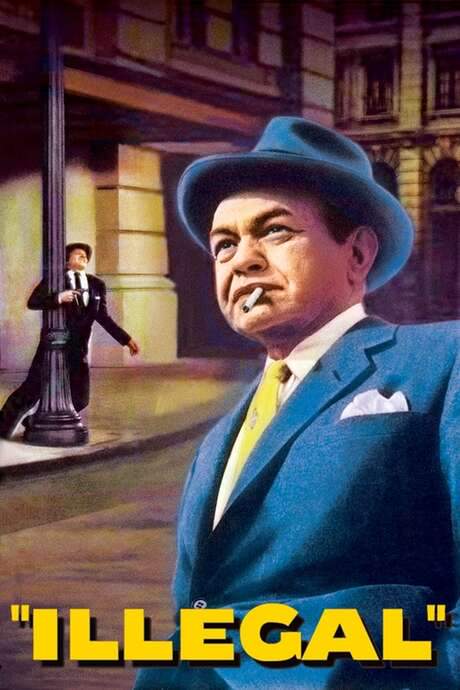
Psychological legal dramas with tense atmospheres like The Conviction

Intense legal battles that delve deep into the psyches of the accuser and accused. For viewers who enjoyed the tense courtroom drama and psychological exploration in The Conviction, this collection highlights films where the legal process becomes a battleground for personal trauma and truth. Expect steady pacing, high emotional stakes, and often bittersweet conclusions.

  • courtroom drama
  • psychological
  • tense
  • unsettling
  • betrayal
  • legal thriller
  • Tone: tense, unsettling, somber
  • Pacing: steady
Why these movies?

The story pattern: The narrative pattern involves a traumatic event leading directly into a high-stakes legal confrontation. The story alternates between the courtroom's formal tension and the unraveling personal lives of those involved, building towards a resolution that often leaves lasting emotional scars and a sense of imperfect justice.

Why they belong together: These movies are connected by their shared focus on the psychological dimensions of legal conflicts, a steady and tense pacing that builds unease, and a heavy emotional tone stemming from themes like betrayal and manipulation within a formal system.

If you liked this

Movies Like The Conviction

Similar movies to The Conviction: the same genre, themes or kind of story. Each one comes with its own plot summary, timeline and ending explained.

Browse all movie summaries

Every angle

The Conviction (1991) Explained: Plot, Timeline & Characters

Everything about The Conviction in one place: what happens in the plot summary, the timeline in chronological order, the characters and meaning and a spoiler-free summary. What's After the Movie adds the cast, box office and post-credit scenes.

Coming soon on iOS and Android

The Plot Explained Movie Summary App

Plot summaries, endings explained and timelines on your phone. Catch up on any movie in minutes, save your favorites and never miss a twist again.

Be the first to know when we launch. Your email stays private, always.

Learn more about the app