Year: 2016
Runtime: 89 mins
Language: English
Directors: Alex Helfrecht, Jörg Tittel
In a harsh, isolated dictatorship, twelve-year-old Djata enjoys a carefree life until his father, Peter, is imprisoned by the government. Branded as traitors, Djata and his mother, Hannah, face immense hardship. Determined to reunite with his father, the boy embarks on a journey fueled by resilience and a refusal to surrender to despair, confronting the challenges of a repressive regime.
Warning: spoilers below!
Haven’t seen The White King yet? This summary contains major spoilers. Bookmark the page, watch the movie, and come back for the full breakdown. If you're ready, scroll on and relive the story!
Explore the full timeline and setting of The White King (2016). Follow every major event in chronological order and see how the environment shapes the story, characters, and dramatic tension.
Last updated: October 04, 2025 at 07:58
Meet the key characters of The White King (2016), with detailed profiles, motivations, and roles in the plot. Understand their emotional journeys and what they reveal about the film’s deeper themes.
Last updated: October 04, 2025 at 07:58
Explore the central themes of The White King (2016), from psychological, social, and emotional dimensions to philosophical messages. Understand what the film is really saying beneath the surface.
Last updated: October 04, 2025 at 07:58
Browse frequently asked questions about The White King (2016) focused on characters, relationships, themes, symbols, setting, and story context. This movie info FAQ gives spoiler-aware explanations for character arcs, world details, and thematic interpretation so readers can better understand what the film is really about.
Homeland is a closed, authoritarian enclave where the regime tightly monitors its citizens. The outside world is cut off, people are blacklisted, and life is governed by propaganda and fear. The environment is bleak, and loyalty to the regime is enforced through coercion and surveillance.
The story unfolds in a near-future dystopia where technology and surveillance reinforce a rigid social order. Daily life is shaped by fear, repression, and the manipulation of information, hinting at a society on the edge of upheaval.
A totalitarian state enforces loyalty through fear, surveillance, and blacklisting. Government agents and officials manipulate truth, while civilians rely on personal networks to resist. The film follows Djata as he confronts coercion from adults who wield power, from his grandparents to the authorities.
Djata's bond with his mother Hannah drives his courage and persistence. The family navigates danger, poverty, and repressive rules while trying to stay together and protect one another. The search for his father strengthens their resolve and exposes the costs of dissent.
Djata's early curiosity and moral choices become a test of character in a harsh world. He learns to question the regime, assess risk, and make sacrifices for those he loves. His journey is as much about personal growth as it is about survival.
The regime propagates a curated reality, while individuals like Pickaxe and Colonel Fitz reveal cracks in the official narrative. Djata discovers that the promised treasure is a decoy for secrets and that loyalty can be manipulated. Conflicting loyalties among the powerful expose the fragility of truth in Homeland.
Djata is a resourceful 12-year-old who navigates a dangerous, controlled world with curiosity and bravery. He is torn between filial love, his desire for truth, and the need to protect his mother. His determination to find his father drives him into increasingly risky situations.
Peter is Djata's father, a truth-seeker who spoke of Homeland's true nature and the treasure. His disappearance and arrest reveal the regime's brutality and the personal cost of dissent. His memory fuels Djata's resolve to find him.
General Meade is a high-ranking official who embodies the regime's authority. She both uses and resists the regime's demands, reflecting the complexity of power in Homeland. Her interactions with Djata's family reveal the human cost of control.
Colonel Fitz is a seasoned officer who outwardly serves Homeland while privately hating its cruelty. His conversation with Djata hints at escape and the possibility of reform from within the system. He collapses from a heart attack while trying to help the family.
Pickaxe is an enigmatic guardian of Homeland's secrets, disfigured with no eyes. He guides Djata on a perilous quest and embodies the murky morality at the edge of the regime. His farewell encounter underscores the price of truth.
The regime maintains control through constant surveillance, blacklisting, and propaganda. Loyalty is enforced through coercion, and citizens live in fear of punishment. The manipulation of information creates a curated reality where truth is fragile and easily distorted.
Discover curated groups of movies connected by mood, themes, and story style. Browse collections built around emotion, atmosphere, and narrative focus to easily find films that match what you feel like watching right now.
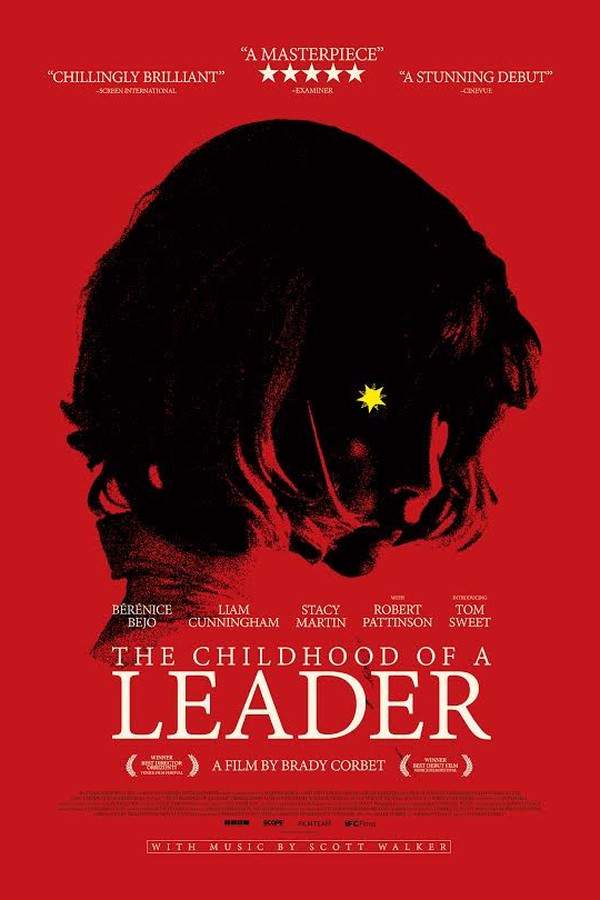
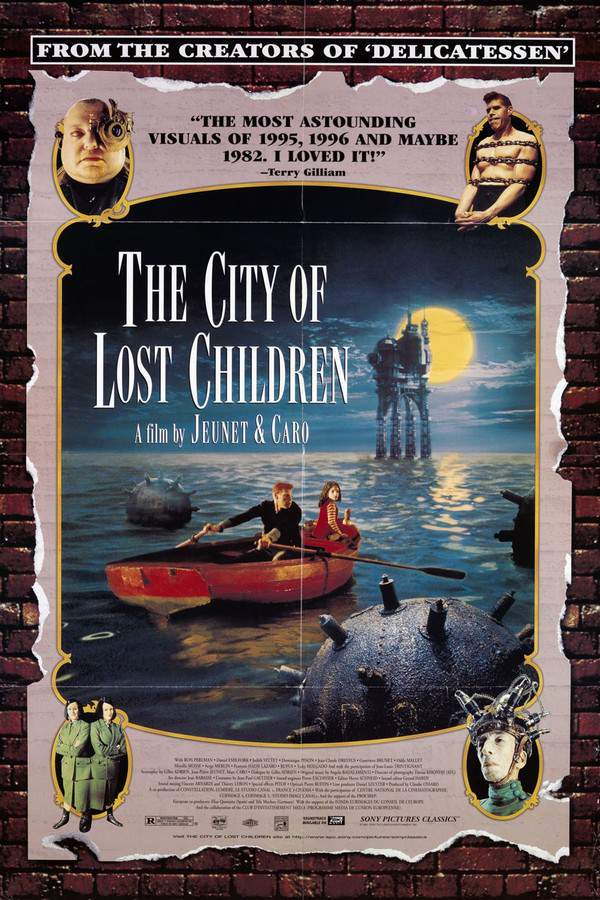
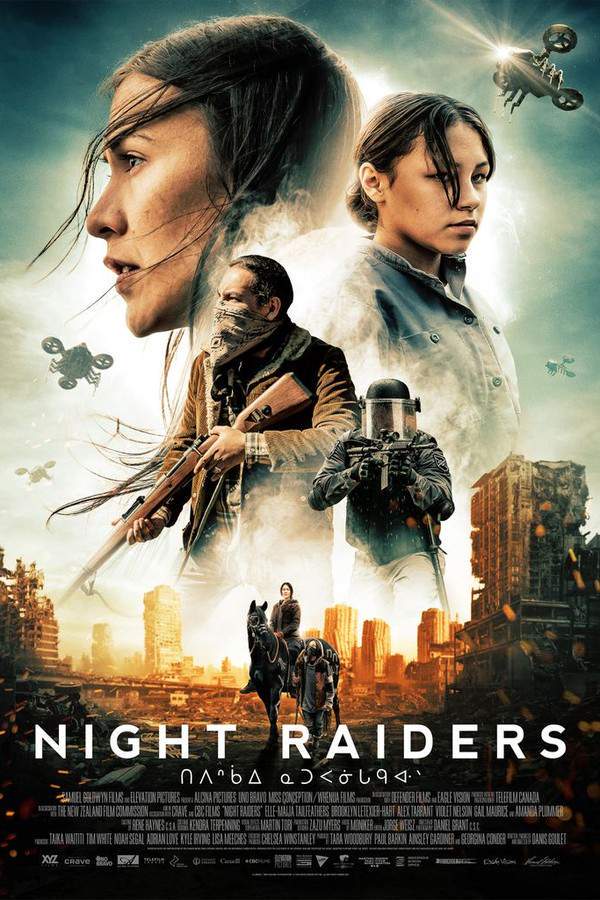
Young protagonists navigate the harsh realities of a repressive political regime.Discover movies like The White King, where a child's perspective illuminates the grim reality of a dystopian regime. If you enjoyed the story of Djata's resilience, you'll find similar emotional journeys in these stories of young characters facing political oppression and losing their innocence.
The narrative pattern follows a child or young adult whose sheltered world is shattered by the intrusion of a tyrannical political system. Their journey is one of disillusionment, as they are forced to grow up quickly, often taking on adult responsibilities or risks in a desperate attempt to survive or protect their family, all while grappling with a world that has betrayed their trust.
Movies are grouped here by their central focus on a child's-eye view of dystopia. They share a heavy emotional weight, a dark tone punctuated by moments of youthful defiance, and a thematic exploration of how political oppression fundamentally alters and steals childhood.
Stories of quiet, persistent defiance against overwhelming state power.If you liked the methodical, character-driven tension of The White King, explore these similar dystopian dramas. These films feature a steady pacing, high emotional stakes, and a focus on the psychological toll of resisting a repressive regime, rather than fast-paced action.
The narrative unfolds not with rapid plot twists, but through a series of escalating hardships and moral challenges faced by ordinary people. The conflict is often psychological, pitting individual resilience against the slow, crushing weight of institutional control. The story builds tension through atmosphere and character endurance, leading to endings that are often ambiguous or bittersweet, reflecting the ongoing nature of the struggle.
These films are connected by their specific blend of a dystopian setting, a steady and deliberate narrative pace, and a high-intensity emotional focus on survival and quiet resistance. They prioritize psychological realism over spectacle, creating a consistently anxious and heavy viewing experience.
Don't stop at just watching - explore The White King in full detail. From the complete plot summary and scene-by-scene timeline to character breakdowns, thematic analysis, and a deep dive into the ending - every page helps you truly understand what The White King is all about. Plus, discover what's next after the movie.
Read a complete plot summary of The White King, including all key story points, character arcs, and turning points. This in-depth recap is ideal for understanding the narrative structure or reviewing what happened in the movie.
Track the full timeline of The White King with every major event arranged chronologically. Perfect for decoding non-linear storytelling, flashbacks, or parallel narratives with a clear scene-by-scene breakdown.