Plot Explained Spoilers guaranteed!
Plot Explained

Browse by genre

The White Balloon (1995) movie poster

Timeline

The White Balloon (1995) Timeline Explained – Every Event in Order

Release, runtime and language
1995 · 85 mins · Persian
Directed by
Jafar Panahi
Starring
Fereshteh Sadr Orafaee, Aida Mohammadkhani, Anna Borkowska, Mohammad Shahani, Mohsen Kafili, Aliasghar Smadi

Several people try to take advantage of a little girl’s innocence to hustle money her mom gave to her to buy a goldfish with.

On this page (6)
  1. 1 Events in order (12)
  2. 2 Timeline questions answered
  3. 3 Movie threads
  4. 4 Movies like The White Balloon
  5. 5 Categories
  6. 6 Every angle

12 events in order · contains spoilers

The White Balloon Timeline: Events in Chronological Order

Every key event of The White Balloon (1995) in order, scene by scene, with when and where it takes place. Use it to untangle flashbacks, time jumps and parallel storylines, to refresh your memory before the sequel or to find the exact scene you are thinking of.

  1. Nowruz-eve market scene

    On the eve of the Iranian New Year, Razieh and her mother shop in a bustling Tehran market as color and noise fill the air. Razieh spots a goldfish and begs for it, hoping to celebrate Nowruz with a special gift. The scene also foreshadows several major characters who will appear later in the story.

    When
    Evening, Nowruz Eve
    Where
    Tehran market
  2. Home tension and the last money

    Back home, Razieh's plea for the goldfish clashes with her mother's resolve. Ali returns from a shopping errand, adding to the household tension. The mother hands Razieh the family's last 500 tomans and sends her to fetch the change, setting the quest in motion.

    When
    Evening, Before Nowruz
    Where
    Home
  3. Razieh heads to the fish shop

    Razieh sets off toward the fish shop with an empty jar, determined to secure the goldfish. The route passes familiar market corners and a courtyard where crowds gather for other New Year entertainments. Her mission is simple in intent but fragile in execution.

    When
    Late afternoon
    Where
    From home to fish shop
  4. First loss: money slips away to a snake charmer

    On the way, Razieh loses the money during an encounter with a snake charmer, the coins slipping from her grip into the unpredictable crowd. The innocent mishap underlines the precariousness of a child's holiday wish. She presses on with renewed urgency.

    When
    Late afternoon
    Where
    Market path near snake charmer
  5. Second loss: money falls through a grate

    As she nears her goal, Razieh drops the money through the grate of a shop closed for the New Year. Razieh and Ali frantically search the grate, hoping to retrieve the note. The bustling street around them continues, indifferent to their misfortune.

    When
    Late afternoon
    Where
    Grate at a closed shop entrance
  6. Seeking help from strangers

    The siblings' attempts to recover the money bring them into contact with a kind older woman at the fish shop, nearby shopkeepers, and even an Iranian soldier. Each interaction adds texture to the film's portrayal of a community rallying around a child's quest. The money remains just out of reach.

    When
    Late afternoon
    Where
    Fish shop vicinity and surrounding shops
  7. An Afghan balloon vendor arrives

    A young Afghan street vendor arrives with a three-balloon stick, offering help despite his own precarious position. His appearance introduces a hopeful thread into the otherwise tense scavenger hunt. The balloons symbolize the festive spirit of Nowruz.

    When
    Late afternoon
    Where
    Street near market
  8. Gum-assisted retrieval plan is born

    The group devises a plan to attach chewing gum to the bottom of the balloon stick to retrieve the money from the grate. It marks a turning point from frustration to a clever improvisation born from shared effort. The sense of teamwork grows as the idea takes shape.

    When
    Late afternoon
    Where
    Near the grate
  9. Gum and sticks: a delay and a return

    Ali leaves to buy gum but returns empty-handed, while the Afghan boy briefly steps away and then returns with his stick and a pack of gum. The group’s plan begins to gain momentum as they align their resources. The atmosphere shifts from desperation to cautious optimism.

    When
    Late afternoon
    Where
    Market street
  10. The retrieval succeeds

    With gum attached to the end of the stick, Razieh, Ali, and the Afghan boy reach through the grate and pull the money back up. The immediate crisis is resolved and the siblings can turn toward the next step of their plan. The moment underscores the power of cooperation in a community.

    When
    Afternoon
    Where
    Grate at the closed shop
  11. Heading to buy the goldfish

    Having retrieved the money, the siblings head toward the fish shop to complete the Nowruz gift. Their small victory is tempered by the film's broader focus on kindness and shared fortune.

    When
    Towards evening, Nowruz Eve
    Where
    Fish shop vicinity
  12. Ending shot: Afghan boy at the grate as Nowruz begins

    The film ends with a still image of the Afghan boy sitting by the grate, watching Razieh and Ali depart with the fish. The scene lingers as Nowruz 1374 begins, and the boy eventually rises and walks away, leaving the viewer with a quiet sense of possibility.

    When
    1374 Nowruz start
    Where
    Grate scene

Last updated: October 09, 2025 at 14:12

Was this helpful?

Timeline questions answered

The White Balloon Timeline Explained: Your Questions Answered

When does it happen, and why in that order? The questions people ask about the chronology of The White Balloon (1995): time jumps, flashbacks, cause and effect between scenes and the correct order of events, each answered with spoilers.

Q1

Why does Razieh's mother give her the last 500 tomans to buy a goldfish?

Razieh's mother entrusts her with the family's last 500 toman banknote because the girl has been persistently pleading for a goldfish to brighten their Nowruz celebration. Despite the family's tight budget, evidenced by Ali getting soap instead of shampoo, the mother decides to let Razieh try, believing she can bring back the change. It's a moment where parental patience and the desire to give their child a small festive joy outweigh financial caution.

Foreshadowing: Earlier in the market scene, Razieh spots the goldfish andbegins urging her mother to buy it, establishing her strong desire.

  • razieh
  • mother
  • money
  • goldfish
  • nowruz
  • family budget
Q2

How does Razieh lose the money on her way to the fish shop?

Razieh loses the money twice. First, during an encounter with a snake charmer in the market, the coins slip from her grip into the unpredictable crowd. Then, as she walks through a narrow alley toward the fish shop, she drops the 500 toman note through a grate at the entrance of a store that has closed for New Year's celebrations. The second loss is particularly problematic because the money falls into a space she cannot reach.

Foreshadowing: The market scene establishes the crowded, chaotic nature of the streets Razieh must navigate.

  • money
  • razieh
  • lost
  • grate
  • market
  • snake charmer
Q3

Who is the Afghan balloon vendor and why does he help Razieh and Ali?

The Afghan balloon vendor is a young street child who sells balloons from a wooden stick in the Tehran market. Despite his own precarious position, having only a few balloons left and working as an informal vendor, he voluntarily helps Razieh and Ali recover their lost money. His motivation appears to be simple kindness and community spirit, wanting to assist a child in need during the festive season. He stays throughout the afternoon, contributing his stick and later buying gum for the group.

Foreshadowing: The Nowruz-eve market scene foreshadows several major characters who will appear later, including the Afghan boy.

  • afghan
  • vendor
  • balloon
  • helping
  • razieh
  • ali
  • kindness
Q4

How do the children manage to retrieve the money from the grate?

The children devise a clever improvised solution. Ali proposes attaching chewing gum to the bottom of the balloon stick to create a makeshift hook. They first need to get gum, so Ali leaves to buy some, but when he returns empty-handed, the Afghan boy instead returns with his stick, a single remaining white balloon, and a pack of chewing gum he purchased for the group. They affix the gum to the stick, extend it through the grate, and successfully pull the 500 toman note back up, a moment described as understated yet electric.

  • gum
  • stick
  • grate
  • retrieve
  • money
  • balloon
  • invention
Q5

Why does the film end with a shot of the Afghan boy sitting by the grate?

The final shot lingers on the Afghan boy sitting by the grate with his stick and white balloon as Razieh and Ali return home with their goldfish. This choice emphasizes the broader theme of community, kindness, and the quiet acts of strangers that make ordinary life possible. The boy represents the unseen, marginalized figures in society who still contribute meaningfully to others' happiness. His lingering presence offers a poignant symbol of shared humanity at the start of the new year.

  • afghan boy
  • ending
  • grate
  • symbolism
  • community
  • nowruz
Q6

What happens when Ali leaves to buy gum and returns?

Ali leaves to buy chewing gum for their retrieval plan but returns empty-handed. Meanwhile, the Afghan boy briefly steps away from Razieh but then returns with his stick, a single remaining white balloon, and a pack of gum he purchased for the group. This moment shifts the atmosphere from desperation to cautious optimism, as the group's plan gains momentum through shared resources rather than individual effort.

  • ali
  • gum
  • afghan boy
  • return
  • cooperation
Q7

What is the significance of the white balloon in the film?

The white balloon serves as a symbol of hope and festivity amid practical difficulties. The Afghan boy arrives with only a few balloons left on his stick, and the single remaining white balloon becomes central to their successful mission. At the film's end, the boy sits with his stick and the white balloon, creating a visual symbol of a child who has helped brighten someone else's celebration while remaining somewhat marginalized himself. The balloon represents the fragile yet meaningful connections between strangers.

  • white balloon
  • symbol
  • hopeness
  • afghan boy
  • celebration
Q8

Why do the strangers in the market help Razieh recover her money?

Various strangers, including a kind older woman at the fish shop, nearby shopkeepers, and an Iranian soldier, offer assistance to Razieh and Ali during their quest. Their motivations vary: some show simple compassion for a child's plight, others respond to the persistence of the siblings. The film portrays these interactions as part of the social orchestra of Nowruz, where community bonds surface during the festive season. Each encounter adds texture to the story's portrayal of everyday humanity and shared concern for a child's problem.

  • strangers
  • help
  • community
  • market
  • shopkeepers
  • soldier
Q9

Why is The White Balloon considered significant despite its simple story?

The film's significance lies in its delicate portrayal of everyday kindness, childhood perseverance, and the quiet humanity found in ordinary transactions. Rather than relying on dramatic conflicts, it observes the small acts of kindness that keep a family's festive spirit alive. The simple quest of a child to buy a goldfish becomes a micro-epic of daily life, exploring themes of community, resilience, and the connections between strangers. Its observational pacing and compassionate tone earned it international recognition as a humanist portrait of Iranian family life.

  • significance
  • simple story
  • humanity
  • kindness
  • international recognition

Movie threads

More Movies Like The White Balloon, by Mood & Story

Curated lists built around what makes The White Balloon tick: the same mood, the same kind of story or the same emotional payoff. Each list explains why these movies belong together.

Movies about a child's determined quest like The White Balloon

Small stories of big perseverance seen through a child's innocent eyes. If you enjoyed the patient, observant journey in The White Balloon, you'll find similar stories here. This collection features movies where a child's small but determined mission drives the narrative, capturing the quiet drama and hopeful perseverance of everyday life.

  • innocent
  • observant
  • patient
  • gentle
  • hopeful
  • compassionate
  • Tone: hopeful, compassionate
  • Pacing: slow, patient
Why these movies?

The story pattern: Stories in this thread typically follow a linear, single-day journey centered on a child's simple objective. The narrative unfolds through gentle obstacles and small acts of kindness, emphasizing problem-solving and resilience rather than high-stakes conflict, often culminating in a successful and heartwarming conclusion.

Why they belong together: Movies are grouped here for their shared focus on a child's point-of-view and a straightforward quest narrative. They connect through a gentle pacing, a light emotional weight, and a fundamentally hopeful tone that finds significance in small, everyday victories.
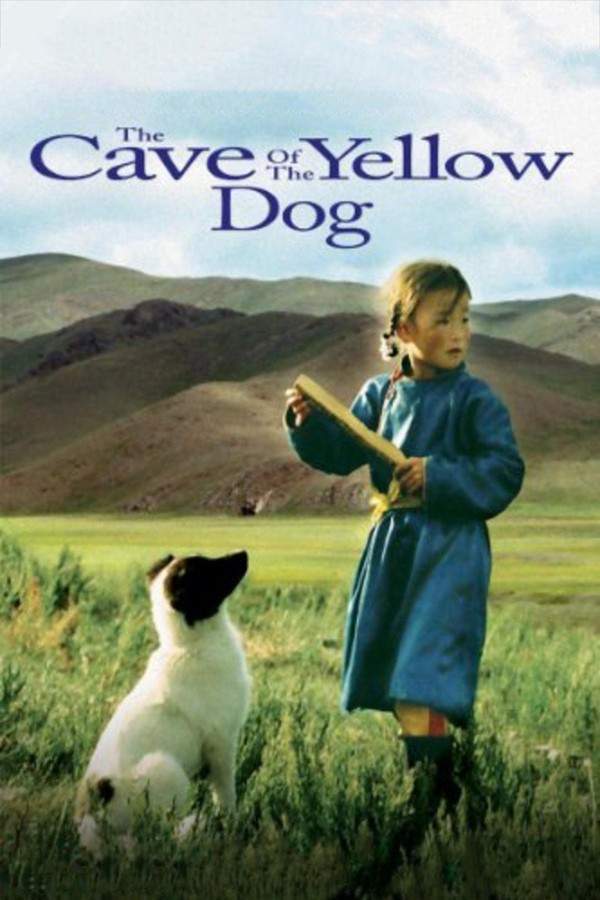
Gentle community portraits and slice-of-life movies like The White Balloon

Quiet films that find profound connection in the rhythms of everyday life. For viewers who appreciated the compassionate look at community in The White Balloon, this section highlights similar slice-of-life dramas. These films share a slow, observant pace and a focus on how small acts of kindness and shared spaces create a supportive human tapestry.

  • observant
  • gentle
  • compassionate
  • patient
  • slice-of-life
  • community
  • Tone: hopeful, compassionate, neutral
  • Pacing: slow, steady
Why these movies?

The story pattern: The narrative pattern is less about a dramatic plot and more about a series of vignettes or a simple journey that connects various characters within a shared space. Conflict is minimal and manageable, serving to highlight the underlying support system and shared humanity of the community.

Why they belong together: These films are grouped by their shared mood and tone: a low-intensity, observant approach to storytelling that prioritizes atmosphere and character interactions over complex plotting. They create a cohesive feeling of a compassionate, interconnected world.

If you liked this

Movies Like The White Balloon

Similar movies to The White Balloon: the same genre, themes or kind of story. Each one comes with its own plot summary, timeline and ending explained.

Browse all movie summaries

Categories

Movie Lists Featuring The White Balloon

The White Balloon appears in these hand-built movie categories. Each one groups movies by a specific mood, theme or story type, with their plot summaries and endings explained.

View all movie categories

Every angle

The White Balloon (1995) Explained: Plot, Timeline & Characters

Everything about The White Balloon in one place: what happens in the plot summary, the timeline in chronological order, the characters and meaning and a spoiler-free summary. What's After the Movie adds the cast, box office and post-credit scenes.

Coming soon on iOS and Android

The Plot Explained Movie Summary App

Plot summaries, endings explained and timelines on your phone. Catch up on any movie in minutes, save your favorites and never miss a twist again.

Be the first to know when we launch. Your email stays private, always.

Learn more about the app