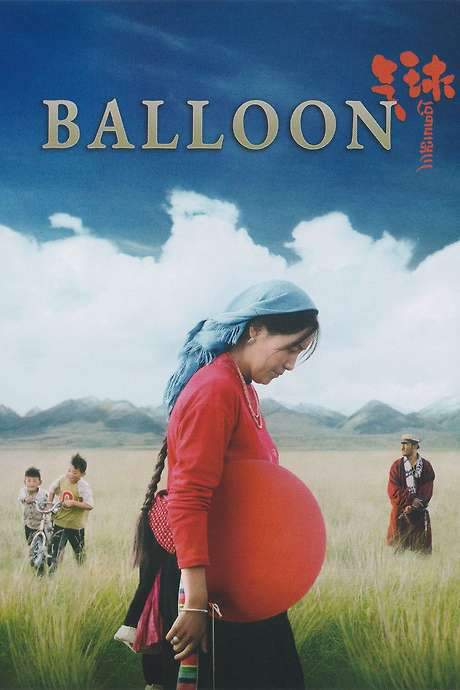
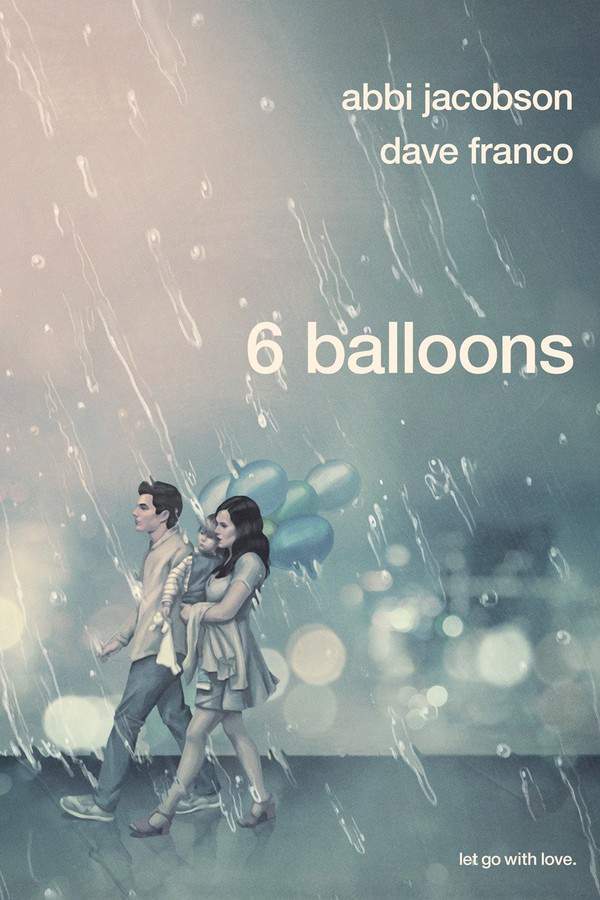
Set against the sun-warmed streets of Pößneck, Thuringia in the summer of 1979, the film tracks a daring plan to flee the GDR that begins with two families—the Strelzyks and the Wetzels—driven by a mix of hope and fear. The original eight-person escape in a self-made hot air balloon is shelved when Günter Wetzel considers the risks too high: eight lives in a craft that could falter, especially with two young children on board. The concern grows stronger for his wife Petra, who watches their kids with protective worry. In a turn of resolve, Doris and Peter Strelzyk decide to attempt the escape with their two sons, a family mission that intensifies the stakes and the suspense.
That same night, the Strelzyks prepare the balloon and other gear, loading them into a trailer and heading into the forest to take off under the cover of clouds. For a moment, it seems they might vanish into the sky, unseen by the border guards. Yet fate plays a cruel trick: the balloon descends near the border because the gas lines clog and freeze, sending the family back to their car with no injuries but a mission unfinished. In a final, bittersweet act of resolve, Frank manages to salvage a farewell letter to his love Klara Baumann, a reminder of what they are risking.
The escape attempt does not go unnoticed. The Stasi, under Lieutenant Colonel Seidel, launches a sprawling investigation that sweeps up clues and narrows the circle of suspects. They question border guards and scrutinize every detail, trying to trace where the craft might have started and who might have helped. For weeks, the two families live in a tense spotlight, each small action shadowed by the fear that a link to the failed escape could be uncovered. Doris grows increasingly anxious about her missing medication, a detail the Stasi turns into a painful breadcrumb trail that could connect them to the attempt.
Desperate to try again, the family first seeks a path through East Berlin’s US Embassy, hoping for asylum or another opening. That route proves a dead end, and the sense of urgency drives Peter to push Günter toward a second balloon attempt. With careful, almost surgical planning, the family acquires fabric in small, inconspicuous purchases across different towns to avoid suspicion, while Günter works night after night at the sewing machine, stitching together fragments into a functioning craft. To minimize noise, the sewing takes place in the Strelzyks’ cellar, a precaution born of neighbors’ growing awareness of the constant hum.
Meanwhile, Seidel accelerates his work, assembling every clue that could tie the family to the escape. The Stasi spreads more images of the items left behind at the landing site, tightening the net around the escape’s few possible routes. The second launch unfolds under a delicate balance of luck and resolve: the wind is favorable, but challenges still loom. The start is not as flawless as the first, and the gas finally runs out, forcing a descent into a forest after only about half an hour of flight. For a tense moment, the family wonders whether they have truly crossed the border, but a careful post-flight search by Peter and Günter yields a nearby police patrol, and the men learn they have landed in Upper Franconia, bringing a cautious relief and a sense of a hard-won victory.
In the aftermath, Lt. Colonel Seidel and his superior face accountability to the Stasi chief Erich Mielke, their roles under the microscope as they recount the chase and its emotional toll. The narrative leaps forward a decade and a half, when Doris and Peter, now with the memory of their ordeal, witness Hans-Dietrich Genscher’s Prague embassy broadcast announcing that GDR citizens gathered there will be allowed to leave the country, a moment that marks the long arc from danger to opening.
Through its careful pacing and emotionally grounded storytelling, the film presents a restrained, human look at courage, risk, and the quiet resilience of a family’s bid for freedom. The tension remains palpable as each decision—whether to attempt again, how to source materials, and when to push the wind—intertwines with the personal stakes: the letters they hold onto, the fear of discovery, and the uncertain hope of a future beyond the border. The story’s cadence—one plan, a near-miss, another plan, a leap of faith—paints a portrait of endurance that lingers long after the final credits.