






Plot Explained Spoilers guaranteed!
Plot Explained

Browse by genre

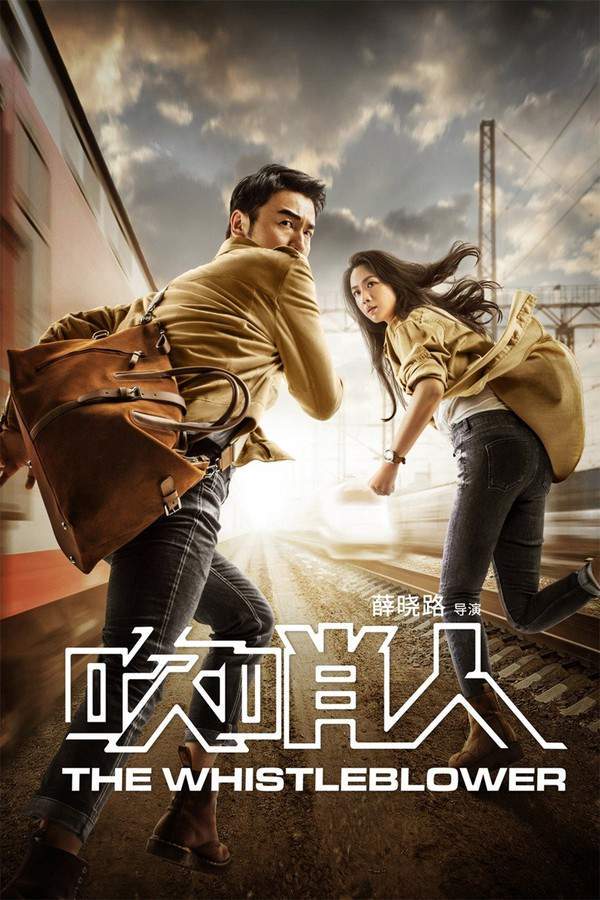
The Whistle Blower (1986) movie poster

Timeline

The Whistle Blower (1986) Timeline Explained – Every Event in Order

Release, runtime and language
1986 · 100 mins · English
JustWatch #13,082 3
Directed by
Simon Langton
Starring
Michael Caine, John Gielgud, Barry Foster, Kenneth Colley, Gordon Jackson, James Fox

A war veteran sets out to uncover the truth behind his son's murder. The son, a Russian translator employed by British intelligence during the Cold War, is killed under mysterious circumstances. As the veteran delves deeper, he becomes entangled in a tangled web of deception, espionage and relentless paranoia that threatens to swallow any hope of justice.

On this page (6)
  1. 1 Where to watch
  2. 2 Events in order (12)
  3. 3 Timeline questions answered
  4. 4 Movie threads
  5. 5 Movies like The Whistle Blower
  6. 6 Every angle

Where to watch

Where to Watch The Whistle Blower (1986)

Where can you watch The Whistle Blower? Stream, rent or buy it in the US, including on fuboTV, MGM Plus and Philo: current JustWatch availability with up-to-date prices.

Streaming availability powered by JustWatch

12 events in order · contains spoilers

The Whistle Blower Timeline: Events in Chronological Order

Every key event of The Whistle Blower (1986) in order, scene by scene, with when and where it takes place. Use it to untangle flashbacks, time jumps and parallel storylines, to refresh your memory before the sequel or to find the exact scene you are thinking of.

  1. Remembrance Day opening in Whitehall

    The film opens with footage of the Remembrance Day parade in Whitehall around 1985, with Queen Elizabeth II in attendance and Frank among the marchers. The scene establishes the present-day setting and Frank's status as a decorated, retired naval officer. It contrasts public ceremony with the undercurrent of espionage that will unfold.

    When
    c. 1985
    Where
    Whitehall
  2. Bob warns of GCHQ mole and plans to marry

    In Bob's flat, he informs his father about upheaval at GCHQ and the presence of a Soviet mole. He explains that security pressures colleagues to report on each other and that he plans to leave, marry Cynthia, and start anew. Frank disapproves, sensing danger in his son's revelations.

    When
    months earlier
    Where
    Bob's flat
  3. Surveillance records Bob's conversation

    A room in British Intelligence is secretly recording Bob's conversation with his father, ensuring every detail is captured for later use. The monitoring underscores how deeply the operation is being watched and how precarious any disclosure would be. It sets the stage for the eventual pursuit of truth at great cost.

    When
    shortly after
    Where
    British Intelligence room
  4. Greig warns Frank about consequences

    Frank is warned by his old Navy friend Greig, now with MI6, that any indiscretion could ruin his business and his family. The warning reveals the high stakes and his own conflicting loyalties to friends and country. It also foreshadows Greig's involvement in the case.

    When
    before Bob's death
  5. Bob plans to reveal illegal operations

    Bob tells Frank that he is about to reveal illegal operations conducted by his department and that he has contacted investigative reporter Bill Pickett to bring the information to light. The plan heightens the danger facing them as the watchdog press could uncover secrets.

    When
    before his death
    Where
    Bob's flat
  6. Bob's death on a rooftop

    Bob dies in a rooftop fall, with the official verdict of accidental death. The event cuts short any chance of public exposure and catalyzes Frank's determination to uncover the truth. The tragedy also deepens the moral ambiguity of those trying to protect national security.

    When
    soon after
    Where
    rooftop
  7. Pickett confronts Frank at the funeral

    At Bob's funeral, Frank is approached by Bill Pickett, the investigative journalist who had been working with Bob. Later, Pickett is killed in an elaborately staged traffic accident while en route to East Grinstead for a rendezvous with Bob's contact. The sequence shows the lengths to which some will go to suppress information.

    When
    after funeral
    Where
    funeral / East Grinstead
  8. Mark reveals Greig's quizzing

    Frank learns from Bob's friend Mark that Greig had been questioning Bob's loyalty. Frank gets Greig drunk and extracts from him that he was at Bob's flat the night of his death but did not kill him. Greig also names the mole as Sir Adrian Chapple.

    When
    after funeral
    Where
    Frank's residence
  9. The mole's identity revealed

    Greig's confession points to the mole's identity and its elite cover, naming Sir Adrian Chapple as the betrayer. The revelation precipitates a secret response from government and intelligence guardians. Frank is drawn deeper into a covert struggle that will come to a head with Chapple.

    When
    after confession
  10. Government meets Frank at a country house

    Frank is taken to a country house and confronted by the Secretary to the Cabinet and Lord. They explain that Bob's death was part of a plan to mislead the Americans about the depth of Russian operatives and that Chapple is to be kept in place to manage the damage. They warn that going public could endanger Frank, Cynthia, and her daughter.

    When
    after confession
    Where
    country house
  11. Final confrontation with Chapple at Whitehall

    In the present, Frank confronts Sir Adrian Chapple at Chapple's Whitehall residence, where he is mistaken for a charity collector and admitted inside. Chapple finally admits to spying for Russia and tries to reclaim the confession by pulling a gun. Frank wrests control, the gun fires, and Chapple is killed.

    When
    present
    Where
    Chapple's Whitehall residence
  12. The confession and the parade

    With Chapple dead and a signed confession in hand, Frank returns to the Remembrance Day parade and re-joins the marchers as if nothing happened. The film closes on the juxtaposition of public honor and private revelation, leaving Frank to bear the truth he has chosen to protect.

    When
    present
    Where
    Whitehall parade

Last updated: October 09, 2025 at 14:18

Was this helpful?

Timeline questions answered

The Whistle Blower Timeline Explained: Your Questions Answered

When does it happen, and why in that order? The questions people ask about the chronology of The Whistle Blower (1986): time jumps, flashbacks, cause and effect between scenes and the correct order of events, each answered with spoilers.

Q1

Why was Bob Jones's death staged by British intelligence?

British intelligence staged Bob's death to protect a larger operation. Officials explained that Bob had become a liability after threatening to expose illegal activities, and his death was designed to mislead the Americans about the extent of Russian infiltration while preserving access to CIA intelligence sources. The conspiracy was intended to prevent a diplomatic scandal that would damage Britain's relationship with their American allies.

Foreshadowing: Bob had confided to his father that he planned to reveal illegal operations within his department to investigative reporter Bill Pickett.

  • bob jones death
  • staged death
  • british intelligence
  • cover-up
  • gchq mole
Q2

Who was the Soviet mole working for British intelligence?

The Soviet mole was Sir Adrian Chapple, a high-ranking figure within British intelligence. Despite being identified as a Russian spy, Chapple was deliberately kept in place by senior government officials who needed him to manage the damage and maintain their intelligence operations. Greig, Frank's MI6 contact, finally revealed Chapple's identity after getting drunk.

Foreshadowing: Bob had warned his father about evidence of a Soviet mole at GCHQ and the intense security pressure on staff to report on each other.

  • sir adrian chapple
  • soviet mole
  • russian spy
  • gchq
  • british intelligence traitor
Q3

Why was Bill Pickett killed after Bob's death?

Bill Pickett was killed because he was the investigative journalist Bob had contacted to expose the illegal operations at GCHQ. Pickett was on his way to meet Bob's contact in East Grinstead when he was eliminated in a deliberately staged traffic accident. His death was part of the broader effort to silence anyone who knew about the conspiracy and prevent the truth from reaching the public.

Foreshadowing: Bob had told his father he planned to contact Bill Pickett to reveal what he knew about illegal activities.

  • bill pickett
  • journalist killed
  • traffic accident
  • gchq scandal
  • cover-up
Q4

What did Greig confess to Frank Jones about Bob's death?

Greig confessed that he was at Bob's flat on the night of his death but did not actually kill him. His role was to leave the door open for others to intervene. Greig was working for MI6 and had been tasked with monitoring Bob's activities. During the confession, Greig also identified Sir Adrian Chapple as the Soviet mole, providing Frank with the crucial breakthrough he needed.

Foreshadowing: Mark had revealed that Greig had been questioning Bob's loyalty, raising Frank's suspicions about his old navy friend.

  • greig confession
  • bob death
  • mi6
  • navy friend
  • mole identity
Q5

Why was Sir Adrian Chapple allowed to remain a spy?

Sir Adrian Chapple was protected because removing him would expose the depth of Russian penetration in British intelligence, which would damage Britain's intelligence-sharing arrangements with the CIA. Senior officials admitted they needed Chapple to manage the ongoing situation and preserve access to American intelligence. Keeping Chapple in place was a calculated decision to protect national security relationships rather than pursue immediate justice.

Foreshadowing: The conspiracy existed to mislead the Americans about Russian operations, requiring Chapple's continued cooperation.

  • chapple protected
  • russian penetration
  • cia
  • intelligence sharing
  • government conspiracy
Q6

Why does Frank rejoin the Remembrance Day parade at the end?

Frank returns to the parade after killing Chapple and obtaining his confession, choosing to blend back into the public ceremony rather than expose the truth. This act represents the moral compromise at the heart of the film, Frank achieved personal justice but remains silent to protect Cynthia and her daughter from the promised physical danger. The ending underscores how truth is often buried beneath public ceremony and institutional loyalty.

Foreshadowing: The film opened with Frank watching the Remembrance Day parade, establishing the contrast between public honor and private truth.

  • remembrance day parade
  • ending
  • moral compromise
  • justice
  • silence
Q7

What was the connection between Dodgson and Stephen Kedge?

Dodgson was a convicted spy, and Stephen Kedge was his friend who allegedly died under a train. Both deaths were connected to the broader conspiracy within British intelligence. Frank found newspaper clippings about these deaths in Bob's pocket, which raised questions about suspicious deaths connected to the mole case. The pattern of deaths, including Bob's and Pickett's, suggested a systematic effort to eliminate anyone who knew too much.

Foreshadowing: One clipping concerned Cynthia's husband, who allegedly committed suicide and was a colleague of the convicted spy Dodgson.

  • dodgson
  • stephen kedge
  • deaths
  • conspiracy
  • newspaper clippings
Q8

Why did Frank kill Sir Adrian Chapple during their confrontation?

Frank killed Chapple in self-defence during a struggle over the signed confession. When Frank demanded a full confession, Chapple complied but then drew a gun and demanded the document be returned. In the ensuing struggle, Frank wrested the weapon away and it fired, killing Chapple. The confession document was left behind to read like a suicide note, providing Frank with a cover for the killing.

Foreshadowing: Frank approached Chapple's Whitehall residence intending to force a confession, aware he was entering a dangerous confrontation.

  • chapple killed
  • self defence
  • confession
  • struggle
  • whitehall
Q9

Why did government officials threaten Frank Jones and his family?

Government officials warned Frank that going public with what he knew would put him, Cynthia, and her young daughter in physical danger. This threat was meant to silence Frank and prevent him from exposing the conspiracy to protect the mole and the broader intelligence operation. The threat ensured Frank would bear the burden of knowledge alone, forcing him to choose between justice and the safety of those he cared about.

Foreshadowing: Frank had already lost his son and was determined to uncover the truth, making him a dangerous loose end for the conspiracy.

  • threat
  • frank jones
  • cynthia
  • danger
  • silence
Q10

What evidence did Frank find in Bob's flat after his death?

In Bob's flat, Frank found newspaper clippings that provided crucial clues: one about Cynthia's husband who allegedly committed suicide and was a colleague of the convicted spy Dodgson, and another concerning the death of Stephen Kedge, Dodgson's friend who allegedly fell under a train. These clippings connected Bob's investigation to a larger pattern of suspicious deaths within the intelligence community and pointed toward the conspiracy Frank would eventually uncover.

Foreshadowing: Bob had told his father about upheaval at GCHQ involving a Soviet mole and illegal operations, suggesting he had been gathering evidence.

  • newspaper clippings
  • evidence
  • bob's flat
  • dodgson
  • stephen kedge

Movie threads

More Movies Like The Whistle Blower, by Mood & Story

Curated lists built around what makes The Whistle Blower tick: the same mood, the same kind of story or the same emotional payoff. Each list explains why these movies belong together.

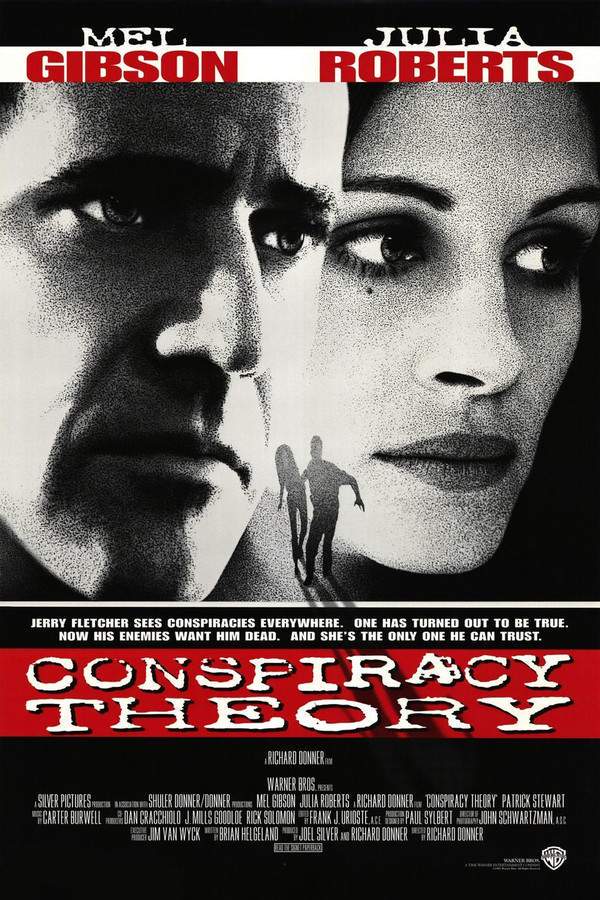
Paranoid Conspiracy Thrillers like The Whistle Blower

Ordinary individuals uncover dark secrets that powerful forces want buried. If you enjoyed the tense atmosphere and uncovering of government secrets in The Whistle Blower, you'll find similar gripping narratives here. These movies focus on protagonists discovering dangerous truths, facing powerful enemies, and navigating a world where no one can be trusted, much like the Cold War investigation in the film.

  • paranoid
  • tense
  • suspenseful
  • claustrophobic
  • conspiracy
  • distrust
  • Tone: tense, paranoid, bleak
  • Pacing: steady, investigative
Why these movies?

The story pattern: The narrative typically follows a linear investigation where each clue leads to greater danger and deeper layers of deception. The protagonist's journey is one of escalating isolation and peril, often challenging their worldview and forcing them to operate outside the law to expose the truth.

Why they belong together: Movies in this thread share a core feeling of claustrophobic paranoia, where institutions are corrupt and individuals are pitted against insurmountable, shadowy systems. They are united by a steady, methodical pacing that builds suspense and a high-intensity atmosphere of constant threat.
Movies about Grieving Fathers Seeking Justice like The Whistle Blower

A personal tragedy fuels a dangerous and single-minded pursuit of truth. For viewers moved by the father's heartbreaking quest in The Whistle Blower, this section collects films with similar emotional journeys. These stories feature determined protagonists driven by loss, navigating dangerous paths to uncover the truth about their children's deaths, blending heavy drama with tense thriller elements.

  • grieving
  • determined
  • somber
  • vengeful
  • fatherhood
  • loss
  • Tone: somber, determined, bittersweet
  • Pacing: steady, deliberate
Why these movies?

The story pattern: The plot is character-driven, following a father who, after a devastating loss, methodically pieces together the puzzle behind the tragedy. His journey is often solitary, challenging official narratives and leading to violent confrontations, with endings that are rarely clean victories but rather bittersweet resolutions burdened by the price paid.

Why they belong together: These films are connected by a heavy emotional weight centered on grief and a determined, sometimes obsessive, protagonist arc. They balance a steady, purposeful pacing with high-stakes personal conflict, creating a cohesive experience of somber determination and moral consequence.

If you liked this

Movies Like The Whistle Blower

Similar movies to The Whistle Blower: the same genre, themes or kind of story. Each one comes with its own plot summary, timeline and ending explained.

Browse all movie summaries

Every angle

The Whistle Blower (1986) Explained: Plot, Timeline & Characters

Everything about The Whistle Blower in one place: what happens in the plot summary, the timeline in chronological order, the characters and meaning and a spoiler-free summary. What's After the Movie adds the cast, box office and post-credit scenes.

Coming soon on iOS and Android

The Plot Explained Movie Summary App

Plot summaries, endings explained and timelines on your phone. Catch up on any movie in minutes, save your favorites and never miss a twist again.

Be the first to know when we launch. Your email stays private, always.

Learn more about the app