Plot Explained Spoilers guaranteed!
Plot Explained

Browse by genre

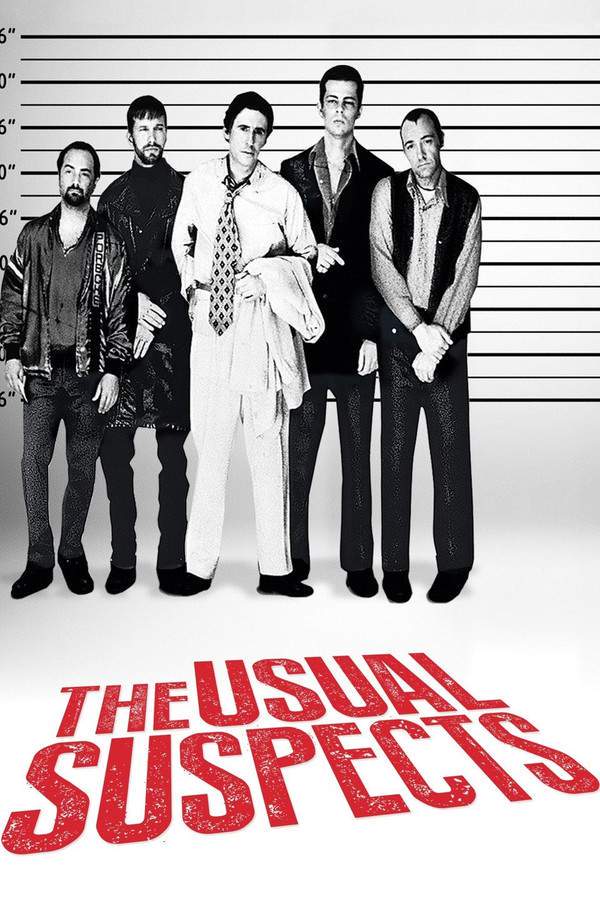
The Usual Suspects (1995) movie poster

Plot Summary

The Usual Suspects (1995) Plot Summary Explained

Release, runtime and language
1995 · 106 min · English
JustWatch #391 129
Directed by
Bryan Singer
Starring
Kevin Spacey, Gabriel Byrne, Chazz Palminteri
Budget
$6M

A seemingly minor heist in San Pedro draws a diverse group of criminals together, pulling them into a dangerous conspiracy linked to the mysterious and legendary crime boss, Keyser Söze. As they navigate a complex series of events involving a ship, a massacre, and a powerful lawyer, con artist Verbal Kint recounts their story to a federal agent. However, the narrative becomes increasingly convoluted, blurring the lines between truth and fabrication and culminating in a stunning twist that challenges the agent’s perception of reality.

On this page (6)
  1. 1 Where to watch
  2. 2 What happens: full plot
  3. 3 Plot questions answered
  4. 4 Movie threads
  5. 5 Movies like The Usual Suspects
  6. 6 Every angle

Where to watch

Where to Watch The Usual Suspects (1995)

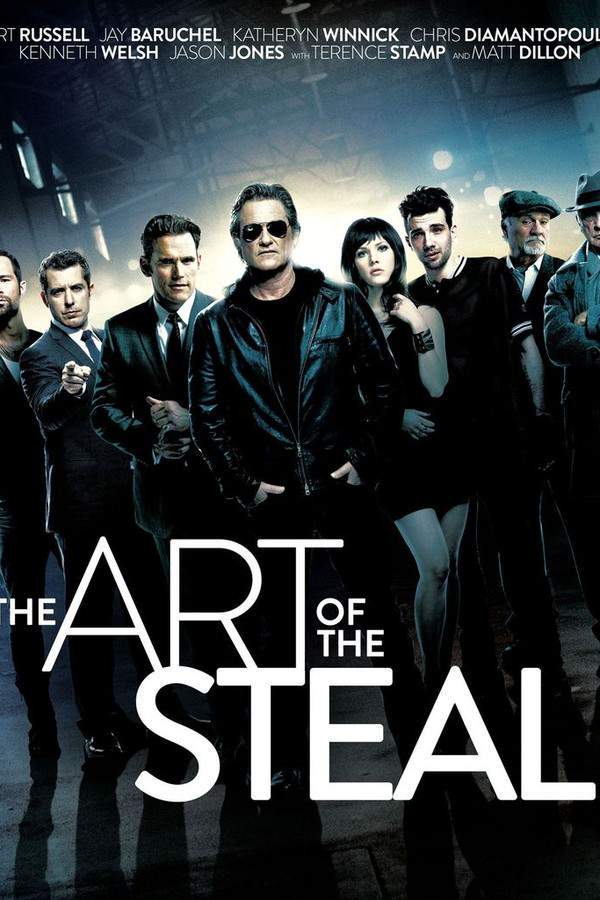
Where can you watch The Usual Suspects? Stream, rent or buy it in the US, including on Amazon Prime Video, HBO Max and Hoopla: current JustWatch availability with up-to-date prices.

Streaming availability powered by JustWatch

Full plot summary · contains spoilers

What Happens in The Usual Suspects: Full Plot Summary

The whole story of The Usual Suspects (1995) explained, from the opening scene to the final frame: every key event, every twist and what it all adds up to. Read it as a quick recap before the sequel, to check a scene you missed, or to finally understand what really happened.

Career criminal Dean Keaton finds himself gravely wounded aboard a ship berthed in San Pedro Bay, engaging in a fateful confrontation with a shadowy figure known only as Keyser. This eerie encounter ends with Keaton's demise when he is shot and the ship is set ablaze. The subsequent day, law enforcement discovers a macabre scene: 27 bodies and only two survivors, Arkosh Kovash, a Hungarian mobster suffering from severe burns, and the physically impaired con artist, Roger "Verbal" Kint. U.S. Customs agent Dave Kujan arrives from New York City to interrogate Verbal in a makeshift office of LAPD sergeant Jeff Rabin, while FBI agent Jack Baer investigates Kovács’ condition. Through Verbal’s flashback narration, the tangled web of events leading to the ship incident is unraveled.

Flashback to six weeks prior in New York City, where Keaton and Verbal are apprehended along with their criminal associates: Michael McManus, Fred Fenster, and Todd Hockney. They are placed in a police lineup for a truck hijacking none of them acknowledge. Enraged by the police's relentless harassment, McManus hatches a plan for retaliation through a heist. Although initially hesitant, Keaton ultimately consents to rob a jewel smuggler, leading to a multi-million dollar windfall of emeralds and the arrest of over fifty corrupt officers after they leak the details to the media. Following their success, they venture to California to sell the jewels through a contact named Redfoot, who leads them to another heist that quickly spirals out of control when they discover that the haul consists of synthetic heroin, dubbed China White.

The men learn that lawyer Kobayashi has orchestrated their misadventures, revealing that their arrests were no accident. His employer, the feared Turkish crime lord Keyser Söze, whom they have unknowingly wronged, demands they target a ship laden with Argentine drug dealers, ordering the destruction of a staggering $91 million worth of cocaine onboard. The promise of cash for the exchange dangled as a reward spurs their participation in this perilous mission.

During the interrogation, Kujan uncovers that the cocaine was never aboard the ship, prompting questions about Söze's presence on the vessel. Concurrently, at the hospital, Baer learns that Kovács may have encountered Söze, initiating a sketch artist's efforts to render a likeness. Throughout the interrogation, Verbal shares a chilling legend surrounding Söze—once a small-time drug dealer who gruesomely eliminated his own family and then the mobsters holding them captive before vanishing from sight, legend grew that he ran his operations solely through faceless proxies steeped in fear.

As Verbal concludes his twisted narrative, he explains the outcome of their ill-fated heist and how Fenster lost his life while attempting to escape. The group resorted to threatening Kobayashi, who in turn leveraged their loved ones to ensure compliance with their new task. Under the cover of night, they inflict violence upon the Argentinian and Hungarian gangsters on the ship, only to discover there is no cocaine. In the chaos, an unseen adversary slaughters Hockney, McManus, Keaton, and a captive within the ship's confines before igniting a fire.

Kujan’s deduction leads him to suspect that Keaton is none other than Söze, especially after discovering that the murdered prisoner Arturo Marquez had been represented by Edie Finneran, Keaton's girlfriend who was recently killed. Kujan theorizes that Marquez was sold to Söze’s Hungarian adversaries and that Keaton orchestrated the massacre to eliminate Marquez and fake his own death. As Verbal struggles with the truth, he confesses about Keaton’s orchestrations but refuses to take the stand against him. With Verbal's bail generously posted, he walks free.

In a gripping twist, Kujan quickly realizes that Verbal's entire story was a meticulously crafted fabrication, cobbled together from the clutter of Rabin’s office. As Verbal exits, he sheds the facade of his disability, revealing the true extent of his cunning. In a chilling finale, as Kujan races to make sense of the revelations, a composite sketch of Söze arrives—strikingly resembling Verbal—who escapes in a vehicle driven by "Kobayashi." Echoing in the air is Verbal's voice, proclaiming, > "The greatest trick the Devil ever pulled was convincing the world he didn't exist, and like that ... he's gone."
Last updated: November 15, 2024 at 20:48

Was this helpful?

Plot questions answered

The Usual Suspects Plot Explained: Your Questions Answered

The questions people ask most about The Usual Suspects (1995): what happens in the confusing scenes, why the characters do what they do, the twists, hidden details and what the ending means. Each answer contains spoilers.

Q1

Who is Keyser Söze really?

Keyser Söze is actually Roger 'Verbal' Kint, the disabled con artist telling the story. The legendary crime boss that the entire narrative围绕 never physically appeared until the final moments, when Verbal drops his act and escapes with Kobayashi. His entire story was a fabrication designed to mislead Agent Kujan and cover his tracks.

Foreshadowing: Early in the interrogation, Verbal casually mentions the Söze legend while glancing around the office - establishing his knowledge of a man he's supposedly never met.

  • keyser söze
  • verbal kint
  • identity twist
  • crime boss
  • true identity
Q2

How did Verbal construct his fake story?

Verbal built his entire fabricated narrative from random objects visible in Sergeant Rabin's office - photographs, a coffee cup, a baseball, and other items lying around. He wove these unrelated details into a coherent but completely fictional account to explain the massacre while concealing his own role as Söze.

Foreshadowing: The film repeatedly cuts back to the office during Verbal's narration, showing close-ups of objects he later incorporates into his story.

  • fabricated story
  • office items
  • deception
  • interrogation
  • rabin office
Q3

Who killed the criminals on the ship?

Keyser Söze himself killed his own men aboard the ship. After the crew discovered there was no cocaine, an unseen shooter picked off McManus, Hockney, Keaton, and a captive Hungarian gangster before setting the ship on fire. This was Söze eliminating everyone who knew about the job while framing it as a botched operation.

Foreshadowing: Kobayashi's warning that 'Söze prefers to work through faceless proxies' hints that the killer could be anyone, even someone not visibly present.

  • ship massacre
  • killer
  • keyser söze
  • mcmanus
  • hockney
  • keaton deaths
Q4

Why did Agent Kujan suspect Dean Keaton was Keyser Söze?

Kujan deduced Keaton might be Söze because the murdered prisoner Arturo Marquez had been represented by Edie Finneran, Keaton's recently killed girlfriend. Kujan theorized Keaton orchestrated the entire situation to eliminate Marquez (who had been sold to Söze's Hungarian rivals) while faking his own death. The timeline and connections made Keaton the logical suspect.

Foreshadowing: Early scenes show Keaton insisting he wants to retire and go straight, which contrasts with his continued criminal involvement despite claiming to have left that life.

  • dean keaton
  • suspicions
  • kujan
  • edie finneran
  • arturo marquez
Q5

What happened to the $91 million worth of cocaine?

The cocaine was never aboard the ship. The entire job was a setup - Kobayashi sent the crew to destroy cargo that didn't exist. The promise of $91 million in cocaine was merely bait to get the criminals to eliminate the Argentine and Hungarian drug dealers on the ship, serving Söze's purposes without any actual drugs changing hands.

Foreshadowing: Kobayashi mentions the cargo is 'in the hold' without specific details, and the crew never verifies the cargo before attacking.

  • cocaine
  • ship cargo
  • $91 million
  • setup
  • keyser söze job
Q6

Why did Keyser Söze kill his own family in the legend?

According to Verbal's told legend, Söze was once a small-time drug dealer whose family was kidnapped by rival mobsters. Rather than pay the ransom, Söze brutally murdered his own wife and children, then used the ensuing chaos to kill the kidnappers. This act of extreme cruelty established his reputation and made him feared throughout the criminal underworld.

Foreshadowing: The legend is told during the interrogation as a warning about what Söze is capable of doing - establishing the stakes for the entire narrative.

  • family killed
  • legend
  • origin story
  • söze backstory
  • criminal reputation
Q7

How did Verbal escape at the end of the movie?

After shedding his disability act and revealing his true nature, Verbal walked out of the police station freely - his bail had been posted. He entered a car driven by Kobayashi, who was revealed to be Söze's actual lawyer and loyal operative. The composite sketch of Söze arrived at that exact moment, confirming Verbal's identity to the stunned Agent Kujan.

Foreshadowing: Throughout the film, Kobayashi remains strangely confident and in control despite representing the most dangerous criminal alive, hinting at his true allegiance.

  • escape
  • kobayashi
  • car
  • verbal freedom
  • bail release
Q8

What was Kobayashi's role in the story?

Kobayashi was Keyser Söze's lawyer and enforcer. He orchestrated the criminals' path from the initial truck hijacking arrest through every subsequent heist, ultimately guiding them toward the deadly ship mission. His threatening demeanor and control over the group revealed him as Söze's direct representative, not an independent player.

Foreshadowing: Kobayashi always appears at crucial moments with perfect knowledge of the criminals' movements, suggesting deep surveillance and planning.

  • kobayashi
  • lawyer
  • söze representative
  • enforcer
  • orchestrator
Q9

Why did Verbal allow himself to be caught and interrogated?

Verbal's arrest and interrogation were part of his calculated plan. By providing a detailed but fabricated story, he directed suspicion toward the dead Keaton while completely obscuring his own identity as Söze. The interrogation gave him time to arrange bail and escape, using the police itself as cover for his elaborate deception.

Foreshadowing: Verbal consistently redirects Kujan's attention away from himself while building up Keaton as the likely culprit, maintaining control despite being the suspect.

  • verbal arrest
  • interrogation plan
  • deception strategy
  • caught on purpose
Q10

Why were there only two survivors on the ship?

Söze allowed only two survivors - Verbal and the Hungarian mobster Kovash - to maintain the appearance of a failed heist rather than a coordinated massacre. Their survival provided witnesses to tell a story while eliminating all criminals who could identify Söze or contradict his fabricated narrative. Kovash's severe burns made him unable to provide coherent testimony.

Foreshadowing: The survivors' physical states (burns vs. minor impairment) suggest different roles - one meant to die, one meant to tell a specific story.

  • survivors
  • kovash
  • ship massacre
  • only two alive
  • keyser söze plan
Q11

What does the ending quote about the Devil mean?

The closing line - 'The greatest trick the Devil ever pulled was convincing the world he didn't exist' - summarizes Verbal's entire deception. By creating a mythical, almost supernatural legend about Keyser Söze, he made everyone believe this terrifying crime boss was an abstraction, allowing the real person to operate in plain sight. The final revelation shows his plan succeeded: 'and like that... he's gone.'

Foreshadowing: The entire film builds Söze as an almost mythological figure, creating the perfect cover for Verbal to be the least suspected person in the room.

  • devil quote
  • ending
  • existence
  • deception theme
  • myth of söze

Movie threads

More Movies Like The Usual Suspects, by Mood & Story

Curated lists built around what makes The Usual Suspects tick: the same mood, the same kind of story or the same emotional payoff. Each list explains why these movies belong together.

Movies with Unreliable Narrators like The Usual Suspects

Movies where the story you're told is a carefully constructed lie. If you enjoyed the narrative deception of The Usual Suspects, explore these movies where the story is a carefully constructed puzzle. These films feature characters who can't be trusted, leading to mind-bending twists that challenge your perception of reality, similar to the experience of watching Verbal Kint's tale unfold.

  • mind-bending
  • deceptive
  • cerebral
  • suspenseful
  • paranoid
  • psychological
  • Tone: tense, deceptive, cerebral
  • Pacing: variable, building to a climax
Why these movies?

The story pattern: Stories in this thread are structured around a narrator whose account of events is deliberately misleading or incomplete. The plot unfolds as a puzzle box, with clues and inconsistencies hinting at a deeper truth. The journey is one of unraveling a mystery where the storyteller themselves is the primary antagonist, leading to a final twist that redefines the entire narrative.

Why they belong together: These films are grouped by their shared commitment to narrative deception as a core plot device. They create a unique, participatory viewing experience defined by suspicion, intellectual challenge, and the profound satisfaction of a well-executed reveal that dismantles the established story.

Paranoid Crime Thrillers like The Usual Suspects

Stories where criminals are trapped by a conspiracy far greater than themselves. For viewers seeking the tense, claustrophobic atmosphere of The Usual Suspects, this list features movies about criminals consumed by paranoia. These stories involve dangerous conspiracies, legendary crime figures, and a pervasive sense of dread, perfect for fans of gritty, high-stakes thrillers where no one can be trusted.

  • paranoid
  • suspenseful
  • cynical
  • ominous
  • anxious
  • claustrophobic
  • Tone: tense, bleak, ominous
  • Pacing: variable, with tense dialogue and bursts of action
Why these movies?

The story pattern: The narrative pattern follows a group of professionals, often brought together for a job, who quickly realize they are pawns in a much larger, more dangerous game. Trust evaporates as an omniscient, threatening presence—like a mythic crime lord—manipulates events from the shadows. The journey is a downward spiral of betrayal and violence, where survival is uncertain and allegiances are meaningless.

Why they belong together: These movies share a specific vibe of existential dread within the criminal underworld. They are connected by their tense tone, high intensity, and focus on the psychological unraveling of characters who are in over their heads, creating a consistent feeling of anxiety and impending doom.

If you liked this

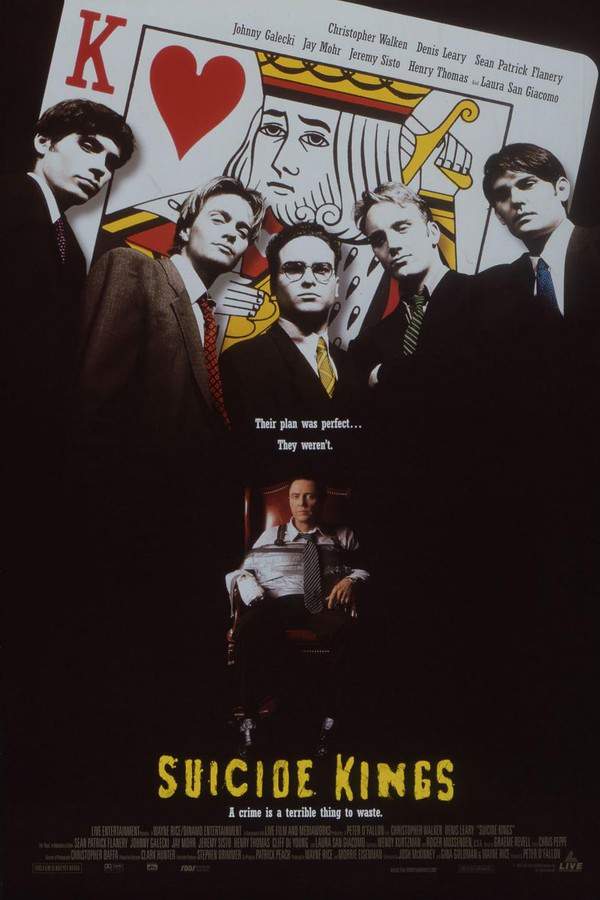
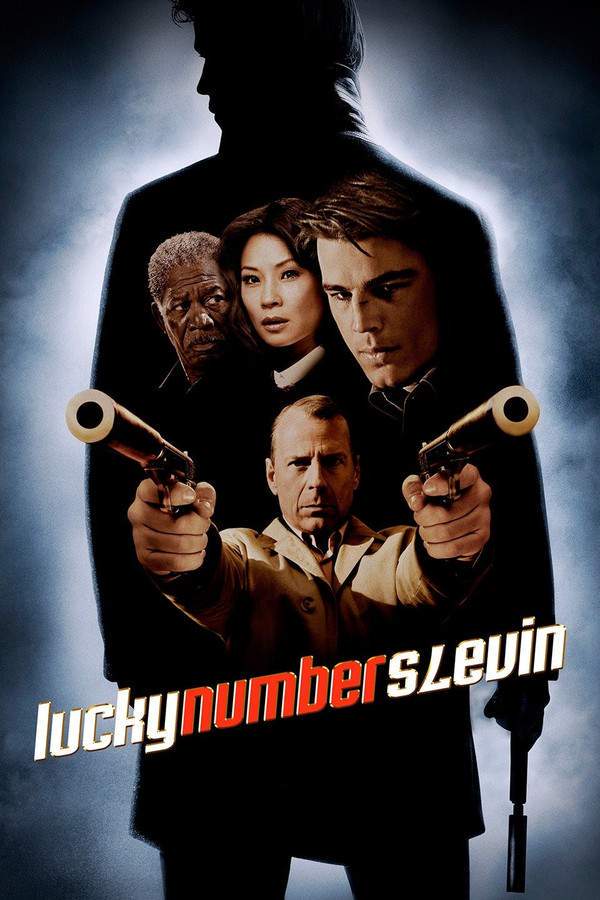
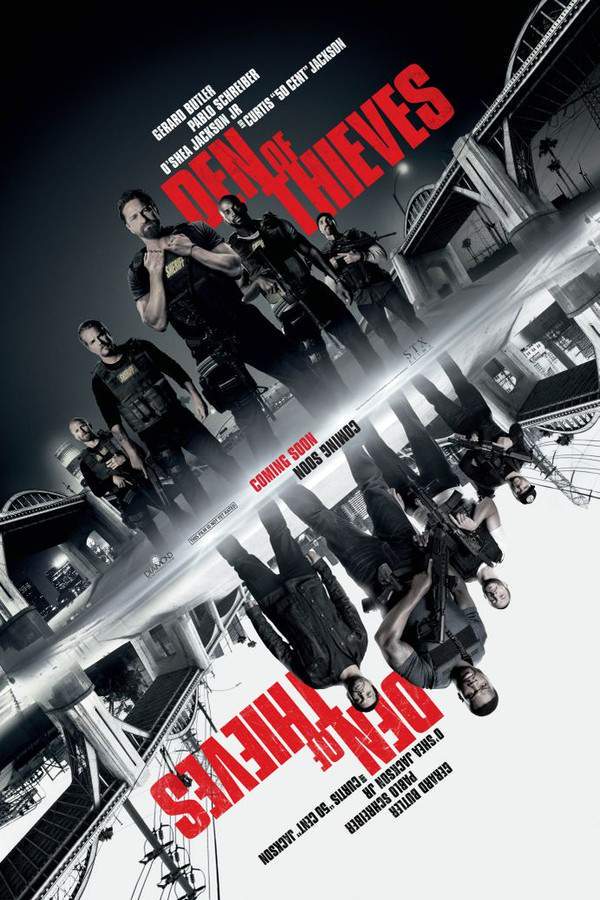
Movies Like The Usual Suspects

Similar movies to The Usual Suspects: the same genre, themes or kind of story. Each one comes with its own plot summary, timeline and ending explained.

Browse all movie summaries

Every angle

The Usual Suspects (1995) Explained: Plot, Timeline & Characters

Everything about The Usual Suspects in one place: what happens in the plot summary, the timeline in chronological order, the characters and meaning and a spoiler-free summary. What's After the Movie adds the cast, box office and post-credit scenes.

Coming soon on iOS and Android

The Plot Explained Movie Summary App

Plot summaries, endings explained and timelines on your phone. Catch up on any movie in minutes, save your favorites and never miss a twist again.

Be the first to know when we launch. Your email stays private, always.

Learn more about the app