Year: 1956
Runtime: 106 mins
Language: German
Director: Wolfgang Liebeneiner
The 1956 film “The Trapp Family” dramatizes the true story of Austria’s von Trapp family as recounted in the Baroness Maria von Trapp’s popular novel. Released several years before the Hollywood musical “The Sound of Music,” it offers an earlier cinematic interpretation of the family’s remarkable history.
Warning: spoilers below!
Haven’t seen The Trapp Family yet? This summary contains major spoilers. Bookmark the page, watch the movie, and come back for the full breakdown. If you're ready, scroll on and relive the story!
Read the complete plot breakdown of The Trapp Family (1956), including all key story events, major twists, and the ending explained in detail. Discover what really happened, and what it all means.
At Nonnberg Abbey in the 1930s Austria, a spirited novice named Maria Ruth Leuwerik is sent by her abbess to the estate of a widowed Austro-Hungarian Navy war hero, Baron von Trapp Hans Holt to look after his seven unruly children. The baron is a stern disciplinarian and runs his household with the efficiency of a World War I U-boat commander. When Maria arrives, she invites the children to stretch beyond strict routines, lets them play games, and teaches them how to sing, imbuing the house with warmth and music. When the baron discovers how Maria is ignoring his orders, he sends her back to the convent. Later, however, hearing his children perform songs learned from Maria, his rigid reserve begins to soften, and his feelings for her shift.
Gradually, the baron falls in love with the young woman and proposes marriage. After obtaining permission to wed from the abbess, Maria becomes the Baroness von Trapp. With the loss of the family fortune, the priest of the household, Dr. Franz Wasner Josef Meinrad, encourages Maria and the children to sing for charity, and their talent attracts a growing following. As history moves forward and the Nazi annexation of Austria takes place, the baron refuses to live under the new regime and the family chooses to flee to the United States, where they continue to perform. But their journey is far from smooth: a naïve Maria reveals to an immigration inspector that they intend to stay forever after he questions how long they will be visiting the country.
Last updated: February 24, 2026 at 13:39
Explore frequently asked questions about The Trapp Family (1956) with spoiler-rich answers covering the full plot summary, major story beats, character motivations, hidden details, and ending meaning. This movie summary FAQ helps explain confusing scenes, plot twists, and narrative decisions in clear, searchable detail.
Maria was sent by the abbess at Nonnberg Abbey to serve as a governess for the seven children of Baron von Trapp, a widowed Navy war hero. The abbess assigned her to look after the children, suggesting she needed experience before taking her final vows.
Earlier scenes at the abbess show Maria's independent spirit, which hints at her unconventional approach to child-rearing.
The Baron discovered that Maria was ignoring his strict household rules, allowing the children to play games and deviate from their rigid routines. He viewed her methods as undermining his disciplined approach to raising the children and sent her back to the convent.
The Baron's military background as a U-boat commander establishes his need for strict order, making his conflict with Maria's free-spirited approach inevitable.
After sending Maria away, the Baron overheard his children singing songs they had learned from her. The warmth and joy in their performance revealed to him the positive impact Maria had on the household, softening his rigid exterior and awakening his romantic feelings toward her.
The children's growing affection for Maria and their improved moods foreshadow the Baron's eventual change of heart.
After the Baron proposed marriage and Maria received permission from the abbess at Nonnberg Abbey, she left the convent and married the Baron, becoming the Baroness von Trapp and stepmother to his seven children.
The film mentions that the Captain lost his fortune shortly after marrying Maria, though the specific details of the financial loss are not detailed in the summary. This loss forced the family to find new ways to support themselves.
The family fled Austria following the Nazi annexation in 1938, known as the Anschluss. The Baron, as a former Austro-Hungarian Navy officer and opponent of the Nazi regime, refused to live under Nazi rule, making it impossible for the family to remain in their homeland.
The film introduces the political backdrop of 1930s Austria early on, setting up the eventual necessity of the family's escape.
When asked by an immigration inspector how long they planned to stay in America, Maria honestly answered that they intended to stay forever. Her response was naive and straightforward, not realizing the potential immigration complications such an admission could cause.
Maria's innocent and honest nature is established throughout the film, explaining why she would not think to give a diplomatic answer.
After losing their fortune, Dr. Franz Wasner, the family priest, encouraged Maria and the children to sing for charitable causes. Their performances drew increasing audiences and eventually established them as a popular musical ensemble known as the von Trapp Family Singers.
Maria's earlier teaching of music to the children planted the seeds for their future as performers.
Dr. Franz Wasner served as the family priest and played a crucial role in encouraging Maria and the children to sing for charity after they lost their fortune. His encouragement transformed their musical abilities into a means of livelihood and eventual international performances.
Discover curated groups of movies connected by mood, themes, and story style. Browse collections built around emotion, atmosphere, and narrative focus to easily find films that match what you feel like watching right now.
Heartwarming stories where music brings a family together to face challenges.Discover movies like The Trapp Family where families unite through music to overcome obstacles. If you enjoyed the heartwarming journey of the von Trapps, you'll find similar uplifting stories of musical families triumphing over adversity.
The narrative follows a family, often formed under unusual circumstances, as they navigate a significant challenge. Music serves as a central theme, transforming their relationships and providing the strength to overcome their struggles, whether personal, financial, or political. The journey is one of unity and hope.
These films share a core focus on family dynamics amplified by music. They blend inspiration with heartfelt drama, featuring steady pacing and a hopeful tone that leads to a positive, emotionally satisfying resolution, making them a cohesive viewing experience.
Stories where warmth and spirit triumph over rigidity and discipline.Find films similar to The Trapp Family that showcase a joyful transformation from rigidity to freedom. If you liked Maria's impact on the von Trapp household, explore more movies about spirited characters who inspire positive change.
The plot revolves around a central character who challenges the status quo of a rigid system—be it a household, school, or community. Through their influence, discipline is gradually replaced with warmth, leading to personal growth for all involved and culminating in a collective embrace of a more joyful existence.
These movies are grouped by their shared narrative arc of positive transformation. They maintain a steady, character-focused pace and a consistently hopeful tone, creating a specific feel-good experience centered on personal and collective liberation.
Don't stop at just watching - explore The Trapp Family in full detail. From the complete plot summary and scene-by-scene timeline to character breakdowns, thematic analysis, and a deep dive into the ending - every page helps you truly understand what The Trapp Family is all about. Plus, discover what's next after the movie.
Track the full timeline of The Trapp Family with every major event arranged chronologically. Perfect for decoding non-linear storytelling, flashbacks, or parallel narratives with a clear scene-by-scene breakdown.
Discover the characters, locations, and core themes that shape The Trapp Family. Get insights into symbolic elements, setting significance, and deeper narrative meaning - ideal for thematic analysis and movie breakdowns.
Discover movies like The Trapp Family that share similar genres, themes, and storytelling elements. Whether you’re drawn to the atmosphere, character arcs, or plot structure, these curated recommendations will help you explore more films you’ll love.
The Trapp Family (1956) Scene-by-Scene Movie Timeline
The Trapp Family (1956) Movie Characters, Themes & Settings
The Trapp Family (1956) Spoiler-Free Summary & Key Flow
Movies Like The Trapp Family – Similar Titles You’ll Enjoy
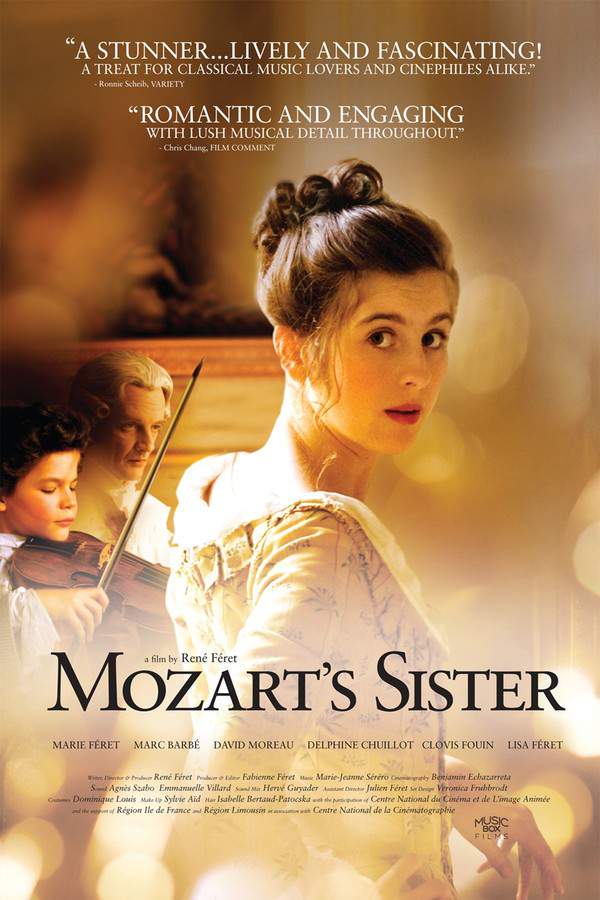
Mozart's Sister (2011) Film Overview & Timeline
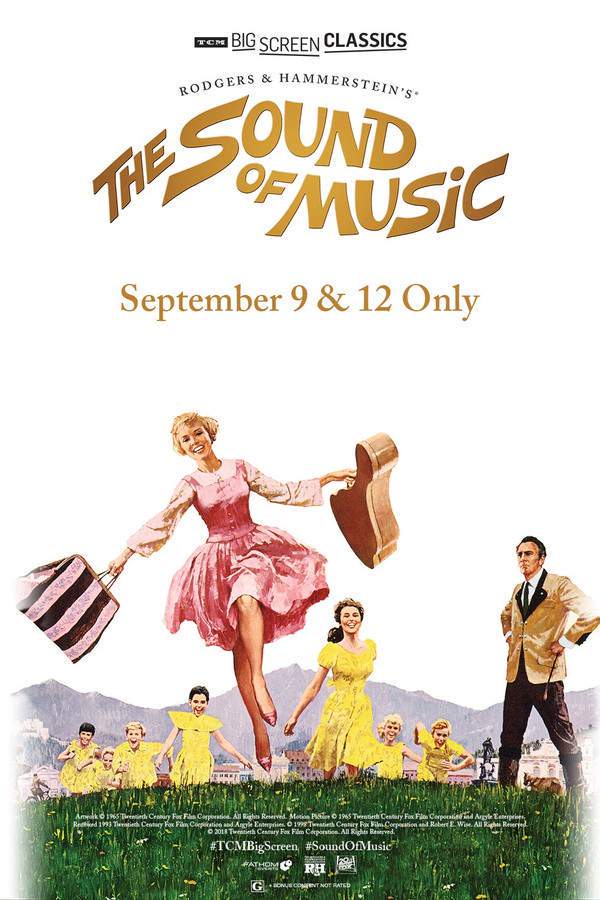
The Sound of Music (1965) Detailed Story Recap
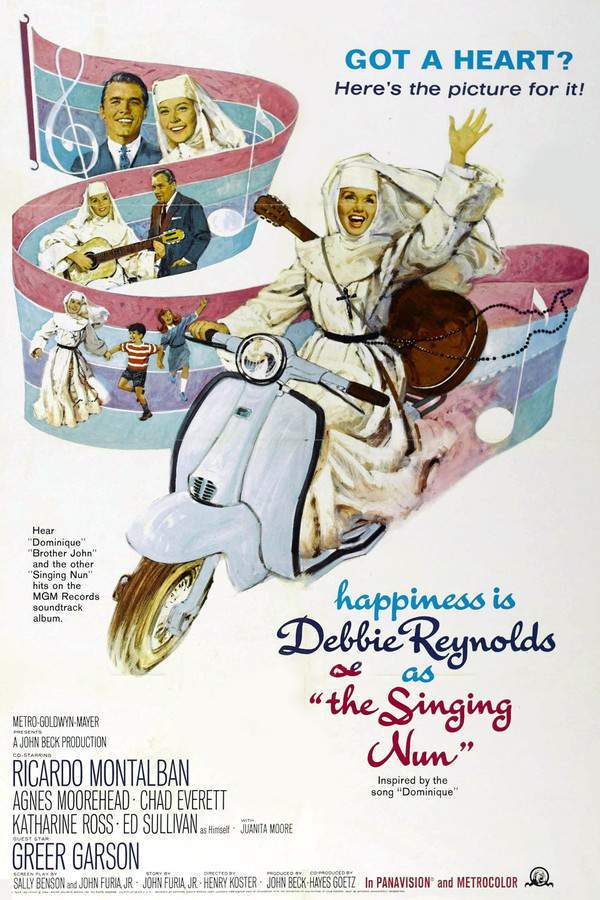
The Singing Nun (1966) Full Summary & Key Details
Family (2001) Plot Summary & Ending Explained
Tru Confessions (2002) Film Overview & Timeline
La traviata (1982) Complete Plot Breakdown
Go Trabi Go (1991) Film Overview & Timeline
Anna (1988) Movie Recap & Themes
The Angel with the Trumpet (1948) Complete Plot Breakdown
The Song of Bernadette (1943) Full Movie Breakdown
Mozart (1955) Story Summary & Characters
Waltzes from Vienna (1934) Full Summary & Key Details
The Magic Flute (1975) Plot Summary & Ending Explained
Summer in Tyrol (1964) Movie Recap & Themes
The Great Waltz (1938) Movie Recap & Themes