






Plot Explained Spoilers guaranteed!
Plot Explained

Browse by genre

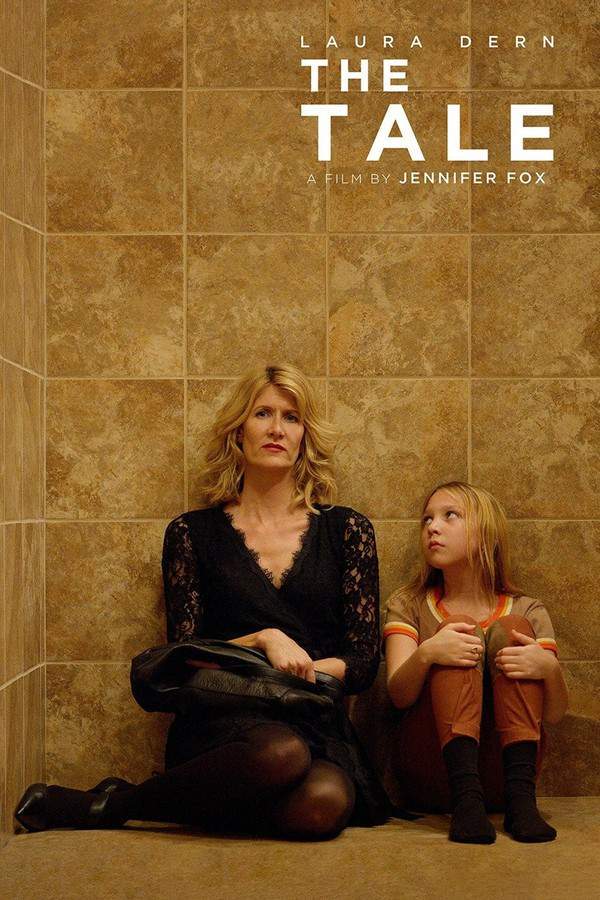
The Tale (2018) movie poster

Timeline

The Tale (2018) Timeline Explained – Every Event in Order

Release, runtime and language
2018 · 114 min · English
Echo score 86
JustWatch #21,228 3
Directed by
Jennifer Fox
Starring
Elizabeth Debicki, Common, Frances Conroy, Ellen Burstyn, Laura Dern, Chelsea Alden

A journalist and professor believes she has a stable and successful life, but her past unexpectedly returns through a childhood story titled "The Tale." This forces her to revisit unsettling memories of her youth spent on a horse farm in Carolina. There, two adult coaches exerted a significant influence over her life, and she must now confront the dark secrets and unsettling truths hidden within those formative years.

On this page (6)
  1. 1 Where to watch
  2. 2 Events in order (13)
  3. 3 Timeline questions answered
  4. 4 Movie threads
  5. 5 Movies like The Tale
  6. 6 Every angle

Where to watch

Where to Watch The Tale (2018)

Where can you watch The Tale? Stream, rent or buy it in the US, including on HBO Max, Amazon Video and Fandango At Home: current JustWatch availability with up-to-date prices.

Streaming availability powered by JustWatch

13 events in order · contains spoilers

The Tale Timeline: Events in Chronological Order

Every key event of The Tale (2018) in order, scene by scene, with when and where it takes place. Use it to untangle flashbacks, time jumps and parallel storylines, to refresh your memory before the sequel or to find the exact scene you are thinking of.

  1. Introduction to Jenny Fox

    The film introduces Jennifer 'Jenny' Fox, a documentary filmmaker in her late forties, portrayed by Laura Dern. She is deeply invested in documenting the experiences of women and girls in third-world countries who have faced sexual violence and harassment.

  2. Women's Rights Protest

    While in Africa for her documentary, Jenny attends a women’s rights protest. Despite warnings of potential violence, she chooses to participate, emphasizing her commitment to the cause and the narratives of the women she aims to highlight.

    Where
    Africa
  3. Mother's Distress Call

    Jenny’s aging mother, Nettie, reaches out after discovering an old essay Jenny wrote in the 1970s. The essay outlines a troubling relationship from her youth, triggering a wave of emotional memories as Jenny brushes away her mother's concerns.

  4. Nostalgic Flashbacks

    As Jenny reflects on her past, she experiences nostalgic flashbacks to her childhood characterized by conflict in her family. These memories evoke feelings of being a shy, overlooked girl, contrasting her current strength and ambitions.

  5. Transformative Summer at Horse Camp

    Jenny recalls a pivotal summer spent at an intense horse training camp, influenced by the charismatic Mrs. G. and coach Bill Allens. This summer becomes a cornerstone of her memories, intertwining joy with unsettling undertones.

    When
    Summer
    Where
    Horse training camp
  6. Reunion with Franny

    Years later, Jenny reconnects with Franny, a former camp attendee who has since become an independent woman running her own horse farm. Their meeting brings back long-buried memories, shedding light on their past experiences.

    Where
    Franny's horse farm
  7. Awkward Recollections

    As Jenny attempts to ride again, her memories of horse camp surface, filled with awkwardness and nostalgia. A lunch with Mrs. G. and Bill reveals deeper insights into their complex relationships and shared histories.

  8. Realizations about Abuse

    During lunch, Jenny learns of Bill and Mrs. G.'s romantic involvement, raising troubling realizations about her own experiences. As she reflects, she begins to understand the manipulative grooming that blurred lines between affection and abuse.

  9. Martin's Discovery

    In the present, Jenny’s boyfriend Martin uncovers letters from Bill that compel her to address the uncomfortable truths of her past. This revelation forces Jenny to confront her experiences, challenging her reluctance to see herself as a victim.

  10. Confronting Mrs. G.

    In a painful confrontation, Jenny visits Mrs. G., who attempts to divert attention from their shared history. This significant moment illustrates Jenny's struggle as she seeks truth about her childhood trauma and its ramifications.

    Where
    Mrs. G.'s home
  11. Awards Ceremony Confrontation

    The climax occurs at an awards ceremony for the elderly Bill, where Jenny publicly confronts him. This cathartic moment unveils the dysfunction and deep rooted issues from her youth, allowing her to reclaim her narrative.

    When
    At the awards ceremony
  12. Recognition of Her Journey

    Following the confrontation, Jenny faces her younger self in a poignant realization that mirrors her evolution from a victim to an advocate. This moment emphasizes the importance of recognizing one's past to heal and empower.

  13. Healing and Empowerment

    The film concludes with Jenny embracing the strength found in confronting her past. Her journey reflects a resilient pursuit of healing, advocating for herself and others who have endured similar experiences.

Last updated: November 16, 2024 at 14:30

Was this helpful?

Timeline questions answered

The Tale Timeline Explained: Your Questions Answered

When does it happen, and why in that order? The questions people ask about the chronology of The Tale (2018): time jumps, flashbacks, cause and effect between scenes and the correct order of events, each answered with spoilers.

Q1

Why is Jenny reluctant to label herself as a victim of abuse?

Jenny struggles to accept the label of victim because the abuse occurred when she was a child and the lines between affection and manipulation were deliberately blurred by her coaches. Bill and Mrs. G. framed their attention as special and even romantic, making Jenny believe she was a willing participant in a 'relationship.' This psychological grooming caused her to question whether what happened was actually abuse, a common response among survivors of childhood sexual abuse.

Foreshadowing: Earlier scenes show Jenny describing her childhood self as shy and overlooked, suggesting she craved the attention that Bill and Mrs. G. provided.

  • Jenny Fox
  • victim
  • abuse
  • reluctance
  • grooming
  • psychological trauma
Q2

What triggers Jenny's suppressed memories of the horse camp?

Jenny's memories are triggered when her elderly mother Nettie discovers an essay Jenny wrote at age thirteen describing her 'relationship' with an older boyfriend. When her mother calls in distress about the essay, Jenny initially dismisses it as simply upsetting to her mother, but the discovery forces her to begin piecing together the fragmented memories of that summer.

Foreshadowing: The film opens with Jenny documenting stories of sexual assault survivors, creating a parallel that later forces her to recognize her own experience.

  • memories
  • horse camp
  • essay
  • Nettie
  • childhood
  • trigger
Q3

How did Bill and Mrs. G. manipulate Jenny at the horse camp?

Bill, who insisted on being called 'Naga,' and Mrs. G. groomed Jenny by showering her with attention and making her feel special. They presented their romantic relationship as something Jenny should aspire to, blurring the lines between adult affection and child abuse. Bill began sexually exploiting Jenny while Mrs. G. either actively participated or deliberately looked away, using Jenny's desire for approval against her.

Foreshadowing: The lunch scene where Bill and Mrs. G. confess their romantic involvement foreshadows the inappropriate dynamics that would extend to Jenny.

  • Bill Allens
  • Mrs. G.
  • manipulation
  • grooming
  • horse camp
  • Naga
  • sexual abuse
Q4

Why does Jenny confront Bill at his awards ceremony?

Jenny confronts Bill at his awards ceremony because he is being honored publicly despite his abuse of multiple young girls. This confrontation represents her reclaiming her narrative and publicly exposing the dysfunction that marred her youth. The setting amplifies the catharsis, she disrupts the celebration of a man who systematically preyed on children, declaring the truth about what he did.

Foreshadowing: Earlier, Martin discovers letters from Bill, which creates pressure for Jenny to stop protecting this secret.

  • Bill
  • awards ceremony
  • confrontation
  • catharsis
  • public exposure
Q5

What is the significance of the essay Jenny wrote as a child?

The essay Jenny wrote at thirteen is significant because it contains her earliest recorded account of the abuse, written from a child's perspective where she described a 'relationship' with an older boyfriend. The essay serves as physical evidence that the abuse occurred and was documented at the time, though Jenny herself had suppressed the traumatic memories for decades until her mother's discovery forced her to confront them.

Foreshadowing: Nettie's distress over finding this specific essay launches the entire narrative of memory recovery.

  • essay
  • childhood
  • Nettie
  • memory
  • evidence
  • 1970s
Q6

How does Jenny's relationship with Martin change after uncovering her past?

When Martin uncovers letters from Bill, he compels Jenny to address the uncomfortable truths of her past. This revelation creates tension in their relationship because Jenny is reluctant to see herself as a victim. Her struggle with intimacy and commitment, which has been a recurring issue throughout their relationship, is revealed to stem from her unresolved childhood trauma. Confronting her past ultimately allows Jenny to engage more honestly with Martin.

Foreshadowing: Early scenes show tension between Jenny and Martin around commitment and intimacy, hinting at deeper psychological barriers.

  • Martin
  • relationship
  • intimacy
  • letters
  • confrontation
  • boyfriend
Q7

Why does Jenny seek out Franny after all these years?

Jenny seeks out Franny, another former camper, to piece together the truth about what happened at the horse camp. Franny has become a strong, independent woman running her own horse farm, and her perspective helps Jenny recover long-buried memories. Their reunion reveals additional information about Mrs. G.'s deteriorating relationship with her husband and the trauma surrounding her late son David, providing context for why Mrs. G. allowed the abuse to happen.

Foreshadowing: The timeline shows Jenny's reunion with Franny as a key step in her memory recovery process.

  • Franny
  • horse camp
  • reunion
  • memory
  • former camper
  • horse farm
Q8

What does the film reveal about Mrs. G's relationship with Bill?

The film reveals that Mrs. G. and Bill were romantically involved, something they openly confess during a lunch with Jenny. This revelation is troubling because it shows that Mrs. G. was fully aware of Bill's predatory behavior yet participated in grooming Jenny. The dynamic suggests Mrs. G. either enabled the abuse directly or deliberately ignored it, using her position of trust to facilitate Bill's access to young girls.

Foreshadowing: The nostalgic, almost dreamlike portrayal of the horse camp contrasts sharply with the dark reality revealed later.

  • Mrs. G.
  • Bill
  • romantic relationship
  • enabling
  • grooming
  • camp
Q9

How does Jenny's confrontation with Mrs. G. unfold?

Jenny confronts Mrs. G. in her home, where the elderly woman desperately tries to deflect attention away from their shared history. This painful confrontation reflects Jenny's internal struggle as she seeks truth about her childhood trauma. Mrs. G. does not take responsibility, forcing Jenny to reckon with the fact that her abusers will not validate her experience, a common reality for survivors.

Foreshadowing: This confrontation occurs after Jenny has already begun piecing together memories with Franny's help.

  • Mrs. G.
  • confrontation
  • denial
  • deflection
  • home visit
Q10

What realization does Jenny come to at the end of the film?

At the film's climax, Jenny comes to the profound realization that it was never her fault. She recognizes that she was a child manipulated by adults she trusted. In a poignant moment, she faces her younger self, acknowledging her evolution from victim to advocate. This acceptance allows her to begin healing and empowers her to continue her work supporting other survivors of sexual violence.

Foreshadowing: Jenny's entire journey of memory recovery leads to this moment of self-recognition and empowerment.

  • realization
  • fault
  • victim
  • advocate
  • younger self
  • healing
  • empowerment
Q11

Why does the film alternate between past and present timelines?

The film uses a flashback structure to mirror how Jenny experiences memory recovery, fragmented, nonlinear, and emotionally charged. The present-day scenes show her as a successful documentary filmmaker confronting current relationships, while the nostalgic flashbacks are depicted in a tender, dreamlike Super 8 style. This structure emphasizes how unresolved childhood trauma continues to affect adult life and demonstrates the psychological process of uncovering suppressed memories.

Foreshadowing: The contrast between the warm visual style of flashbacks and the tense confrontations in the present underscores the disconnect between memory and reality.

  • flashbacks
  • present day
  • timeline
  • structure
  • memory recovery
  • nonlinear
Q12

What truth does Jenny finally accept about her childhood?

Jenny finally accepts that she was sexually abused as a child by Bill and Mrs. G., and that this abuse was not a consensual relationship as she had been led to believe. She accepts that the trauma from this experience has affected her adult relationships, her sense of self-worth, and her ability to intimacy. Most importantly, she accepts that she bears no responsibility for what happened, the fault lies entirely with the adults who exploited a vulnerable child.

Foreshadowing: The film's title 'The Tale' itself refers to the story Jenny was told about her experience, which she must now reconcile with the truth.

  • truth
  • childhood abuse
  • acceptance
  • responsibility
  • Bill
  • Mrs. G.
  • trauma

Movie threads

More Movies Like The Tale, by Mood & Story

Curated lists built around what makes The Tale tick: the same mood, the same kind of story or the same emotional payoff. Each list explains why these movies belong together.

Memory Unraveling Thrillers Like The Tale

Stories where confronting repressed trauma reveals a darker truth. If you were captivated by how The Tale pieces together a traumatic past, you'll find similar experiences here. This list features movies that use flashbacks and fragmented narratives to uncover dark secrets, focusing on psychological thrillers and dramas about confronting repressed memories and the unreliable nature of recollection.

  • psychological
  • unsettling
  • reflective
  • tense
  • cathartic
  • investigative
  • Tone: dark, tense, reflective
  • Pacing: variable, investigative
Why these movies?

The story pattern: The narrative typically begins with a stable present disrupted by a trigger from the past. The protagonist embarks on an investigative or reflective journey, encountering fragmented and sometimes conflicting memories. As the pieces fall into place, a deeply unsettling truth emerges, forcing a dramatic confrontation with the past that reshapes their identity.

Why they belong together: Movies in this thread are grouped by their shared focus on memory as a central plot device. They create a specific kind of psychological tension born from the gap between remembered innocence and uncovered reality, often featuring a non-linear structure and a heavy, cathartic emotional payoff.

Movies About Catharsis and Heavy Truths Like The Tale

Emotionally draining journeys that find empowerment in facing painful realities. For viewers who appreciated The Tale's journey from trauma to empowerment. These films share a focus on emotionally heavy subject matter where the central conflict is confronting a painful truth. They are characterized by a dark tone, high emotional weight, and a bittersweet but ultimately cathartic resolution.

  • cathartic
  • heavy
  • sad
  • hopeful
  • tragic
  • disturbing
  • Tone: bittersweet, dark, cathartic
  • Pacing: slow to variable build
Why these movies?

The story pattern: The journey is defined by a slow, deliberate build-up of tension as the protagonist avoids or is unaware of a central painful truth. A catalyst forces a confrontation, leading to an intense and emotionally raw climax. The resolution is rarely happy, but offers a sense of closure, strength, or newfound understanding born from enduring the hardship.

Why they belong together: These films are connected by their shared emotional arc: they take the viewer through a valley of profound sadness or disturbance to arrive at a place of difficult, earned clarity. The similarity lies in the balance of heavy subject matter with aUltimately hopeful or empowering trajectory, creating a specific bittersweet vibe.

If you liked this

Movies Like The Tale

Similar movies to The Tale: the same genre, themes or kind of story. Each one comes with its own plot summary, timeline and ending explained.

Browse all movie summaries

Every angle

The Tale (2018) Explained: Plot, Timeline & Characters

Everything about The Tale in one place: what happens in the plot summary, the timeline in chronological order, the characters and meaning and a spoiler-free summary. What's After the Movie adds the cast, box office and post-credit scenes.

Coming soon on iOS and Android

The Plot Explained Movie Summary App

Plot summaries, endings explained and timelines on your phone. Catch up on any movie in minutes, save your favorites and never miss a twist again.

Be the first to know when we launch. Your email stays private, always.

Learn more about the app