The Taking of Pelham One Two Three

The Taking of Pelham One Two Three

JustWatch#1,21130

Year: 1974

Runtime: 104 mins

Language: English

Director: Joseph Sargent

ThrillerActionCrime

Armed men hijack a Manhattan subway train, threatening to kill a passenger every minute unless the city pays a $1 million ransom. As negotiators scramble, the criminals must devise a way to escape with the money while the hostages' lives hang in the balance.

Where to Watch The Taking of Pelham One Two Three?

Find where to stream, rent, or buy The Taking of Pelham One Two Three (1974) in the US with current JustWatch availability, up-to-date pricing, and platform listings for subscription, rental, and digital purchase options.

Warning: spoilers below!

Haven’t seen The Taking of Pelham One Two Three yet? This summary contains major spoilers. Bookmark the page, watch the movie, and come back for the full breakdown. If you're ready, scroll on and relive the story!

Timeline – The Taking of Pelham One Two Three (1974)

Trace every key event in The Taking of Pelham One Two Three (1974) with our detailed, chronological timeline. Perfect for unpacking nonlinear stories, spotting hidden connections, and understanding how each scene builds toward the film’s climax. Whether you're revisiting or decoding for the first time, this timeline gives you the full picture.

1

Hijackers board the Pelham 1-2-3 and seize the front car

Four men wearing similar disguises hijack the downtown 6 train Pelham 1-2-3, taking eighteen passengers and the conductor hostage in the front car. They establish radio contact with the New York City Transit Police as the crisis begins. The hijackers’ plan is set in motion, and the passengers realize they are in for a dangerous standoff.

start of hijacking Downtown 6 train, New York City
2

Ransom demanded: exact one-hour deadline

Blue informs Garber that a $1 million ransom must be delivered within exactly one hour, or a hostage will be killed for every minute late. Green sneezes periodically, and Garber responds with 'Gesundheit' each time, underscoring the tense, ongoing negotiations. The clock is ticking as the standoff intensifies.

early in the crisis Front car and Transit Control Center
3

Garber suspects a former motorman among the hijackers

As the hijackers execute their plan, transit officials speculate that one of them is a former motorman capable of uncoupling the head car and moving the train. The conversations hint at hidden motives and potential escape routes. Officials begin focusing on the hijackers' backgrounds rather than a simple robbery.

early in hijacking Transit Police/Control Room
4

Grey kills a transit supervisor

Grey shoots transit supervisor Caz Dolowicz as he approaches the hijacked train from Grand Central, escalating the crisis. The killing demonstrates the hijackers' ruthlessness and complicates any chance of a peaceful resolution. Police and transit staff scramble to respond while maintaining contact with the hijackers.

shortly after hijack begins Near Grand Central Station
5

Ransom transport and crash before reaching 28th Street

The ransom money is transported uptown in a speeding police car but crashes well before reaching 28th Street. The constraint of the deadline tightens as investigators scramble to recover the missing cash and determine the hijackers' plans. The failed delivery heightens the tension aboard the train.

before reaching 28th Street Uptown Manhattan, en route to 28th Street
6

Deadline looms as money reaches station entrance

At the one-hour mark, Garber bluffs that the money has reached the station entrance and will be walked down the tunnel. A police motorcycle delivers the ransom by the tunnel, but a sniper shoots Brown as officers guard the cash, and the hijackers respond by killing the conductor.

at deadline Tunnel near 28th Street
7

Money divided and train controls manipulated

The money is divided among Blue, Green, and Grey, and Blue orders the power to be restored, with signals set to green all the way to South Ferry and police cleared from stations along the route. The hijackers appear confident they can escape through the tunnel network. The tension shifts from hostage-taking to evading capture.

after ransom delivery Underground tunnel system
8

Green pushes the train south and dead man's switch is overridden

Green moves the train farther south, and Blue explains they want more distance from the police inside the tunnel. The hijackers override the dead man's switch, allowing the train to run without anyone actively at the controls. The runaway car begins to operate autonomously, complicating the manhunt outside.

after signal manipulation Tunnel between stations
9

Standoff as hijackers exit and hide

The hijackers discard disguises and weapons and begin to exit the train as Garber and Inspector Daniels search above ground. An off-duty undercover officer hides between the rails, trying to stay hidden from the pursuit. The team struggles to determine where the hijackers have gone.

immediately after hijackers disembark Tunnel and emergency exits
10

Confrontation on the surface and the end of the hijackers

Garber and Daniels reach the street-level exit and confront Blue as the train speeds ahead with no one at the controls. Blue, facing capture, intentionally places his foot on the third rail and electrocutes himself. The immediate danger ends, but the mystery of the hijackers' identities remains.

final confrontation Emergency exit and third rail
11

Pelham 1-2-3 hurtles to a halt and hostages are saved

The runaway train continues through the southbound tunnel until it reaches the South Ferry loop, where automatic safeties bring it to a halt. The hostages are bruised but safe, and the chaotic episode comes to a close. Investigators assess the aftermath and the apparent lack of a straightforward escape.

end of pursuit South Ferry loop, NYC
12

Search for the lone motorman survivor and the final hint

Garber and Patrone identify Harold Longman as a likely recently discharged motorman among the suspects. Longman attempts to bluff and resists accusation, while Garber vows to return with a warrant. As Longman sneezes, Garber again says 'Gesundheit,' hinting that the clue will resurface.

after initial questioning Harold Longman's apartment

Last updated: October 09, 2025 at 11:17

Was this helpful?

The Taking of Pelham One Two Three (1974) Timeline Questions Answered – Chronology FAQ

Find frequently asked questions about the The Taking of Pelham One Two Three (1974) timeline, including chronological order, nonlinear jumps, cause-and-effect links, and scene sequence clarifications. This timeline FAQ helps explain when key events happen, how moments connect, and why the story unfolds in that specific order.

Q1

Why did Mr. Blue choose to electrocute himself on the third rail?

A.

Blue electrocuted himself because he was cornered with no escape route. When Garber confronted him at the emergency exit, Blue realized capture was inevitable. Rather than be taken alive or face interrogation, he deliberately placed his foot on the third rail, choosing suicide over capture.

Earlier, Blue had demonstrated his ruthless determination by killing Grey when he became a liability, showing he would do anything rather than be caught.

mr bluethird railsuicidecaptureconfrontation
Q2

How did the hijackers plan to escape with the money?

A.

The hijackers intended to restore power to the train and set all signals to green toward South Ferry, allowing them to exit the subway and vanish into the city. By overriding the dead man's switch, they made the train run autonomously, creating distance between themselves and pursuing police while they discarded disguises and fled through emergency exits.

Early in the negotiations, transit officials speculated that one hijacker was a former motorman who could manipulate the train's controls and route.

escape plansouth ferrydead man's switchdisguisestunnel
Q3

Why did Grey shoot the transit supervisor Caz Dolowicz?

A.

Grey killed Dolowicz because he approached the hijacked train with what appeared to be a Grand Central Grand Plan, possibly attempting to intervene or negotiate. This act demonstrated the hijackers' willingness to kill anyone who threatened their operation, escalating the crisis and showing they would not hesitate to use violence.

greycaz dolowiczshootingtransit supervisorescalation
Q4

What is the dead man's switch and why did the hijackers override it?

A.

The dead man's switch is a safety mechanism that automatically stops a train if the operator becomes incapacitated. The hijackers overrode it so the train could continue moving without anyone at the controls, allowing them to exit while the runaway car carried police attention away from their actual escape route.

Garber suspected early on that one hijacker was a former motorman familiar with train systems, which explained their knowledge of how to bypass safety controls.

dead man's switchbypasssafety mechanismtrain controlsmotorman
Q5

Why did Mr. Blue kill Mr. Grey during the confrontation?

A.

Blue killed Grey because Grey had become erratic and uncontrollable, posing a risk to the hijackers' escape plan. When they confronted each other at the emergency exit, Blue viewed Grey as a liability who might compromise their getaway or talk to police. Blue's military background made him willing to eliminate anyone he considered a weakness.

bluegreykillingmurderconfrontationmercenary
Q6

How did Mr. Green escape from the subway?

A.

Green escaped through an emergency exit onto the street while the train was moving autonomously and police were focused on Blue's confrontation. As a former motorman, he knew the tunnel system and exit locations, allowing him to slip away before police could catch him. He was the only hijacker to successfully flee the scene.

Early in the hijacking, officials noted that Green sneezed frequently, a detail that would later link him to the investigation through Harold Longman's identical sneeze.

greenescapeemergency exitmotormantunnel
Q7

Why did the ransom delivery crash before reaching the train?

A.

The ransom transport crashed because the police car carrying the money was traveling at high speed through Manhattan and failed to reach 28th Street in time. This forced Garber to bluff that the money was at the station entrance, leading to a risky foot delivery through the tunnel while snipers and hijackers exchanged fire.

ransomcrashmoney deliverypolice28th street
Q8

How did Garber identify the surviving hijacker as Harold Longman?

A.

Garber deduced that the surviving hijacker was a recently discharged motorman because the three dead hijackers were confirmed not to have been motormen. This narrowed the suspect pool to former transit employees. A checklist led them to Harold Longman, who attempted to bluff but was caught when he sneezed, the same sneeze pattern Green had exhibited during the hijacking.

The running 'Gesundheit' motif throughout the negotiations was not just comic relief but a crucial identifying detail that linked Green to Longman.

harold longmanmotormanidentificationsneezeinvestigation
Q9

Why does Garber keep saying 'Gesundheit' whenever Green sneezes?

A.

Garber says 'Gesundheit' as a natural, human response during the tense negotiations, but it becomes a crucial clue. The repeated exchanges humanize the standoff and create an identifying pattern. At the end, when Longman sneezes, Garber's automatic 'Gesundheit' confirms his suspicion that Longman is the fourth hijacker.

Green's persistent sneezing throughout the hijacking was a distinctive behavioral marker that police used to eventually identify the escaped hijacker.

gesundheitsneezerunning gagclueidentification
Q10

What happened to Mr. Brown during the hijacking?

A.

Brown was killed by a police sniper during the ransom exchange at the tunnel. When officers approached with the money, a sniper shot Brown as he stood guard for the hijackers. The hijackers responded by opening fire on the officers, and Brown fell in the crossfire while the train roared along.

brownsniperkilledcrossfireransom exchange
Q11

Why did the runaway train head to the South Ferry loop?

A.

Blue ordered the signals set to green all the way to South Ferry because it was the southernmost station on the line, offering the hijackers the longest tunnel stretch to escape. However, Green deliberately moved the train farther south than planned to create more distance from police, which ultimately led the runaway car into the South Ferry loop where automatic safeties brought it to a halt.

south ferryrunaway trainloopautomatic safetiesescape route
Q12

Why did the hijackers need a former motorman in their group?

A.

The hijackers needed a former motorman because executing the escape required expert knowledge of the subway system's controls, signals, and routes. Only someone with motorman experience could override the dead man's switch, manipulate signals, and know the location of emergency exits. This technical expertise was essential to their plan of using the train itself as a distraction while they fled.

motormanexpertisesubway systemtechnical knowledgeescape plan
Mobile App Preview

Coming soon on iOS and Android

The Plot Explained Mobile App

From blockbusters to hidden gems - dive into movie stories anytime, anywhere. Save your favorites, discover plots faster, and never miss a twist again.

Sign up to be the first to know when we launch. Your email stays private, always.

Explore Movie Threads

Discover curated groups of movies connected by mood, themes, and story style. Browse collections built around emotion, atmosphere, and narrative focus to easily find films that match what you feel like watching right now.

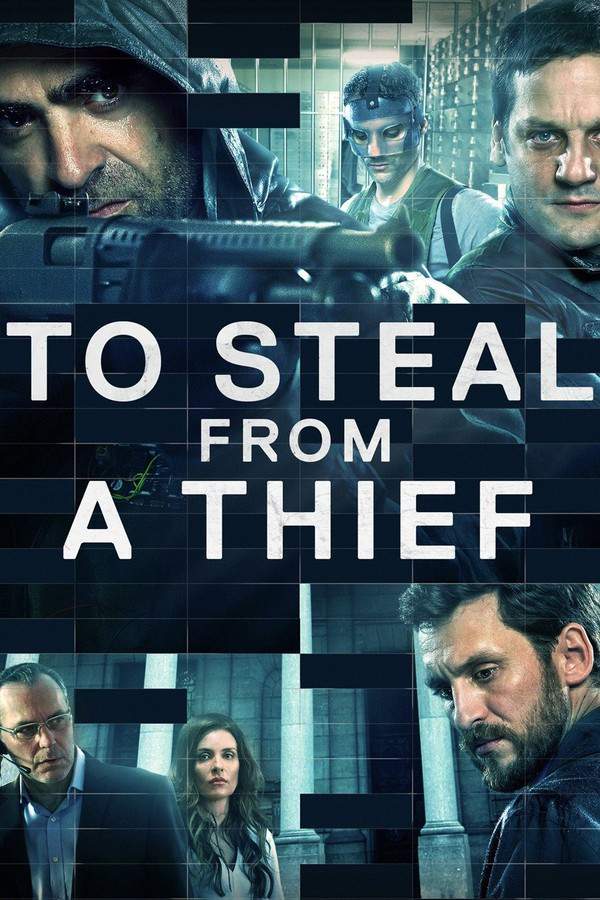
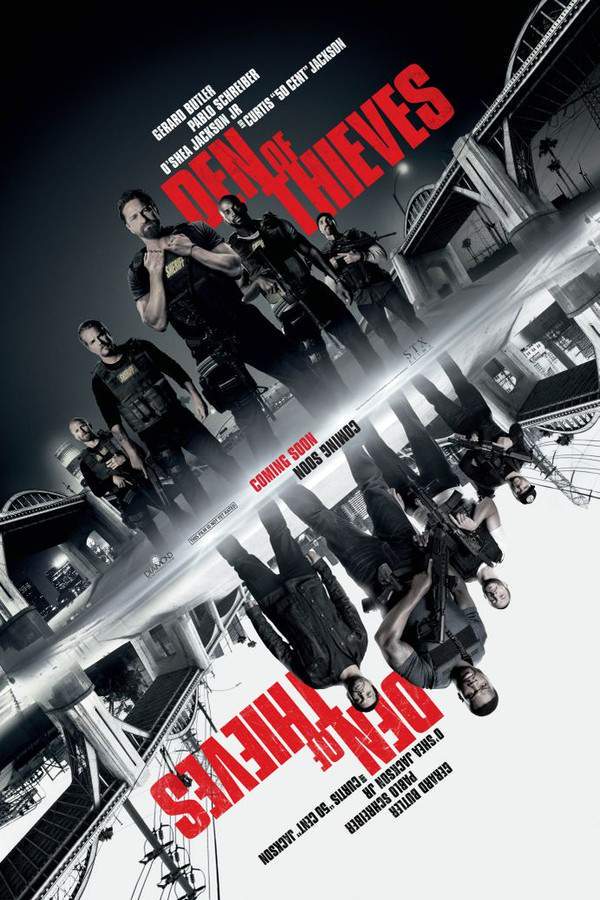
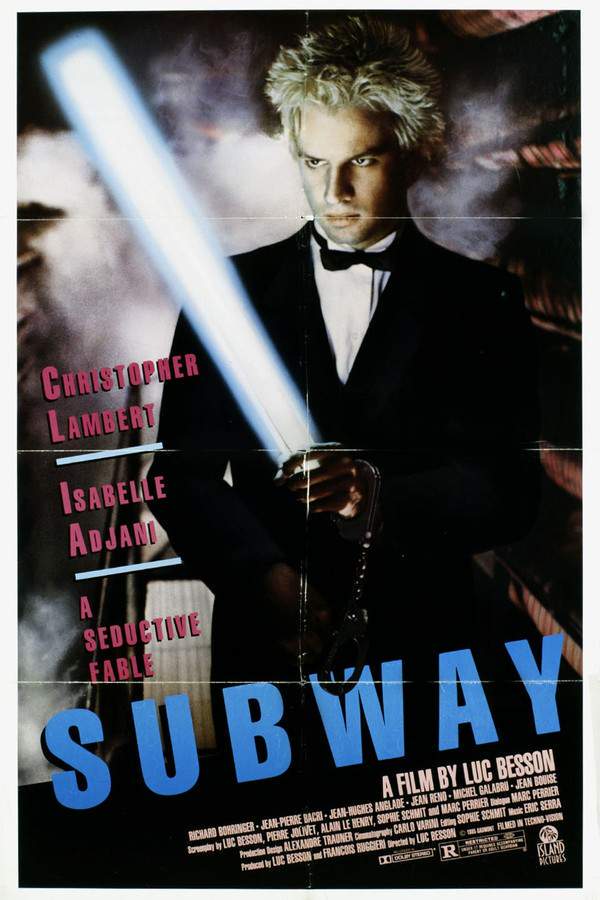
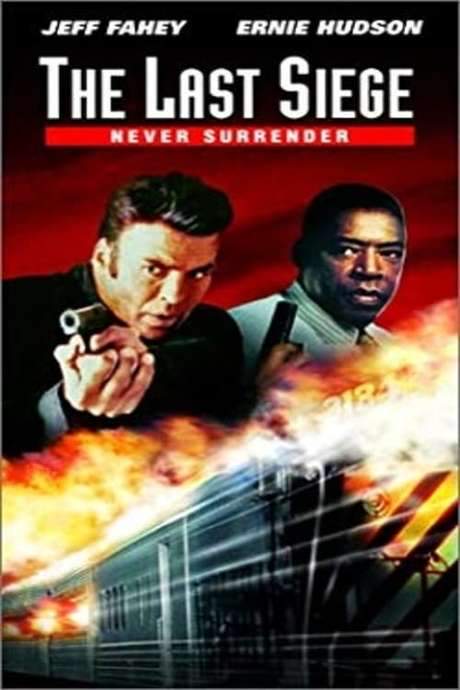
High-Stakes Urban Siege Thrillers like The Taking of Pelham One Two Three

Gritty crime stories where a city becomes the battleground for a tense hostage crisis.If you liked the tense, city-wide crisis in 'The Taking of Pelham One Two Three,' explore more movies like it. This collection features gripping thrillers about hostage negotiations, strategic heists, and tense standoffs that turn urban landscapes into claustrophobic battlegrounds, perfect for fans of procedural crime dramas.
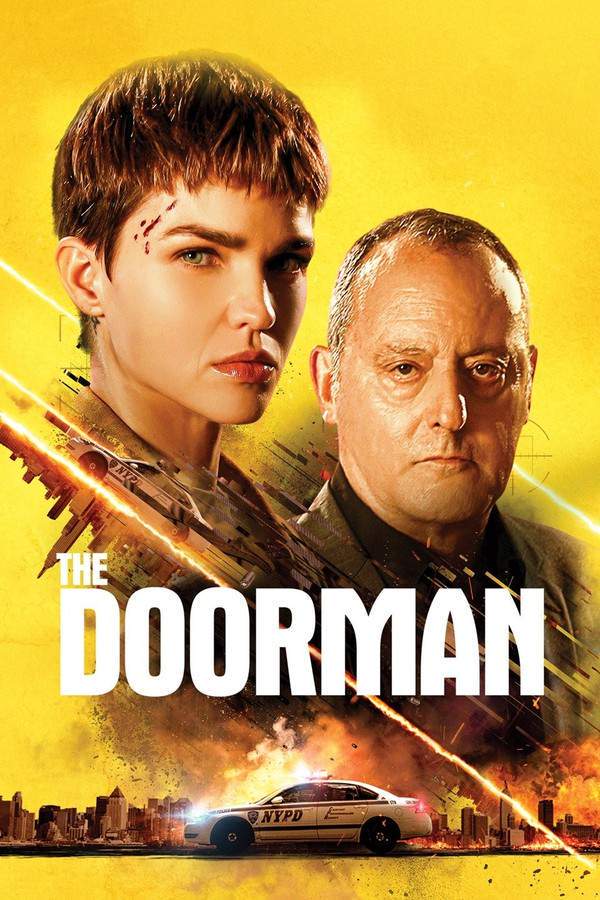
tenseclaustrophobicanxiousmethodicalgrittysuspensefulrace against time

Narrative Summary

These narratives typically begin with a sudden, violent incursion into a public or civic space. The plot revolves around the dual perspectives of the criminals executing a meticulous plan and the authorities scrambling to contain the situation. The structure is defined by escalating demands, fraught negotiations, and the constant, looming threat to innocent lives, building to a climactic confrontation or escape attempt.

Why These Movies?

Movies in this thread share a core DNA of tension derived from a confined setting within a larger city, a methodical crime, and a procedural approach to the resolution. They are united by a gritty, realistic tone, fast pacing driven by a deadline, and a focus on the strategic battle of wits between opposing sides.

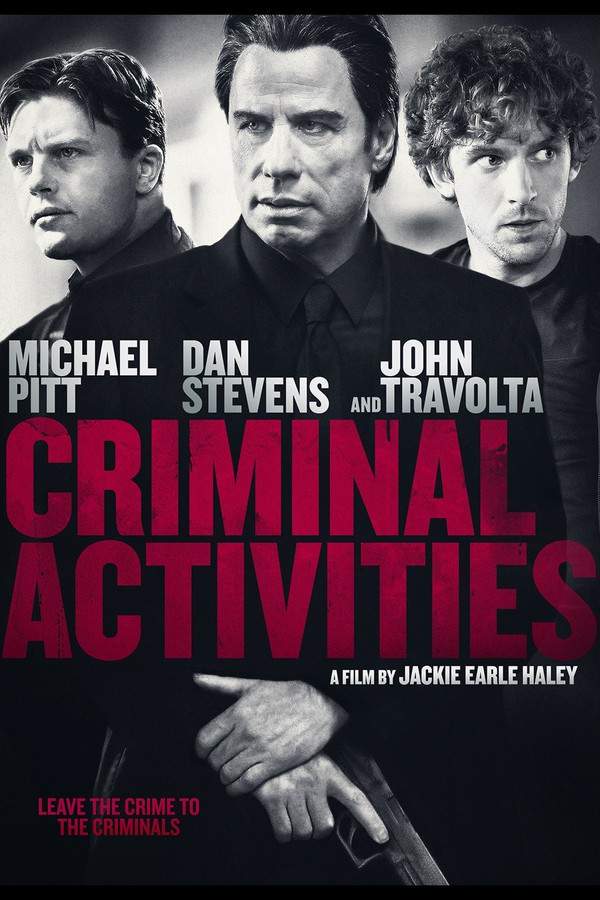
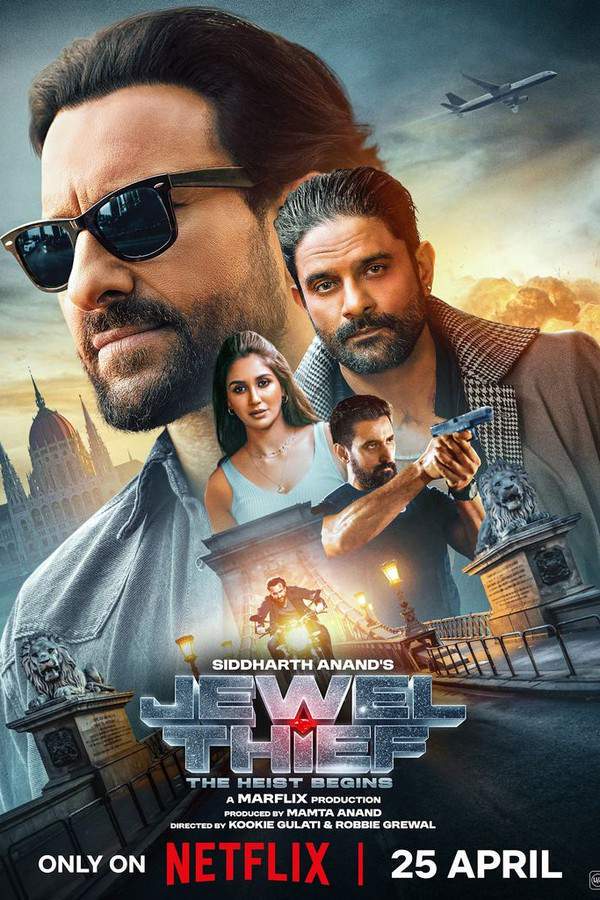
Methodical Cat-and-Mouse Crime Procedurals like The Taking of Pelham One Two Three

Stories where the meticulous plans of criminals meet the shrewd logic of their pursuers.Fans of the strategic battle in 'The Taking of Pelham One Two Three' will enjoy these similar movies. This list features clever crime stories where the focus is on the meticulous plans of criminals and the equally cunning efforts to stop them, offering a satisfying, logic-driven tension.

methodicalsuspensefulclevertensecerebralproceduralcat and mouse

Narrative Summary

The narrative pattern is built around a well-defined scheme, often a heist or ransom plot, which is revealed to the audience. The conflict arises as a protagonist—a detective, negotiator, or insurance investigator—methodically pieces together clues or engages in a psychological battle to disrupt the plan. The enjoyment comes from observing the intricate details of both the crime and the pursuit.

Why These Movies?

These movies are grouped by their shared emphasis on process and intellect over sheer force. They possess a moderate complexity that rewards attention to detail, a tone that is consistently tense but controlled, and a pacing that is fast due to narrative urgency but feels methodical in its execution.

Unlock the Full Story of The Taking of Pelham One Two Three

Don't stop at just watching - explore The Taking of Pelham One Two Three in full detail. From the complete plot summary and scene-by-scene timeline to character breakdowns, thematic analysis, and a deep dive into the ending - every page helps you truly understand what The Taking of Pelham One Two Three is all about. Plus, discover what's next after the movie.

The Taking of Pelham One Two Three Summary

Read a complete plot summary of The Taking of Pelham One Two Three, including all key story points, character arcs, and turning points. This in-depth recap is ideal for understanding the narrative structure or reviewing what happened in the movie.

The Taking of Pelham One Two Three Summary

Characters, Settings & Themes in The Taking of Pelham One Two Three

Discover the characters, locations, and core themes that shape The Taking of Pelham One Two Three. Get insights into symbolic elements, setting significance, and deeper narrative meaning - ideal for thematic analysis and movie breakdowns.

Characters, Settings & Themes in The Taking of Pelham One Two Three

The Taking of Pelham One Two Three Spoiler-Free Summary

Get a quick, spoiler-free overview of The Taking of Pelham One Two Three that covers the main plot points and key details without revealing any major twists or spoilers. Perfect for those who want to know what to expect before diving in.

The Taking of Pelham One Two Three Spoiler-Free Summary

More About The Taking of Pelham One Two Three

Visit What's After the Movie to explore more about The Taking of Pelham One Two Three: box office results, cast and crew info, production details, post-credit scenes, and external links - all in one place for movie fans and researchers.

More About The Taking of Pelham One Two Three

Similar Movies to The Taking of Pelham One Two Three

Discover movies like The Taking of Pelham One Two Three that share similar genres, themes, and storytelling elements. Whether you’re drawn to the atmosphere, character arcs, or plot structure, these curated recommendations will help you explore more films you’ll love.