Plot Explained Spoilers guaranteed!
Plot Explained

Browse by genre

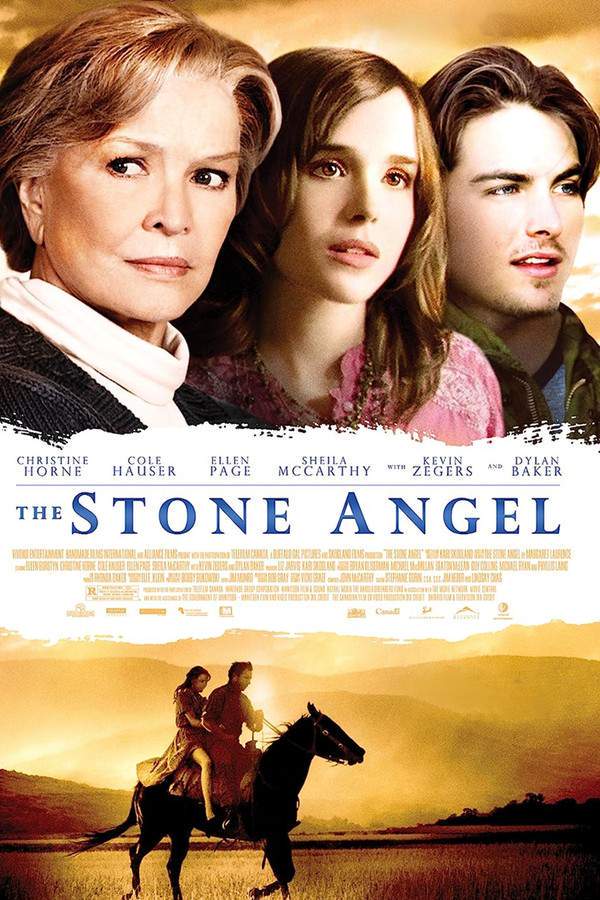
The Stone Angel (2008) movie poster

Characters & Themes

The Stone Angel (2008) Characters, Setting & Themes Explained

Release, runtime and language
2008 · 116 min · English
Directed by
Kari Skogland
Starring
Ellen Burstyn, Elliot Page, Christine Horne

Ninety-year-old Hagar stubbornly resists losing her independence and undertakes a moving journey back to her childhood home, now fallen into disrepair. As she reflects on the past, she’s forced to confront deeply buried secrets and unresolved feelings. These include the painful reality of a failed marriage and the repercussions of prioritizing love above family expectations, ultimately leading her to a poignant understanding of her life.

On this page (7)
  1. 1 Characters explained (5)
  2. 2 Where & when it takes place
  3. 3 Themes & meaning (3)
  4. 4 Character & meaning questions
  5. 5 Movie threads
  6. 6 Movies like The Stone Angel
  7. 7 Every angle

5 main characters · contains spoilers

The Stone Angel Characters Explained: Who Is Who

The main characters of The Stone Angel (2008), heroes and villains: what drives them, how they change over the course of the story and what each of them reveals about the film's bigger ideas.

  • Hagar Shipley (Ellen Burstyn)

    Hagar is portrayed as a strong-willed and often stubborn matriarch whose life's journey is marked by emotional struggles and deep introspection. Her complex relationships with her family reflect her conflicting feelings of superiority and guilt, especially regarding her choices that led to alienation. As she confronts her past, she reveals layers of vulnerability and resilience.

    • 👩‍👧 Motherhood
    • 🥀 Regret
    • 💪 Strength
  • Marvin

    Marvin is Hagar's son, who faces the painful decision of moving her to a nursing home, igniting her journey of reflection. His character represents the conflict between familial obligation and the need for independence. Throughout the movie, his relationship with Hagar reveals the complexities of love and obligation in family dynamics.

    • 🏠 Home
    • 💔 Family Conflict
  • Bram

    Bram, Hagar's husband, is depicted as a humble farmer whose struggle with alcoholism adds depth to their relationship. His character highlights the tensions between social status and personal struggles. Hagar's view of Bram contributes to her perception of superiority, complicating their love story.

    • 🚜 Agriculture
    • 🍺 Alcoholism
  • John

    John is Hagar's younger son, whose relationship with Arlene strays far from Hagar's expectations. As the one who ultimately disappoints her, his actions prompt Hagar to confront her own rigidity and judgments. John's journey reflects the fragility of familial bonds and the complexities of loyalty.

    • 💔 Disappointment
    • 🌸 Love
  • Leo

    Leo serves as a pivotal figure in Hagar's journey of self-discovery, prompting her to confront her buried secrets and emotional struggles. His support is crucial for Hagar's cathartic journey, symbolizing the potential for finding closure and understanding through connection.

    • 🤝 Support
    • 🌌 Healing

Last updated: October 22, 2024 at 22:06

Was this helpful?

Setting

Where and When Does The Stone Angel Take Place?

The setting of The Stone Angel (2008): the year and time period, the places and locations, and how they shape the characters, the mood and the tension of the story.

Time period

Several Decades

The narrative spans several decades, reflecting the long-term effects of Hagar's choices on her life and relationships. This extended timeline allows for a deep exploration of memory and regret, as Hagar revisits her past through flashbacks. The passage of time emphasizes the evolution of her character and the consequences of her stubbornness.

Location

Manitoba

The movie is primarily set in rural Manitoba, a region known for its vast landscapes and rich agricultural heritage. Hagar's childhood home symbolizes both nostalgia and the roots of her conflicts, serving as a backdrop to her formative experiences and relationships. This rural setting contrasts with her later life in a more affluent environment, highlighting themes of social class and personal identity.

  • 🏡 Rural
  • 🏡 Childhood Home

Last updated: October 22, 2024 at 22:06

Was this helpful?

3 major themes

The Stone Angel Meaning: Themes & Message Explained

What is The Stone Angel (2008) really about? The emotional, social and philosophical themes the film keeps returning to, its symbolism and the message beneath the surface.

  • Family Estrangement

    The film explores complex family dynamics and the pain of estrangement, particularly between Hagar and her sons. Hagar's rigid expectations contribute to her strained relationships, illustrating how love can be overshadowed by unmet expectations and resentment. The theme serves as a reminder of the delicate balance between familial duty and personal desire.

  • Reflection and Regret

    Hagar's journey is marked by moments of reflection and regret as she confronts her past decisions. The use of flashbacks allows the audience to witness the formative moments of her life that shaped her identity. This theme emphasizes the importance of understanding one's history to achieve closure and personal growth.

  • Growth and Acceptance

    Throughout the film, Hagar's character undergoes significant growth as she learns to accept her past and the impact of her choices. This journey towards acceptance highlights the potential for personal transformation, allowing her to reconcile with her son Marvin by the end. It underscores the idea that self-discovery often arises from confronting one's own flaws.

Last updated: October 22, 2024 at 22:06

Was this helpful?

Character & theme questions

The Stone Angel Characters & Meaning: Your Questions Answered

The questions people ask about The Stone Angel (2008): who the characters really are, their relationships, what the symbols mean, where it takes place and what the movie is really about. Each answer contains spoilers.

Q1

Where is the movie primarily set?

The film is primarily set in rural Manitoba, a region in Canada known for its vast agricultural landscapes. Hagar's childhood home, now fallen into disrepair, serves as the central location and symbolizes both nostalgia and the roots of her lifelong conflicts.

  • rural manitoba
  • settings
  • childhood home
  • canadian prairie
Q2

What does the rural setting represent in the story?

The rural Manitoba setting represents Hagar's roots and formative experiences, contrasting sharply with her later affluent life. This contrast highlights themes of social class and personal identity, showing how her humble beginnings clash with her later sense of superiority.

  • manitoba
  • rural setting
  • social class
  • nostalgia
  • identity
Q3

When does the story take place?

The narrative spans several decades, moving between Hagar's present-day journey and flashbacks to her past. This extended timeline allows the audience to see how her choices throughout life led to her current circumstances of estrangement and regret.

  • several decades
  • timeline
  • flashbacks
  • memory
  • past
Q4

What is the film saying about family estrangement?

The film explores how Hagar's rigid expectations and sense of superiority contributed to her strained relationships with her sons. Her inability to accept their choices led to deep alienation, showing how love can be overshadowed by unmet expectations and resentment.

  • family estrangement
  • sons
  • relationships
  • expectations
  • alienation
Q5

How does the film explore reflection and regret?

Hagar's journey is driven by moments of deep reflection as she confronts her past decisions. Through flashbacks, the audience sees the formative moments that shaped her identity, emphasizing how understanding one's history is essential for achieving closure and personal growth.

  • reflection
  • regret
  • memory
  • closure
  • self-discovery
Q6

What does the film say about personal growth and acceptance?

The film shows Hagar undergoing significant personal growth as she learns to accept her past and its consequences. This journey toward acceptance allows her to reconcile with her son Marvin, demonstrating that self-discovery often arises from confronting one's own flaws and mistakes.

  • growth
  • acceptance
  • reconciliation
  • transformation
  • self-understanding
Q7

Who is Hagar Shipley and what defines her?

Hagar Shipley is a ninety-year-old matriarch portrayed as strong-willed and stubborn, with deep-seated feelings of superiority and guilt. Her complex relationships with her family reflect her conflicting emotions, particularly regarding choices that led to alienation from her sons.

  • hagar shipley
  • matriarch
  • stubborn
  • pride
  • independence
Q8

What is Marvin's role in the story?

Marvin is Hagar's son who faces the difficult decision of moving her to a nursing home, which sparks her journey of reflection. He represents the conflict between familial obligation and the need for independence, revealing the complexities of love and duty in family dynamics.

  • marvin
  • son
  • nursing home
  • obligation
  • family duty
Q9

Who is Leo and why is he important to Hagar?

Leo serves as a pivotal figure in Hagar's journey of self-discovery, prompting her to confront her buried secrets and emotional struggles. His support is crucial for her cathartic journey, symbolizing the potential for finding closure and understanding through human connection.

  • leo
  • support
  • closure
  • connection
  • self-discovery
Q10

Who is Bram and what was his relationship with Hagar like?

Bram was Hagar's husband, depicted as a humble farmer who struggled with alcoholism. Their relationship was complicated by tensions between social status and personal struggles, with Hagar's view of Bram contributing to her sense of superiority despite their marriage.

  • bram
  • husband
  • farmer
  • alcoholism
  • marriage

Movie threads

More Movies Like The Stone Angel, by Mood & Story

Curated lists built around what makes The Stone Angel tick: the same mood, the same kind of story or the same emotional payoff. Each list explains why these movies belong together.

Movies about elderly reflection like The Stone Angel

Elderly protagonists confront a lifetime of choices and regrets on a final journey. For viewers who appreciated The Stone Angel, this collection features similar movies about aging characters undertaking journeys of self-discovery. These films explore themes of regret, revisiting the past, and achieving a poignant understanding of one's life, blending heavy emotional weight with a slow, melancholic tone.

  • reflective
  • nostalgic
  • somber
  • cathartic
  • lonely
  • resigned
  • Tone: melancholic, nostalgic, somber
  • Pacing: slow, reflective
Why these movies?

The story pattern: The narrative follows a protagonist in their twilight years as a present-day event or crisis triggers a deep dive into their personal history through memories and flashbacks. The story unfolds slowly, juxtaposing past decisions with their present-day consequences, building towards a moment of profound, if sorrowful, acceptance and closure.

Why they belong together: They are grouped by their shared focus on the emotional landscape of aging, using a reflective and often nonlinear structure. The tone is consistently melancholic and resigned, the pacing is deliberate to allow for introspection, and they deliver a heavy emotional impact centered on themes of memory and reconciliation.
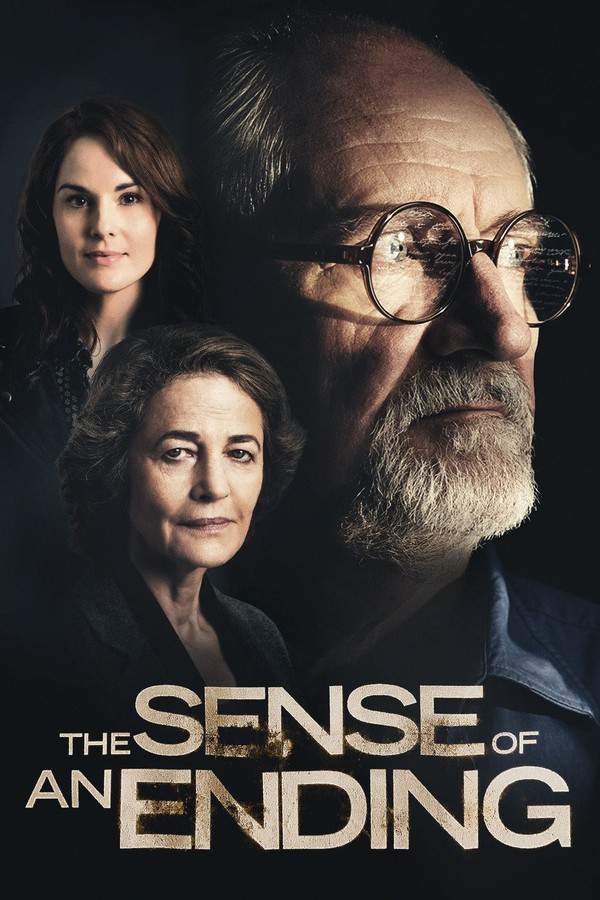
Family estrangement dramas similar to The Stone Angel

Intimate stories exploring the deep, lasting wounds caused by family conflicts. If you liked The Stone Angel's exploration of a fractured family, these movies also center on parent-child estrangement and the burden of regret. They are slow-paced, character-driven stories with a heavy emotional weight, a melancholic tone, and a focus on the repercussions of prioritizing pride over connection.

  • painful
  • somber
  • reflective
  • cathartic
  • regretful
  • lonely
  • Tone: melancholic, painful, somber
  • Pacing: slow, character-driven
Why these movies?

The story pattern: The plot typically unfolds across different time periods, revealing how a single event or a series of choices—often involving pride, societal expectations, or a failure to communicate—irreparably damaged a core family bond. The story builds towards a confrontation with this past hurt, which may or may not lead to reconciliation, but always toward a painful acknowledgment of loss.

Why they belong together: These films share a core thematic focus on the fallout of family estrangement, particularly between parents and children. They possess a heavy emotional weight, a slow, deliberate pacing that allows for deep character study, and a melancholic tone that underscores the sorrow of missed connections and irreversible decisions.

If you liked this

Movies Like The Stone Angel

Similar movies to The Stone Angel: the same genre, themes or kind of story. Each one comes with its own plot summary, timeline and ending explained.

Browse all movie summaries

Every angle

The Stone Angel (2008) Explained: Plot, Timeline & Characters

Everything about The Stone Angel in one place: what happens in the plot summary, the timeline in chronological order, the characters and meaning and a spoiler-free summary. What's After the Movie adds the cast, box office and post-credit scenes.

Coming soon on iOS and Android

The Plot Explained Movie Summary App

Plot summaries, endings explained and timelines on your phone. Catch up on any movie in minutes, save your favorites and never miss a twist again.

Be the first to know when we launch. Your email stays private, always.

Learn more about the app