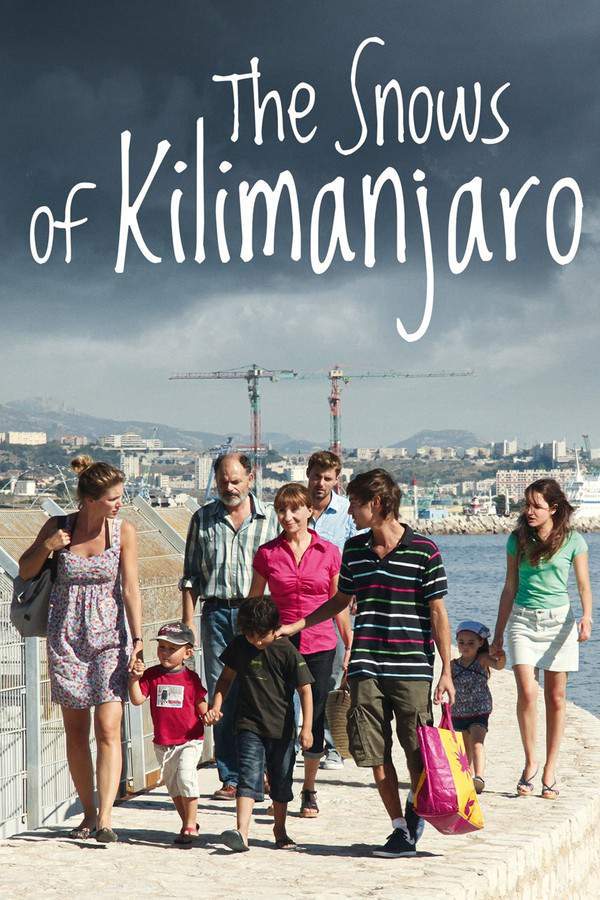
The Snows of Kilimanjaro

A writer suffering from a mysterious illness reflects on his life while awaiting rescue high on the slopes of Mount Kilimanjaro. Through flashbacks, he recalls a career of bad choices and lost love, revealing a painful past filled with regret. A compassionate guide and his wife offer unexpected kindness, forcing the writer to confront his failings and search for a glimmer of hope amidst the imposing beauty of the mountain.
Where to Watch The Snows of Kilimanjaro?
Find where to stream, rent, or buy The Snows of Kilimanjaro (1952) in the US with current JustWatch availability, up-to-date pricing, and platform listings for subscription, rental, and digital purchase options.





























Streaming availability powered by 
Warning: spoilers below!
Haven’t seen The Snows of Kilimanjaro yet? This summary contains major spoilers. Bookmark the page, watch the movie, and come back for the full breakdown. If you're ready, scroll on and relive the story!
Timeline – The Snows of Kilimanjaro (1952)
Trace every key event in The Snows of Kilimanjaro (1952) with our detailed, chronological timeline. Perfect for unpacking nonlinear stories, spotting hidden connections, and understanding how each scene builds toward the film’s climax. Whether you're revisiting or decoding for the first time, this timeline gives you the full picture.
Last updated: November 17, 2024 at 20:58
The Snows of Kilimanjaro (1952) Timeline Questions Answered – Chronology FAQ
Find frequently asked questions about the The Snows of Kilimanjaro (1952) timeline, including chronological order, nonlinear jumps, cause-and-effect links, and scene sequence clarifications. This timeline FAQ helps explain when key events happen, how moments connect, and why the story unfolds in that specific order.
Why did Michel decide to enter his name in the redundancy draw?
Michel initially refused to put his name in the draw, but his deep sense of solidarity with his fellow workers compelled him to reconsider. As a union representative who had dedicated nearly thirty years to his colleagues, he couldn't stand apart from them when they faced job loss. His commitment to the collective meant he had to share their fate, even though it meant risking his own job security.
Earlier scenes establish Michel as someone who prioritizes the wellbeing of his coworkers over personal safety.
Why does Michel choose to help Christophe's brothers instead of confronting him?
Michel discovers that Christophe, also made redundant from the shipyard, is caring for his two younger brothers who were abandoned by their mother. Rather than confronting Christophe about the stolen comic book, Michel decides to support the boys, viewing it as an opportunity to live up to the ideals of his socialist hero Jean Jaurès. His commitment to solidarity and compassion outweighs his desire to recover his lost property.
Michel's decision echoes his earlier choice to enter the redundancy draw, reinforcing his consistent values.
Why was Marie-Claire secretly caring for the children?
Marie-Claire had independently begun helping the two abandoned brothers, revealing that she shared the same deep-rooted values as Michel. Her secret compassion demonstrates the unspoken understanding and shared principles that have sustained their 30-year marriage. She was acting on the same impulse that defines Michel's character, responding to need with generosity rather than judgment.
This revelation recontextualizes earlier moments, showing Marie-Claire's consistent nature throughout the story.
Why does Raoul confess to stealing the comic book from Michel as a child?
Raoul confesses that the comic book he gave Michel as an anniversary gift was not a fortunate secondhand find but something he had stolen from Michel during their childhood. This shocking revelation introduces past betrayal into the narrative, complicating the relationship between the two men and raising questions about Raoul's motivations, whether driven by guilt, a desire for redemption, or something more complex.
This twist adds emotional weight to the earlier gift-giving scene, transforming a nostalgic gesture into something more complicated.
Why is the comic book so important to Michel?
The comic book holds significant sentimental value for Michel as a cherished memento from his childhood. When thieves steal it during the home invasion, the loss represents more than material value, it symbolizes a connection to his past and simpler times. This emotional attachment drives his determination to track down the stolen book, leading him to Christophe and ultimately to helping the abandoned brothers.
The comic book's early appearance as a gift from Raoul establishes its emotional significance before it becomes a plot driver.
How does the home invasion drive the plot forward?
The home invasion serves as the pivotal event that sets Michel on his path to Christophe and the abandoned brothers. The traumatic break-in leaves Michel injured, steals valuable items including the comic book, and deeply traumatizes Marie-Claire. More importantly, it propels Michel to pursue the stolen comic on the bus, which directly leads him to discover Christophe's situation and ultimately transforms the couple's lives through foster care.
The timing of the invasion, just before their anticipated trip, highlights the contrast between their hopes and the reality they face.
What happens when Michel is selected in the redundancy draw?
Michel is among twenty workers selected in the shipyard's redundancy lottery, a devastating turn that shatters the security he has built over nearly thirty years. Despite his initial decision not to enter the draw, his sense of solidarity led him to submit his name, and the selection leaves both him and Marie-Claire reeling in disbelief. This event marks the beginning of the film's central challenges and sets the emotional tone for everything that follows.
The redundancy introduces the economic anxiety that threads through the entire narrative.
Why do Michel and Marie-Claire's adult children object to fostering the brothers?
Michel and Marie-Claire face resistance from their adult children when they decide to foster the two abandoned brothers. While the specific objections are not detailed in the summary, this conflict represents the generational differences and practical concerns that arise when older adults take on new responsibilities. The couple must navigate their children's disapproval while maintaining their commitment to helping the children in need.
This family conflict occurs after the couple has already committed to supporting the brothers, adding tension to their decision.
What childhood memory does the comic book represent for Michel?
The comic book serves as a tangible connection to Michel's childhood, representing a simpler time before the responsibilities of work, family, and union activism. Its loss during the home invasion triggers Michel's determination to recover it, and Raoul's later confession that he stole it years ago adds another layer of meaning, suggesting the comic was always tied to complicated relationships and unresolved feelings from their shared past.
Raoul's gift of the comic book during the anniversary celebrations is framed as a nostalgic gesture of familial love.
Why does the trip to Mount Kilimanjaro not happen as planned?
Michel and Marie-Claire's anticipated trip to Tanzania for their 30th wedding anniversary is derailed by the home invasion. The traumatic event, which leaves Michel injured and results in the theft of the comic book, prevents them from embarking on their adventure. Instead of climbing Mount Kilimanjaro, Michel becomes embroiled in his quest to recover the stolen comic, which leads him to the abandoned brothers and ultimately to a different kind of journey, one of personal redemption and family.
The trip represents their hope for renewal, making its cancellation all the more significant.

Explore Movie Threads
Discover curated groups of movies connected by mood, themes, and story style. Browse collections built around emotion, atmosphere, and narrative focus to easily find films that match what you feel like watching right now.
Movies about regret and redemption like The Snows of Kilimanjaro
Characters confronting past failures to find meaning and hope in the present.If you liked the reflective, bittersweet tone of The Snows of Kilimanjaro, explore these movies about characters reckoning with their past. These similar drama films feature steady pacing, emotional weight, and stories where confronting regret leads to a hopeful, if bittersweet, sense of redemption and new purpose.













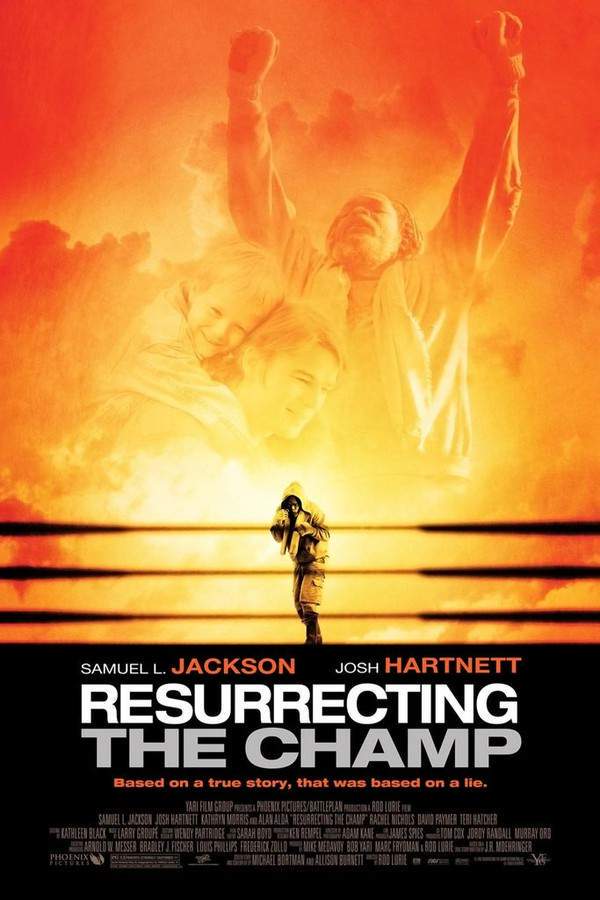

Narrative Summary
Stories in this thread often use a reflective structure, such as flashbacks or a present-day crisis, to delve into a character's history of mistakes and loss. The plot is driven by an internal emotional journey rather than external action, as the protagonist processes their regrets and gradually opens themselves to a chance at redemption, often sparked by an external influence like a new relationship or a renewed sense of duty.
Why These Movies?
These movies are grouped together because they share a core emotional journey: a bittersweet, reflective mood, a focus on personal failings and the possibility of atonement, and a narrative that prizes emotional revelation over complex plotting. They offer a similar viewing experience of thoughtful drama with a medium emotional weight.
Movies about found family in crisis like The Snows of Kilimanjaro
Unexpected relationships that provide strength and purpose during difficult times.Discover movies similar to The Snows of Kilimanjaro that explore how solidarity and unexpected kindness emerge during hardship. These drama and adventure films share a theme of 'found family,' where characters facing crises form deep bonds that offer a bittersweet but powerful sense of hope and renewed responsibility.

My Bromance
2014

Endings, Beginnings
2019

Dinner with Friends
2001

Boys on the Side
1995

When The Bough Breaks
1947

Like Dandelion Dust
2009

A Simple Twist of Fate
1994

Tangiwai: A Love Story
2011

Crimes of the Heart
1987

The Valley of Decision
1945

As It Is in Heaven
2004

Waiting for Forever
2011

Sweethearts
2024

Long Life, Happiness and Prosperity
2002

Hope Floats
1998
Narrative Summary
The narrative pattern involves a central character or couple whose stable world is disrupted by a crisis. Their isolation is broken by the arrival of others in need or by acts of kindness from strangers. The plot revolves around the development of these new relationships, showing how compassion and mutual responsibility can create a new form of family and provide a redemptive arc, even if the original crisis is not fully resolved.
Why These Movies?
This group is defined by a shared focus on the theme of 'found family' and solidarity as a response to crisis. The movies have a consistent bittersweet tone, balancing serious themes with uplifting human connection, and a steady, character-driven pace that allows these bonds to feel earned and meaningful.
Unlock the Full Story of The Snows of Kilimanjaro
Don't stop at just watching - explore The Snows of Kilimanjaro in full detail. From the complete plot summary and scene-by-scene timeline to character breakdowns, thematic analysis, and a deep dive into the ending - every page helps you truly understand what The Snows of Kilimanjaro is all about. Plus, discover what's next after the movie.
The Snows of Kilimanjaro Summary
Read a complete plot summary of The Snows of Kilimanjaro, including all key story points, character arcs, and turning points. This in-depth recap is ideal for understanding the narrative structure or reviewing what happened in the movie.

Characters, Settings & Themes in The Snows of Kilimanjaro
Discover the characters, locations, and core themes that shape The Snows of Kilimanjaro. Get insights into symbolic elements, setting significance, and deeper narrative meaning - ideal for thematic analysis and movie breakdowns.


Similar Movies to The Snows of Kilimanjaro
Discover movies like The Snows of Kilimanjaro that share similar genres, themes, and storytelling elements. Whether you’re drawn to the atmosphere, character arcs, or plot structure, these curated recommendations will help you explore more films you’ll love.

White as Snow
2021
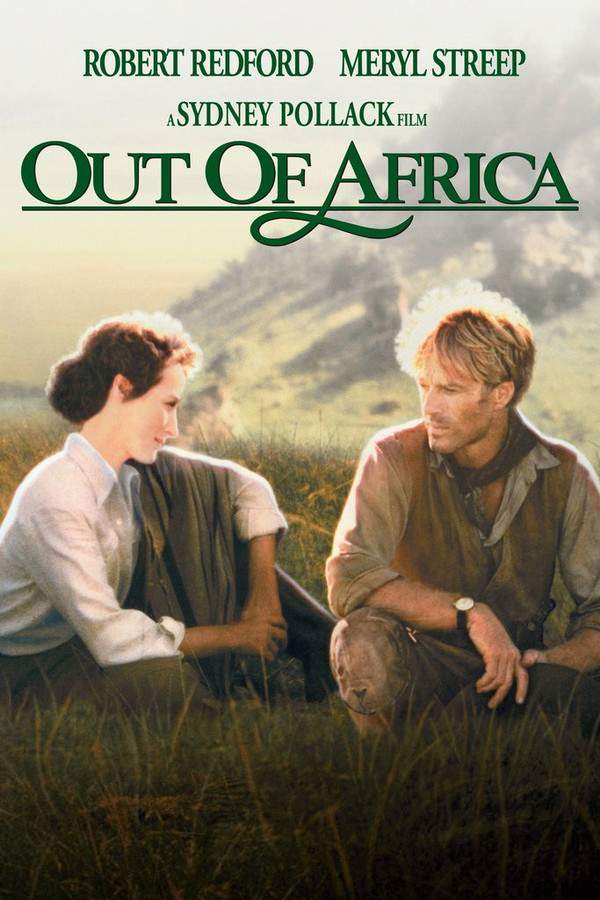
Out of Africa
1985

The Tiger and the Snow
2006

I Dreamed of Africa
2000

Gabriel and the Mountain
2018

Mountains of the Moon
1990

Avalanche
1982

The Flame Trees of Thika
1000

The Mines of Kilimanjaro
1986

The Macomber Affair
1947

Killers of Kilimanjaro
1959

Nor the Moon by Night
1958

The Mountain
1956

Mogambo
1953

Safari
1956
Explore More About Movie The Snows of Kilimanjaro
The Snows of Kilimanjaro (1952) Plot Summary & Movie Recap
The Snows of Kilimanjaro (1952) Scene-by-Scene Movie Timeline
The Snows of Kilimanjaro (1952) Spoiler-Free Summary & Key Flow
Movies Like The Snows of Kilimanjaro – Similar Titles You’ll Enjoy
White as Snow (2021) Film Overview & Timeline
Out of Africa (1985) Full Movie Breakdown
The Tiger and the Snow (2006) Story Summary & Characters
I Dreamed of Africa (2000) Full Summary & Key Details
Gabriel and the Mountain (2018) Spoiler-Packed Plot Recap
Mountains of the Moon (1990) Film Overview & Timeline
Avalanche (1982) Detailed Story Recap
The Flame Trees of Thika (1000) Story Summary & Characters
The Mines of Kilimanjaro (1986) Plot Summary & Ending Explained
The Macomber Affair (1947) Film Overview & Timeline
Killers of Kilimanjaro (1959) Film Overview & Timeline
Nor the Moon by Night (1958) Spoiler-Packed Plot Recap
The Mountain (1956) Film Overview & Timeline
Mogambo (1953) Full Movie Breakdown
Safari (1956) Complete Plot Breakdown