Year: 1968
Runtime: 162 mins
Language: English
Director: Michael Anderson
After spending two decades in a Soviet gulag, Ukrainian bishop Kiril Lakota is suddenly freed and dispatched to the Vatican. When the Pope dies unexpectedly, the Church looks to the former prisoner to assume the papacy, thrusting him into a pivotal role that could shape the fate of the world, as his choices will affect international relations and the future of humanity.
Find where to stream, rent, or buy The Shoes of the Fisherman (1968) in the US with current JustWatch availability, up-to-date pricing, and platform listings for subscription, rental, and digital purchase options.
Warning: spoilers below!
Haven’t seen The Shoes of the Fisherman yet? This summary contains major spoilers. Bookmark the page, watch the movie, and come back for the full breakdown. If you're ready, scroll on and relive the story!
Trace every key event in The Shoes of the Fisherman (1968) with our detailed, chronological timeline. Perfect for unpacking nonlinear stories, spotting hidden connections, and understanding how each scene builds toward the film’s climax. Whether you're revisiting or decoding for the first time, this timeline gives you the full picture.
Last updated: October 09, 2025 at 14:13
Find frequently asked questions about the The Shoes of the Fisherman (1968) timeline, including chronological order, nonlinear jumps, cause-and-effect links, and scene sequence clarifications. This timeline FAQ helps explain when key events happen, how moments connect, and why the story unfolds in that specific order.
Kiril Lakota was released because his former gaoler, Piotr Ilyich Kamenev, had risen to become Premier of the Soviet Union. Kamenev personally issued the decree for Lakota's release, setting in motion a diplomatic gesture that would eventually impact global politics. This unexpected freedom thrust Lakota into the center of the Catholic Church's power structure, far from the simple missionary work he had desired.
Earlier scenes establish Kamenev's complicated history with Lakota, hinting at the Premier's potential for redemption.
After seven deadlocked ballots in the papal conclave, the College of Cardinals chose Kiril Lakota as a compromise candidate. Neither Cardinal Leone nor Cardinal Rinaldi could secure the required majority, leading the cardinals to spontaneously acclaim Lakota, a recent arrival with no political baggage, as a unifying choice. His status as an outsider made him acceptable to rival factions who saw him as someone without enemies or debts within the Vatican.
The conclave scenes emphasize the deep divisions among senior cardinals, making Lakota's compromise candidacy seem inevitable.
Pope Kiril made the unprecedented decision to sell Vatican properties to help China during a severe famine and the escalating Sino-Soviet conflict that threatened global nuclear war. By using the Church's wealth for humanitarian aid rather than preserving it, he hoped to ease tensions between China and the Soviet Union and prevent a catastrophic conflict. The gesture was also a symbolic rejection of worldly power in favor of moral authority.
Earlier scenes establish the gravity of the geopolitical crisis, with Chinese-Soviet tensions mounting toward nuclear confrontation.
Father Telemond was censored by the Holy Office for his heterodox theological views, a decision Pope Kiril was forced to authorize despite their personal friendship. Shortly after the censure, Telemond died from a neurological disease. His death deeply grieved the Pope, who had valued the theologian's intellect and counsel. The loss left Kiril without a trusted intellectual ally within the Church.
The Pope's friendship with Telemond is established early, making his eventual loss emotionally significant.
Pope Kiril left the Vatican secretly on his first night as Pope because he felt confined by the formalities and wanted to experience ordinary life in Rome. Accompanied by his valet Gelasio, he wandered the streets in plain clothes, seeking the humility and direct connection with people that he had longed for throughout his years in the gulag. This human impulse to move among ordinary people defined his papacy.
Earlier scenes establish Lakota's desire for a simple mission among ordinary people rather than positions of power.
During his nighttime walk through Rome, Pope Kiril encountered Dr. Ruth Faber and helped secure medicine for a dying Jewish patient. He offered a Catholic blessing while the man's friends responded in Hebrew, a prayer he explained he learned from a rabbi in the Soviet labour camp. This moment demonstrated Lakota's openness to other faiths and his instinctive compassion that transcended religious boundaries.
The labour camp backstory establishes Lakota's exposure to diverse people and ideas during his imprisonment.
Pope Kiril made the extraordinary journey to the Soviet Union to meet privately with Chairman Peng and his former gaoler Premier Kamenev because the China-Soviet conflict threatened global nuclear war. His mission was diplomatic, using the moral authority of the papacy to encourage dialogue and ease tensions. The Pope recognized that China's famine-related instability could escalate into worldwide catastrophe if left unresolved.
The global crisis caused by the China-Soviet feud is established as the central geopolitical threat throughout the film.
Despite his desire for a humble missionary life among ordinary people, Kiril Lakota accepted the papacy because he believed he could not refuse when called by the College of Cardinals through spontaneous acclamation. He felt compelled by duty and recognized that his unique position as a recently freed former prisoner might uniquely qualify him to bridge East and West. His acceptance was reluctant but driven by a sense of divine purpose and responsibility.
His earlier reluctance to accept the cardinal's hat establishes his discomfort with worldly power.
Premier Piotr Ilyich Kamenev, once Lakota's gaoler in the Siberian labour camp, released the bishop as a strategic diplomatic move. By freeing a high-profile Catholic figure whom he had once imprisoned, Kamenev created a bridge to the Vatican and the Western world. This gesture was intended to improve the Soviet Union's international standing during escalating Cold War tensions and potentially facilitate dialogue with the West.
The film establishes Kamenev's guilt over his past role and hints at his desire for redemption.
Pope Kiril formed a deep friendship with Father Telemond because he admired the theologian's probing intellect and willingness to question orthodox positions. Despite knowing Telemond would eventually face censure from the Holy Office, Kiril valued their intellectual exchanges and found in Telemond a rare kindred spirit who could challenge his thinking. The friendship represented Kiril's commitment to open dialogue within the Church, even when it conflicted with official doctrine.
Early scenes show Kiril's intellectual curiosity and openness to challenging ideas.
Kiril Lakota chose to take the name Kiril upon becoming Pope, maintaining his birth name rather than selecting a new papal name. This decision reflected his desire to remain true to his identity despite assuming the highest position in the Catholic Church. The name choice symbolized continuity between the man and the office, rejecting the tradition of adopting a completely new papal identity.
Earlier moments emphasize Lakota's consistency and authenticity despite his dramatic rise in status.
Discover curated groups of movies connected by mood, themes, and story style. Browse collections built around emotion, atmosphere, and narrative focus to easily find films that match what you feel like watching right now.
Stories of quiet, principled individuals steering the world away from catastrophe.If you enjoyed the thoughtful statesmanship and spiritual leadership in The Shoes of the Fisherman, explore these films about moral figures thrust into global crises. These movies feature leaders who use dialogue and principle to avert disaster, offering a hopeful and reflective take on international diplomacy.
The narrative follows an unlikely or reluctant leader who is elevated to a position of immense power and responsibility. They face a global threat, often a Cold War-style standoff or humanitarian disaster. The central conflict is internal and diplomatic, as the protagonist must reconcile their personal history and beliefs with the pragmatic demands of their office to forge a path to peace.
Movies are grouped here because they share a core premise: a single, principled individual at the heart of a global power structure, whose personal journey of faith and integrity directly impacts the fate of nations. They blend the personal with the political in a solemn, reflective, and ultimately hopeful way.
Protagonists rise from personal trauma to positions of profound influence and grace.Fans of The Shoes of the Fisherman's arc of a man finding purpose after imprisonment will appreciate these films about scarred individuals finding redemption through leadership. These stories explore how past pain can shape a more compassionate and effective leader in times of crisis.
The narrative pattern begins with the protagonist enduring a period of intense suffering that fundamentally shapes their worldview. They are then unexpectedly elevated to a position of authority where their unique, hard-won perspective becomes their greatest asset. The story explores how they integrate their painful past into their new role, using their empathy to solve a crisis that more conventional leaders cannot.
These films are linked by a powerful character arc where personal redemption is achieved not in solitude, but through applying hard-earned wisdom to a larger cause. The shared vibe is one of solemn hope, where the weight of the past gives meaning and power to actions in the present.
Don't stop at just watching - explore The Shoes of the Fisherman in full detail. From the complete plot summary and scene-by-scene timeline to character breakdowns, thematic analysis, and a deep dive into the ending - every page helps you truly understand what The Shoes of the Fisherman is all about. Plus, discover what's next after the movie.
Read a complete plot summary of The Shoes of the Fisherman, including all key story points, character arcs, and turning points. This in-depth recap is ideal for understanding the narrative structure or reviewing what happened in the movie.
Discover the characters, locations, and core themes that shape The Shoes of the Fisherman. Get insights into symbolic elements, setting significance, and deeper narrative meaning - ideal for thematic analysis and movie breakdowns.
Discover movies like The Shoes of the Fisherman that share similar genres, themes, and storytelling elements. Whether you’re drawn to the atmosphere, character arcs, or plot structure, these curated recommendations will help you explore more films you’ll love.
The Shoes of the Fisherman (1968) Plot Summary & Movie Recap
The Shoes of the Fisherman (1968) Scene-by-Scene Movie Timeline
The Shoes of the Fisherman (1968) Spoiler-Free Summary & Key Flow
Movies Like The Shoes of the Fisherman – Similar Titles You’ll Enjoy
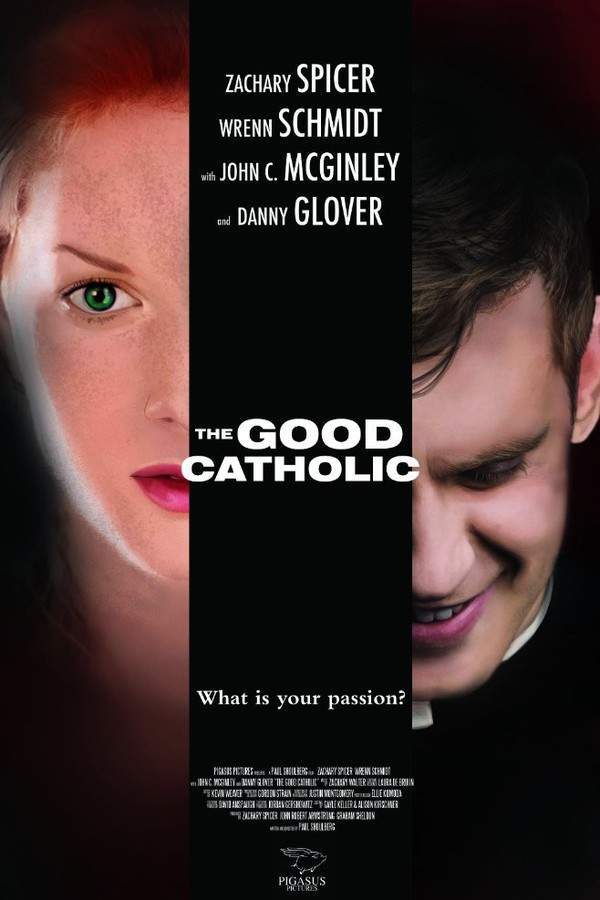
The Good Catholic (2017) Complete Plot Breakdown
Sea of Silence (2003) Movie Recap & Themes
From a Far Country (1981) Full Summary & Key Details
Shoeshine (1987) Story Summary & Characters
Hungarian Passion (2021) Full Summary & Key Details
Brother Sun, Sister Moon (1972) Ending Explained & Film Insights
The Red Shoes (1948) Film Overview & Timeline
The Forbidden Christ (1951) Movie Recap & Themes
The Shoe (1998) Complete Plot Breakdown
The Left Hand of God (1955) Detailed Story Recap
Diary of a Country Priest (1951) Film Overview & Timeline
The Big Fisherman (1959) Ending Explained & Film Insights
The Confession (1970) Plot Summary & Ending Explained
The Keys of the Kingdom (1944) Story Summary & Characters
The Cardinal (1963) Spoiler-Packed Plot Recap