Year: 1961
Runtime: 85 mins
Language: German
Director: Harald Reinl
Believed dead, Mabuse resurfaces to resume his criminal empire. Police Inspector Lohmann, a determined female reporter, and an enigmatic American—possibly an FBI operative or a Chicago mobster—probe a string of brutal murders tied to a high‑security prison and a minister who has authored “The Anatomy of the Devil.”
Warning: spoilers below!
Haven’t seen The Return of Dr. Mabuse yet? This summary contains major spoilers. Bookmark the page, watch the movie, and come back for the full breakdown. If you're ready, scroll on and relive the story!
Explore the full timeline and setting of The Return of Dr. Mabuse (1961). Follow every major event in chronological order and see how the environment shapes the story, characters, and dramatic tension.
Last updated: October 04, 2025 at 18:07
Meet the key characters of The Return of Dr. Mabuse (1961), with detailed profiles, motivations, and roles in the plot. Understand their emotional journeys and what they reveal about the film’s deeper themes.
Last updated: October 04, 2025 at 18:07
Explore the central themes of The Return of Dr. Mabuse (1961), from psychological, social, and emotional dimensions to philosophical messages. Understand what the film is really saying beneath the surface.
Last updated: October 04, 2025 at 18:07
Browse frequently asked questions about The Return of Dr. Mabuse (1961) focused on characters, relationships, themes, symbols, setting, and story context. This movie info FAQ gives spoiler-aware explanations for character arcs, world details, and thematic interpretation so readers can better understand what the film is really about.
The film spans multiple locations across Europe and the United States, including European cities, Washington D.C., Chicago, and features scenes in a church, railway tunnel, prison, and a nuclear power plant. The narrative centers on international crime networks linking European and American criminals.
The story unfolds in the mid-20th century, during the post-war Cold War era. This setting reflects the period's cross-border crime challenges and features a blend of modern investigative technology like radio-based communication alongside classic detective methods.
A central element is Dr. Mabuse's mind-control drug that can turn people into remotely controllable zombies. The film explores how power corrupts free will, with characters doubting their own motives as they operate under Mabuse's influence, raising ethical questions about autonomy and manipulation.
The Chicago Syndicate forms dangerous alliances with European criminals, starting with Mrs. Pizarro's murder. Investigators from Interpol and the FBI piece together clues about forged identities, dead witnesses, and a prison-based drug network to expose a larger cross-continental conspiracy.
The film toys with blurred lines between who controls whom, bodies as vessels for Mabuse's will and uncertainty about who is mastermind versus pawn. Characters like the blind witness and the fake Joe Como create puzzles about truth, memory, and accountability.
Dr. Mabuse is the elusive criminal mastermind behind the mind-control drug and waves of crime. He exerts influence through radio and whispers, turning criminals into controllable assets. Even as his physical death is suggested, he remains a supernatural presence guiding events from the shadows.
Inspector Lohmann is a tenacious, methodical detective who balances holiday plans with a high-stakes investigation. He navigates pressures from rival agencies and a persistent reporter while pursuing Mabuse's revived threat, representing the resolve to find truth amid deception.
Joe Como is an FBI liaison who poses as a Chicago Syndicate contact. He uses charm and strategic manipulation to negotiate with criminals while concealing his true identity from both criminals and authorities, blurring the line between law enforcement and the underworld.
Maria Sabrehm is a journalist who investigates murder scenes and probes Dr. Mabuse's return. As a curious and observant character, she becomes a key witness who pieces together clues while crossing paths with both investigators and suspects.
Mrs. Pizarro represents the Chicago Syndicate and embodies the international crime link. Her murder by flamethrower triggers a chain of investigations that reveal the syndicate's reach and Mabese's influence across the Atlantic.
The mid-century Cold War context shapes the film through cross-border crime and intercontinental cooperation between law enforcement agencies. The setting emphasizes international crime networks that transcend borders, with modern gadgets blending with classic noir detective work characteristic of the era.
Discover curated groups of movies connected by mood, themes, and story style. Browse collections built around emotion, atmosphere, and narrative focus to easily find films that match what you feel like watching right now.
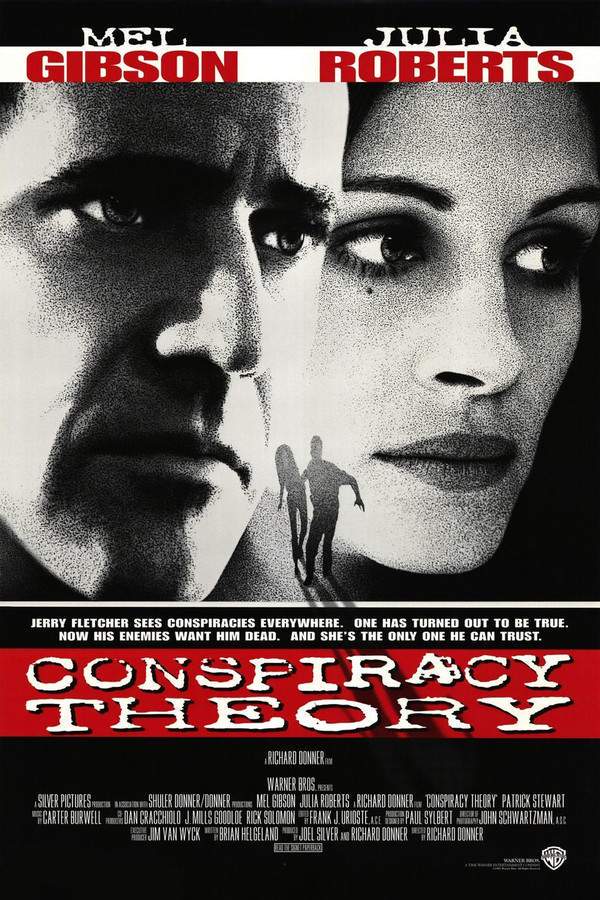
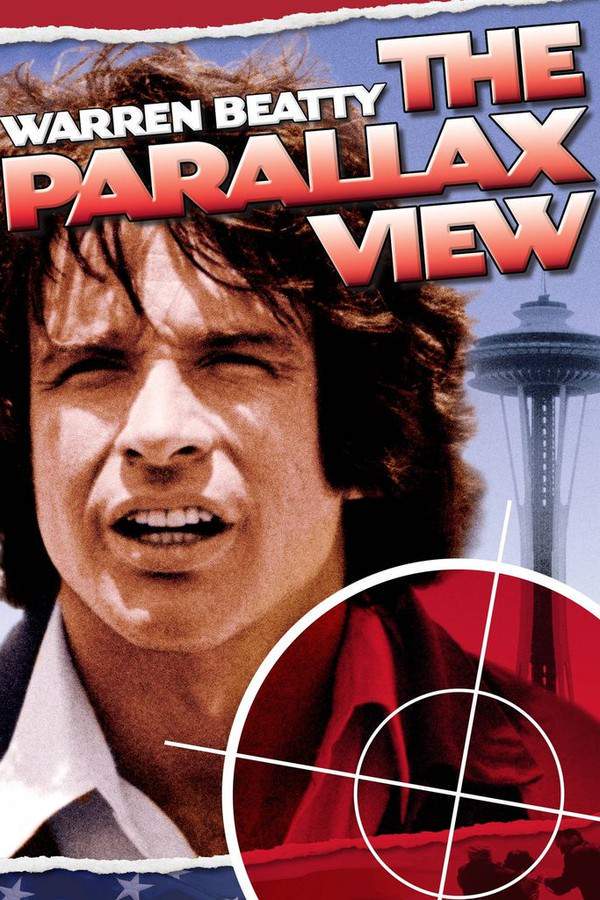
Films where a shadowy puppetmaster orchestrates a complex web of crime.These movies capture the tense, methodical feel of The Return of Dr. Mabuse, focusing on intricate criminal conspiracies orchestrated by shadowy masterminds. If you enjoyed watching the police unravel Mabuse's plot, you'll find similar stories of high-stakes investigation here.
The narrative typically follows a procedural investigation into a series of connected crimes, revealing the depth and complexity of a master plan. The antagonist remains elusive, pulling strings from the shadows, forcing the heroes to rely on clues, deduction, and sheer determination to expose the conspiracy before its ultimate goal is achieved.
Movies in this thread are grouped by their shared focus on a formidable criminal antagonist, a labyrinthine plot of deception, and the intellectual cat-and-mouse game between the conspirators and those trying to stop them.
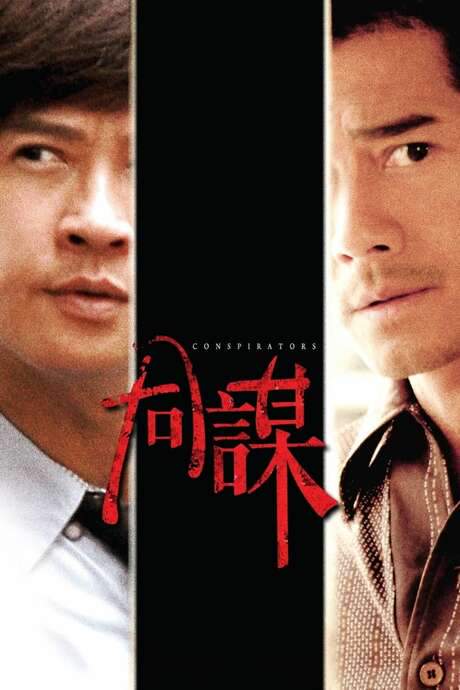
Stories where investigators descend into a world of psychological manipulation and unseen threats.If you liked the anxious, methodical hunt for a hidden villain in The Return of Dr. Mabuse, this collection features similar thrillers. These films focus on investigations where the threat is psychological as much as physical, creating a deeply tense and paranoid atmosphere.
The narrative journey is one of escalating paranoia, where each clue reveals a more disturbing truth. The protagonist often faces disbelief from superiors or finds themselves isolated, questioning their own sanity as they confront an adversary who uses psychological warfare, deception, and mind control as primary weapons.
These films are united by their tense, anxious mood, a plot that hinges on psychological manipulation, and a steady pacing that builds a pervasive sense of unease and suspicion throughout the investigation.
Don't stop at just watching - explore The Return of Dr. Mabuse in full detail. From the complete plot summary and scene-by-scene timeline to character breakdowns, thematic analysis, and a deep dive into the ending - every page helps you truly understand what The Return of Dr. Mabuse is all about. Plus, discover what's next after the movie.
Read a complete plot summary of The Return of Dr. Mabuse, including all key story points, character arcs, and turning points. This in-depth recap is ideal for understanding the narrative structure or reviewing what happened in the movie.
Track the full timeline of The Return of Dr. Mabuse with every major event arranged chronologically. Perfect for decoding non-linear storytelling, flashbacks, or parallel narratives with a clear scene-by-scene breakdown.