Plot Explained Spoilers guaranteed!
Plot Explained

Browse by genre

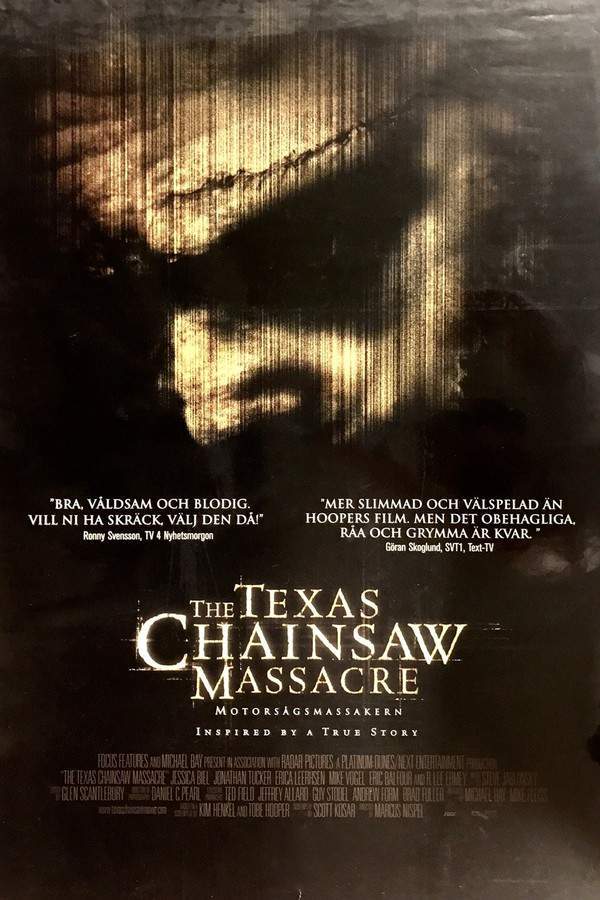
The Real Texas Chainsaw Massacre (2003) movie poster

Characters & Themes

The Real Texas Chainsaw Massacre (2003) Characters, Setting & Themes Explained

Release, runtime and language
2003 · 47 mins · English
Directed by
Paul Douglas, Andrew Mackenzie-Betty
Starring
Sean Barrett, Robert Elmer Kleasan, Ronnie Earl, Ken Driggs
Budget
$9.5M

Robert Elmer Kleasen (1934-2003) was an American who was convicted and sentenced to death in 1975 for the murder of two young men near Austin, Texas.

On this page (8)
  1. 1 Where to watch
  2. 2 Characters explained (12)
  3. 3 Where & when it takes place
  4. 4 Themes & meaning (4)
  5. 5 Character & meaning questions
  6. 6 Movie threads
  7. 7 Movies like The Real Texas Chainsaw Massacre
  8. 8 Every angle

Where to watch

Where to Watch The Real Texas Chainsaw Massacre (2003)

Where can you watch The Real Texas Chainsaw Massacre? Stream, rent or buy it in the US, including on Amazon Video, Apple TV Store and Fandango At Home: current JustWatch availability with up-to-date prices.

Streaming availability powered by JustWatch

12 main characters · contains spoilers

The Real Texas Chainsaw Massacre Characters Explained: Who Is Who

The main characters of The Real Texas Chainsaw Massacre (2003), heroes and villains: what drives them, how they change over the course of the story and what each of them reveals about the film's bigger ideas.

  • Erin Hardesty

    A determined, quick-thinking survivor who fights to stay alive after a night of escalating danger. She remains resourceful under pressure, improvising escapes and protecting a vulnerable child. Her resilience anchors the film’s struggle between fear and agency.

    • 🧭 Determined
    • 🛡️ Resourceful
  • Kemper

    Erin's boyfriend whose impulsive actions heighten the peril for the group. He tends to push forward despite danger, which magnifies the threat they face. His fate underscores the randomness and brutality of the countryside.

    • 🗡️ Impulsive
    • 💪 Protective
  • Morgan

    A friend left at the mill who becomes a casualty as the pursuit escalates. His loyalty and attempt to defend the group highlight the costs of escape under overwhelming threat. He embodies the sudden fragility of safety in a hostile landscape.

    • 🧭 Loyal
    • 💥 Brave
  • Andy

    A cautious, curious ally who joins Erin in the search for Kemper and fights to survive Leatherface’s attack. His practical sensibilities contrast with the escalating danger around them. His presence adds tension and a sense of camaraderie under siege.

    • 🛡️ Courageous
    • 🧭 Loyal
  • Pepper

    A friend who endures the journey and contributes to the group’s attempts to escape. Pepper’s quick decisions in moments of danger heighten their fragile chances of survival and emphasize the human will to persevere.

    • 🗡️ Brave
    • 😨 Fearless
  • Luda Mae

    Gas station proprietor who embodies a façade of hospitality while signaling danger and complicity within the larger family’s world. Her presence adds a layer of uneasy normalcy to a setting ripe for horror.

    • 🏚️ Creepy
    • 🕵️‍♀️ Suspicious
  • Sheriff Hoyt

    A corrupt authority figure who leverages fear and manipulation to control the situation. He exploits his badge to justify brutality, intensifying the sense of helplessness for the protagonists.

    • 👮 Authority
    • 🧪 Corrupt
  • Monty

    An amputee living in the plantation setting who exerts influence within the family and represents a conflicted voice. His presence adds complexity to the Hewitt clan and their actions.

    • 🧑‍🦽 Individuality
    • 🧬 Complexity
  • Jedidiah

    A younger Hewitt family member who disagrees with the killings and indirectly aids Erin and Morgan in escaping. His defiance introduces a glimmer of humanity within a brutal household.

    • 👦 Innocence
    • 🧭 Conflict
  • Leatherface

    The central killer—an iconic, relentless predator who chases victims with a chainsaw. He embodies primal threat and the archetypal horror villain, representing unyielding danger.

    • 🪚 Monster
    • 💀 Violent
  • Tea Lady

    An obese middle-aged woman who drugs Erin with tea, illustrating how ordinary people can be complicit in monstrous acts. Her quiet demeanor hides a threatening, domestic menace.

    • ☕ Mystery
    • 🧪 Subversion
  • Henrietta

    A younger woman who offers hospitality while quietly supporting the family’s harm. Her calm surface hides dangerous intentions, making her a chilling example of hidden danger within familiar surroundings.

    • 👩 Complicity
    • 🧭 Danger

Last updated: October 04, 2025 at 12:00

Was this helpful?

Setting

Where and When Does The Real Texas Chainsaw Massacre Take Place?

The setting of The Real Texas Chainsaw Massacre (2003): the year and time period, the places and locations, and how they shape the characters, the mood and the tension of the story.

Time period

1973

Set on August 18, 1973, in rural Texas, the events reflect an early 1970s road-trip milieu. The era’s long highways, hitchhiking culture, and limited immediate police response contribute to a sense of danger and improvisation. The backdrop of the time amplifies the horror by emphasizing isolation and the fragility of safety on the open road.

Location

Texas, Old Crawford Mill, plantation house, gas station, woods, burned-out shack, slaughterhouse, Tea Lady's trailer, eatery

The film unfolds across rural Texas, moving from a roadside gas station to an isolated mill and plantation house. Key locations include dense woods, a deteriorating mill, and a roadside eatery that becomes a focal point of pursuit. These remote, decaying sites create a claustrophobic atmosphere that heightens the characters' vulnerability to a predatory, insular family.

  • 🚗 Road trip
  • 🏚️ Rural Texas
  • 🏭 Abandoned locations
  • 🌿 Wooded countryside

Last updated: October 04, 2025 at 12:00

Was this helpful?

4 major themes

The Real Texas Chainsaw Massacre Meaning: Themes & Message Explained

What is The Real Texas Chainsaw Massacre (2003) really about? The emotional, social and philosophical themes the film keeps returning to, its symbolism and the message beneath the surface.

  • Violence

    The story centers on brutal, unflinching violence that transforms ordinary places into danger zones. The relentless pursuit by Leatherface and his family forces characters to make split-second survival choices. This theme probes how brutality erodes trust and pushes people to act with desperation.

  • Isolation

    Remote roads, empty stations, and secluded houses leave the characters with little help or escape. The lack of witnesses and delayed intervention heighten the sense that danger surrounds them at every turn. The landscape itself becomes an active threat.

  • Masks & Identity

    The killer’s mask and the deception around appearances blur who is benevolent and who is threat. False fronts—whether Leatherface’s disguise or Hoyt’s feigned authority—show how identity can be weaponized. The theme questions trust when faces—and loyalties—can change at any moment.

  • Family vs. Outsiders

    A violent family unit treats outsiders as prey, elevating ritual and loyalty over humanity. The tension between the outsiders seeking help and the insular Hewitt clan drives the horror. This theme contrasts normalcy with barbarity, exposing danger in familiar surfaces.

Last updated: October 04, 2025 at 12:00

Was this helpful?

Character & theme questions

The Real Texas Chainsaw Massacre Characters & Meaning: Your Questions Answered

The questions people ask about The Real Texas Chainsaw Massacre (2003): who the characters really are, their relationships, what the symbols mean, where it takes place and what the movie is really about. Each answer contains spoilers.

Q1

Where is the movie set?

The film takes place in rural Texas, featuring locations like a roadside gas station, an old mill, a decaying plantation house, dense woods, and a burned-out shack. These remote, deteriorating settings create a claustrophobic atmosphere where the characters are vulnerable to the predatory Hewitt family.

  • rural texas
  • gas station
  • mill
  • plantation house
  • settings
  • locations
Q2

What year does the story take place in?

The events occur on August 18, 1973, during the early 1970s road-trip era. This period is characterized by long highways, hitchhiking culture, and limited immediate police response, which amplifies the sense of danger and isolation.

  • 1973
  • time period
  • 1970s
  • road trip era
  • texas 1973
Q3

Who is Leatherface?

Leatherface is the central killer in the film, an iconic, relentless predator who chases victims with a chainsaw. He embodies primal threat and represents the archetypal horror villain, standing as unyielding danger in the story.

  • leatherface
  • killer
  • chainsaw
  • villain
  • predator
  • antagonist
Q4

What is the Hewitt family like?

The Hewitt family is a violent, insular clan that treats outsiders as prey. They elevate ritual and loyalty over humanity, with members like Leatherface, Monty, Luda Mae, and others working together to capture and harm travelers who stumble into their territory.

  • hewitt family
  • family
  • leatherface
  • monty
  • ludamae
  • clan
  • outsiders
Q5

Who is Sheriff Hoyt?

Sheriff Hoyt is a corrupt authority figure who exploits his badge to justify brutality. He uses fear and manipulation to control situations, leveraging his position to intensify the protagonists' sense of helplessness.

  • sheriff hoyt
  • corrupt
  • authority
  • badge
  • police
  • villain
Q6

How does isolation factor into the story?

Remote roads, empty stations, and secluded houses leave characters with little help or escape options. The lack of witnesses and delayed police intervention heightens the sense that danger surrounds them at every turn, the landscape itself becomes an active threat.

  • isolation
  • remote
  • landscape
  • danger
  • vulnerability
  • escape
Q7

What role does violence play in the movie?

The story centers on brutal, unflinching violence that transforms ordinary places into danger zones. The relentless pursuit by Leatherface and his family forces characters to make split-second survival choices, probing how brutality erodes trust and pushes people to act with desperation.

  • violence
  • brutality
  • survival
  • pursuit
  • danger
  • chainsaw
Q8

What does the mask symbolize?

The killer's mask and the broader deception around appearances blur who is benevolent and who is a threat. False fronts, whether Leatherface's disguise or Sheriff Hoyt's feigned authority, show how identity can be weaponized, questioning trust when faces and loyalties can change at any moment.

  • mask
  • identity
  • deception
  • leatherface
  • trust
  • disguise
  • appearance
Q9

Who is Erin Hardesty?

Erin Hardesty is a determined, quick-thinking survivor who fights to stay alive after a night of escalating danger. She remains resourceful under pressure, improvising escapes and protecting vulnerable individuals. Her resilience anchors the film's struggle between fear and agency.

  • erin hardesty
  • survivor
  • protagonist
  • main character
  • resilient
Q10

What is the family versus outsiders theme about?

A violent family unit treats outsiders as prey, elevating ritual and loyalty over humanity. The tension between travelers seeking help and the insular Hewitt clan drives the horror, contrasting normalcy with barbarity and exposing danger in familiar surfaces.

  • family
  • outsiders
  • insiders
  • normalcy
  • barbarity
  • horror
  • tension
Q11

Who is the Tea Lady?

The Tea Lady is an obese middle-aged woman who drugs Erin with tea, illustrating how ordinary people can be complicit in monstrous acts. Her quiet demeanor hides a threatening, domestic menace within the Hewitt family's world.

  • tea lady
  • drugging
  • complicity
  • helper
  • menace
  • domestic threat
Q12

How does the 1970s road trip culture affect the story?

The early 1970s setting features long highways, hitchhiking culture, and limited immediate police response. These elements contribute to a sense of danger and improvisation, amplifying the horror by emphasizing isolation and the fragility of safety on the open road.

  • road trip
  • 1970s
  • hitchhiking
  • highway
  • isolation
  • police response

Movie threads

More Movies Like The Real Texas Chainsaw Massacre, by Mood & Story

Curated lists built around what makes The Real Texas Chainsaw Massacre tick: the same mood, the same kind of story or the same emotional payoff. Each list explains why these movies belong together.

True Crime Documentaries of Unrelenting Horror like in The Real Texas Chainsaw Massacre

Documentary investigations into shocking, real-life crimes of brutal violence. If you were gripped by the shocking, real-life brutality of The Real Texas Chainsaw Massacre, explore more movies like it. This section features similar true crime stories and documentaries that investigate horrifying acts of violence, focusing on grim narratives and the unsettling reality of criminal acts.

  • harrowing
  • grim
  • brutal
  • unsettling
  • factual
  • disturbing
  • Tone: dark, grim, unsettling
  • Pacing: steady, factual
Why these movies?

The story pattern: These documentaries typically follow a factual, investigative structure, chronicling the events of a brutal crime from its inception to its grim aftermath. The narrative is driven by evidence, testimonies, and a reconstruction of the traumatic events, often emphasizing the senselessness and horror of the violence.

Why they belong together: Movies are grouped here based on their shared foundation in true crime, a focus on extreme violence, and a documentary style that prioritizes a grim, factual tone. They share a heavy emotional weight and a commitment to exploring the darkest corners of real-world events without sensationalism or respite.

Rural American Nightmare Stories like The Real Texas Chainsaw Massacre

Stories of ordinary people trapped by violent horrors in isolated, rural settings. For viewers who enjoyed the rural terror and brutal survival elements of The Real Texas Chainsaw Massacre, this section curates similar movies. Discover more films with a fast pace, high intensity, and bleak endings, all set against the backdrop of isolated locations where normal rules don't apply.

  • oppressive
  • terrifying
  • brutal
  • claustrophobic
  • unsafe
  • anxious
  • Tone: dark, oppressive, terrifying
  • Pacing: fast, relentless
Why these movies?

The story pattern: The narrative pattern involves individuals or groups entering an unfamiliar rural area, only to be targeted by locals who embody a twisted, violent way of life. The story is a fast-paced chase or siege, with a linear progression of threats and minimal hope of escape, often culminating in a bleak or ambiguous conclusion for the victims.

Why they belong together: These films are connected by their oppressive rural settings, which amplify the horror and sense of entrapment. They share a high intensity, fast pacing, and a dark tone centered on physical and psychological torment. The common thread is the theme of civilized outsiders confronting primal, familial evil in the heartland.

If you liked this

Movies Like The Real Texas Chainsaw Massacre

Similar movies to The Real Texas Chainsaw Massacre: the same genre, themes or kind of story. Each one comes with its own plot summary, timeline and ending explained.

Browse all movie summaries

Every angle

The Real Texas Chainsaw Massacre (2003) Explained: Plot, Timeline & Characters

Everything about The Real Texas Chainsaw Massacre in one place: what happens in the plot summary, the timeline in chronological order, the characters and meaning and a spoiler-free summary. What's After the Movie adds the cast, box office and post-credit scenes.

Coming soon on iOS and Android

The Plot Explained Movie Summary App

Plot summaries, endings explained and timelines on your phone. Catch up on any movie in minutes, save your favorites and never miss a twist again.

Be the first to know when we launch. Your email stays private, always.

Learn more about the app