Year: 1953
Runtime: 96 mins
Language: English
Director: Henry Levin
Branded an adulteress, Rachel Donelson Robards endured relentless public scorn. The film follows Andrew Jackson’s early life, his courtship of Rachel, and their controversial marriage, which many deemed illegal. It details the ensuing scandal, the couple’s struggle against political attacks, and how they ultimately persevered together.
Warning: spoilers below!
Haven’t seen The President’s Lady yet? This summary contains major spoilers. Bookmark the page, watch the movie, and come back for the full breakdown. If you're ready, scroll on and relive the story!
Explore the full timeline and setting of The President’s Lady (1953). Follow every major event in chronological order and see how the environment shapes the story, characters, and dramatic tension.
Last updated: October 04, 2025 at 18:20
Meet the key characters of The President’s Lady (1953), with detailed profiles, motivations, and roles in the plot. Understand their emotional journeys and what they reveal about the film’s deeper themes.
Last updated: October 04, 2025 at 18:20
Explore the central themes of The President’s Lady (1953), from psychological, social, and emotional dimensions to philosophical messages. Understand what the film is really saying beneath the surface.
Last updated: October 04, 2025 at 18:20
Browse frequently asked questions about The President’s Lady (1953) focused on characters, relationships, themes, symbols, setting, and story context. This movie info FAQ gives spoiler-aware explanations for character arcs, world details, and thematic interpretation so readers can better understand what the film is really about.
The story unfolds on the late-18th/early-19th century American frontier, primarily around settlements near Nashville, Tennessee, and along the Natchez region in Mississippi. Key locations include the Donelson family farm near Nashville and Andrew and Rachel's later home at The Hermitage, a plantation outside Nashville. The frontier towns, rivers, and constant peril from Indian attacks shape the couple's daily lives.
The events begin in 1789 as the young United States expands westward and continue through the early republic era, culminating around 1825. The timeline covers two decades of militia conflicts, political maneuvering, and the nation's evolving social norms, tracing Andrew Jackson's rise from frontier lawyer to national figure.
The film explores several interconnected themes: Public Scrutiny examines how Rachel's honor becomes a battleground for community gossip and affects Andrew's political prospects; Duel Honor follows the code of frontier honor that governs the era; Political Rise traces Andrew's transformation from regional lawyer to nation-shaping figure; and Frontier Family emphasizes resilience and loyalty in a rough, expanding nation.
Rachel Donaldson Robards is the wife of Andrew Jackson, portrayed by Susan Hayward. She is a strong-willed woman whose life becomes a public test of virtue and resilience. She endures gossip and heartbreak with quiet dignity while maintaining deep devotion to Andrew and their family. Her emotional strength and sense of loyalty anchor the relationship amid social storms.
Andrew Jackson, played by Charlton Heston, is depicted as a hot-tempered but principled frontier lawyer and military leader who rises to national prominence. His intense devotion to Rachel drives many decisions, including moving, marriage, and defense of family honor. He embodies the era's blend of rugged integrity and political ambition, navigating both battlefield and congressional arenas.
The Public Scrutiny theme examines how the couple endures ruthless social judgment after rumors of adultery surface. Rachel's honor and reputation become a battleground for community gossip, affecting both her personal life and Andrew's political prospects. The drama probes how private love contends with public opinion in a time when a woman's virtue could define a family's fate.
The Duel Honor theme centers on Andrew's duel with Charles Dickinson, which embodies the code of frontier honor that governs the era. Andrew's decision to fight, despite Rachel's pleas, tests their relationship and his temperament. The duel serves as a pivotal moment that shapes his public image and personal resolve, highlighting the thin line between protection of family honor and reckless aggression.
The film traces Andrew Jackson's career arc from a regional lawyer to a nation-shaping figure, serving as the narrative's political backbone. The story follows how warfare, diplomacy, and public speaking propel him into leadership roles. It also shows how personal scandal can cast long shadows over ambition, with the eventual ascent to the presidency depicted as a culmination of years of stormy public life.
The Frontier Family theme emphasizes the frontier setting defining the couple's day-to-day life, from building a home at The Hermitage to tending fields and caring for a growing family. The story highlights resilience, loyalty, and mutual support in a rough, expanding nation. Family bonds are tested by long separations, wars, and the pressures of public life, yet they endure and adapt.
Charles Dickinson is a rival man portrayed by Carl Betz whose cruel remark about Rachel triggers Andrew's fatal duel. His provocation exposes the brutal consequences of personal slights in a culture that prizes honor over empathy. His role highlights the dangers of reputation-driven conflicts and serves as the catalyst for one of the film's pivotal events.
Moll, played by Ruth Attaway, is Rachel's loyal slave who supports the household and helps manage the estate at The Hermitage. Her presence underscores the realities of slavery on the frontier and the intimate, complicated bonds within enslaved communities. She embodies quiet resilience and practical support in hard times.
The film depicts Nashville frontier life through the lens of late-18th/early-19th century American expansion. The setting features frontier towns, rivers, and constant danger from Indian attacks that shape the couple's lives. The social dynamics of the era, including honor codes, political ambition, and community gossip, revolve around the challenges of surviving and building a future on the expanding American frontier.
Discover curated groups of movies connected by mood, themes, and story style. Browse collections built around emotion, atmosphere, and narrative focus to easily find films that match what you feel like watching right now.
Epic love stories tested by public disgrace and relentless societal judgment.Explore movies like The President’s Lady, where powerful historical love stories are defined by public scandal. If you enjoyed the emotional turmoil of a forbidden romance battling against societal condemnation, you'll find similar stories of enduring love amidst persecution here.
These narratives typically chart the course of a deep, genuine love that is deemed illicit or improper by contemporary society. The plot follows the couple's struggle to maintain their bond against a backdrop of public scorn, political maneuvering, and personal heartbreak, often spanning years.
They are grouped by their shared focus on romance as a defiant act against societal pressure. The experience is defined by a bittersweet tone, heavy emotional weight, and the tension between private happiness and public persecution.
Stories of individuals who withstand relentless public attacks to defend their truth.Discover films similar to The President’s Lady that center on a character's steadfast endurance against public persecution. If you were moved by the story of weathering relentless scorn and defending one's integrity, this collection highlights narratives of unwavering personal strength.
The narrative pattern involves a protagonist or couple facing a grave public accusation or social stigma. Rather than a single climactic battle, the story is a steady, grueling marathon of character defense, showcasing their inner strength and the toll of isolation as they refuse to be broken.
These films share a core theme of enduring dignity in the face of overwhelming social prejudice. They create a somber, defiant mood through a steady pace, high emotional stakes, and a focus on the psychological impact of public shaming.
Don't stop at just watching - explore The President’s Lady in full detail. From the complete plot summary and scene-by-scene timeline to character breakdowns, thematic analysis, and a deep dive into the ending - every page helps you truly understand what The President’s Lady is all about. Plus, discover what's next after the movie.
Read a complete plot summary of The President’s Lady, including all key story points, character arcs, and turning points. This in-depth recap is ideal for understanding the narrative structure or reviewing what happened in the movie.
Discover movies like The President’s Lady that share similar genres, themes, and storytelling elements. Whether you’re drawn to the atmosphere, character arcs, or plot structure, these curated recommendations will help you explore more films you’ll love.
The President’s Lady (1953) Plot Summary & Movie Recap
The President’s Lady (1953) Scene-by-Scene Movie Timeline
The President’s Lady (1953) Spoiler-Free Summary & Key Flow
Movies Like The President’s Lady – Similar Titles You’ll Enjoy
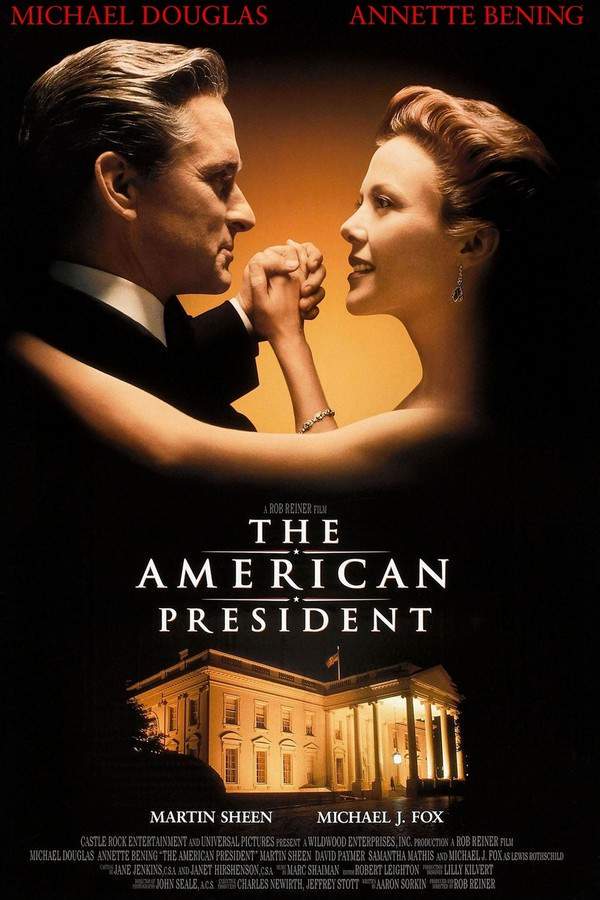
The American President (1995) Spoiler-Packed Plot Recap
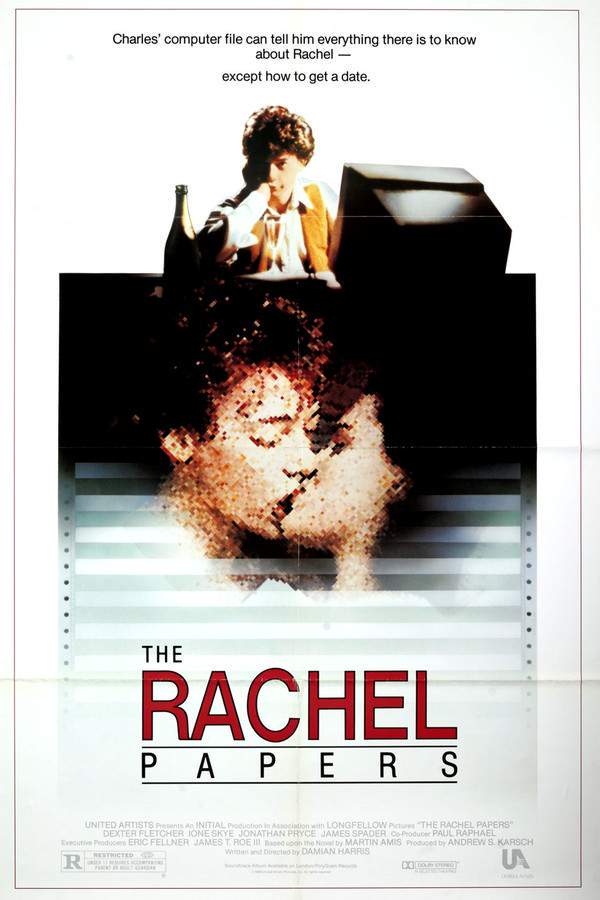
The Rachel Papers (1989) Spoiler-Packed Plot Recap
The President (1919) Detailed Story Recap
A Lost Lady (1934) Full Summary & Key Details
Lady for a Night (1942) Detailed Story Recap
Lady with a Past (1932) Complete Plot Breakdown
The Baron of Arizona (1950) Plot Summary & Ending Explained
The Cowboy and the Lady (1938) Plot Summary & Ending Explained
The Lady Refuses (1931) Ending Explained & Film Insights
Lady Hamilton (1921) Plot Summary & Ending Explained
Band of Angels (1957) Complete Plot Breakdown
The President’s Visit (1994) Detailed Story Recap
Old Hickory (1939) Spoiler-Packed Plot Recap
The Washington Masquerade (1932) Film Overview & Timeline
The Right To Romance (1933) Ending Explained & Film Insights