











Plot Explained Spoilers guaranteed!
Plot Explained

Browse by genre

The Premature Burial (1962) movie poster

Timeline

The Premature Burial (1962) Timeline Explained – Every Event in Order

Release, runtime and language
1962 · 81 mins · English
Directed by
Roger Corman
Starring
Alan Napier, Dick Miller, Heather Angel, Hazel Court, Ray Milland, Brendan Dillon

Within the Coffin I Lie…ALIVE! An artist grows distant from his new wife as an irrational horror of premature burial consumes him.

On this page (6)
  1. 1 Where to watch
  2. 2 Events in order (14)
  3. 3 Timeline questions answered
  4. 4 Movie threads
  5. 5 Movies like The Premature Burial
  6. 6 Every angle

Where to watch

Where to Watch The Premature Burial (1962)

Where can you watch The Premature Burial? Stream, rent or buy it in the US, including on Amazon Prime Video, FlixFling and fuboTV: current JustWatch availability with up-to-date prices.

Streaming availability powered by JustWatch

14 events in order · contains spoilers

The Premature Burial Timeline: Events in Chronological Order

Every key event of The Premature Burial (1962) in order, scene by scene, with when and where it takes place. Use it to untangle flashbacks, time jumps and parallel storylines, to refresh your memory before the sequel or to find the exact scene you are thinking of.

  1. Guy Carrell's fear of being buried alive

    In the Victorian era, Guy Carrell is consumed with the fear that he might be buried while still alive. His terror threatens his engagement to Emily and colors every conversation about death. He insists his condition mirrors his father's fate.

    When
    Before the wedding
    Where
    Carrell family estate
  2. Guy reveals his cataleptic disease to Emily

    Guy explains his condition could mimic death, making it hard to distinguish life from the grave. Emily listens, while his sister Katie cautions that fear might be a projection of guilt. The risk of misinterpretation weighs on their future together.

    When
    Before the wedding
    Where
    Carrell mansion, parlor
  3. Catacomb visit and boyhood memory

    Guy takes Emily to the family catacomb and recounts hearing his father scream from inside his tomb. Katie counters that it was all in his mind, casting doubt on the narrative. The visit intensifies Guy's fixation on death.

    When
    Before the wedding
    Where
    Family catacomb
  4. Wedding day and the wedding night mood

    The wedding takes place and Emily plays Molly Malone on the piano, triggering a deep misery in Guy that leads him to faint. The haunting melody deepens his obsession with being buried alive. The mood shifts from joy to foreboding.

    When
    Wedding day
    Where
    Wedding venue
  5. Vault construction and safeguards

    Guy designs an elaborate burial vault with multiple safeguards and even a poisonous elixir as a last resort. Emily and Miles Archer grow concerned as his behavior becomes more morbid. The vault becomes a stark symbol of his fear.

    When
    After the wedding
    Where
    Home vault
  6. Moor walk and the haunting whistle

    During a walk on the moors, Guy hears the gravedigger's whistle—the same Irish tune from the wedding—and collapses. He experiences a nightmare of being trapped in the vault, unable to escape. He awakens beside Emily, who asserts she heard no one.

    When
    After the moor walk
    Where
    The moors
  7. Emotional ultimatum

    Emily delivers an ultimatum: either he renounces this death fixation or she will leave him. The ultimatum marks a turning point in their relationship and tests his resolve. He faces a critical choice between fear and his marriage.

    When
    After the ultimatum
    Where
    Home
  8. Destruction of the vault and cautious optimism

    In response, Guy destroys the vault he built and begins to show improvements. Miles suggests that confronting the fear could help, proposing a therapeutic step. The idea of opening his father's tomb emerges as a possible cure.

    When
    After ultimatum
    Where
    Home
  9. Open father's tomb; cataleptic state

    Miles persuades Guy to open his father's tomb to prove he was never buried alive. Opening the tomb triggers a new cataleptic episode and he cannot wake. An examination by Emily's father follows, and Guy is declared dead.

    When
    After tomb opening
    Where
    Father's tomb / mortuary
  10. Burial and return from the grave

    Guy is buried in the cemetery; but grave robbers dig him up just as he regains mobility. He returns home in a frenzy, intent on vengeance against those who conspired for his demise. The fear of being buried alive seems to renew with fury.

    When
    After burial
    Where
    Cemetery and home
  11. Laboratory murder and love confessions

    Guy murders Emily's father in the laboratory by electrocuting him. During the upheaval, Emily confesses to Miles that she loves him and that she made a mistake marrying Guy. The tension between love, betrayal, and fear escalates.

    When
    During confrontation
    Where
    Laboratory
  12. Graveyard confrontation and fatal resolution

    Guy forces Emily to the graveyard, places her in his burial plot, and covers her with dirt. Miles begs him to stop, and a fight ensues. Katie shoots Guy dead on the spot to end the catastrophe.

    When
    Climax
    Where
    Graveyard
  13. Emily's fate and the revelation of her plot

    Miles retrieves Emily from the grave, only to find that she has died. Katie reveals that Emily had the key to Guy's crypt and orchestrated his doom. The manipulations behind the fear are exposed at last.

    When
    After climactic events
    Where
    Graveyard
  14. Final reveal and aftermath

    Katie explains that Emily hired grave robbers to torment Guy, hid a cat in the walls, and desecrated his father's tomb to magnify his fears. The film closes with the final shot of a grave, underscoring the cost of obsession and manipulation.

    When
    Ending
    Where
    Graveyard

Last updated: October 09, 2025 at 12:34

Was this helpful?

Timeline questions answered

The Premature Burial Timeline Explained: Your Questions Answered

When does it happen, and why in that order? The questions people ask about the chronology of The Premature Burial (1962): time jumps, flashbacks, cause and effect between scenes and the correct order of events, each answered with spoilers.

Q1

Why is Guy so afraid of being buried alive?

Guy's fear stems from a childhood trauma: he claims to have heard his father screaming from inside the family tomb, suggesting his father was buried alive. Although his sister Kate insists this was imagined, Guy becomes convinced he suffers from a cataleptic condition that could cause him to appear dead while still alive, mirroring what he believes happened to his father.

Foreshadowing: The catacomb visit early in the film introduces this childhood memory, planting the seed of Guy's obsession.

  • guy carrell
  • fear of burial
  • cataleptic condition
  • father death
  • psychological horror
Q2

What is the significance of the song Molly Malone?

Molly Malone is an Irish folk tune that triggers Guy's deepest fears. Emily plays it on the wedding night, and it sends Guy into a faint, deepening his obsession with death. The same melody from a gravedigger's whistle on the moors later triggers his terrifying nightmare of being trapped in his vault.

Foreshadowing: The song's first appearance during the wedding signals its role as a recurring trigger for Guy's psychological breaks.

  • molly malone
  • song trigger
  • wedding night
  • gravedigger whistle
  • fear trigger
Q3

Why did Guy build an elaborate burial vault with safeguards?

Guy constructed his vault with multiple safeguards, including a poisonous elixir as a last resort, because his cataleptic condition could cause him to appear dead. He wanted to ensure he could not be buried alive, or have a way to escape or end his life if trapped in such a situation.

Foreshadowing: The vault represents Guy's inability to move past his father's traumatic death and his escalating paranoia.

  • burial vault
  • safeguards
  • poisonous elixir
  • premature burial
  • cataleptic fear
Q4

Why did Emily give Guy an ultimatum about his death obsession?

Emily gave Guy the ultimatum because his obsession had created an insurmountable rift in their marriage. She warned that she would leave him forever unless he abandoned his fixation on death. This ultimatum appeared to work temporarily, Guy destroyed the vault and tried to move forward, but it couldn't address the deeper manipulation Emily was already orchestrating.

Foreshadowing: This ultimatum marks a turning point, but the film reveals Emily's real motive was not concern for Guy's mental health.

  • emily gault
  • ultimatum
  • marriage conflict
  • guy obsession
  • relationship breakdown
Q5

What happened when they opened Guy's father's tomb?

Miles convinced Guy to open his father's tomb to prove he was never buried alive, hoping this would cure his fear. However, the opening of the tomb triggered a cataleptic episode in Guy. When doctors examined him, they declared him dead, and the family proceeded to bury him, exactly the scenario he had feared all along.

Foreshadowing: Miles's clinical solution backfires catastrophically, fulfilling Guy's deepest dread.

  • father tomb
  • cataleptic episode
  • declared dead
  • burial
  • miles archer plot
Q6

Who dug Guy up from his grave?

Guy was dug up by grave robbers just as his body began to regain mobility. This near-death experience threw him into a fury of renewed madness, as he realized his greatest fear had nearly come true, but this was no accident, as Emily had orchestrated the entire scheme.

Foreshadowing: The grave robbers' timing appears coincidental but is later revealed as part of Emily's manipulation.

  • grave robbers
  • escaped from grave
  • return from dead
  • resurrection
  • emily plot
Q7

Why does Emily confess her love for Miles during the chaos?

During the turmoil after Guy returns from the grave and kills her father, Emily admits to Miles that she loves him and that she made a mistake marrying Guy. This confession reveals that Emily's marriage to Guy was never genuine, she had feelings for Miles all along, and she was using Guy as a means to an end.

Foreshadowing: Emily's confession exposes the emotional motive behind her later manipulation of Guy.

  • emily love miles
  • marriage mistake
  • emotional betrayal
  • love triangle
Q8

What was Emily's manipulation revealed at the end?

Kate reveals that Emily orchestrated Guy's demise through elaborate deception: she hired grave robbers to torment him, hid a cat within the house walls to produce eerie sounds, and desecrated his father's tomb to fuel his fears. Emily had the key to Guy's crypt all along, and she weaponized his cataleptic condition against him.

Foreshadowing: The haunting sounds Guy heard and the gravedigger's whistle were not supernatural, they were engineered by Emily.

  • emily manipulation
  • grave robbers
  • cat in walls
  • father tomb desecration
  • conspiracy
Q9

Why did Guy kill Emily's father in the laboratory?

Guy murdered Emily's father, Dr. Gideon Gault, by electrocution in the laboratory. This act represents Guy's complete descent into madness after being dug up from his grave. He believed Emily's father was part of the conspiracy against him, and his murderous rampage extended to those he perceived as complicit in his torment.

Foreshadowing: Dr. Gault's earlier role as Guy's physician connects him to the cataleptic diagnosis that set everything in motion.

  • dr gideon gault
  • electrocution
  • laboratory murder
  • guy madness
  • revenge
Q10

Why did Kate shoot Guy in the graveyard?

Kate arrived at the graveyard and shot Guy dead on the spot to stop him from burying Emily alive. After Guy dragged Emily to his burial plot and began covering her with earth, Miles pleaded for mercy. When the struggle ensued, Kate made the fatal decision to shoot Guy, ending the violent confrontation.

Foreshadowing: Kate's presence at the climax represents the Carrell family's attempt to stop the cycle of death Guy feared would consume him.

  • kate carrell
  • shooting
  • graveyard climax
  • mercy
  • violent resolution
Q11

How did Emily die?

Emily died in the grave. After Guy placed her in his burial plot and covered her with earth, Miles retrieved her, but she had already died from suffocation. This tragic irony fulfills Guy's fear of being buried alive, but it is Emily who actually experiences this fate, a bitter twist of the film's central obsession.

Foreshadowing: Guy's paranoid fantasy of premature burial becomes Emily's grim reality.

  • emily death
  • suffocation
  • buried alive
  • grave
  • tragic irony
Q12

What is a cataleptic condition and why does it matter in the film?

Cataleptic condition refers to a medical state where a person appears to be in a trance or coma, with rigid body posture and unresponsiveness. In the film, Guy believes he suffers from this condition, which could cause him to be mistaken for dead and buried alive. This fear drives his entire character arc, and the condition is what allows him to be declared dead after his father's tomb is opened.

Foreshadowing: The condition is both Guy's rationalization for his paranoia and the mechanism that enables Emily's scheme.

  • catalepsy
  • medical condition
  • trance
  • mistaken for dead
  • physical symptom

Movie threads

More Movies Like The Premature Burial, by Mood & Story

Curated lists built around what makes The Premature Burial tick: the same mood, the same kind of story or the same emotional payoff. Each list explains why these movies belong together.

Gothic psychological horror spirals like The Premature Burial

Stories where a character's obsessive fear leads them into a self-made trap. If you were captivated by the paranoid dread of The Premature Burial, explore more movies like it. This collection features similar gothic horror stories where characters are consumed by their own fears, leading to psychological torment and tragic outcomes in a dark, atmospheric setting.

  • gothic
  • paranoid
  • claustrophobic
  • psychological torment
  • oppressive
  • tragic
  • Tone: dark, paranoid, oppressive
  • Pacing: steady, methodical escalation
Why these movies?

The story pattern: The narrative follows a character whose specific, intense fear becomes an obsession that dictates their actions. This obsession is systematically exploited by an antagonist, often a trusted figure, turning their psychological weakness into a weapon. The story methodically tightens the noose, revealing that the protagonist's greatest fear is not just real, but is being used against them in a calculated scheme.

Why they belong together: They are grouped by their shared focus on a gothic aesthetic fused with a deep dive into a single character's psychological collapse. The tone is consistently dark and oppressive, the pacing is steady and deliberate to build dread, and the emotional weight is heavy, culminating in bleak or tragic endings that feel inevitable.

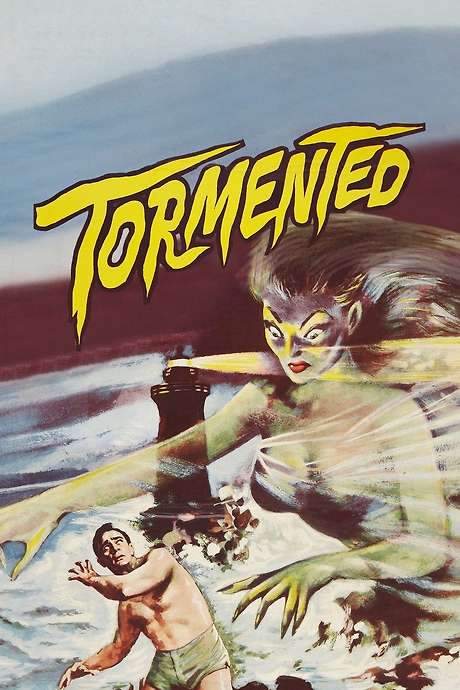
Movies with slow suffocating dread like The Premature Burial

Films that build a palpable, inescapable sense of dread around a singular horror. Fans of the claustrophobic terror in The Premature Burial will find more similar movies here. These stories expertly build a steady, oppressive dread centered on a core fear, creating a high-intensity viewing experience with heavy emotional weight and often bleak conclusions.

  • claustrophobic
  • dread
  • suspenseful
  • oppressive
  • paranoid
  • psychological
  • Tone: dark, tense, bleak
  • Pacing: steady, dread-filled build
Why these movies?

The story pattern: The narrative structure is designed to immerse the viewer completely in the protagonist's subjective experience of fear. Events are framed through their increasingly anxious perspective, making the world feel smaller and more threatening. The pacing is deliberate, using a series of triggers and revelations to systematically dismantle any sense of safety, leading to a climax where the feared event becomes a devastating reality.

Why they belong together: They are united by their mastery of atmospheric tension and psychological horror. The key similarity is the focus on a 'slow burn' dread that is both mental and physical, often manifesting as claustrophobia. The intensity remains high throughout, the tone is unrelentingly dark, and the emotional journey is one of heavy, unavoidable tragedy.

If you liked this

Movies Like The Premature Burial

Similar movies to The Premature Burial: the same genre, themes or kind of story. Each one comes with its own plot summary, timeline and ending explained.

Browse all movie summaries

Every angle

The Premature Burial (1962) Explained: Plot, Timeline & Characters

Everything about The Premature Burial in one place: what happens in the plot summary, the timeline in chronological order, the characters and meaning and a spoiler-free summary. What's After the Movie adds the cast, box office and post-credit scenes.

Coming soon on iOS and Android

The Plot Explained Movie Summary App

Plot summaries, endings explained and timelines on your phone. Catch up on any movie in minutes, save your favorites and never miss a twist again.

Be the first to know when we launch. Your email stays private, always.

Learn more about the app