Plot Explained Spoilers guaranteed!
Plot Explained

Browse by genre

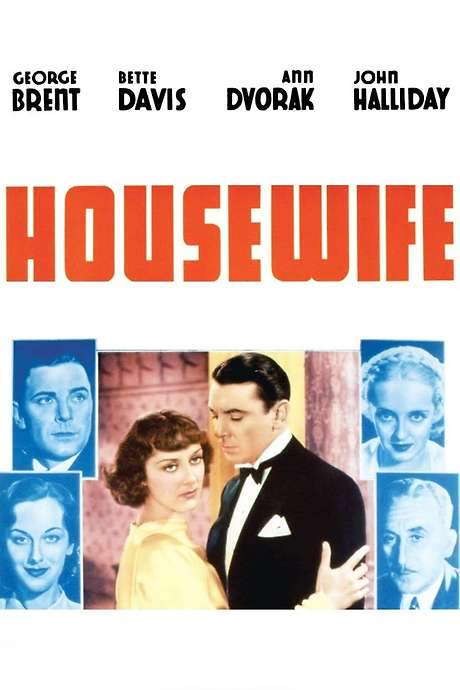
The Passionate Stranger (1957) movie poster

Plot Summary

The Passionate Stranger (1957) Plot Summary Explained

Release, runtime and language
1957 · 97 mins · English
Directed by
Muriel Box
Starring
Ralph Richardson, Allan Cuthbertson, Michael Trubshawe, Barbara Graley, George Woodbridge, Barbara Archer

Judith Wynter, a happily married novelist whose romance novels enchant countless female readers, hires Carlo, a striking young Italian chauffeur, to work for her and her husband—a professor slowly recovering from a paralytic attack. Carlo’s fascination turns uneasy when he reads Judith’s latest manuscript and draws a mistaken, alarming conclusion, sending the Wynter household into a web of tangled complications.

On this page (5)
  1. 1 What happens: full plot
  2. 2 Plot questions answered
  3. 3 Movie threads
  4. 4 Movies like The Passionate Stranger
  5. 5 Every angle

Full plot summary · contains spoilers

What Happens in The Passionate Stranger: Full Plot Summary

The whole story of The Passionate Stranger (1957) explained, from the opening scene to the final frame: every key event, every twist and what it all adds up to. Read it as a quick recap before the sequel, to check a scene you missed, or to finally understand what really happened.

Carlo Carlo Giustini is hired as a chauffeur at the English country manor owned by Roger Wynter Ralph Richardson and his wife Judith Wynter Margaret Leighton. Judith is a respected novelist who writes bold, escapist romances for a popular market, yet in everyday life she embodies a steady, unassuming wife, happily married to a husband who has been rendered immobile by polio. She draws on the people around her and the situations they share as raw material for her current project, a novel titled The Passionate Stranger.

As the story unfolds, Judith’s book chronicles a bored, discontented wife who begins an affair with her Italian chauffeur. In a meta twist, the film shows how Judith’s fiction bleeds into reality. One day, Carlo drives Judith to London to meet her publisher, and she leaves a copy of the manuscript in the car. Carlo finds it and begins to read, and the black‑and‑white world of the film gradually gives way to vivid color as the manuscript’s narrative comes to life on screen. In the color sequence, the tale follows Mario, the mistress’s chauffeur, as he drives the woman from London to a village pub. After a tyre blows out, they must rent rooms above a small village pub, while the husband, Lord Hathaway, remains cool and distant, more concerned with the car than with his wife’s feelings. The pair dance at a local fete and, by the end of the evening, Mario has seduced her. When pregnancy is revealed to Lord Hathaway, he is shocked, and the question arises whether Mario should be dismissed or whether the child will be raised as their own. Mario urges the woman to leave her husband and run away with him, yet she remains loyal to the marriage. Undeterred, the plot turns more sinister as Mario schemes to kill the husband, sabotaging his wheelchair and luring him toward a summerhouse with a slope. The plan culminates with the husband floating in the lake, and Judith learns only later that the fiction’s violence has shed its page and entered real life.

When the color returns to black‑and‑white, Carlo becomes convinced that Judith harbors a repressed passion for him. Before a return journey home, he tampers with the car again by adding sugar to the petrol, causing a breakdown; Judith refuses to abandon the vehicle and instead takes a ride with a passing motorist to the nearest village, leaving Carlo behind. Undeterred, he persists in trying to stage conversations and scenes from the book, pressing his suit with growing desperation. His insistence grows confrontational as Judith rejects him, and he proclaims his love while pointing to what he claims is Roger’s inability to father a child. Judith reiterates that she loves her husband, and they have two boys away at boarding school who will return soon.

The tension reaches a pivotal moment when Judith discovers Roger’s wheelchair in the lake. At first, she fears Carlo has enacted the novel’s plot once more, but the truth soon emerges: their son had accidentally driven the wheelchair into the water, and Carlo has heroically rescued him. Grateful for the stand‑up man he has shown, Judith acknowledges Carlo’s lasting affection, yet she remains devoted to Roger. With the emotional storm behind him, Carlo decides to leave. He boards a bus and ends up sitting beside the Wynters’ maid; their eyes meet in a quiet, knowing exchange as the bus pulls away, leaving Carlo to drift between fantasy and reality.

Last updated: October 05, 2025 at 12:27

Was this helpful?

Plot questions answered

The Passionate Stranger Plot Explained: Your Questions Answered

The questions people ask most about The Passionate Stranger (1957): what happens in the confusing scenes, why the characters do what they do, the twists, hidden details and what the ending means. Each answer contains spoilers.

Q1

Why does Carlo think Judith wants an affair with him?

Carlo reads Judith's manuscript for her novel The Passionate Stranger, which is about a bored wife who has an affair with her Italian chauffeur. Because the film uses a color sequence to show Judith's fictional story playing out on screen, Carlo mistakenly believes Judith is writing about her own desires rather than her imagination. He conflates fiction with reality and becomes convinced she harbors a repressed passion for him.

  • carlo
  • judith
  • manuscript
  • misinterpretation
  • novel
Q2

What do the color sequences represent in the film?

The color sequences depict the story Judith is writing in her novel The Passionate Stranger, not actual events happening in real life. When Carlo reads the manuscript, the film transitions from black-and-white to vivid color to show Mario (the fictional chauffeur) seducing Lady Hathaway. This meta-narrative device blurs the line between Judith's imagination and reality, leading Carlo to misinterpret her fictional work as a confession of her true desires.

Foreshadowing: Early scenes show Judith using her real-life situations as raw material for her fiction.

  • color sequence
  • black and white
  • meta narrative
  • novel in film
Q3

Why does Carlo add sugar to the petrol tank?

Carlo sabotages the car by adding sugar to the petrol because he is desperate to spend more time with Judith and recreate scenarios from her novel. When the car breaks down, he hopes Judith will be stranded and rely on him. Instead, Judith simply accepts a ride from a passing motorist to the nearest village, leaving Carlo behind.

Foreshadowing: Carlo has been progressively more insistent on recreating scenes from the manuscript throughout the story.

  • sugar
  • petrol
  • car breakdown
  • sabotage
  • carlo
Q4

Does Roger die at the end of the movie?

Roger does not die. When Judith discovers his wheelchair in the lake, she fears Carlo has replicated the murder plot from her novel. However, it is revealed that their son accidentally pushed the wheelchair into the water while playing, and Carlo actually rescued the boy from drowning. Roger is safe, and the threat from Carlo's alleged murderous intentions is proven false.

Foreshadowing: Earlier in the film, Carlo reads the part of the novel where Mario kills Lord Hathaway by sabotaging his wheelchair.

  • roger
  • wheelchair
  • lake
  • son
  • saved
Q5

What happens to the Wynters' son at the end?

The Wynters' young son accidentally drives his father's wheelchair into the lake and ends up in danger himself. Carlo heroically rescues the boy from the water, proving his intentions are not malicious. This act transforms Judith's perception of Carlo from a potential threat to a trustworthy member of the household.

  • son
  • rescue
  • wheelchair
  • lake
  • danger
Q6

What happens to Carlo at the end of the film?

Carlo decides to leave the Wynter household after his unrequited pursuit of Judith becomes clear. He boards a bus and sits beside the Wynters' maid. Their eyes meet in a quiet, knowing exchange, suggesting Carlo may find a new connection rather than continuing to dwell on his fantasy about Judith. His departure marks the end of the psychological tension that has gripped the household.

  • carlo
  • leaves
  • bus
  • maid
  • departure
Q7

Is Judith's novel based on her real life?

Judith's novel The Passionate Stranger is fictional, though she uses people and situations around her as raw material for her stories. She is happily married to Roger, who is paralyzed from polio, and there is no evidence she desires an affair in real life. The irony of the film is that Carlo misreads her creative imagination as personal confession, conflating the author with her characters.

Foreshadowing: The opening scenes establish Judith as a respected novelist who draws on everyday life for her sensational fiction.

  • novel
  • fiction
  • inspiration
  • judith
  • writer
Q8

Why do the Wynters hire an Italian chauffeur?

The Wynters hire Carlo as a chauffeur simply because they need one for their household. Carlo is described as a striking young Italian man. His Italian nationality is significant because Judith's novel features an Italian chauffeur as the romantic lead, which is why Carlo's hiring becomes loaded with ironic meaning once he reads the manuscript.

  • carlo
  • hired
  • chauffeur
  • italian
  • household
Q9

Why does the film switch between color and black-and-white?

The film uses black-and-white for the real-world scenes at the Wynter mansion and switches to color whenever depicting the story from Judith's novel. This visual technique helps the audience distinguish between reality and fiction while also creating a dreamlike, heightened quality for the romantic and dramatic elements of the fictional narrative. The stark contrast emphasizes the meta-narrative theme of blurred lines between imagination and reality.

  • color
  • black and white
  • visual technique
  • filmmaking
Q10

Does Carlo try to kill Roger like in Judith's novel?

Carlo never actually attempts to kill Roger. His apparent plan to replicate the novel's murder plot is entirely in Judith's (and the audience's) imagination, fueled by Carlo's obsessive behavior and the eerie parallels between his actions and the fictional Mario's. When the wheelchair ends up in the lake, it turns out to be an accident caused by the son, not Carlo's doing. Carlo is actually the hero who saves the boy.

Foreshadowing: The color sequence shows Mario sabotaging Lord Hathaway's wheelchair and luring him to his death.

  • murder
  • mario
  • novel
  • plot
  • roger
Q11

Who are Judith and Roger's children?

Judith and Roger have two sons who are away at boarding school. They are mentioned when Carlo continues pursuing Judith and she firmly rejects him, reminding Carlo that she loves her husband and that they have two sons who will be coming home soon. The existence of these children reinforces the stability of the marriage and the futility of Carlo's obsession.

  • sons
  • boarding school
  • children
  • family
Q12

Does Judith ever actually want an affair with Carlo?

Judith never desires an affair with Carlo. She is devoted to her husband Roger and happy in her marriage. Her novel is purely a creative work, a sensational romance story she writes for her readership. Carlo's belief that she wants him is entirely a misreading of her fiction, and Judith consistently rejects his advances throughout the film.

Foreshadowing: Judith's public image is that of a steady, unassuming wife perfectly content with her life despite her husband's disability.

  • affair
  • rejection
  • marriage
  • carlo
  • judith

Movie threads

More Movies Like The Passionate Stranger, by Mood & Story

Curated lists built around what makes The Passionate Stranger tick: the same mood, the same kind of story or the same emotional payoff. Each list explains why these movies belong together.

Movies about domestic tension like The Passionate Stranger

Stories where tranquility at home is shattered by an unsettling presence. If you enjoyed the anxious atmosphere of The Passionate Stranger, you'll find similar stories here. These movies feature quiet homes turned unsettling, often due to an outsider's influence or a creeping misunderstanding, creating a sense of romantic and psychological strain similar to Judith Wynter's experience.

  • domestic drama
  • unsettling
  • anxious
  • psychological tension
  • claustrophobic
  • melancholic
  • Tone: tense, unsettling, anxious
  • Pacing: variable, slow burn
Why these movies?

The story pattern: Narratives in this thread typically begin with an established, often isolated, domestic setting. A catalyst—often a new arrival or a discovered secret—introduces friction, leading to a slow build of psychological tension. The central conflict revolves around the threat to the home's stability, forcing characters to confront hidden anxieties and vulnerabilities.

Why they belong together: Movies are grouped here for their shared focus on the home as a site of psychological drama. They excel at creating a tense, atmospheric mood where everyday interactions are charged with underlying threat, making the familiar feel deeply unsettling.

Movies about art imitating life like The Passionate Stranger

Tales where the line between an artist's creation and their real life blurs dangerously. Fans of The Passionate Stranger's clever story-within-a-story device will appreciate these films. They explore the dangerous blur between fiction and reality, where a novelist's manuscript, a painter's canvas, or a filmmaker's movie starts to dangerously influence or reflect their actual life, creating complex narrative puzzles.

  • meta-fictional
  • unsettling
  • artistic creation
  • misinterpretation
  • psychological
  • melancholic
  • Tone: tense, melancholic, meta-fictional
  • Pacing: variable, steady
Why these movies?

The story pattern: The narrative pattern involves an artist deeply immersed in their creative process. Their work, often a piece of fiction, is discovered or interpreted by others in a way that causes real-world complications. This leads to a central conflict based on misunderstanding, where characters must untangle what is real from what is invented, often with dramatic consequences.

Why they belong together: These films are united by their meta-fictional core and thematic exploration of artistic creation. They share a moderate complexity and a tense, often melancholic tone, as the collision of imagination and reality forces characters to confront uncomfortable truths.

If you liked this

Movies Like The Passionate Stranger

Similar movies to The Passionate Stranger: the same genre, themes or kind of story. Each one comes with its own plot summary, timeline and ending explained.

Browse all movie summaries

Every angle

The Passionate Stranger (1957) Explained: Plot, Timeline & Characters

Everything about The Passionate Stranger in one place: what happens in the plot summary, the timeline in chronological order, the characters and meaning and a spoiler-free summary. What's After the Movie adds the cast, box office and post-credit scenes.

Coming soon on iOS and Android

The Plot Explained Movie Summary App

Plot summaries, endings explained and timelines on your phone. Catch up on any movie in minutes, save your favorites and never miss a twist again.

Be the first to know when we launch. Your email stays private, always.

Learn more about the app