Plot Explained Spoilers guaranteed!
Plot Explained

Browse by genre

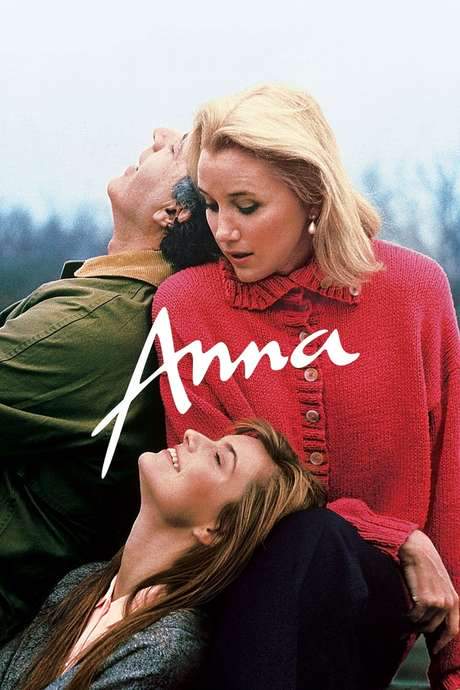
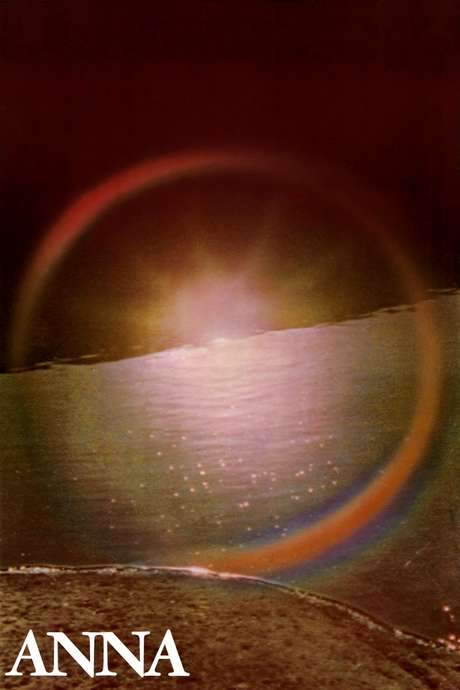
The Passion of Anna (1969) movie poster

Plot Summary

The Passion of Anna (1969) Plot Summary Explained

Release, runtime and language
1969 · 101 mins · Swedish
Loading streaming availability…
Starring
Britta Brunius, Bibi Andersson, Liv Ullmann, Ingmar Bergman, Erland Josephson, Max von Sydow

Andreas, reeling from his recent divorce and emotional isolation, befriends a troubled married couple on a remote island. Through them he meets Anna, a grieving widow of a husband and son, whose fervent faith masks delusions. They begin an affair, yet Andreas cannot escape his humiliation, while the island is plagued by mysterious animal cruelty.

On this page (6)
  1. 1 Where to watch
  2. 2 What happens: full plot
  3. 3 Plot questions answered
  4. 4 Movie threads
  5. 5 Movies like The Passion of Anna
  6. 6 Every angle
Loading streaming availability…

Full plot summary · contains spoilers

What Happens in The Passion of Anna: Full Plot Summary

The whole story of The Passion of Anna (1969) explained, from the opening scene to the final frame: every key event, every twist and what it all adds up to. Read it as a quick recap before the sequel, to check a scene you missed, or to finally understand what really happened.

Andreas Winkelman is a man who lives alone, carrying the weight of a recent marriage breakdown and a sense of emotional emptiness. His quiet existence begins to shift when a neighbor, Anna Fromm, arrives at his doorstep asking to use his phone. She moves with a cane, and in the moment she leaves, he discovers her handbag and a letter from her husband that reveals unhappiness in their marriage and a fear of possible psychological and physical violence. This chance encounter sets off a chain of uneasy connections, as Andreas feels drawn into Anna’s world even while he remains emotionally distant.

The film’s narrative is intermittently interrupted by short, framed segments in which the four principal actors discuss their characters in conversations guided by an unseen interviewer, a device that adds a reflective layer to the drama. These inserts sit alongside the central story, which follows Andreas as he brings Anna’s bag to a nearby home where the couple Eva and Elis Vergerus live. Elis, a renowned architect and amateur photographer, maintains a large archive of portraits organized by emotional states, and he offers to photograph Andreas. The gesture signals a new potential for connection and perhaps a way to secure a loan Andreas needs to stabilize his finances.

One evening, Eva, who is married to Elis, visits Andreas out of boredom and loneliness. They share wine and music, and Eva, feeling tired and vulnerable, ends up sleeping on the sofa. Once she awakens, the two become intimate, though the scene remains discreet. Eva shares a painful memory from her past: during a prior pregnancy she was treated with an overdose at a hospital, resulting in the death of the child in her womb. She and Elis both cried then, a moment she says she has never forgotten. The couple’s vulnerability is palpable, and Elis later arranges to help with the bank loan, while Eva warns Andreas to be careful with Anna, hinting at hidden tensions in their circle.

As Andreas and Anna begin living together, her devotion to faith and pursuit of truth grows more intense. Yet her origin of delusions begins to surface, feeding a dreamlike monologue in which she envisions an island and the horrors of war, a vision that seems tied to the broader traumas echoing through the film. For his part, Andreas remains overwhelmed by anxiety and disconnection, making it difficult for the couple to sustain a stable relationship.

A parallel thread concerns acts of animal cruelty on an unnamed island: a dog is left hanging in a tree, and sheep are killed violently. A loner neighbor— someone many suspect of these crimes— commits suicide, and a police-delivered letter describes how he was beaten and humiliated by others, leaving him with no will to continue living. The intertwining of these events underscores the community’s unease and the sense that misjudgments and fear can lead to devastating consequences.

A turning moment occurs when Anna provokes a confrontation while Andreas chops wood. In a moment of danger, he swings the axe and drives it into the wooden wall near her head, though it’s unclear whether he intended to harm her. He does not hesitate to lash out with a slap after the incident. Soon after, two fire engines race past the house, and Andreas learns that the perpetrator has struck again—this time setting a horse ablaze in a locked stable. The disturbing detail reveals that Andreas’ earlier suspicions about his friend’s guilt were unfounded, and the truth suggests the neighbor’s misjudged persecution.

Anna reappears at the fire scene, and, without speaking, she drives them away in her car. Andreas insists that they tell the truth to one another, and he confesses that he has read the letter from Anna’s husband, confirming the lie about their happiness. He asks whether she might be planning to kill him as she killed her husband and son, and she speeds off the road. He manages to reach over and help steady the car, but Anna remains silent. He tells her that she is out of her mind and that they should part ways. When he asks why she picked him up at the fire, she answers, “I came to ask for forgiveness.” He steps out of the car, and she drives away. In a long shot, Andreas walks and then falls to his knees, the image gradually turning to white as the narration reaches its final line.

> This time he was named Andreas Winkelman.

Last updated: October 09, 2025 at 09:26

Was this helpful?

Plot questions answered

The Passion of Anna Plot Explained: Your Questions Answered

The questions people ask most about The Passion of Anna (1969): what happens in the confusing scenes, why the characters do what they do, the twists, hidden details and what the ending means. Each answer contains spoilers.

Q1

Why was Anna's husband afraid of her?

Anna's husband feared her because he anticipated both psychological and physical violence from her. When Andreas reads the letter Anna left behind, it reveals her husband knew something dangerous about Anna - which later leads Andreas to ask her directly if she killed her husband and son the way she may have killed him.

Foreshadowing: The letter Andreas finds in Anna's handbag early in the film hints at the violence to come.

  • anna
  • husband
  • fear
  • violence
  • letter
  • killing
Q2

What did the letter in Anna's handbag reveal?

The letter from Anna's husband, discovered by Andreas in her abandoned handbag, revealed deep unhappiness in their marriage and expressed his fear that Anna might psychologically and physically harm him. This discovery explains why Andreas later confronts Anna about whether she killed her husband.

Foreshadowing: This letter plants the seed of suspicion that drives the car's confrontation scene later.

  • letter
  • handbag
  • husband
  • fear
  • mariage secrets
Q3

Why did Eva visit Andreas while Elis was away?

Eva visited Andreas out of loneliness and boredom in her troubled marriage. During this visit, she and Andreas became intimate. Eva also shared a traumatic memory about losing a child due to a hospital overdose during pregnancy - the only time she had seen her husband Elis cry.

Foreshadowing: Eva's warning to Andreas to 'be careful with Anna' hints at hidden tensions she knows about.

  • eva
  • elis
  • visit
  • intimacy
  • loneliness
  • pregnancy loss
Q4

Who was committing the animal cruelty on the island?

A lonely neighbor was wrongly suspected of the animal cruelty. He was beaten and humiliated by other islanders who blamed him for the killings of dogs and sheep. Unable to bear the persecution, the man committed suicide. The actual perpetrator remained unknown but was revealed to be someone other than Andreas' suspected friend.

Foreshadowing: The mounting paranoia about the animal cruelty creates an atmosphere of unjust accusation that mirrors Andreas' own suspicions.

  • animal cruelty
  • dog
  • sheep
  • neighbor
  • suicide
  • island
Q5

Why did Andreas swing the axe during his confrontation with Anna?

During a wood-chopping argument, Anna provoked Andreas intensely, and in a moment of dangerous escalation, he swung the axe toward her, driving it into the wooden wall near her head. It's ambiguous whether he intended to actually harm her, but he stopped short before making contact. He then slapped her, marking a brutal escalation in their relationship.

Foreshadowing: This violent moment foreshadows the final breakdown of their relationship.

  • axe
  • confrontation
  • violence
  • wood chopping
  • slap
Q6

Why did Anna drive to the fire scene?

Anna arrived at the fire scene in her car and silently drove Andreas away from the burning farm. When Andreas asked why she came, she answered, 'I came to ask for forgiveness.' This cryptic response suggests her visit was about seeking absolution for her past actions, possibly the deaths of her husband and son.

Foreshadowing: The 'forgiveness' answer connects to earlier hints about Anna's involvement in her husband's death.

  • fire
  • horse
  • forgiveness
  • anna
  • car scene
Q7

What were Anna's delusions about?

Anna's delusions involved fervent religious faith that masked deeper psychological disturbances. She experienced dreamlike monologues envisioning an island and horrors of war, which seemed tied to broader traumas echoing through the film. These delusions contributed to her unpredictable behavior and the unstable dynamic with Andreas.

Foreshadowing: The vision of an island amid war connects thematically to the isolated setting and collective trauma of the island community.

  • delusions
  • faith
  • war
  • island vision
  • psychological
Q8

Why did Anna speed off the road during the car confrontation?

When Andreas confronted Anna in the car about whether she planned to kill him as she may have killed her husband, Anna suddenly sped off the road. Andreas managed to reach over and steady the car, but Anna remained silent. This dramatic moment revealed the depth of her psychological instability and the danger Andreas felt in being with her.

Foreshadowing: This dangerous driving scene leads directly to their final separation.

  • car
  • road
  • speeding
  • confrontation
  • killing
  • silence
Q9

What is the significance of the final shot of Andreas kneeling?

The final image shows Andreas walking alone on the island road, then falling to his knees in a grainy close-up as the image gradually turns white. A voice-over declares, 'This time he was named Andreas Winkelman.' This bleaker ending suggests Andreas is defined by the names and violence others assign to him, leaving him completely alone and defeated after losing all connections.

Foreshadowing: The naming line references how Anna and others have labeled and shaped his identity throughout the film.

  • final shot
  • kneeling
  • white fade
  • naming
  • andreas
  • defeat
Q10

Why did Elis cry only once in the film?

Elis, the architect and photographer, is shown weeping only once - when his wife Eva lost their unborn child due to a hospital overdose during a previous pregnancy. This traumatic event created a deep bond between Eva and Elis, though their marriage remained troubled. Eva cites this as the only time she saw her husband cry, underscoring how rare emotional display is from him.

Foreshadowing: This shared trauma explains the complex intimacy and distance in Eva and Elis's relationship.

  • elis
  • eva
  • crying
  • pregnancy loss
  • overdose
  • hospital
Q11

Why did Andreas read Anna's letter after she left her handbag?

Andreas discovered Anna's handbag left behind after she used his phone. Driven by curiosity about this troubled woman, he looked through her belongings and found the letter from her husband. This act of reading her private correspondence set in motion his growing suspicion about her past and ultimately led to the car confrontation where he revealed he knew the truth about her marriage.

Foreshadowing: This invasion of privacy creates the foundation of distrust that defines Andreas and Anna's relationship.

  • letter
  • handbag
  • privacy
  • curiosity
  • discovery
  • trust
Q12

What forgiveness was Anna seeking?

When Anna said she came 'to ask for forgiveness,' she was likely seeking absolution for potentially killing her husband and possibly her son. The ambiguous statement suggests she carries guilt for these deaths and may have viewed her relationship with Andreas as an opportunity for redemption or a way to confess her crimes.

Foreshadowing: The letter from her husband and the earlier revelations about her 'delusions' support this interpretation of past violence.

  • forgiveness
  • guilt
  • killing
  • husband
  • son
  • redemption
  • confession

Movie threads

More Movies Like The Passion of Anna, by Mood & Story

Curated lists built around what makes The Passion of Anna tick: the same mood, the same kind of story or the same emotional payoff. Each list explains why these movies belong together.

Unsettling psychological character studies like The Passion of Anna

Intimate explorations of characters unravelling under emotional strain. Discover movies like The Passion of Anna that offer intimate, raw examinations of characters in psychological distress. If you enjoyed the exploration of grief, delusion, and emotional isolation in a slow-burning, intense narrative, these powerful films share a similar depth and unsettling focus on the human psyche.

  • introspective
  • unsettling
  • brooding
  • melancholic
  • anxious
  • desolate
  • Tone: dark, melancholic, unsettling
  • Pacing: slow, deliberate
Why these movies?

The story pattern: These narratives follow characters as they grapple with profound psychological wounds, such as grief, guilt, or trauma. The plot is secondary to the slow, often painful, unravelling of their mental state, leading to strained relationships and a sense of inevitable collapse.

Why they belong together: Movies are grouped here for their shared commitment to exploring complex psychological states. They create a cohesive experience through their focus on internal conflict, emotionally heavy themes, and a tone that is consistently introspective and unsettling.

Bleak dramas of romantic entanglement like The Passion of Anna

Intense relationships formed from trauma that lead to mutual destruction. If you were captivated by the destructive affair in The Passion of Anna, this thread collects similar powerful stories. These films explore relationships built on shared trauma that ultimately lead to emotional devastation, featuring heavy themes, slow pacing, and a dark, melancholic mood.

  • bleak
  • desolate
  • melancholic
  • unsettling
  • brooding
  • heartbreaking
  • Tone: dark, bleak, melancholic
  • Pacing: slow burn
Why these movies?

The story pattern: The pattern involves two or more emotionally wounded characters drawn together, often in an isolated setting. Their relationship, rather than providing solace, becomes a crucible for their worst traits—delusion, guilt, and cruelty—ensuring the story moves inexorably toward a devastating and lonely ending.

Why they belong together: These films share a specific narrative arc where romance is a source of further anguish. They are united by a heavy emotional weight, a dark tone, a slow-burning pace that allows despair to build, and an ending that offers no catharsis, only isolation.

If you liked this

Movies Like The Passion of Anna

Similar movies to The Passion of Anna: the same genre, themes or kind of story. Each one comes with its own plot summary, timeline and ending explained.

Browse all movie summaries

Every angle

The Passion of Anna (1969) Explained: Plot, Timeline & Characters

Everything about The Passion of Anna in one place: what happens in the plot summary, the timeline in chronological order, the characters and meaning and a spoiler-free summary. What's After the Movie adds the cast, box office and post-credit scenes.

Coming soon on iOS and Android

The Plot Explained Movie Summary App

Plot summaries, endings explained and timelines on your phone. Catch up on any movie in minutes, save your favorites and never miss a twist again.

Be the first to know when we launch. Your email stays private, always.

Learn more about the app